

Gilded Wall Hanging
A gilded wall hanging brings luminous reflective warmth into a room, capturing light and adding architectural presence through carved gesso and gold leaf.
Gilded Wall Hanging
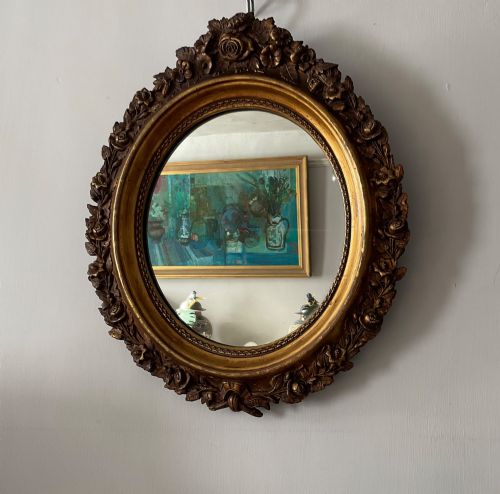
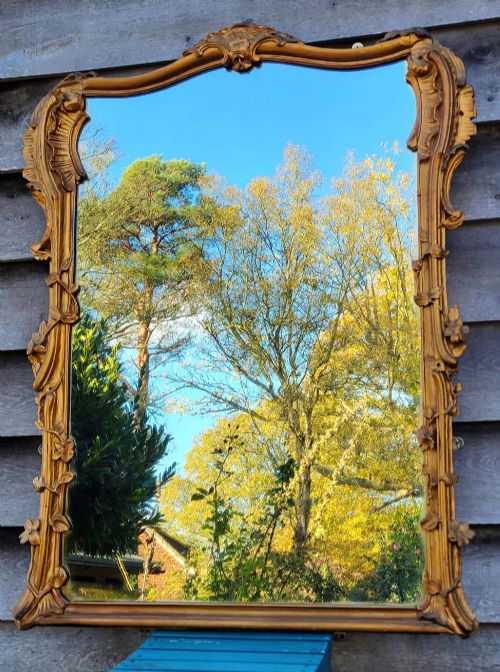
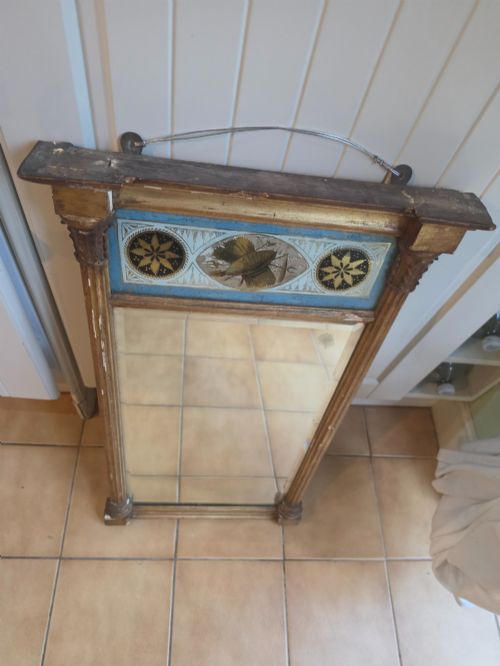
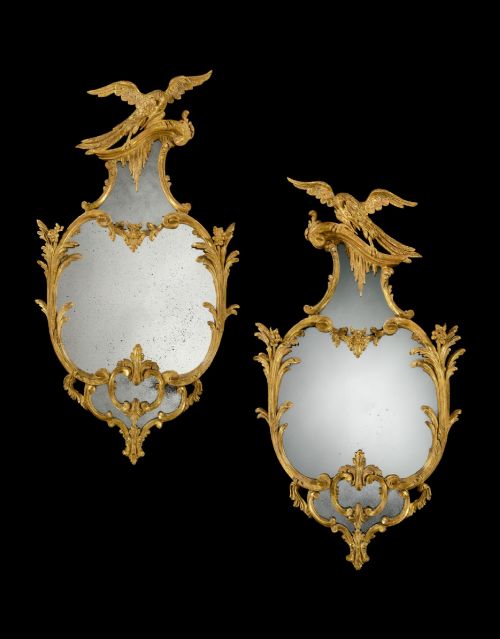
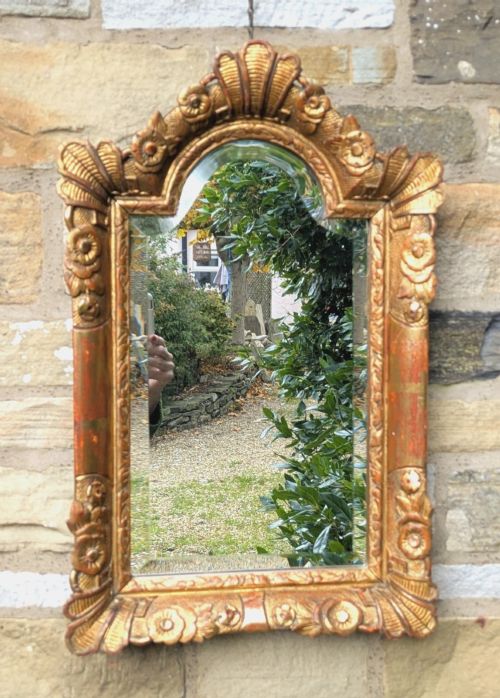
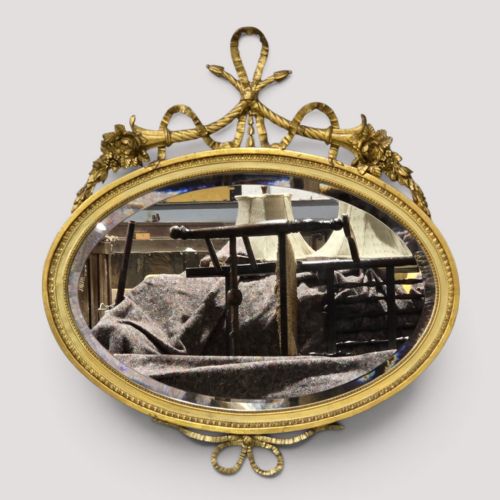
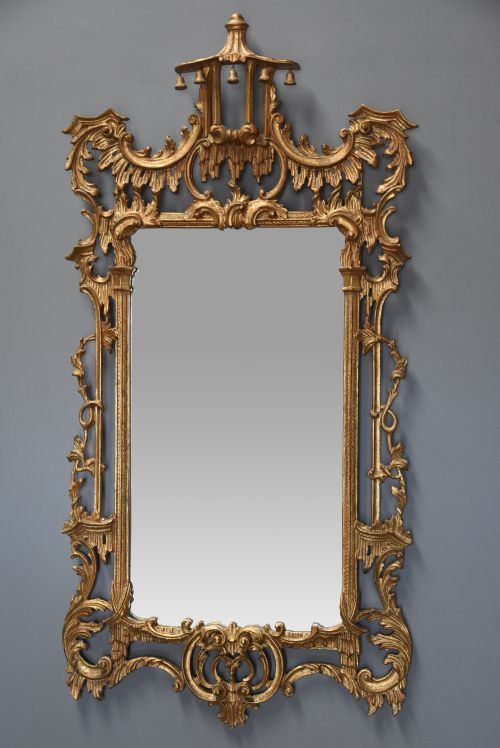
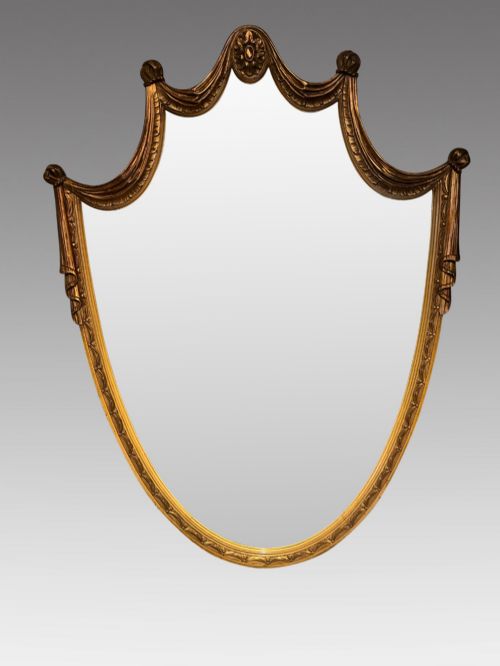
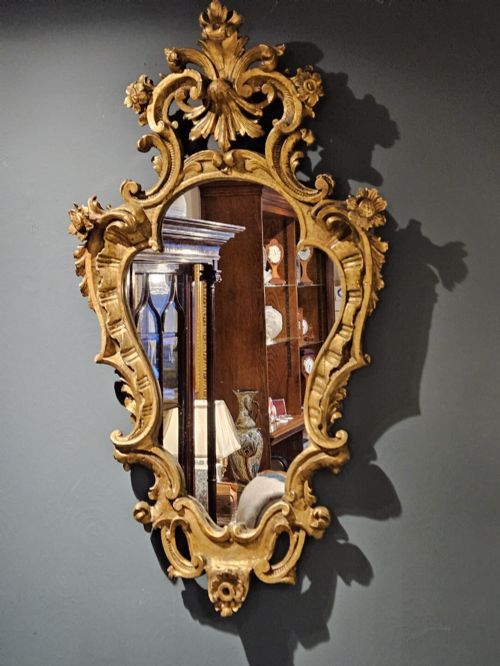
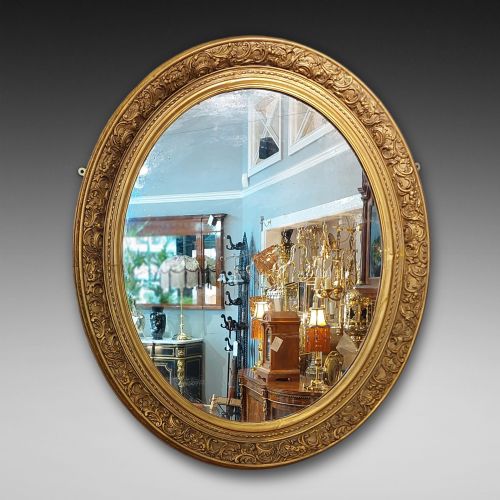
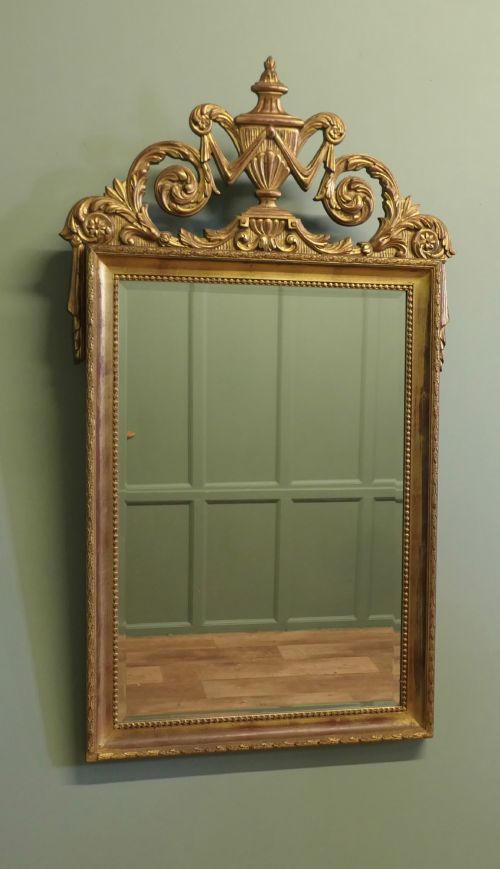
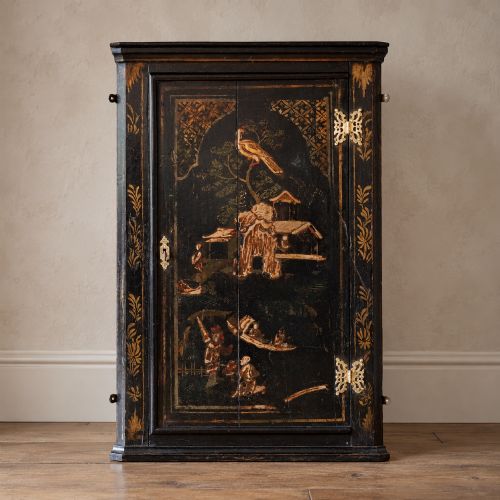
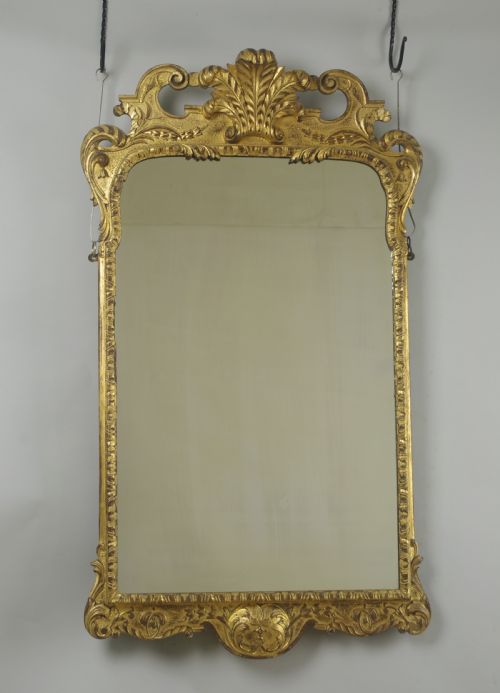
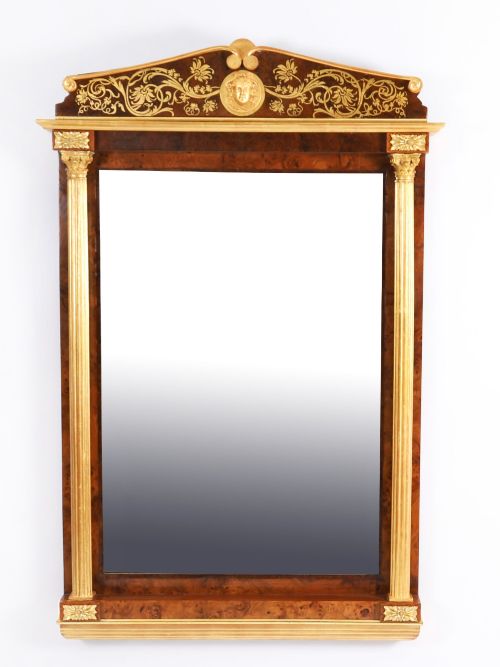
A gilded wall hanging primarily takes the form of mirrors, along with occasional corner shelves and carved plaques designed to be mounted directly onto domestic walls. These pieces span several centuries of design, reaching back to Georgian and eighteenth-century origins through to Victorian interpretations.
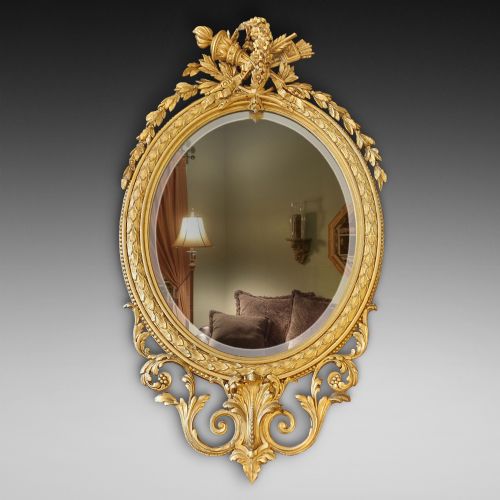
The most common examples encountered on this page are nineteenth-century giltwood mirrors, often drawing on French Rococo, Louis XVI, and Regency stylistic revivals. Makers utilised timber, gesso, and glass to create decorative focal points intended for parlours, hallways, and overmantles.
How They Were Made
Craftsmen shaped frames from wood such as mahogany, walnut, or pine, building up intricate relief decorations using applied gesso or composition moulded over carved details. Water gilding or oil gilding techniques were then applied, laying down delicate sheets of gold leaf over a prepared bole base.
Mirrors incorporated antique glass plates, sometimes featuring engraved details, bevelling, or silvering that aged organically over time. Structural joins relied on traditional carpentry methods suited to supporting heavy wooden frames on wall fixings.
Gilded Wall Hanging Retail Price Guide 2026
Typical asking prices for gilded wall hanging among the pieces listed under this phrase on Sellingantiques today, from the lower quarter to the upper quarter. They describe what is for sale here now, not the wider market.
Among the reflections, an unusual Masonic giltwood mirror peers out, carrying secret symbols alongside classic floral carvings.
What Varies in Quality
The standard of a gilded wall hanging rests on the crispness and depth of the carved woodwork and the finesse of the gesso application. Finer examples display hand-carved relief work with distinct floral, mythological, or scroll motifs, whereas lesser pieces rely on mass-moulded composition that can appear softer in detail.
The integrity of the gilding and the preservation of the original mirror plate also dictate the character of the object. Pieces retain greater visual harmony where the gold leaf has worn naturally without heavy modern re-gilding obscuring the underlying texture of the wood.
Arsène Rochette
The Gilded Wall Hanging Glossary
- Giltwood
- Timber that has been coated with gold leaf or gold powder. This surface treatment provides the bright reflective finish characteristic of these frames.
- Gesso
- A plaster-like mixture applied to wood frames to create a smooth surface for carving and gilding. Artisans built up layers of gesso before cutting crisp decorative motifs into the material.
- Rococo
- An ornate design style marked by asymmetric scrollwork, shell motifs, and natural curves. This aesthetic heavily influenced eighteenth-century and nineteenth-century mirror frames.
- Parcel-gilt
- Woodwork where only specific carved elements or raised details are gilded, leaving contrasting areas of exposed natural timber visible. This technique highlights particular decorative components of the frame.
- Water gilding
- A traditional technique using gold leaf applied over wet size and clay bole, allowing the metal to be burnished to a high shine. It is distinct from oil gilding, which produces a matte finish.
Gilded Wall Hanging: Frequently Asked Questions
How do I hang a heavy gilded mirror safely?
These wooden frames carry substantial weight due to the dense timber, gesso, and glass components. Secure fixings must be mounted directly into wall studs or masonry using appropriate brackets.
Professional mirror hangers utilise heavy-duty D-rings and steel wire rated well above the actual weight of the object. Ensure the hanging point distributes the load evenly across the frame structure rather than relying solely on top mouldings.
What periods do these wall hangings cover?
The pieces span from the eighteenth century through the Georgian and Victorian eras, up to the early twentieth century. Many nineteenth-century examples deliberately revived earlier French and English styles such as Rococo and Louis XVI.
Stylistic cues, construction methods, and the ageing of the mirror plate help indicate whether an object originates from the Georgian period or a later nineteenth-century revival.
How should I clean a antique giltwood frame?
Dusting should be performed gently using a very soft, dry brush or feather duster to prevent dislodging delicate areas of gesso and gold leaf. Moisture and chemical cleaning agents can permanently damage historic water gilding.
Avoid rubbing the gilded surfaces or using commercial polishes entirely. If deeper cleaning is required, consult a professional conservator specialising in historic gilt frames.
Are the mirror plates original?
Many pieces retain their original mirror glass, which often displays foxing, dark spots, and minor imperfections developed over centuries. These traits confirm the age and authenticity of the object.
Some mirrors have received replacement glass plates during their working life to improve reflection clarity. Examining the backboards and fixings often reveals whether the glass has been changed.