

Gilded Wall Cabinet
When you search for a gilded wall cabinet, you find decorative fixtures and plates carrying gold leaf, gilt, and paint across various periods.
Gilded Wall Cabinet
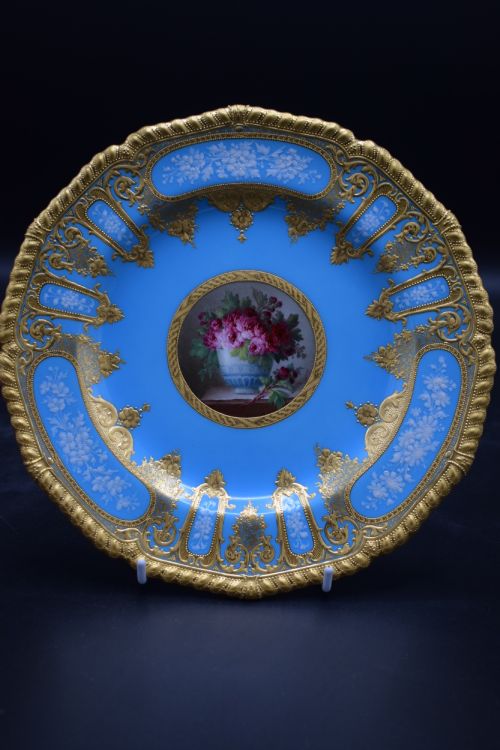
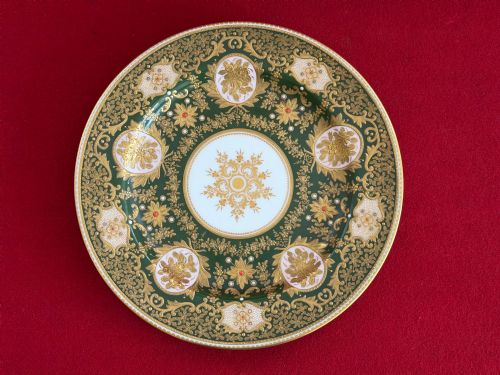
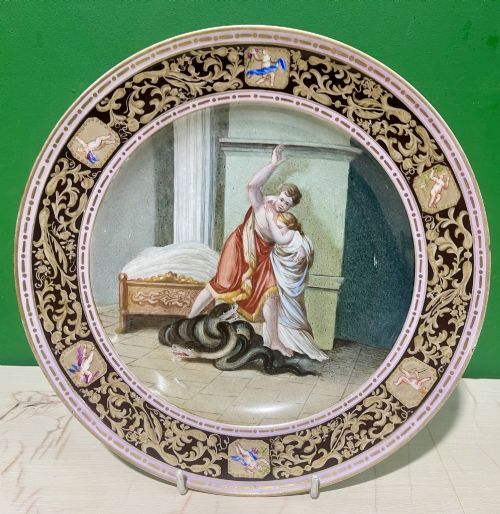
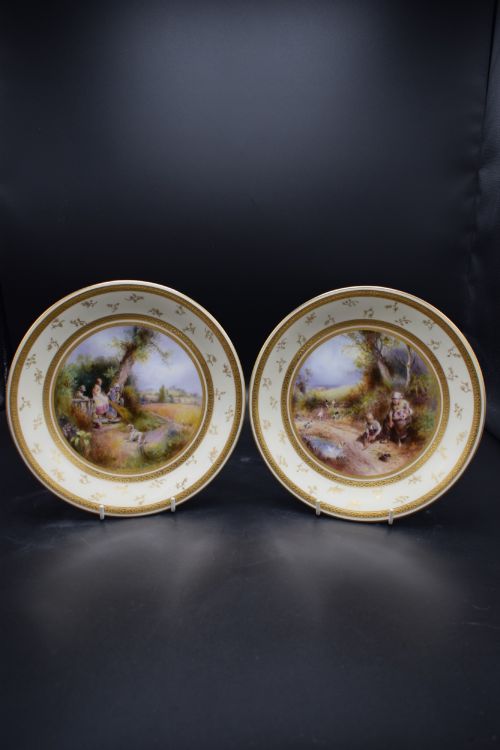
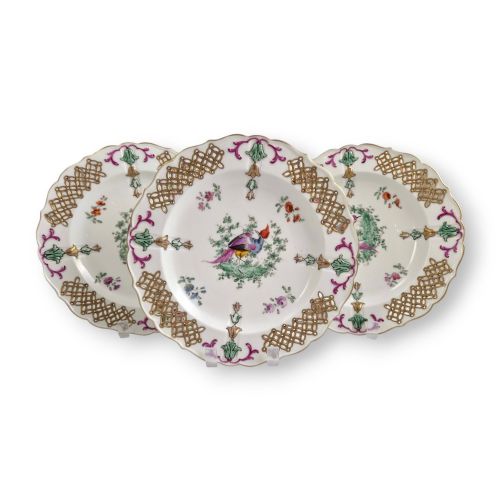
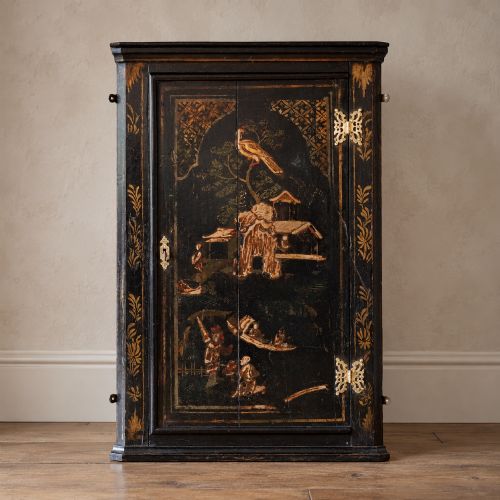
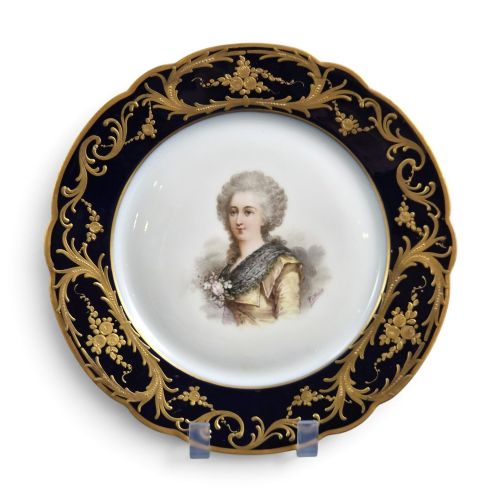
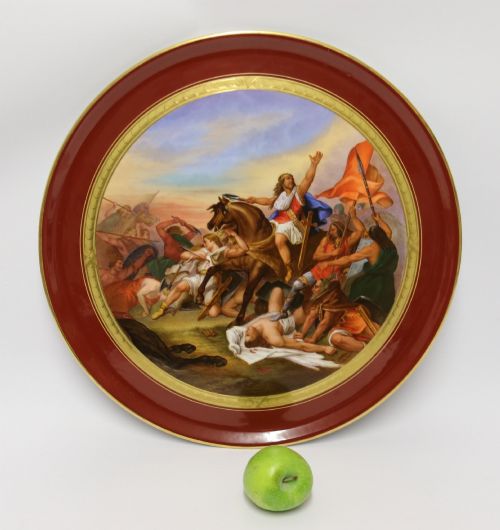
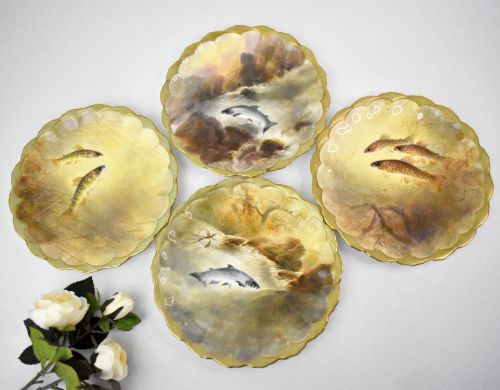
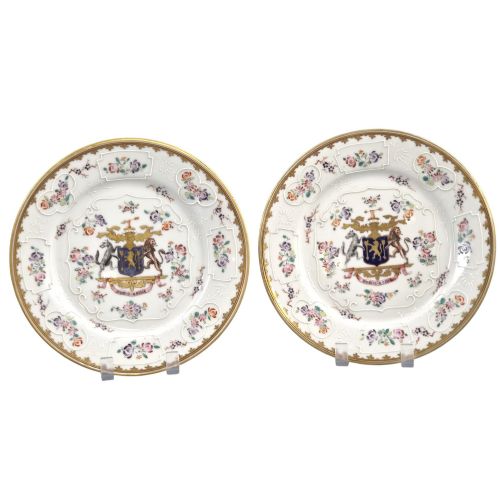
A gilded wall cabinet and related display pieces encompass items designed to hang on walls or sit in corners, alongside cabinet plates created for display rather than dining. The selection spans the eighteenth, nineteenth, and twentieth centuries, incorporating styles from the Georgian and Victorian eras to French Rococo Revival and Japanese Imari.
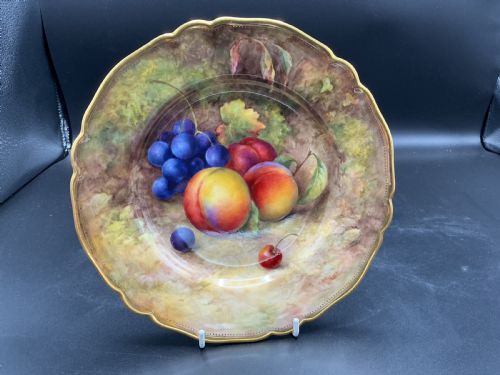
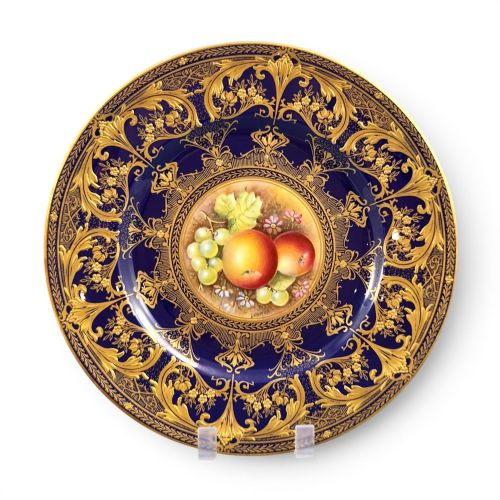
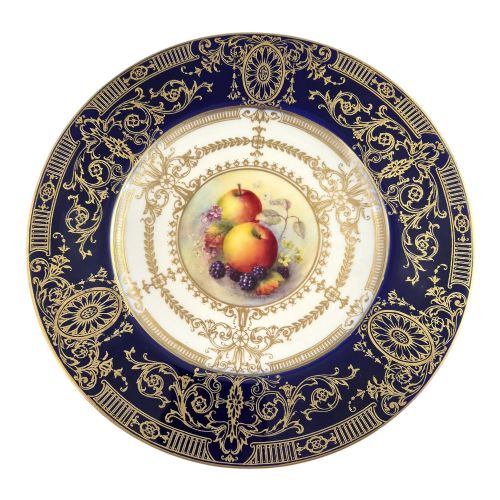
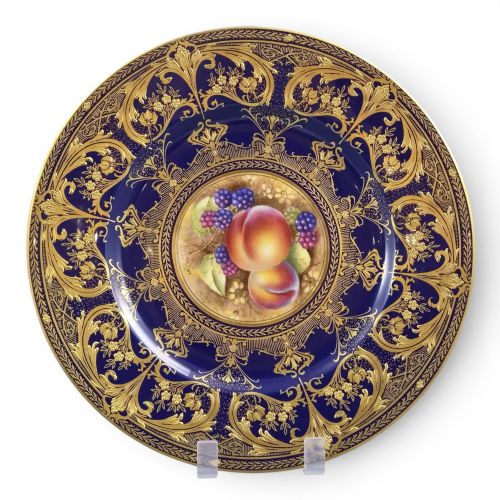
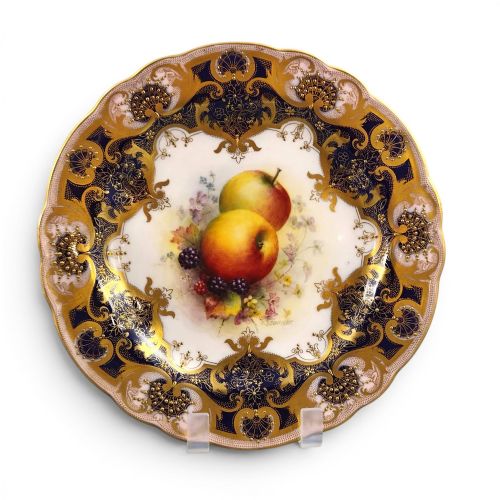
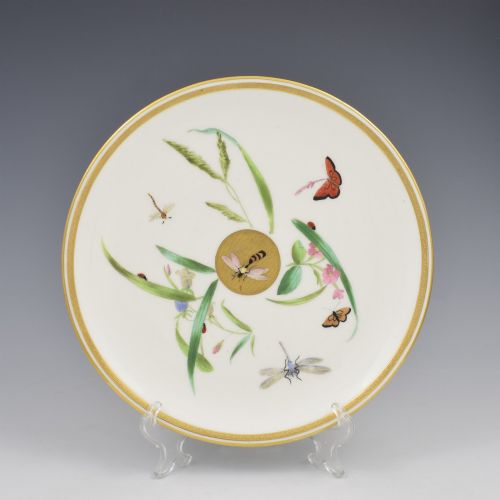
Most entries on this page consist of painted and gilded porcelain plates, chargers, and dishes produced by major factories, alongside occasional wall shelves and corner cabinets. These objects served primarily as ornamental display pieces in formal rooms, reflecting the tastes of their respective periods through hand-painted scenes and rich gilding.
How they were made
The manufacture of these items relies heavily on fine porcelain, bone china, and timber substrates finished with gold leaf, gilt, or paint. Artisans applied hand-painted details, ranging from botanical studies and fruit compositions to historical figures and exotic birds, before sealing the surface with metallic highlights.
Wooden items utilise carved giltwood or ebonised panels, while ceramic pieces undergo high-temperature kiln firing to fix cobalt blues, enamels, and polychrome glazes. Gilding techniques involve the careful application of gold leaf or liquid gilt to raised borders, rims, and decorative motifs.
Gilded Wall Cabinet Retail Price Guide 2026
Typical asking prices for gilded wall cabinet among the pieces listed under this phrase on Sellingantiques today, from the lower quarter to the upper quarter. They describe what is for sale here now, not the wider market.
Listings feature porcelain, bone china, and giltwood from the eighteenth to the twentieth centuries, spanning Georgian, Victorian, and Edwardian periods.
What varies in quality
Quality in these pieces rests upon the precision of the hand-painting and the depth of the gilding applied by the maker. Examples featuring detailed figural scenes, botanical studies by named artists, or intricate reticulation sit at the upper end of the range.
The composition of the porcelain body and the crispness of moulded or carved details also determine the grade of an item. Superior pieces retain vibrant, intact enamel colours and precise, burnished gold work without significant rubbing or loss.
Royal Worcester·Royal Crown Derby·Edmé Samson And Cie·Darte Brothers·Helena Wolfsohn
The Gilded Wall Cabinet Glossary
- Cabinet plate
- A decorative ceramic plate intended for display on a wall, shelf, or cabinet rather than for serving food. These pieces often feature elaborate hand-painted scenes and gilded borders.
- Giltwood
- Timber that has been coated with a thin layer of gold leaf or gold paint. It appears frequently on frames, shelves, and wall cabinets from the nineteenth century.
- Imari
- A style of Japanese porcelain decorated in underglaze blue and overglaze red, gold, and green. European factories frequently copied these distinctive patterns during the nineteenth century.
- Reticulated
- Pierced or openwork decoration cut into the rim or body of a ceramic piece during manufacture. This technique creates a lace-like pattern common on fine porcelain plates.
- Charger
- A large ornamental plate used traditionally for ceremonial purposes or as a base dish. In later periods, these large pieces functioned primarily as wall decorations.
Gilded Wall Cabinet: Frequently Asked Questions
What is a cabinet plate?
A cabinet plate is an ornamental ceramic dish created for display rather than everyday use. These items typically feature hand-painted artistic scenes, elaborate borders, and rich gilding.
Potteries produced them to showcase the skill of their artists and decorators. Collectors usually mounted them on walls or displayed them on specialist plate stands.
How do I identify Imari porcelain?
Imari porcelain is characterised by a distinct colour palette consisting mainly of underglaze blue, iron red, and added gold highlights. The patterns often incorporate floral and geometric motifs.
Originating in Japan, this style became immensely popular in Europe. Many nineteenth-century English and continental factories produced their own versions of these designs.
Where were wall cabinets placed?
Wall cabinets and decorative wall shelves were hung in principal reception rooms to display small valuables, porcelain, and curiosities. Corner variants utilised space where two walls met.
Their placement allowed homeowners to exhibit prized possessions at eye level. The gilded surfaces caught the light of candles and lamps in the evening.
How do I care for gilded items?
Gilded ceramics and wooden cabinets require gentle handling to preserve the delicate metallic surfaces. Dusting should be done dry with a soft, clean brush rather than a cloth that might catch on raised details.
Moisture and harsh cleaning agents can damage gold leaf and painted enamels. Keeping them away from direct sunlight helps prevent the fading of colours.