






Gilded Rococo Picture Frame
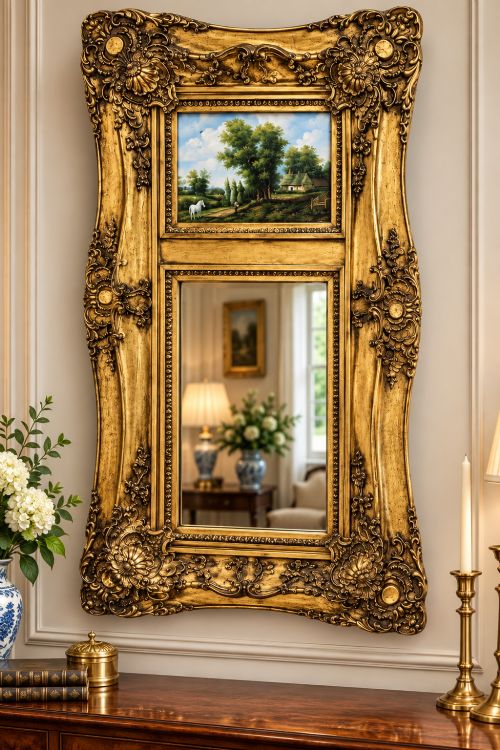
A gilded rococo picture frame brings an extravagant, curving flourish to any interior, combining ornate ornamentation with centuries of craftsmanship.
Gilded Rococo Picture Frame
When searching for a gilded rococo picture frame, buyers encounter pieces designed to hold paintings, prints, and wall mirrors. These objects display the flamboyant scrolls, asymmetry, and naturalistic motifs characteristic of the style.
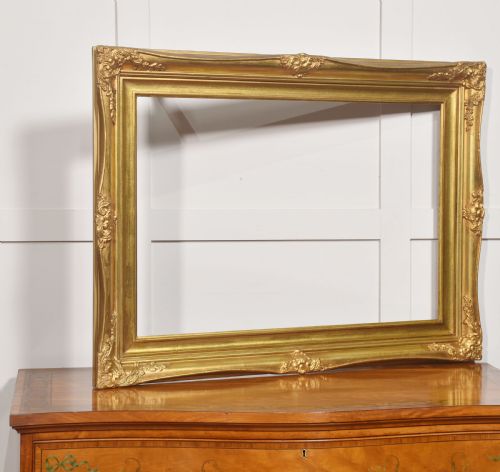
The selections on this page span from the eighteenth century through the nineteenth and twentieth centuries, encompassing Victorian revivals and French interpretations. Forms range from deep, swept mouldings to carved rectangular and oval formats.
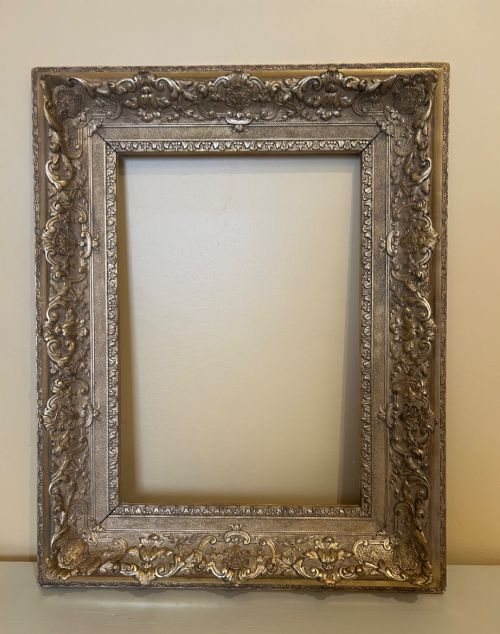
Many items survive housing oil paintings, watercolours, and photographs, while others remain empty frames ready for new artwork. The materials and construction methods reflect the periods in which makers shaped them.
How They Were Made
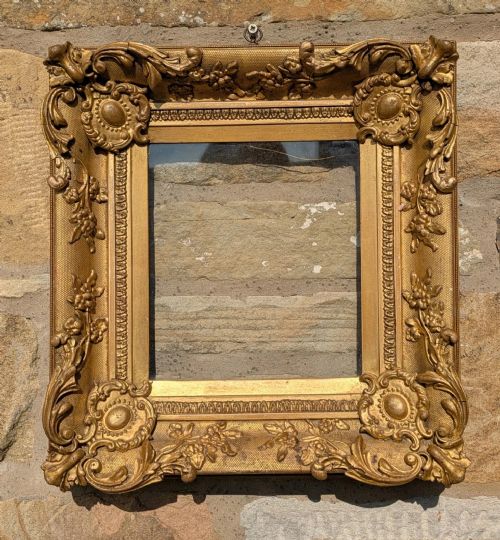
Makers constructed the foundational structure using wood, applying layers of gesso to build up the intricate relief decorations. Artisans carved intricate scrolls and foliage directly into the wooden base or modelled them in gesso before finishing.
Giltwood and gold leaf provide the luminous metallic surface characteristic of these pieces, applied over prepared grounds. Bronze components also appear in specific framed photograph formats from the later nineteenth century.
Gilded Rococo Picture Frame Retail Price Guide 2026
Typical asking prices for gilded rococo picture frame among the pieces listed under this phrase on Sellingantiques today, from the lower quarter to the upper quarter. They describe what is for sale here now, not the wider market.
Listings feature items from the seventeenth, eighteenth, nineteenth, and twentieth centuries, utilising gesso, giltwood, wood, and gold leaf.
What Varies in Quality
Depth of relief and crispness of carving separate standard mouldings from superior examples. Hand-carved wooden ornament retains sharp edges and intricate detail, whereas secondary cast gesso ornament can appear softer.
The integrity of the original gilt surface dictates the character of the piece. Preservation of genuine gold leaf or early gilder's work without heavy modern overpainting maintains the historical fidelity of the object.
Jonny Gaston·William Miller Frazer·Stuart Lloyd
The Gilded Rococo Picture Frame Glossary
- Gesso
- A plaster-like mixture applied to wood frames to create a smooth surface for gilding and carving. It allows makers to fashion deep, sculptural reliefs.
- Giltwood
- Timber covered with gold leaf or powder. This material forms the primary body of traditional decorative frames.
- Swept frame
- A moulding style featuring broad, undulating curves and flowing scrolls. This form defines much of the nineteenth-century revival output.
- Rococo Revival
- A nineteenth-century design movement resurrecting eighteenth-century French decorative motifs. It champions asymmetry, C-scrolls, and organic plant forms.
Gilded Rococo Picture Frame: Frequently Asked Questions
How do I date a frame?
Examine the construction joints, the composition of the gesso, and the underlying wood type. Earlier pieces often display hand-cut joinery and layered preparation grounds beneath the gold leaf.
Stylistic cues also help narrow the era. Victorian revivals tend to feature heavier proportions and distinct moulding profiles compared to eighteenth-century originals.
Can I hang a heavy mirror safely?
Assess the structural integrity of the wooden corners and the attachment points of the hanging hardware. Large pieces require robust mirror plates and wall fixings suited to the weight of the timber and gesso.
Consult a professional framer if the original backing or joints need reinforcement before wall mounting.
How should I clean gilt surfaces?
Dust gently with a soft, dry brush to remove particulate matter without disturbing the delicate leaf. Avoid all moisture, solvents, and commercial cleaning agents.
Water or harsh cleaners can dissolve the underlying gesso and strip away historic gilding instantly.
What is the difference between gesso and carved wood?
Carved wood involves cutting directly into the timber substrate to form the decorative relief. Gesso work involves building up a plaster mixture over a simpler wooden core to mould ornamental details.
Many high-quality frames combine both techniques, using carved wooden foundations embellished with detailed gesso ornament.