





Gilded Ormolu Furniture
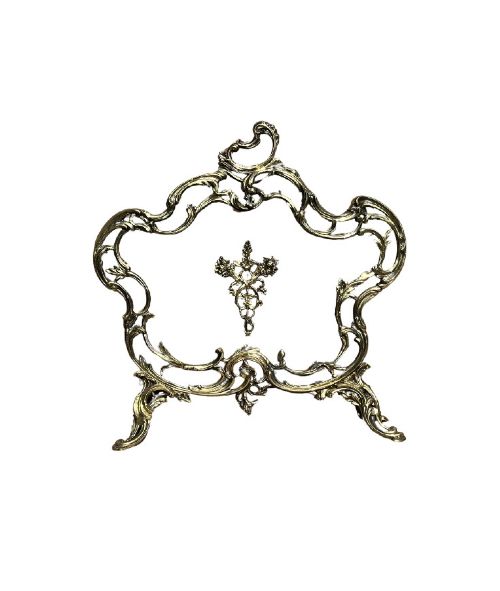
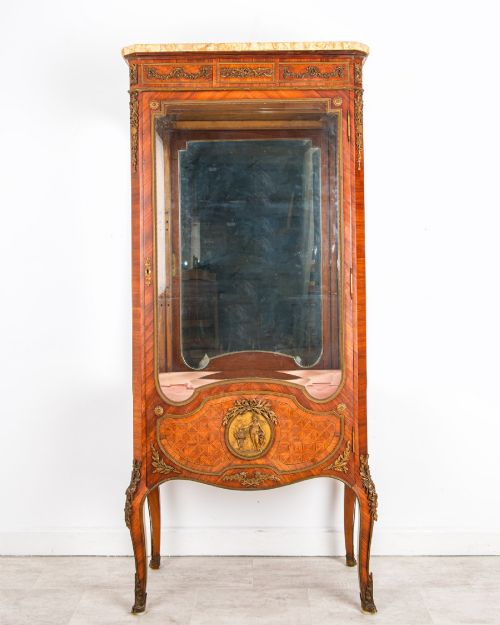
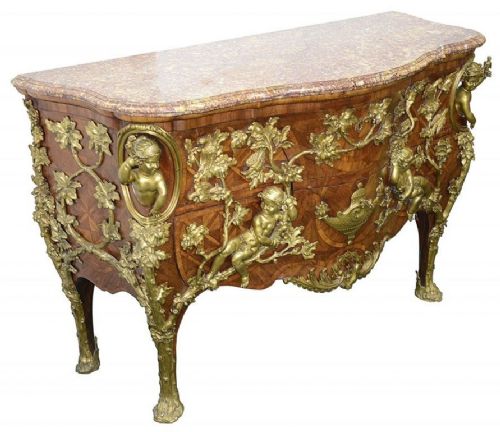
These pieces of gilded ormolu furniture bring French and Viennese elegance into a room through rich mounts and fine cabinet work.
Gilded Ormolu Furniture
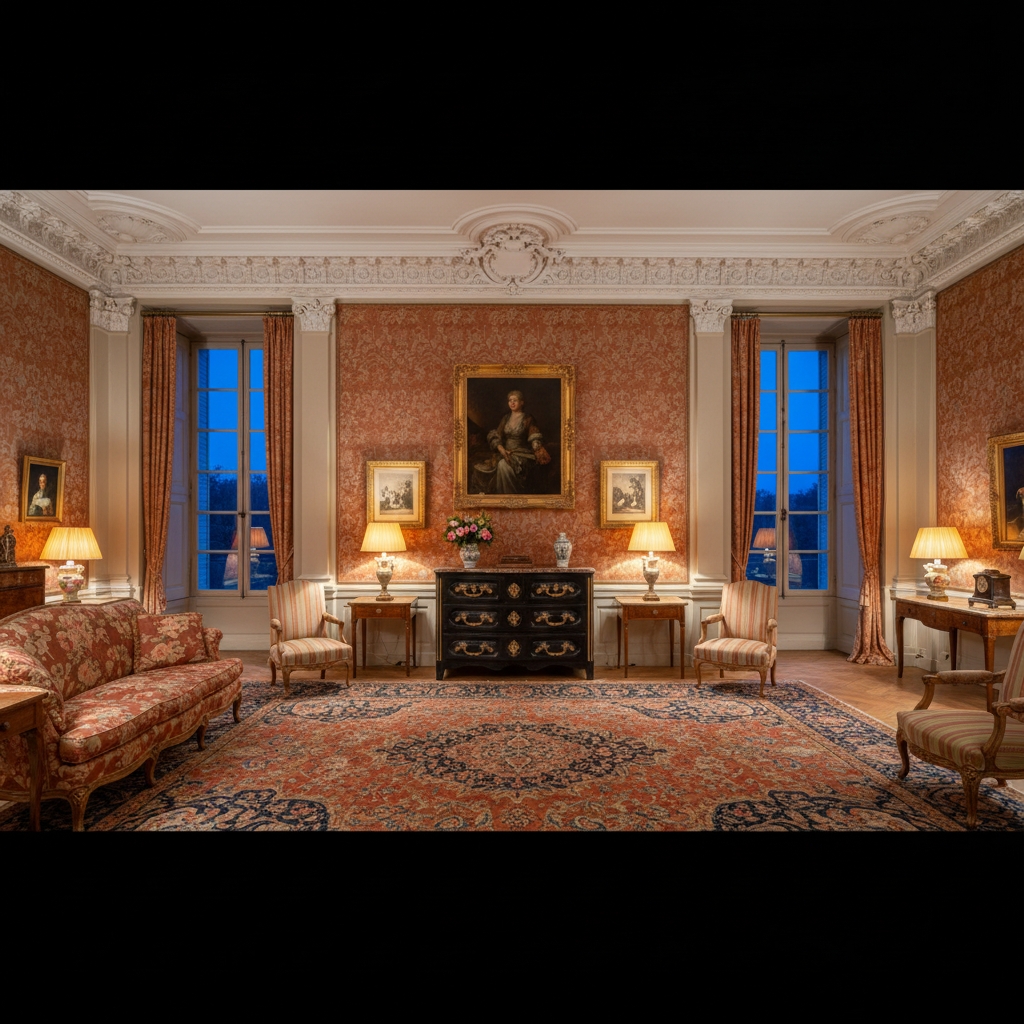
When you search for gilded ormolu furniture, you encounter grand seating, vitrines, and writing tables from the eighteenth and nineteenth centuries. These items embody historical European luxury, drawing heavily on French Empire, Louis XV, and Louis XVI styles.
You are most likely to meet nineteenth-century interpretations on this page, including cabinets with marble tops and desks finished with intricate marquetry. The forms range from display cabinets and commodes to sofas and dressing tables.
The origins span French workshops and Viennese makers, reflecting a period of exceptional craftsmanship and ornamental design. Each piece serves as both functional furniture and a decorative statement within a classical interior.
How they were made
Cabinet makers utilised choice timbers such as kingwood, mahogany, satinwood, and burr-walnut as the primary foundation for these pieces. Artisans often enhanced these wooden surfaces with floral marquetry or Vernis Martin finishes.
Gilt bronze and ormolu mounts were meticulously cast and applied to accentuate the structural lines and decorative motifs. Additional materials like marble tops, glass panels, and enamel plaques were incorporated to complete the elaborate designs.
Gilded Ormolu Furniture Retail Price Guide 2026
Typical asking prices for gilded ormolu furniture among the pieces listed under this phrase on Sellingantiques today, from the lower quarter to the upper quarter. They describe what is for sale here now, not the wider market.
Listings feature items from the eighteenth and nineteenth centuries, spanning Victorian and Louis XVI periods.
What varies in quality
The standard of ormolu casting largely dictates the quality of a piece, separating sharp, deeply chased bronze mounts from softer, shallower pressings. The precision of the joinery and the selection of timber veneers also indicate the workshop's standing.
Pieces bearing attribution to notable makers or specific stylistic influences demonstrate superior execution in both the structural carcase and the decorative ornamentation.
François Linke·Charles Cressant·Maison Krieger
The Gilded Ormolu Furniture Glossary
- Ormolu
- Gilt bronze applied to furniture and decorative objects as mounts. The technique involves coating bronze with a mixture of gold and mercury before firing.
- Vitrine
- A glass-fronted cabinet designed for the display of porcelain and curiosities. These pieces often feature extensive ormolu mounts and marble tops.
- Marquetry
- The art of applying pieces of veneer to a structure to form decorative patterns. Craftsmen use various coloured woods to create floral and geometric designs.
- Commode
- A low chest of drawers developed in France during the seventeenth century. They frequently feature marble tops and ornate gilt bronze handles.
- Bureau plat
- A flat-topped writing table, usually free-standing. These tables often incorporate leather writing surfaces and elaborate ormolu corner mounts.
Gilded Ormolu Furniture: Frequently Asked Questions
What is ormolu furniture?
Ormolu furniture refers to wooden cabinet pieces decorated with cast and gilt bronze mounts. These decorative elements originated primarily in France to highlight the luxury of classical styles.
The technique creates a metallic gold finish that contrasts with dark hardwoods like mahogany and kingwood. These pieces served as centrepieces in aristocratic homes.
How do I identify French Empire style?
French Empire pieces rely on symmetry, dark mahogany surfaces, and classical military or imperial motifs. The design language reflects the tastes of early nineteenth-century France.
You will often see restrained gilt bronze mounts that emphasise the architectural lines of the furniture rather than overwhelming them.
Where should I place a vitrine cabinet?
A vitrine cabinet works best in a principal reception room or drawing room where its glass panels and display contents receive adequate light. These pieces are designed to showcase collections while protecting them from dust.
Keep them away from direct sunlight to protect both the timber veneer and any interior fabric linings.