
Gilded Ormolu Desk
These pieces associated with a gilded ormolu desk are decorative French and English writing tables, clocks and lamps that bring 19th century splendour to a room.
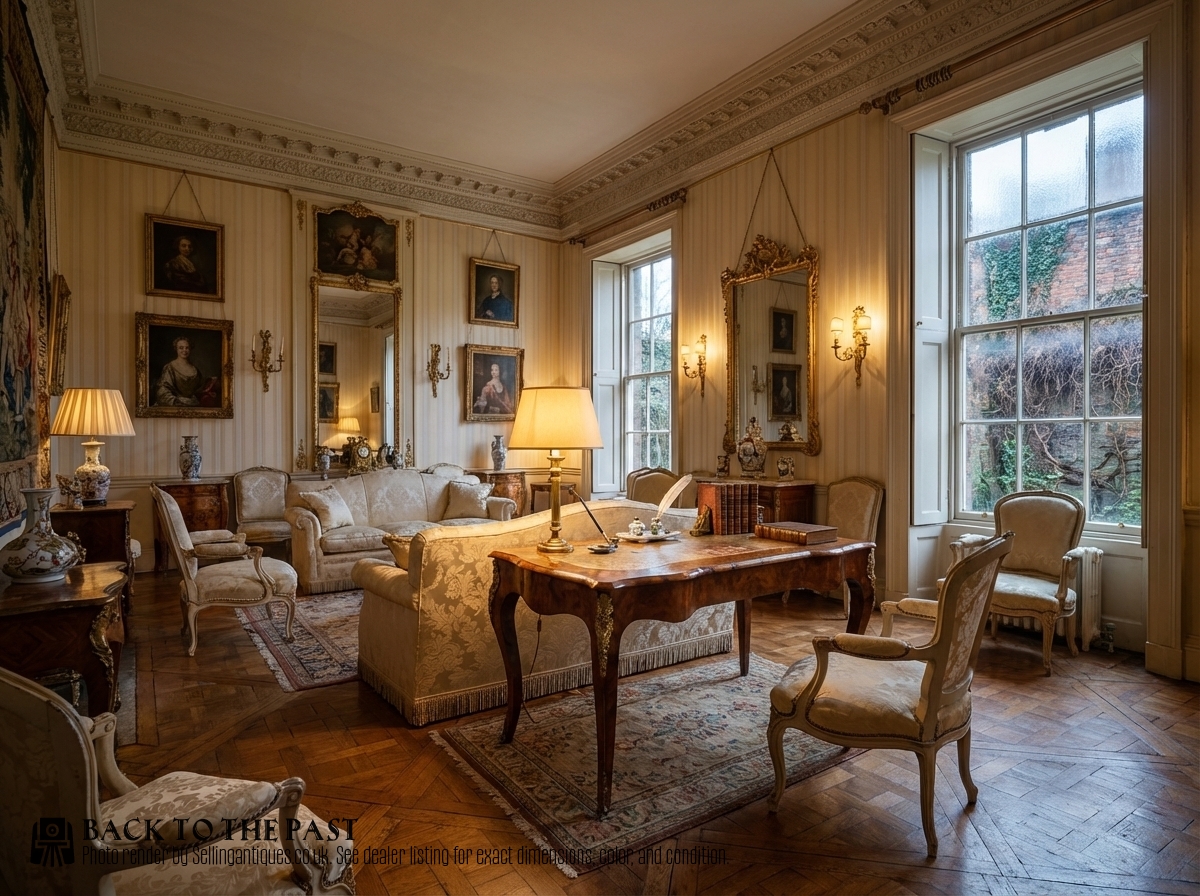
Gilded Ormolu Desk
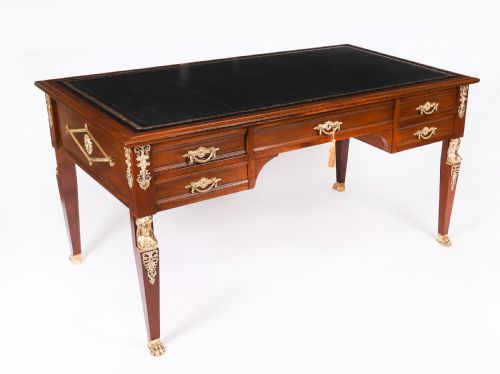
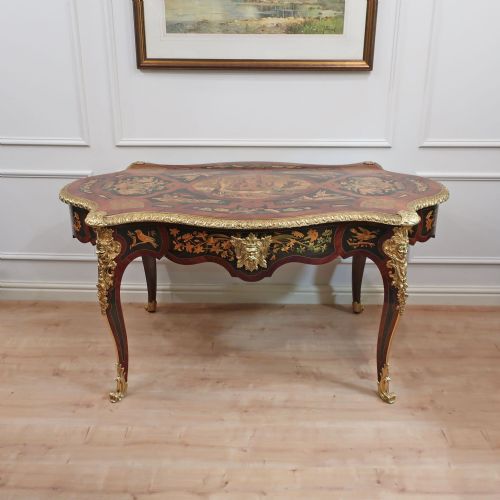
A gilded ormolu desk brings together bureau plat writing tables, centre tables and inkstands fashioned in the 19th century. These pieces draw on French Empire, Louis XV and Louis XVI revivals to provide formal surfaces for a study.
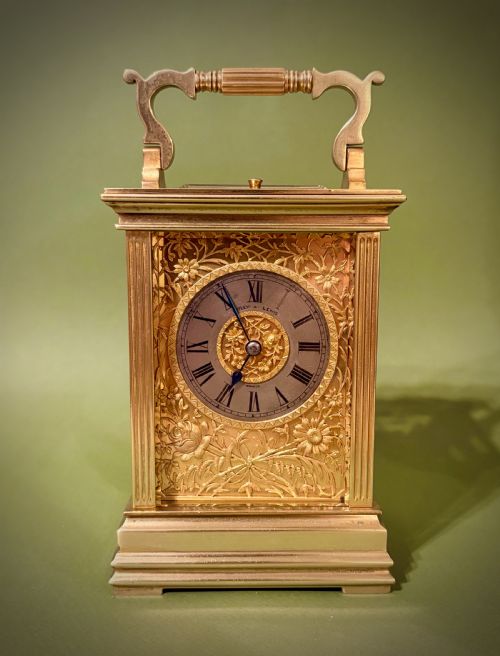
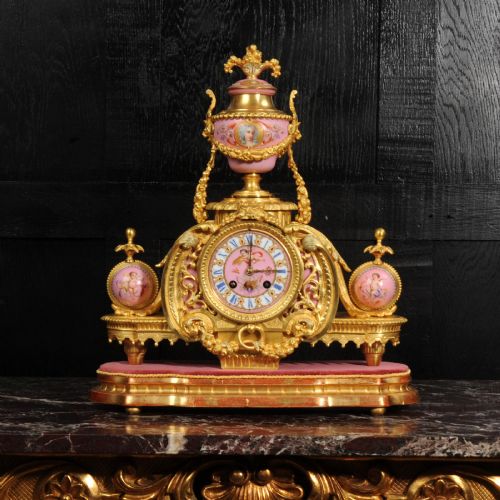
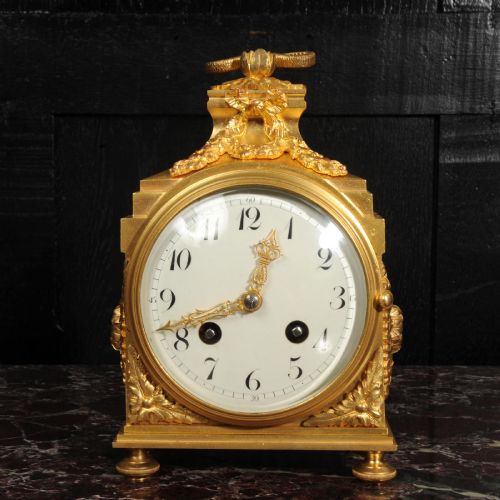
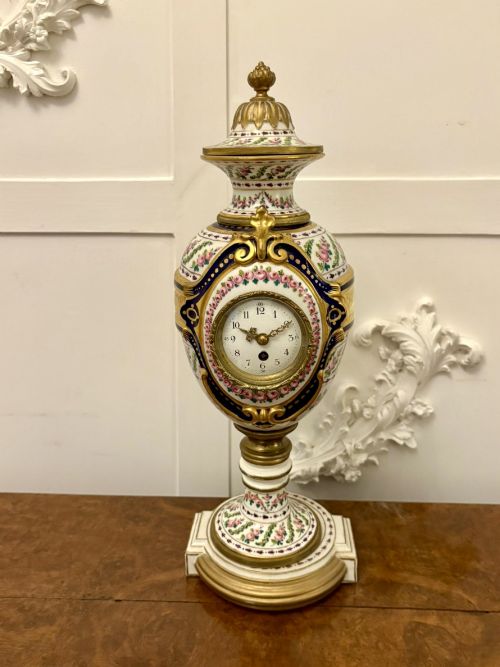
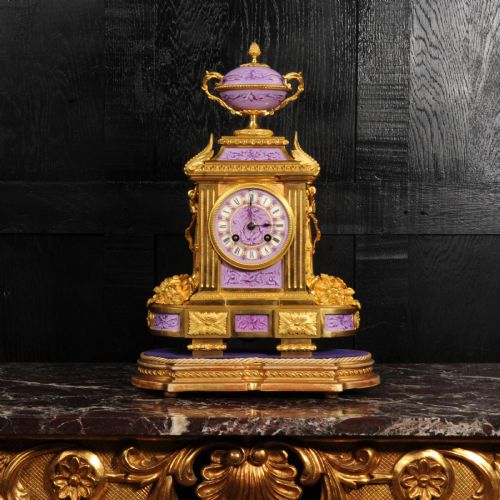
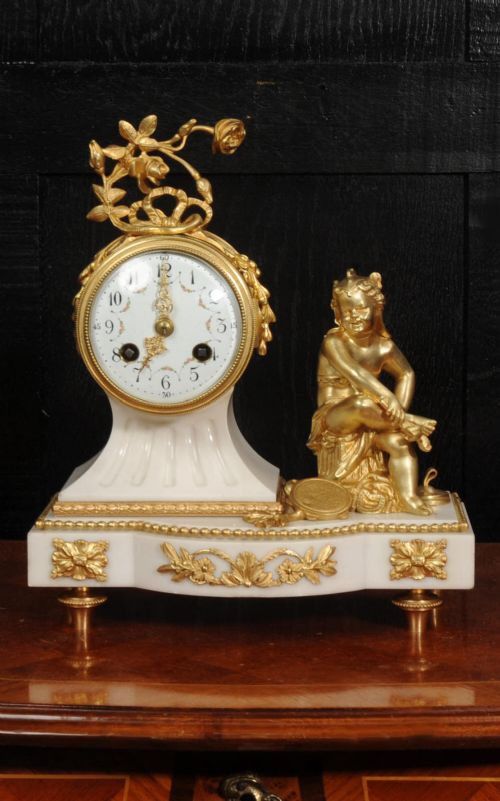
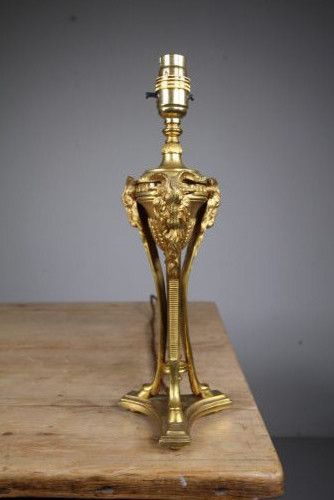
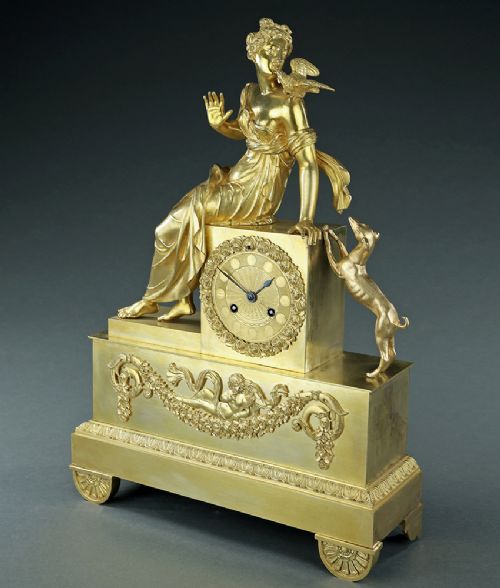
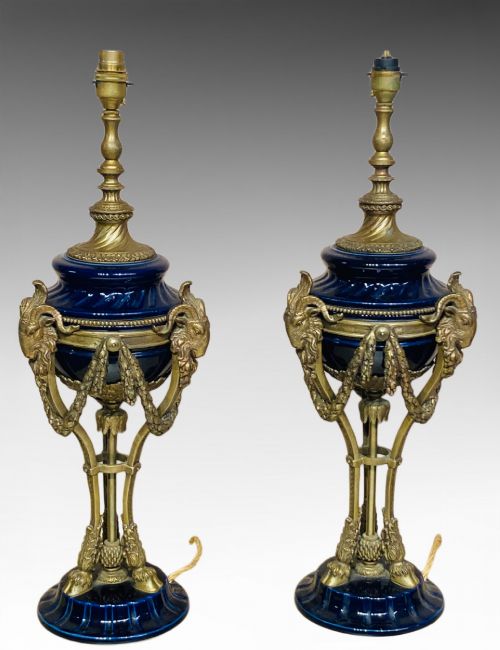
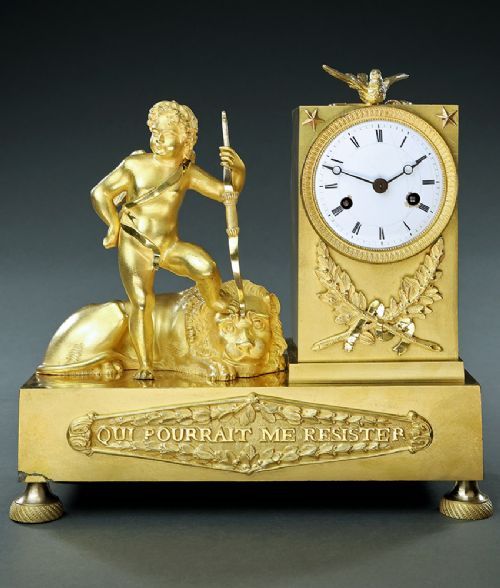
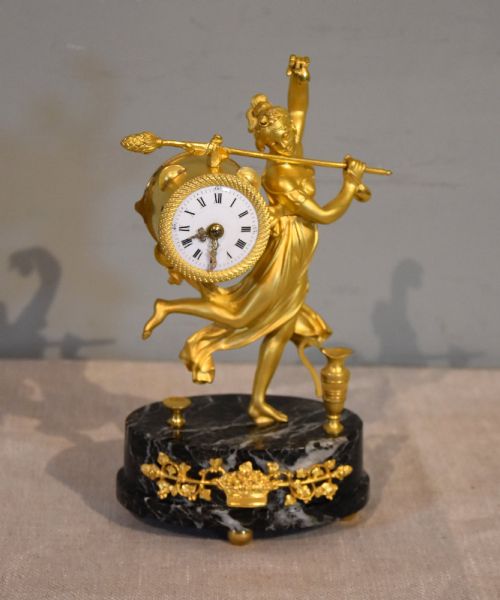
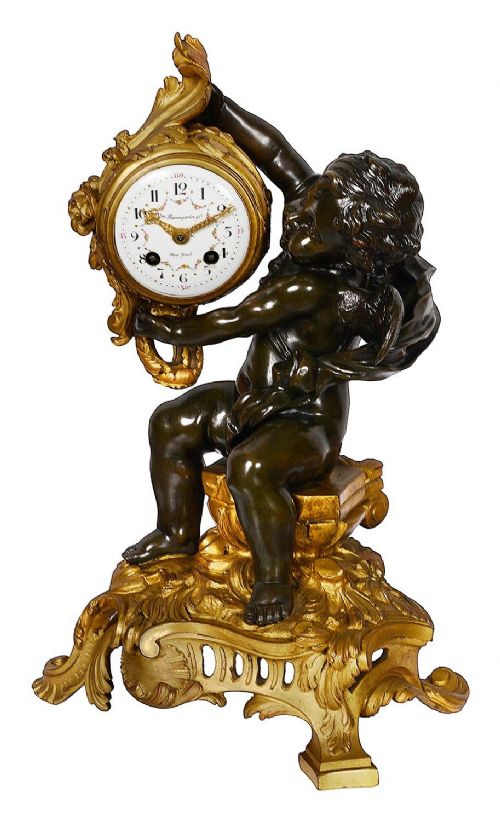
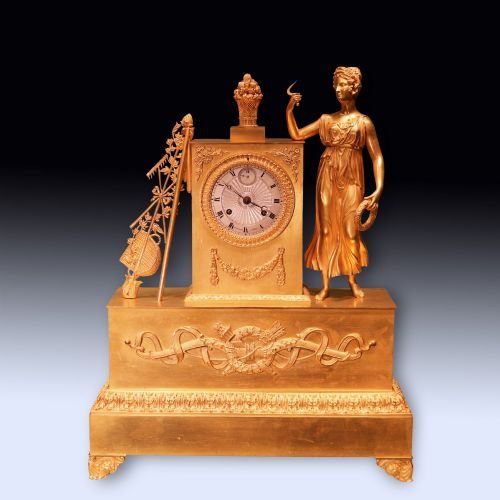
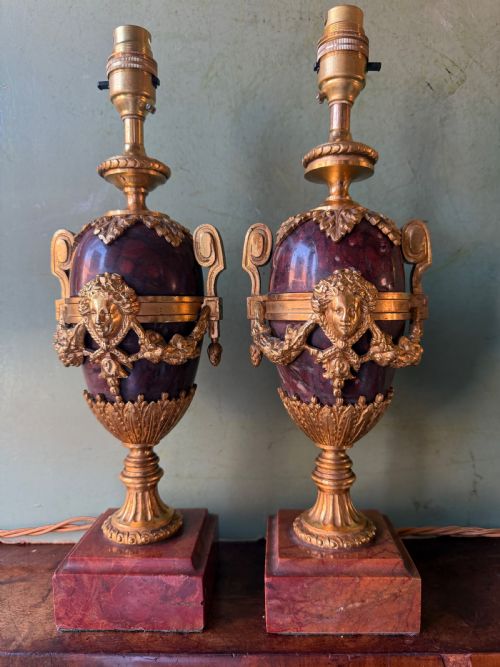
Beyond writing furniture, the selection spans mantel clocks, table lamps and candlesticks accented with the same gilded mounts. These lighting and timekeeping objects share the characteristic bronze work and marble foundations seen across the period.
Originating predominantly from French workshops with occasional English examples, these items reflect the heavy ornamental taste of the Victorian era and preceding decades. Buyers find desks flanked by matching clocks and lamps designed in identical revival styles.
How they were made
Craftsmen built these items using bronze and brass, applying mercury gilding or modern electroplating to create the bright ormolu surface finish. This metallic work was combined with structural hardwoods, green and red marble, cut crystal and Sèvres porcelain panels.
Marquetry surfaces on bureau plat desks required precise inlay techniques using varied timbers to form geometric or floral patterns. Cast bronze mounts were chased by hand to sharpen the foliage and scrollwork before being fixed to the wooden carcasses or marble bases.
Listings feature 19th-century French Empire, Louis XV Revival, and Neoclassical styles incorporating gilt bronze, marble, and Sèvres porcelain.
What varies in quality
The crispness of the bronze casting separates superior pieces from standard production, as hand-chasing after casting defines the depth of acanthus leaves and cherubs. Softer, shallow details indicate mass production rather than skilled workshop output.
The integration of materials dictates distinction, visible where porcelain panels align precisely with the gilt bronze mounts and marble slabs sit flush without excessive cement. Superior examples maintain original mercury gilding which retains a warm, deep lustre compared to later replacement plating.
Achille Brocot·Japy Freres·John Barwise
The Gilded Ormolu Desk Glossary
- Ormolu
- Gilt bronze, created by applying an amalgam of gold and mercury to a bronze base before heating to drive off the mercury. This technique produces a durable golden finish characteristic of French decorative arts.
- Bureau plat
- A freestanding double-sided writing table fitted with drawers and a leather or wood top. These desks often feature ormolu sabots on the feet and mounts along the frieze.
- Sèvres
- Porcelain produced by the royal French manufactory, known for hand-painted panels inserted into clock cases and lamp bases. These plaques carry distinct glaze colours and delicate floral motifs.
- Portico clock
- A monumental clock design supported by columns, framing a central pendulum movement. They frequently incorporate cut crystal and ormolu mounts in classical architectural styles.
- Chasing
- The manual process of refining a cast metal surface using hammers and punches to sharpen details. Master metalworkers used this technique to give ormolu its three-dimensional definition.
Gilded Ormolu Desk: Frequently Asked Questions
What is an ormolu desk?
An ormolu desk is a 19th-century writing table, such as a bureau plat, decorated with gilt bronze mounts. These pieces combine wooden construction with cast metal ornamentation.
They reflect classical revival styles like Louis XV and Empire, providing formal workspace surfaces with decorative brass and bronze embellishments.
How do I clean ormolu mounts?
Ormolu requires gentle dusting with a soft brush to prevent damage to the historic gilt surface. Avoid harsh chemical cleaners or abrasive cloths which strip the gold layer.
Professional conservation advice should be sought for tarnished pieces to preserve the underlying bronze and mercury gilding.
Are these desks period or revival?
The pieces listed span 19th-century production, encompassing both original period items and later Victorian revivals of 18th-century French designs. Makers frequently drew inspiration from Louis XVI and Empire aesthetics.
Construction methods and material combinations help distinguish between mid-century originals and late-century interpretations.