

Gilded Molding Frame
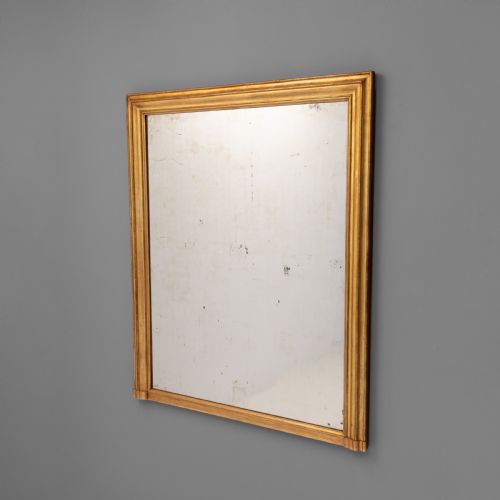
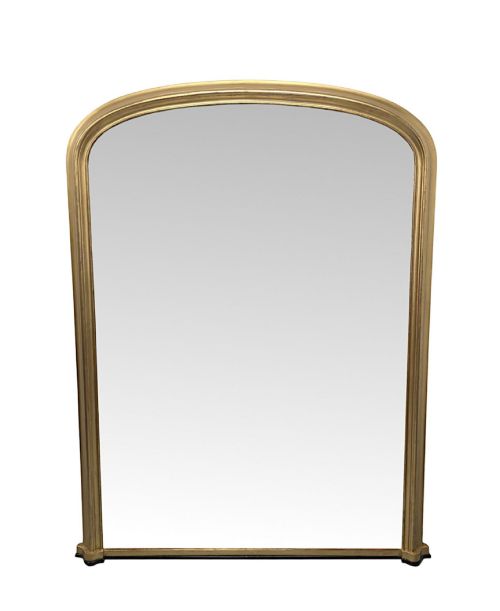
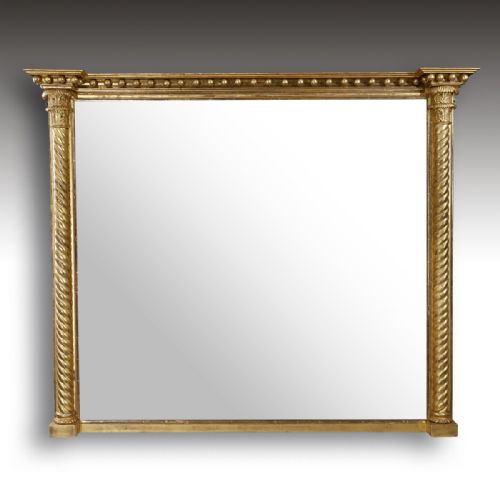
A gilded moulding frame brings architectural depth and reflected light to a room, framing art and mirrors across periods from the Georgian era to the Edwardian period.
Gilded Molding Frame
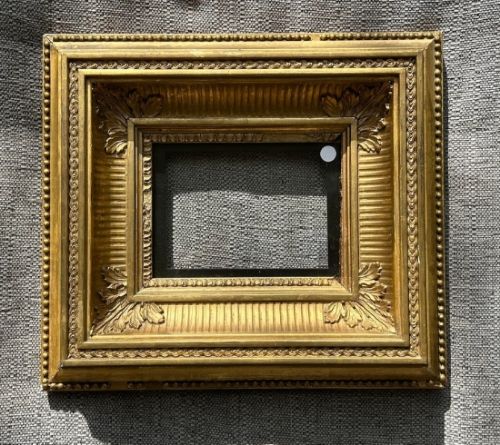
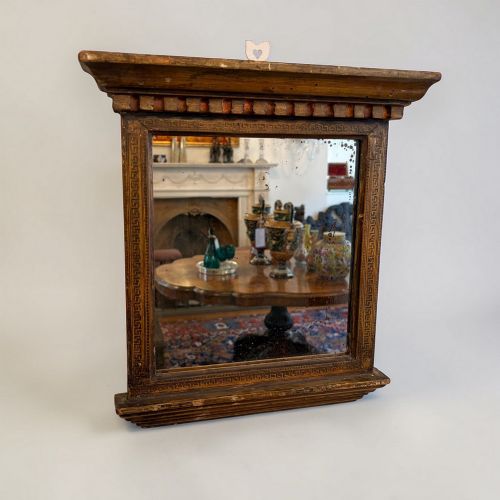
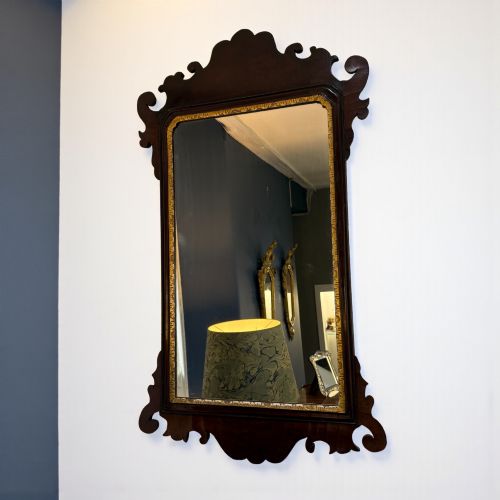
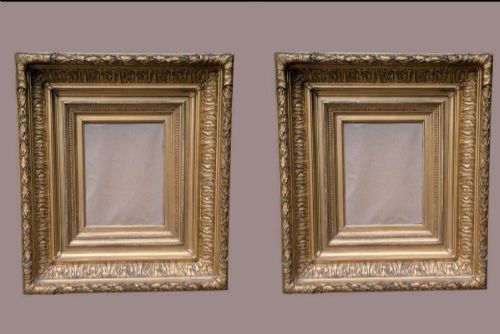
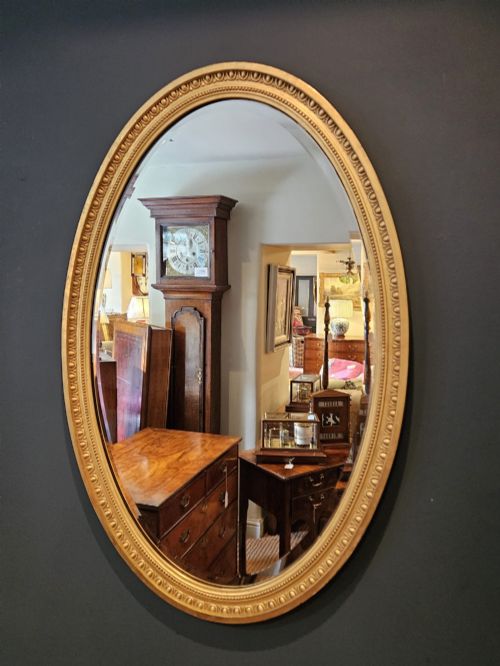
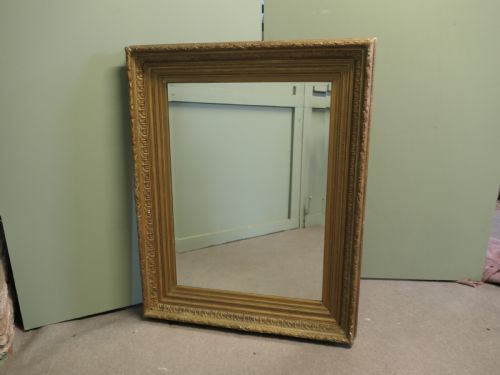
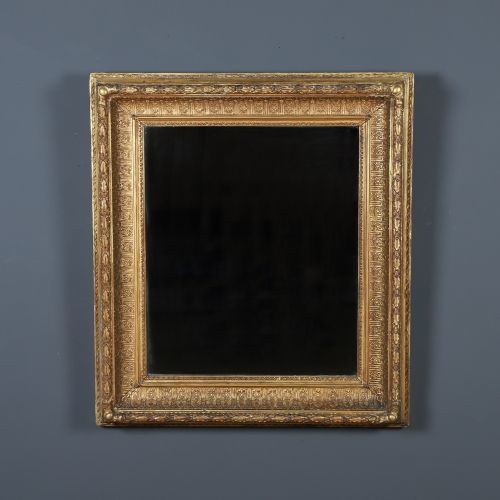
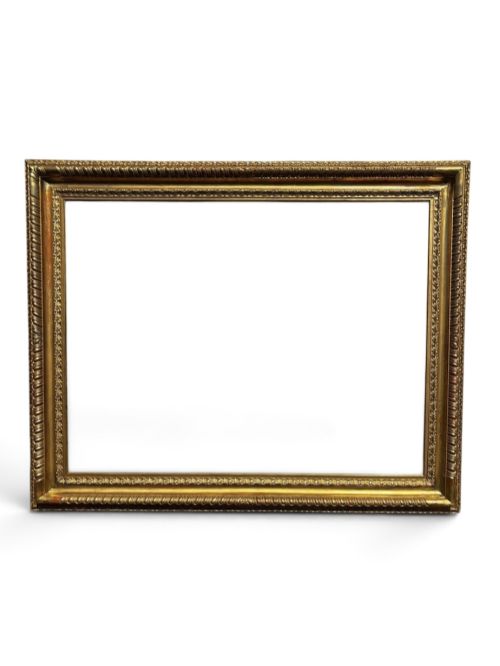
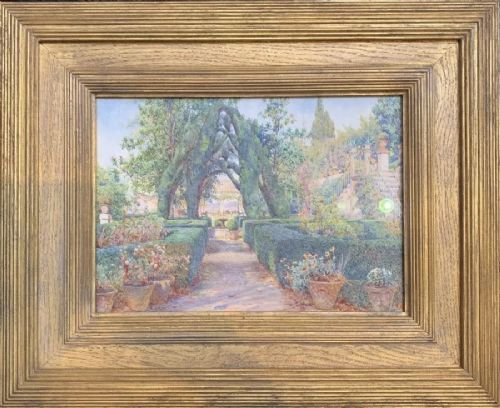
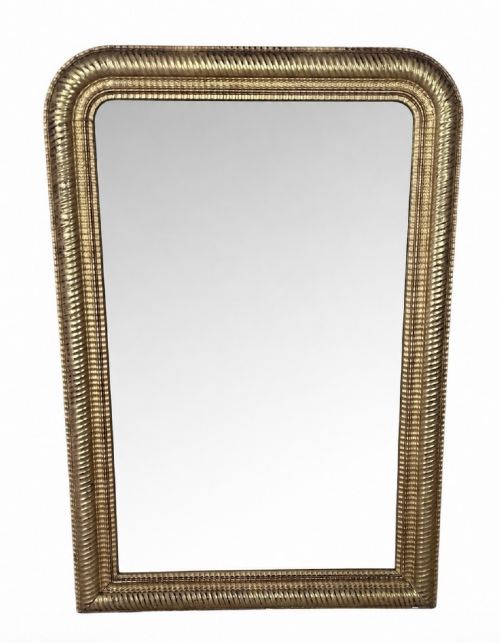
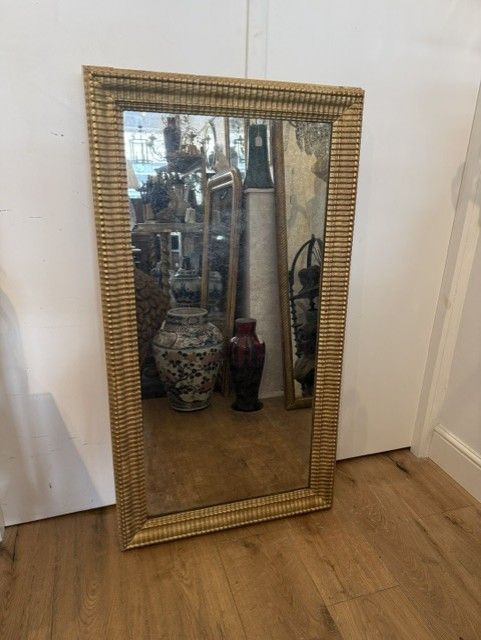
When you search for a gilded moulding frame, you encounter a selection of wall mirrors, picture frames, and framed artwork spanning several centuries. The pieces range from grand scale Regency circular mirrors to deep Victorian picture frames and tall French rectangular mirrors.
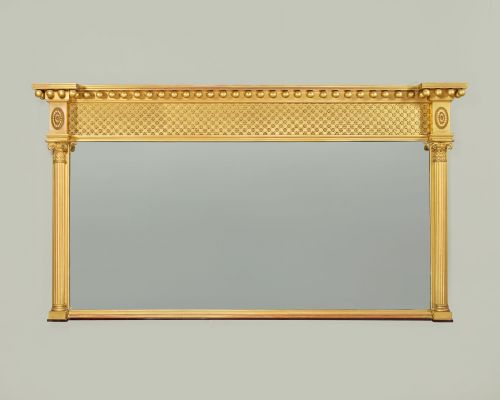
The most common forms on this page include Victorian gilt wall mirrors, overmantel mirrors, and 19th-century European style deep giltwood and gesso frames. These items vary from simple ripple frame mirrors to elaborate Neo-Classical and Art Nouveau style designs.
How they were made
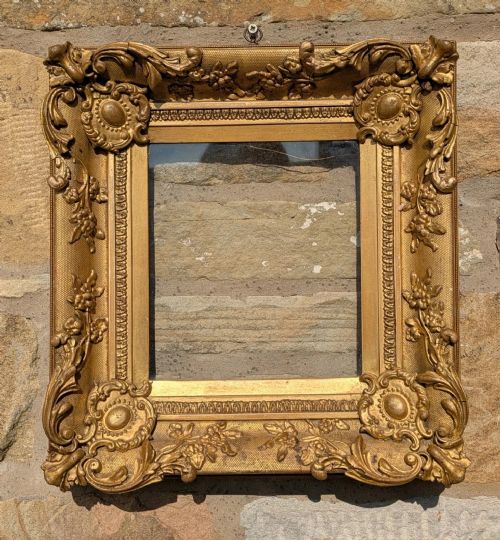
Makers constructed these frames primarily from wood such as pine and mahogany, often applying layers of gesso to build up intricate surface details and decorative mouldings. Artisans then applied gold leaf or gilt to the prepared wooden surfaces to achieve a luminous metallic finish.
Mirrors incorporated glass and mirror glass, occasionally featuring techniques like verre eglomise for decorative effect. The joinery and carving techniques reflect the specific stylistic demands of Georgian, Regency, Victorian, and Edwardian periods.
Gilded Molding Frame Retail Price Guide 2026
Typical asking prices for gilded molding frame among the pieces listed under this phrase on Sellingantiques today, from the lower quarter to the upper quarter. They describe what is for sale here now, not the wider market.
A four-foot circular mirror requires careful wall reinforcement unless you want your hallway decor to double as an indoor skate ramp.
What varies in quality
The depth and weight of the frame distinguish standard production from heavier, more substantial pieces. Deep Victorian gilt frames and grand scale circular giltwood mirrors demonstrate the ambition of the maker through their scale and substantial construction.
The integrity of the gilt surface and the crispness of the gesso mouldings separate superior examples from simpler ones. Fretwork precision on mahogany and parcel-gilt items or the preservation of original mirror glass further define the upper tier of these objects.
Ernest Arthur Rowe
The Gilded Molding Frame Glossary
- Giltwood
- Wood that has been coated with gold leaf or a gold-coloured substance. This material forms the primary structure of many classical frames and mirrors.
- Gesso
- A plaster-like mixture applied to wood to create a smooth surface for gilding or to be moulded into relief ornaments. It provides the crisp definition seen on ornate frame corners.
- Verre eglomise
- A cold decoration technique where an artist applies gilding and painting to the reverse side of glass. This method produces a mirror or panel with a reflective, metallic background.
- Parcel-gilt
- Woodwork that is only partially gilded, leaving portions of the underlying wood exposed to create contrast. This finish frequently appears on Georgian style mahogany pieces.
Gilded Molding Frame: Frequently Asked Questions
What is a gilded moulding frame used for?
These pieces serve primarily as decorative wall mirrors, overmantels for hallways and mantelpieces, or housings for fine artwork and paintings. Their reflective glass and metallic finishes help to brighten dark corners and visually expand interior spaces.
Historically, homeowners placed larger overmantel mirrors above fireplaces to bounce light from candles and fires around the room. Picture frames similarly protected valuable canvases while enhancing their visual impact through ornate borders.
How do I tell Victorian frames from Georgian ones?
Victorian frames often display heavy, deep mouldings with rich gesso decoration, sometimes incorporating Art Nouveau or Neo-Classical revival styles. They tend to feel substantial and heavy in the hand, reflecting the industrial and decorative confidence of the nineteenth century.
Georgian frames, by contrast, frequently utilise mahogany with parcel-gilt fretwork rather than heavy overall gilding. Their lines are typically lighter and more restrained, reflecting the balanced proportions of the eighteenth century.
Where should I hang an overmantel mirror?
An overmantel mirror traditionally hangs directly above a fireplace mantelpiece, anchored securely to the wall to support its weight. This placement creates a focal point in a reception room and reflects the opposite side of the space.
They also function effectively in large hallways or above sideboards, where their generous proportions can anchor a large wall. Ensure the hanging fixings match the heavy wooden and gesso construction of the frame.