





Gilded Metal Table Lamp
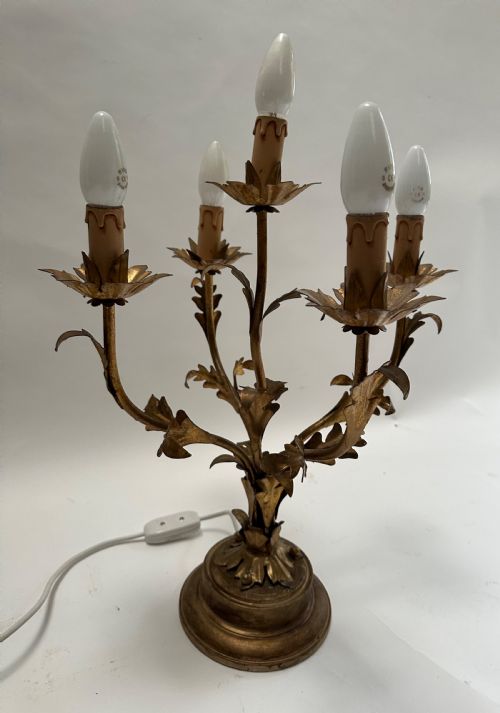
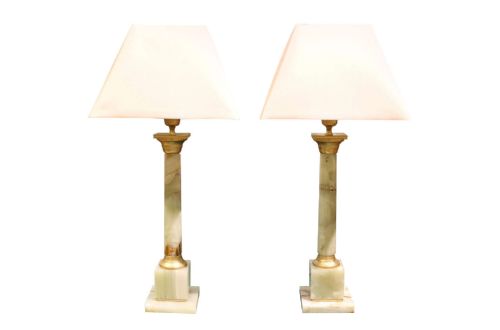
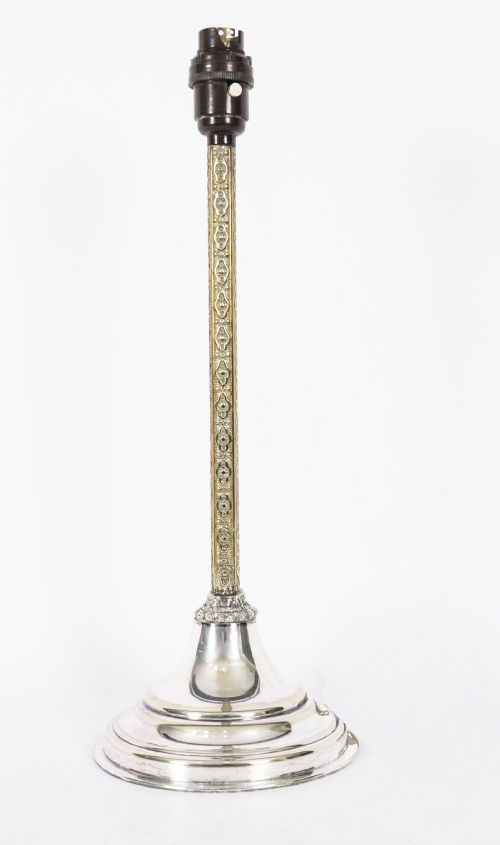
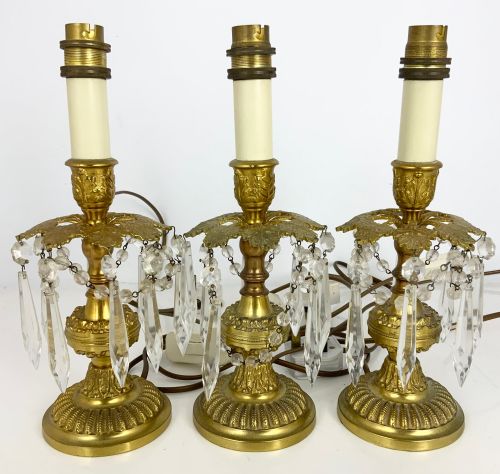
These gilded metal table lamp examples bring a warm, reflective glow and classical presence to a room, drawing the eye with their polished surfaces.
Gilded Metal Table Lamp
A gilded metal table lamp brings warm illumination and decorative weight to a room, drawing the eye with its reflective surface and detailed casting. When searching for a gilded metal table lamp, buyers encounter a variety of forms ranging from single decorative bases to elaborate pairs.
The selections span multiple eras, showing the enduring appeal of gilt finishes across Victorian, Edwardian, and mid-century interiors. Forms include column lamp bases, figural lamps featuring cherubs or ladies, and converted altar pieces that introduce a distinct architectural character.
Many examples incorporate secondary materials such as onyx, marble, glass, and fabric shades to complement the metallic structure. Origin styles frequently reflect French and Italian influences, from Neoclassical Revival to Art Nouveau and Hollywood Regency aesthetics.
How they were made
These lamps utilise a base structure of brass, bronze, spelter, or cast metal that receives a surface application of gilt through plating, ormolu, or leaf. The underlying metal provides the necessary weight and rigidity to support tall stems and fabric shades.
Decorative elements often involve intricate casting techniques, capturing fine details in foliage, figures, and architectural motifs. Secondary components like marble, onyx, and coloured glass are integrated securely into the metal framework to create contrasting textures.
Gilded Metal Table Lamp Retail Price Guide 2026
Typical asking prices for gilded metal table lamp among the pieces listed under this phrase on Sellingantiques today, from the lower quarter to the upper quarter. They describe what is for sale here now, not the wider market.
Several lamps feature cheerful cherubs and twin ladies holding up the light.
What varies in quality
The integrity of the gilt surface and the quality of the underlying metal dictate the visual longevity of the piece. Heavier bronze and brass foundations generally offer greater stability than lighter spelter alternatives.
Mappin & Webb
The Gilded Metal Table Lamp Glossary
- Ormolu
- Gilded bronze, typically produced by applying a mercury and gold amalgam to a bronze object and heating it to drive off the mercury. This technique creates a durable, warm metallic finish found on many finer antique pieces.
- Spelter
- A zinc alloy used as a less expensive substitute for bronze in decorative metalwork. It was commonly cast and painted or plated to imitate gilt bronze during the nineteenth and early twentieth centuries.
- Neoclassical Revival
- A style drawing inspiration from classical antiquity, featuring symmetrical designs, columns, and refined ornamentation. It appears frequently in the architectural detailing of column table lamps.
- Art Nouveau
- An artistic movement characterised by flowing, organic lines and natural motifs such as plants and flowers. Pieces in this style often incorporate dynamic figural elements.
- Candelabra
- A branched candlestick holder that was frequently adapted later in life to serve as an electric lamp base. These conversions retain their original sculptural branch work.
Gilded Metal Table Lamp: Frequently Asked Questions
Are these lamps newly wired?
Electrical setups on period lighting vary considerably, with many pieces retaining older wiring or having undergone updates at different times in their history.
Buyers should inspect the internal components and consult a qualified electrician to ensure safety and compliance with current standards before daily use.
How do I clean a gilt surface?
Gilded metal requires gentle maintenance to preserve the delicate gold layer without causing abrasion or stripping the finish. Light dusting with a soft, dry cloth is usually sufficient for routine care, avoiding harsh chemical polishes entirely.
Can I replace the lampshade safely?
Shades can be swapped to suit interior schemes, provided the fitting matches the harp or bulb holder configuration of the individual base. Proportions matter greatly when pairing a shade with an ornate antique lamp to maintain visual balance.
What periods do these lamps represent?
The selection encompasses items from the nineteenth century through to the mid-twentieth century, capturing shifts in domestic lighting design. Victorian and Edwardian examples often feature heavier classical forms, while later twentieth-century pieces lean towards streamlined or revival styles.