



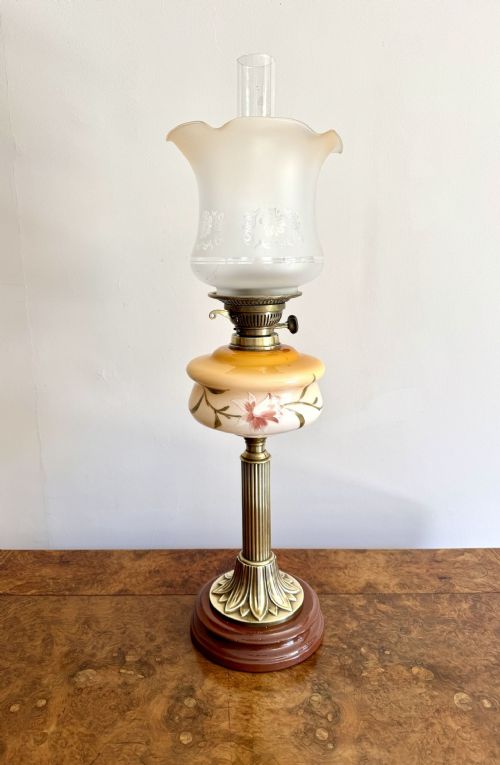


Brass Floral Table Lamp
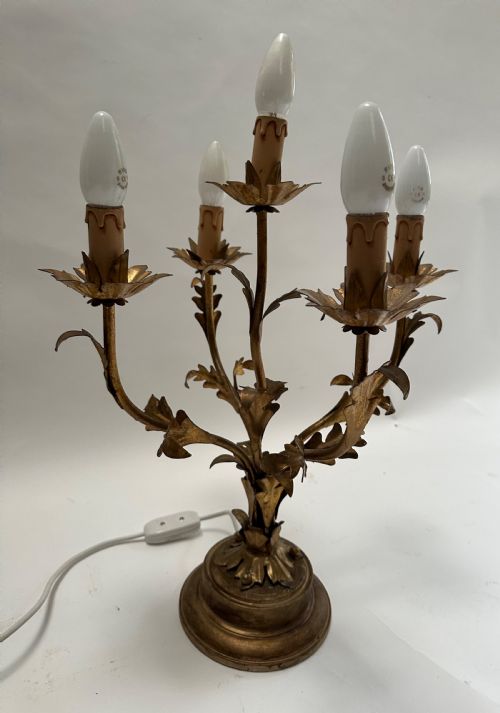
A brass floral table lamp brings warm light and botanical charm into a room, combining solid metalwork with delicate painted or shaped blooms.
Brass Floral Table Lamp
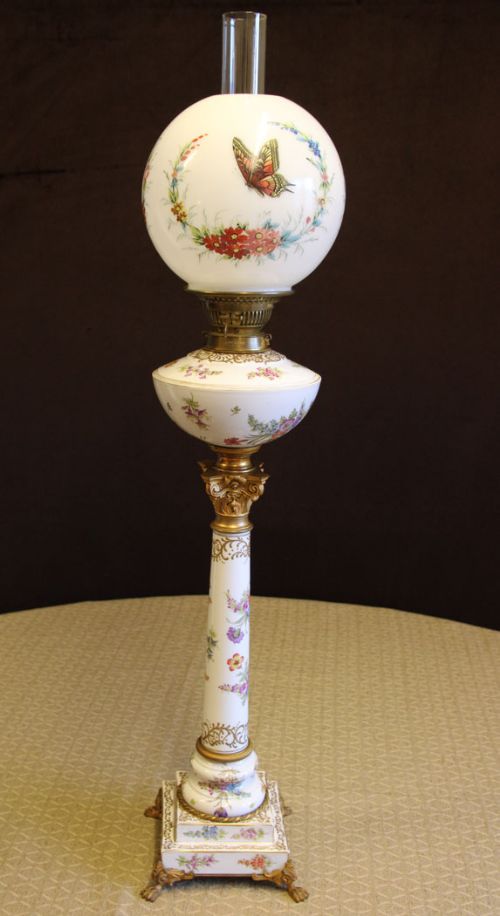
A brass floral table lamp is a lighting fixture that unites metal construction with plant motifs, drawing on Victorian, Edwardian, and early twentieth-century designs. These pieces often adapt traditional oil lamps or porcelain vases into wired lights, carrying hand-painted floral fonts or sculpted shades.
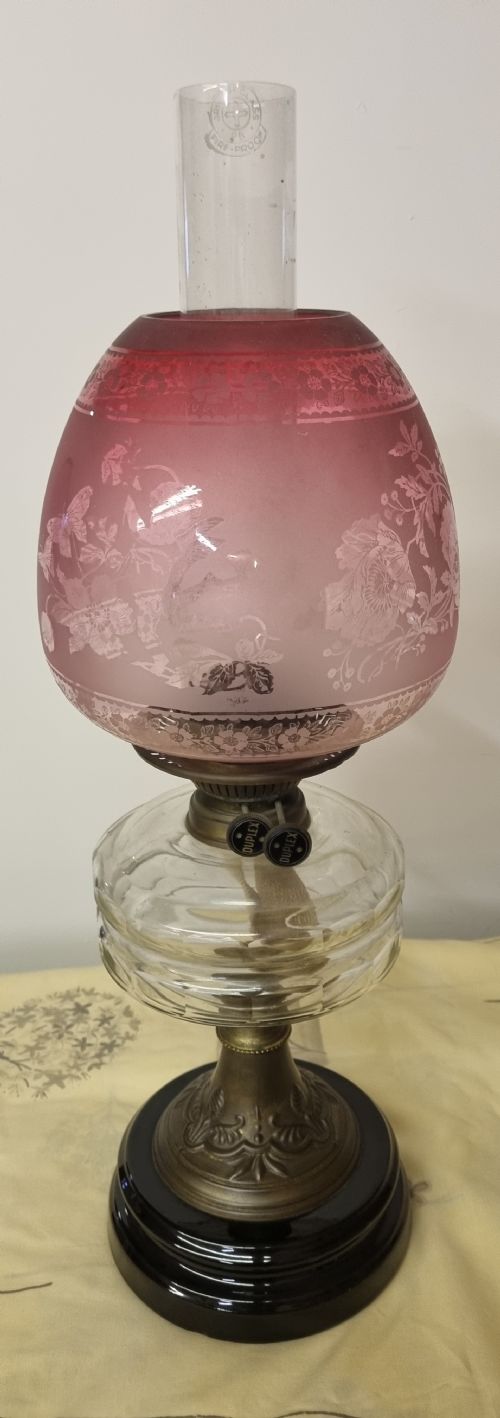
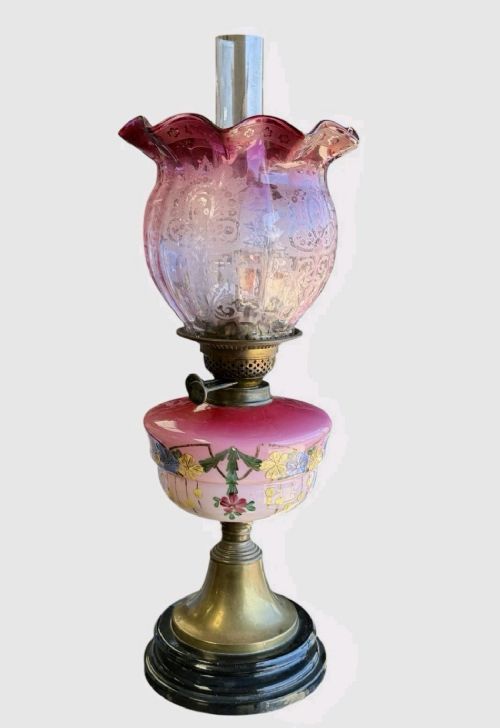
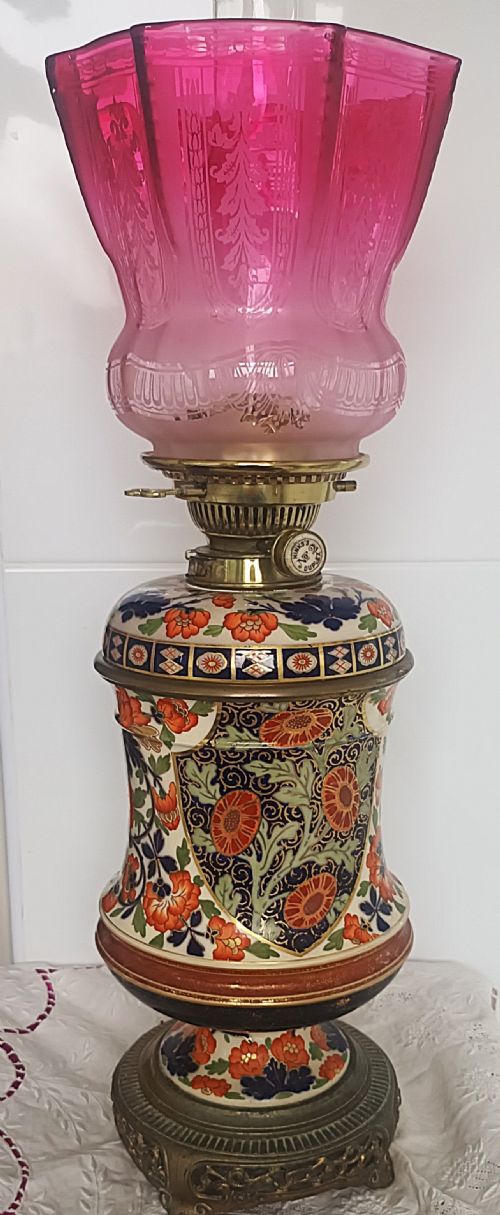
The version most commonly met on this page is the nineteenth-century or early twentieth-century oil lamp conversion, frequently paired with cranberry glass or decorated porcelain. Alongside these sit Chinese cloisonné and Japanese styles that incorporate floral enamel work into the body.
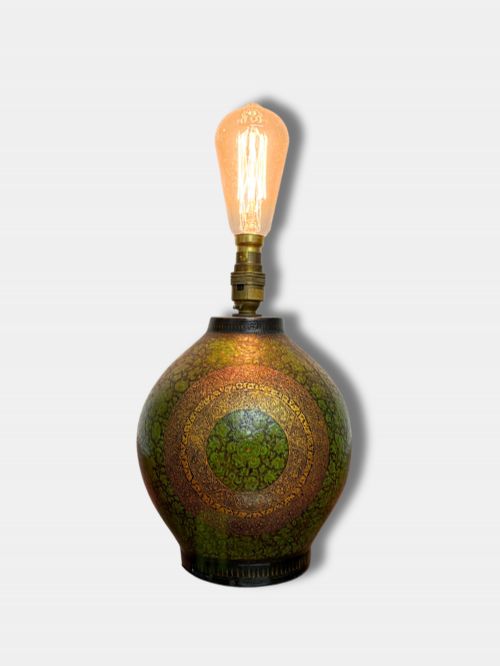
Makers and manufacturers utilised diverse regional aesthetics, ranging from English ceramic collaborations to Kashmiri gilt and green surface treatments. The core identity of these lamps remains their floral ornamentation set against a brass or gilt foundation.
How they were made
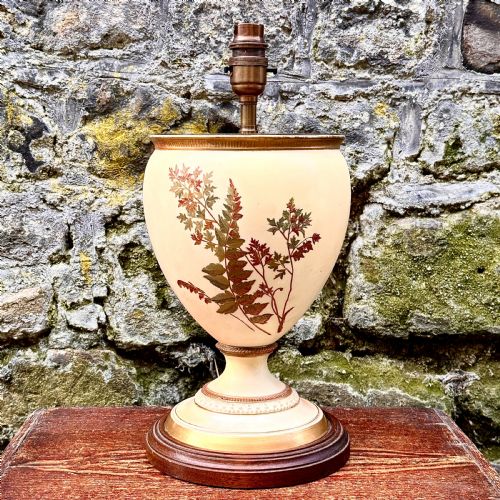
Makers constructed the structural bodies of these lamps primarily from cast and spun brass, often combining heavy metal bases with ceramic, glass, or enameled reservoirs. Porcelain components from factories like Royal Worcester or Sitzendorf provided smooth surfaces for delicate hand-painted flower arrangements.
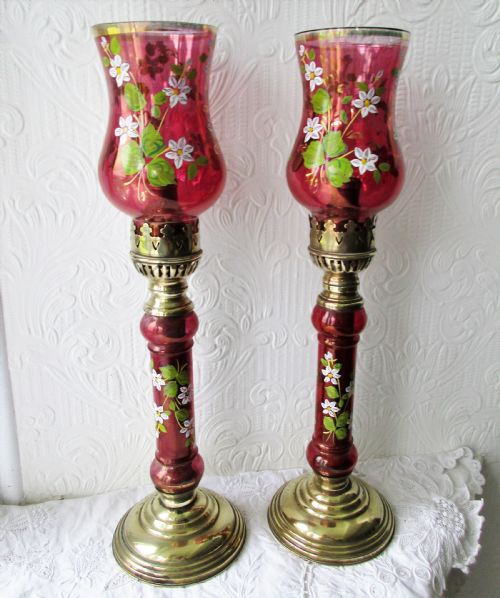
Glass techniques included cranberry glassblowing and frosted treatments to diffuse light softly across coloured floral patterns. Cloisonné and enamel work involved soldering fine wire partitions onto a metal base before filling the compartments with coloured pastes and firing them.
Many examples began life as paraffin or oil lamps before later conversion to electricity, retaining their original burners, chimneys, or decorative collars. Wood and satinwood appear occasionally in related occasional furniture, but the primary lighting pieces rely entirely on metal and fired minerals.
Brass Floral Table Lamp Retail Price Guide 2026
Typical asking prices for brass floral table lamp among the pieces listed under this phrase on Sellingantiques today, from the lower quarter to the upper quarter. They describe what is for sale here now, not the wider market.
Materials span heavy cast brass, cloisonne enamel, and fine ceramics originating from English, French, and Chinese workshops.
What varies in quality
The standard of a lamp rests upon the crispness of its brass casting and the execution of its painted or enameled decoration. Finer pieces display hand-painted botanical details with distinct shading, whereas simpler production relies on printed transfers or plain metalwork.
Proportion and weight differentiate robust pieces from lighter alternatives, with heavier brass bodies and substantial glass fonts commanding greater presence. The integrity of the original components, such as matching burners or intact cranberry glass shades, alters the overall character.
Royal Worcester·Sitzendorf·Hinks·Taylor Tunnicliff
The Brass Floral Table Lamp Glossary
- Font
- The oil reservoir of a lamp, often made from coloured glass or painted porcelain. It sits above the heavy brass base and holds the fuel or conceals internal wiring.
- Cloisonné
- An ancient enamelling technique where metal wire creates small compartments on a vase or lamp body. These cells are filled with coloured enamel pastes and fired to form floral patterns.
- Cranberry glass
- A rich pinkish-red glass produced by adding gold chloride to the molten mixture. It frequently appears in Victorian lamp shades and fonts.
- Baluster
- A moulded architectural shape resembling a pillar, often seen in the ceramic or brass stems of table lamps. This profile tapers gracefully toward the top.
- Royal Worcester
- A celebrated English porcelain manufacturer known for producing high-quality decorative bodies and hand-painted floral wares. Their pieces frequently form the central columns of period table lamps.
Brass Floral Table Lamp: Frequently Asked Questions
What is a brass floral table lamp?
A brass floral table lamp is a decorative lighting piece that combines metal mounts with plant-inspired motifs, often utilising glass, porcelain, or enamel.
Many examples originate from nineteenth-century oil lamps that have been adapted for modern electrical use while preserving their original decorative fonts and shades.
How do I date an old brass lamp?
Dating relies on examining the manufacturing techniques, the style of the brass casting, and the materials used in the font or shade. Victorian and Edwardian pieces often display distinct registration marks, burner types, or hand-painted ceramic signatures.
Constructive details like threaded metal collars and hand-blown glass also provide strong clues to a piece's production era.
Were these lamps always electric?
Almost none of the older pieces started life with electrical wiring, as they were originally designed to burn paraffin or oil using a wick and burner.
Most period lamps found today have been carefully converted to electricity at a later date, though many retain their original burners and decorative galleries for authenticity.
How do I clean an antique brass lamp?
Cleaning requires a gentle approach to preserve the aged patina that accumulates on nineteenth-century brass over decades of handling. Harsh metal polishes should be avoided, particularly near hand-painted porcelain or delicate enamel work.
A soft, dry cloth is usually sufficient to remove dust without stripping the character from the metal.