



Gilded Metal Figure
When you handle a gilded metal figure, you touch centuries of foundry craft that turned bronze, spelter and brass into lasting presence.
Gilded Metal Figure
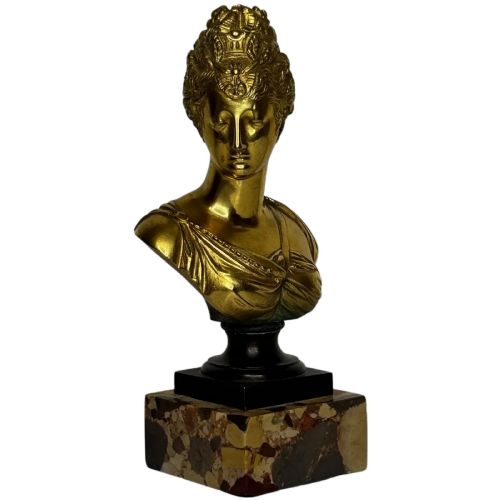
A gilded metal figure brings sculptural presence and metallic lustre into a room, taking forms that range from classical deities to Art Deco dancers. When you search for a gilded metal figure, you encounter works cast in bronze, spelter and brass, often mounted on marble or onyx bases.
Nineteenth century examples dominate the selection, spanning Victorian pieces, French neoclassical mantel clock garnitures, and Grand Tour souvenirs. You also meet earlier works, including 16th century bronze Buddhas and Javanese gold gilded statuettes.
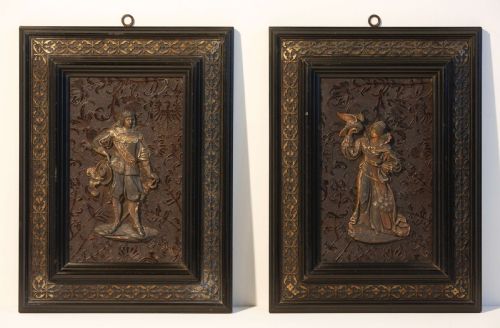
The objects serve diverse functions beyond pure sculpture, appearing as lamp figures, clock garnitures, wall plaques and ink-stand components. Figures of Diana, Napoleon, and local harvesters demonstrate the broad narrative scope captured by these metal founders.
Quality and Execution
The integrity of the gilding and the harmony between the metal figure and its stone or wood plinth dictate overall refinement. Heavy marble and onyx bases matched securely to the bronze or spelter sculpture indicate a higher tier of production.
A cast brass eagle from a private collection shares space with bronze skiers, temple lions, and Napoleon Bonaparte.
Bruno Zach·Jean Jacques Pradier·Charlotte Monginot·Edme Samson Of Paris
The Gilded Metal Figure Glossary
- Ormolu
- Gilt bronze decoration applied to furniture, clocks and decorative objects. This technique involves coating bronze with a finely ground mercury and gold amalgam before heating.
- Spelter
- A zinc alloy commonly used as a cost-effective substitute for bronze in nineteenth century figure casting. It takes patination and gilding well, though it is softer than true bronze.
- Grand Tour
- A cultural journey undertaken by wealthy young Europeans in the eighteenth and nineteenth centuries to study classical art. Souvenirs included small bronze figures of ancient deities and heroes.
- Shabti
- A small funerary figurine placed in ancient Egyptian tombs to act as a servant for the deceased in the afterlife. Examples appear cast in bronze and mounted on plinths.
Gilded Metal Figure: Frequently Asked Questions
How do I clean a gilded metal figure?
Dust the surface gently with a soft, dry brush to remove accumulated particles without disturbing the metallic finish.
Avoid using water, chemical solvents, or abrasive polishes, as these substances can strip away fragile gilding or damage underlying patination.
What is the difference between bronze and spelter?
Bronze is a robust copper alloy that accepts fine chiselling and holds sharp detail through centuries of handling.
Spelter is a zinc-based metal that feels lighter and softer, often utilised for decorative figures during the later nineteenth and early twentieth centuries.
How do I date a metal figure?
Examine the casting quality, the style of the mounting base, and any foundry marks or signatures stamped into the metal.
Stylistic cues such as Neoclassical drapery or Art Deco geometry provide strong indicators of the period in which the piece was produced.
Where were these figures displayed historically?
Gilded figures were placed on mantelpieces, desks, and side tables as centrepieces of interior decoration in prosperous homes.
Clock garnitures positioned them alongside matching candelabra to create a balanced display across drawing room chimney breasts.