





Gilded Library Table
These gilded library table pieces offer grand study surfaces adorned with gold leaf and ormolu mounts.
Gilded Library Table
A gilded library table serves as a substantial writing surface or centre table within a study or principal room, finished on all sides for freestanding placement. Buyers seeking this phrase encounter various nineteenth-century interpretations including Victorian, William IV, Regency, and French Empire styles.
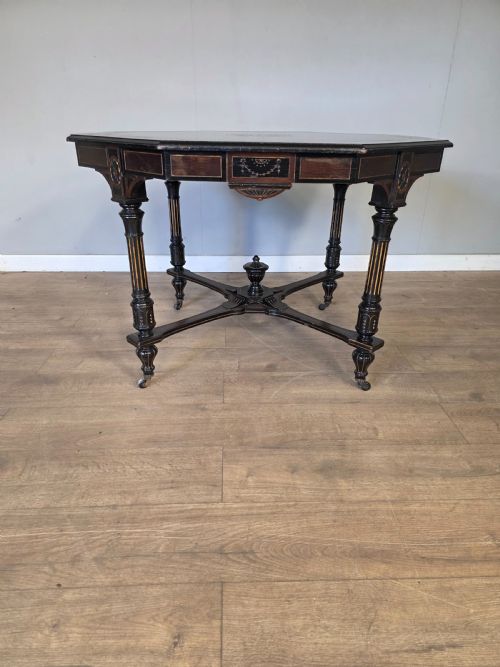
The physical forms on this page include centre tables, writing desks, bureaus plats, and side tables designed with decorative gilding. Many examples combine rich timbers such as mahogany, walnut, and ebonised wood with contrasting metallic ornamentation.
Origins span English workshops and French ateliers, bringing together classical revival motifs and refined cabinetry. These furnishings bridge the gap between practical workspace and decorative centrepiece.
How they were made
Cabinetmakers utilised dense hardwoods including mahogany, satinwood, and burr-walnut as structural foundations, often applying veneers and intricate marquetry inlays. Ebonised timber provides a dark, uniform surface that enhances applied metallic details.
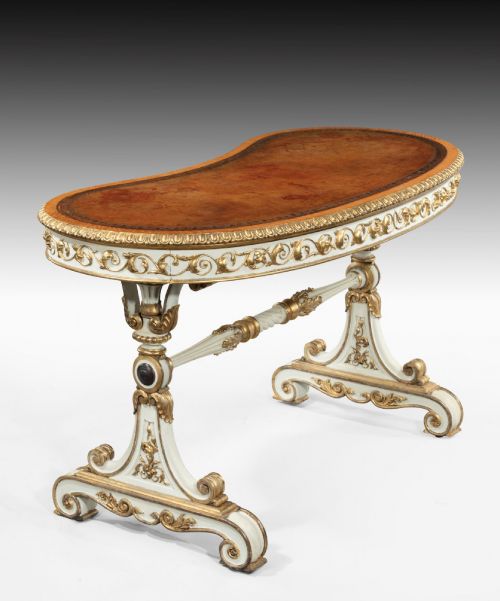
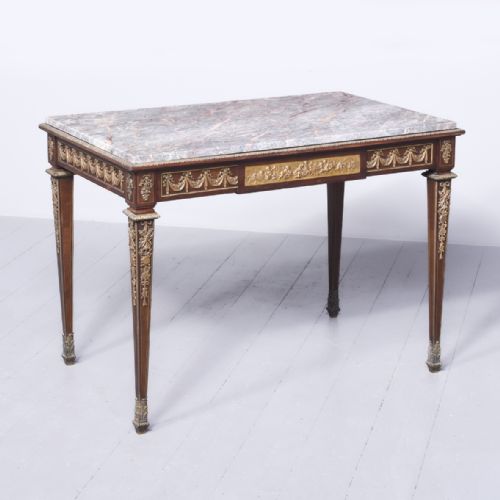
Gilding techniques involve applied giltwood carvings or cast ormolu mounts fixed to the timber framework. Ormolu components introduce polished brass details, while marble tops and leather writing inserts complete the upper surfaces.
Gilded Library Table Retail Price Guide 2026
Typical asking prices for gilded library table among the pieces listed under this phrase on Sellingantiques today, from the lower quarter to the upper quarter. They describe what is for sale here now, not the wider market.
Listings feature nineteenth-century periods including Victorian, William IV, and Regency eras alongside French Empire and Louis XVI styles.
What varies in quality
Quality differentiates through the precision of the timber joinery and the crispness of the cast ormolu mounts. Finer examples display meticulously chased metalwork and well-figured wood veneers that wrap seamlessly around the frame.
The integrity of the gilding and the harmony between timber and applied ornament dictate the overall visual weight. Superior items maintain balanced proportions across freestanding designs intended for prominent room placement.
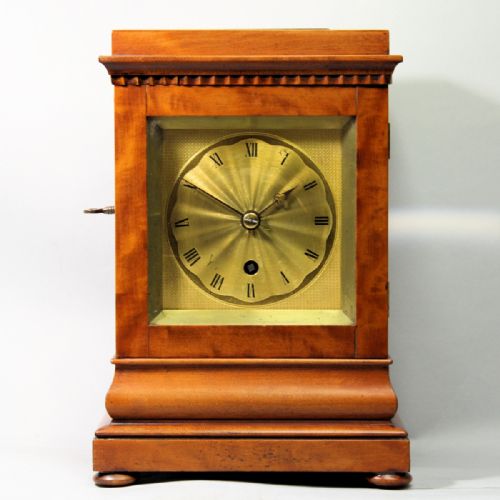
SAMUEL MARTI CLOCK
The Gilded Library Table Glossary
- Ormolu
- Gilded bronze or brass mounts applied to furniture. This technique gained widespread use in French and English cabinetmaking during the nineteenth century.
- Giltwood
- Timber carved and coated with gold leaf or powder. It provides decorative contrast against darker woods such as mahogany and ebonised timber.
- Bureau Plat
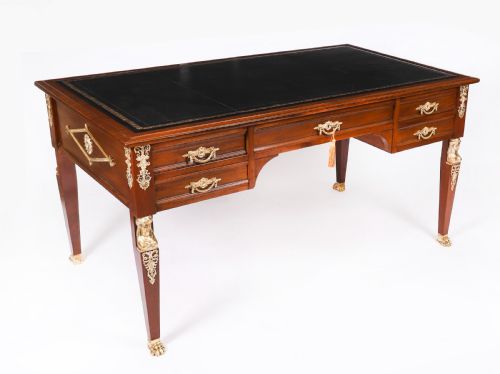
- A freestanding writing table fitted with drawers and finished on all sides. Originating in France, these desks often feature leather writing surfaces and metal mounts.
- Centre Table
- A piece designed to stand away from walls and be viewed from all angles. These tables frequently occupy the middle of a grand room or library.
Gilded Library Table: Frequently Asked Questions
Where should a centre table go?
A centre table stands in the middle of a room rather than against a wall. Because these pieces are finished on all sides, they function well in open spaces and large hallways.
Positioning one away from walls allows the carved details and ormolu mounts to be seen from every angle. Ensure adequate clearance around the piece for movement.
How do I identify a bureau plat?
A bureau plat is a flat-topped writing table featuring drawers beneath the surface and finished backs. They were designed for central placement in studies.
Many examples include inset leather writing surfaces and cast metal mounts along the drawer edges and legs.
What is giltwood?
Giltwood is timber that has been coated with thin sheets of gold leaf or gold powder. It provides a bright decorative finish against dark wood frames.
Cabinetmakers utilised this technique on carved mouldings and table legs to catch the light within formal rooms.
How do I care for leather desk inserts?
Leather writing surfaces require gentle cleaning with a dry or slightly damp cloth. Avoid harsh chemicals that can dry out the material.
Keep these tables away from direct sunlight and heat sources to preserve the condition of both the leather and the surrounding timber.