
Gilded Hall Lighting
Gilded hall lighting brings immediate warmth and historical weight to an entranceway through richly surfaced metals and clear glass panels.
Gilded Hall Lighting
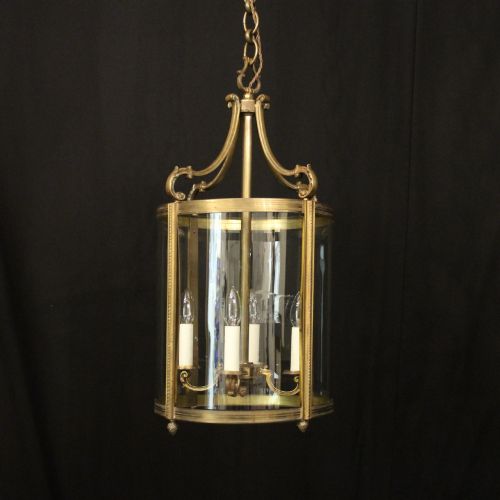
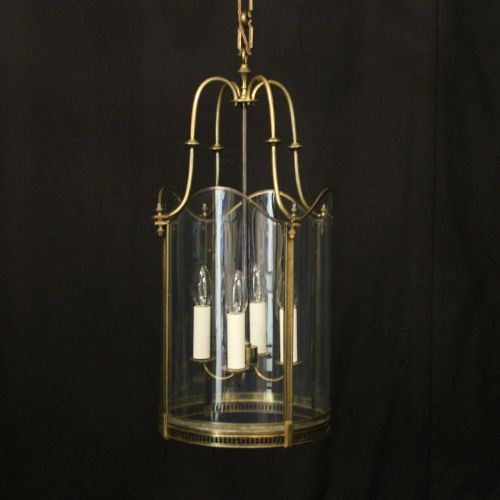
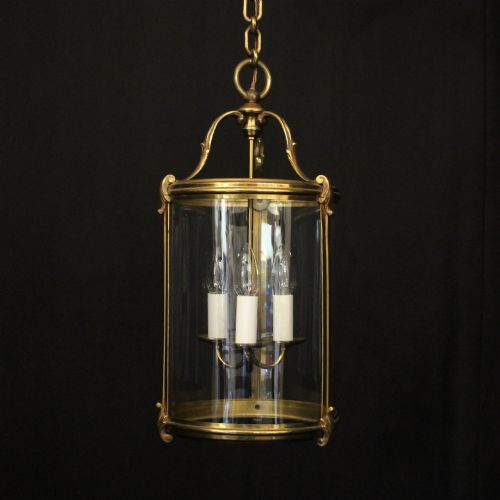
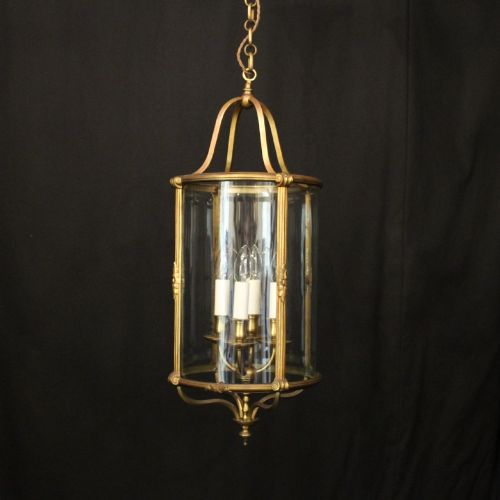
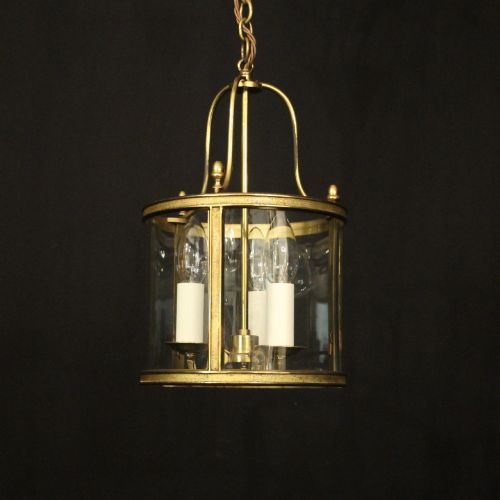
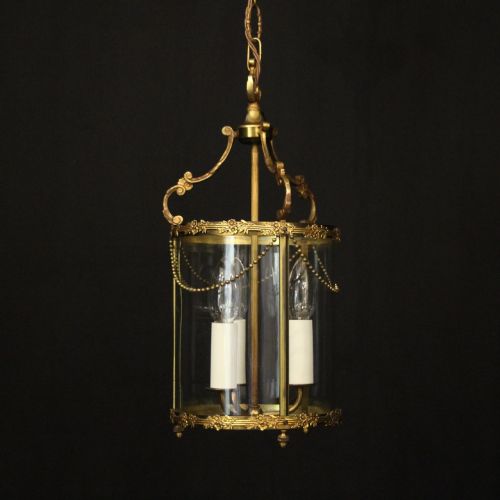
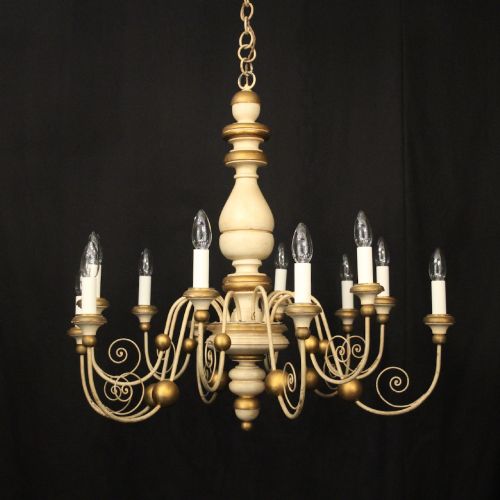
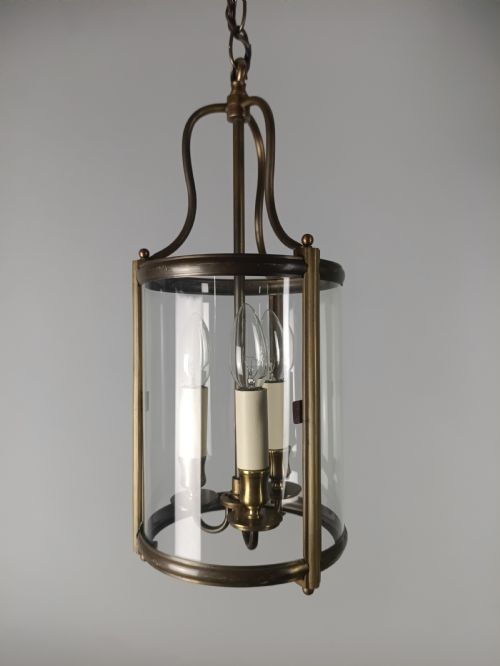
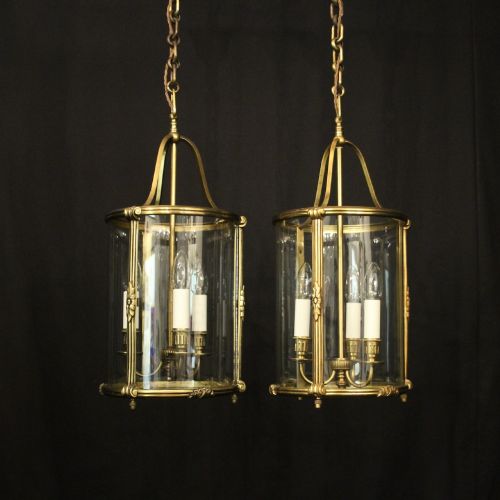
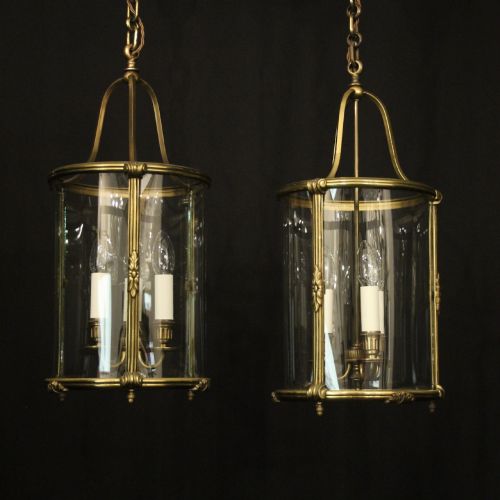
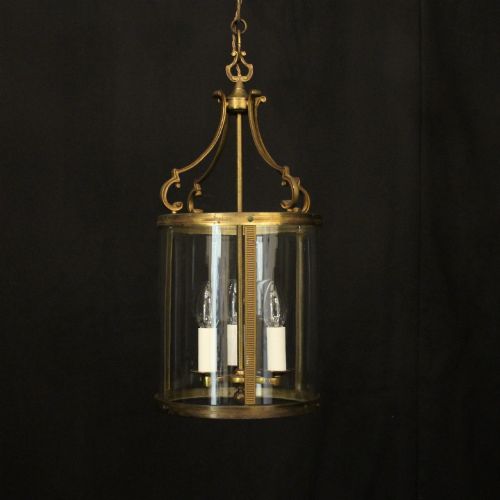
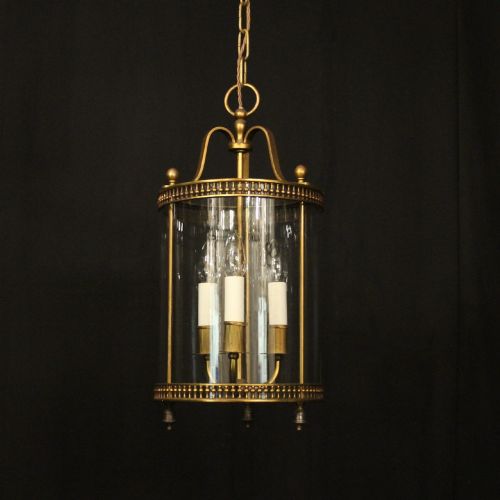
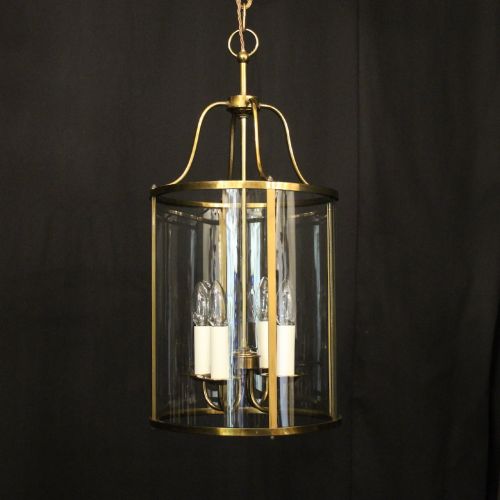
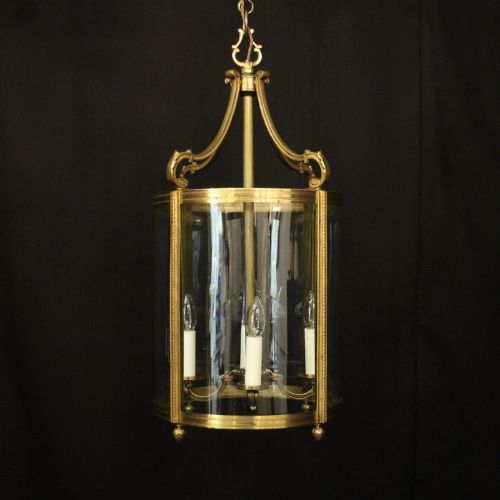
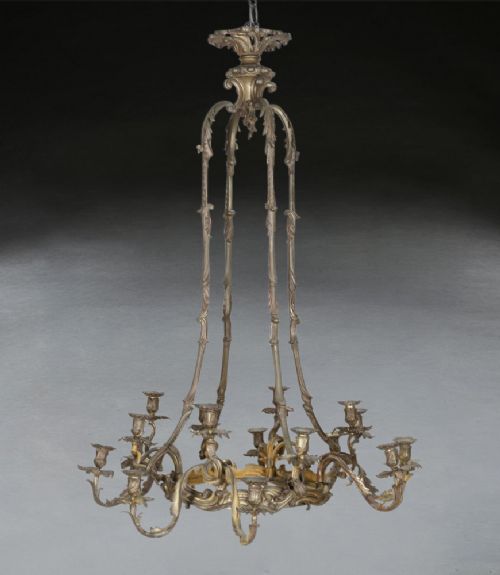
When you search for gilded hall lighting, you encounter statement pieces designed to illuminate grand corridors and stairwells. The selection is dominated by French lanterns and chandeliers dating from the nineteenth and early twentieth centuries, particularly the nineteen-twenties.
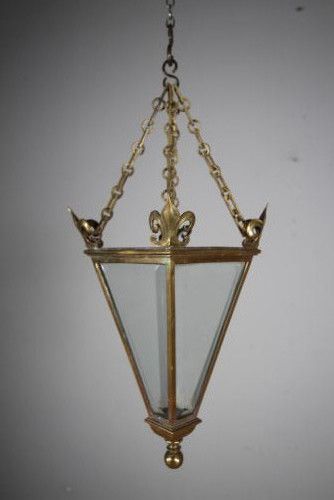
These fixtures take the form of hanging lanterns, pendant lights, and multi-light ceiling fixtures executed in styles ranging from French Rococo and Louis XVI to Gothic and Arts and Crafts. Most pieces rely on a convex or hexagonal glass body suspended centrally, housing multiple internal bulb sockets.
Originating largely from French workshops, alongside English and Italian examples, these fixtures were created to project an air of formal reception. Their presence immediately establishes period character in a domestic hallway.
Distinctions in Quality
The calibre of a piece rests fundamentally upon the depth and refinement of its metalwork and casting. Superior examples display crisp chasing on gilded bronze or ormolu, whereas simpler items utilise plain brass or cast iron with flatter surface treatments.
Glass selection introduces another division, separating standard flat panes from heavily bevelled or smoothly blown convex glass. The thickness of the glass and the complexity of its curvature dictate the play of light within a space.
Scale and proportion separate standard domestic models from monumental architectural examples. Larger fixtures require heavier internal framing and more complex multi-light configurations to balance their physical presence.
Several French lanterns bear the stylistic echoes of Versailles, proving that grand palace aesthetics make surprisingly good company for a suburban hallway.
The Gilded Hall Lighting Glossary
- Gilded Bronze
- Bronze metal coated with a thin layer of gold leaf or applied gold powder. This finish prevents oxidation while providing a rich metallic sheen.
- Ormolu
- Finely ground high-carat gold-mercury amalgam applied to a bronze object. The technique produces a deep, durable golden lustre characteristic of high-status French pieces.
- Convex Glass
- Glass panes curved outward to form a rounded profile. This shape disperses internal light more widely across a hallway.
- Bevelled Glass
- Glass panels possessing an angled edge cut around the perimeter. The angled border refracts light into decorative spectral colours.
- Giltwood
- Timber, often carved wood, treated with a preparatory gesso layer before receiving gold leaf. It offers the appearance of solid gold while remaining structurally lighter.
Gilded Hall Lighting: Frequently Asked Questions
How do I choose the right size lantern?
Selecting the correct proportion depends upon the ceiling height and floor area of your entrance hall. Large monumental fixtures overwhelm modest spaces, while small lanterns disappear in vast rooms.
Consider the vertical drop of the ceiling and ensure sufficient clearance for passage below the hanging point. The diameter of the lantern should relate harmoniously to the width of the corridor.
Were these lights originally electrified?
Most pieces originating from the nineteenth and early twentieth centuries were adapted from candle or gas lighting to electricity. Many retain multiple internal bulb holders configured during subsequent decades.
Wiring standards require professional inspection and updating to meet modern safety compliance. The conversion process typically preserves the original external metalwork and glass components.
How do I clean gilded bronze?
Maintenance requires gentle dusting with a soft, dry cloth to prevent the accumulation of grime on the metal surface. Avoid abrasive cleaners, harsh chemicals, and aggressive polishing that strips the delicate gold layer.
Glass panels can be removed or cleaned in situ using standard glass cleaner applied sparingly. Take care to keep moisture away from vintage wiring and structural joints.
What is the difference between ormolu and gilded brass?
Ormolu involves mercury gilding applied specifically to cast bronze, yielding a rich, saturated golden appearance characteristic of French decorative arts. Gilded brass represents a less costly alternative utilising brass as the base metal.
Bronze permits sharper casting details and heavier structural integrity compared to brass. You can distinguish them by the weight and the crispness of the ornamental relief.
How do I date a hall lantern?
Dating relies on stylistic markers, manufacturing techniques, and material combinations recorded across the nineteenth and twentieth centuries. Victorian and Edwardian pieces often reflect Gothic Revival or heavy classical influences.
Later pieces from the nineteen-twenties and thirties lean towards streamlined French forms. Examining the construction of the metal frame and the fastening of the glass panels provides further chronological clues.