
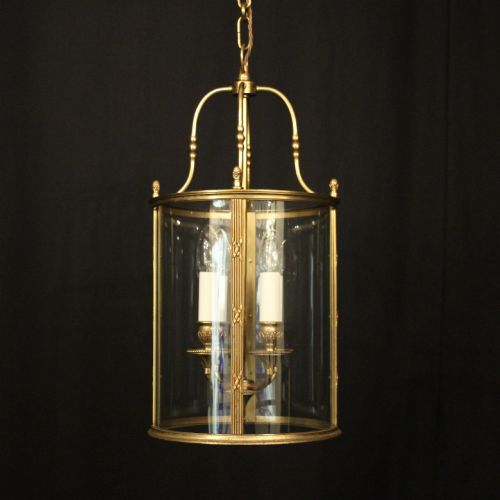
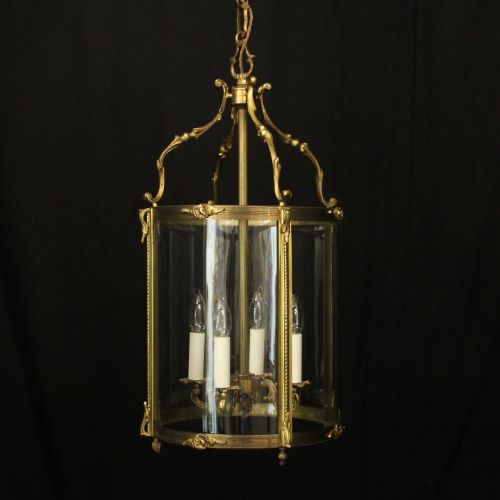
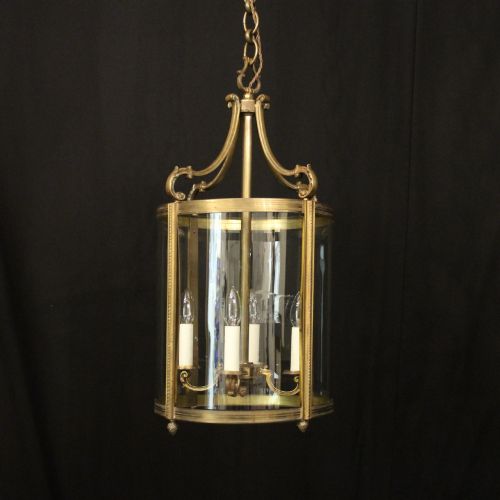
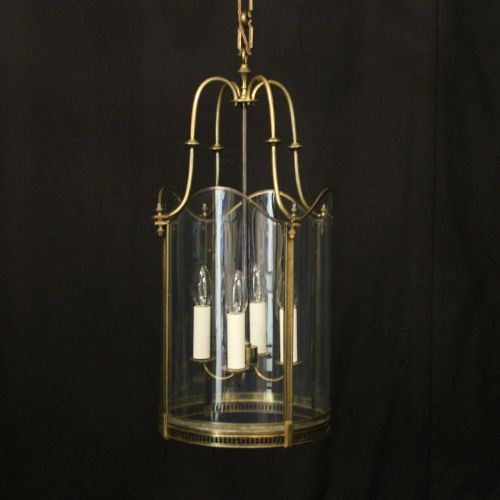
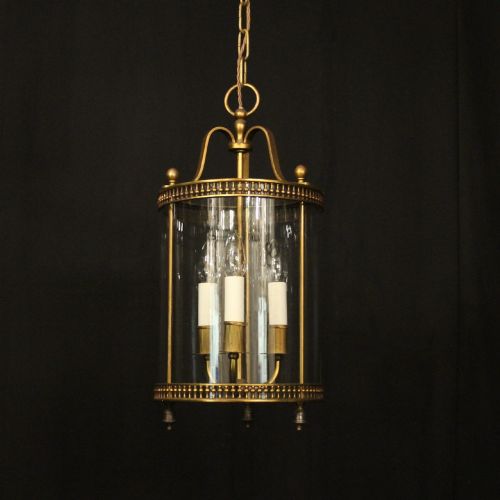
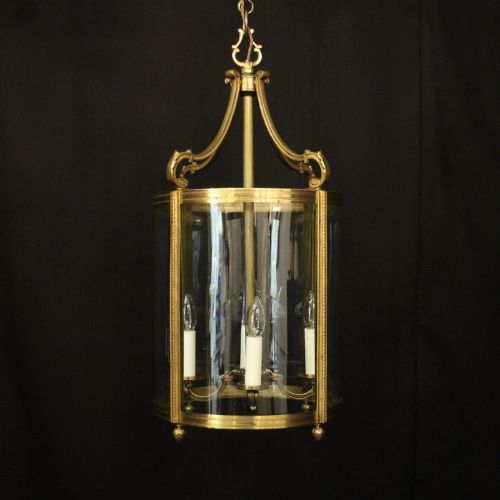


Gilded Glass Lantern
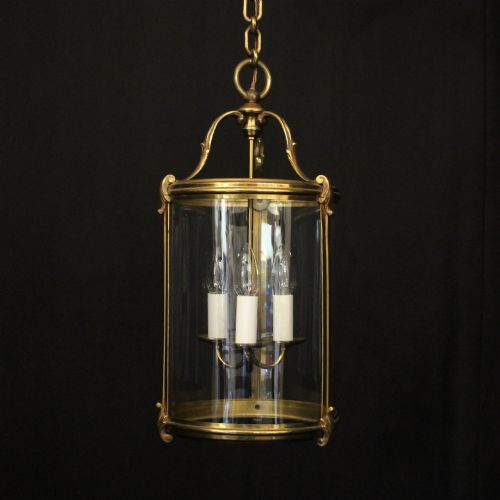
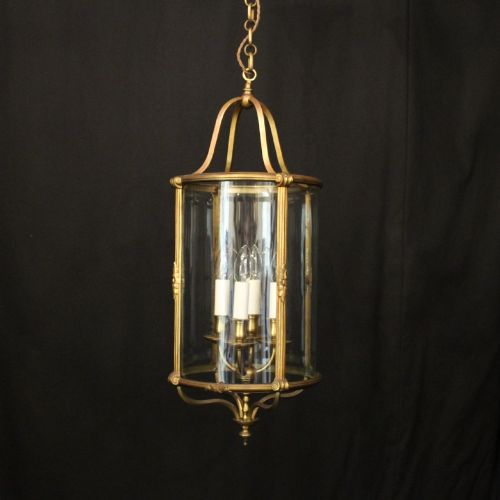
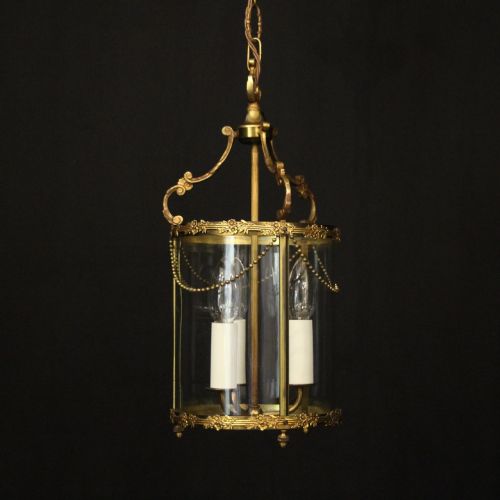
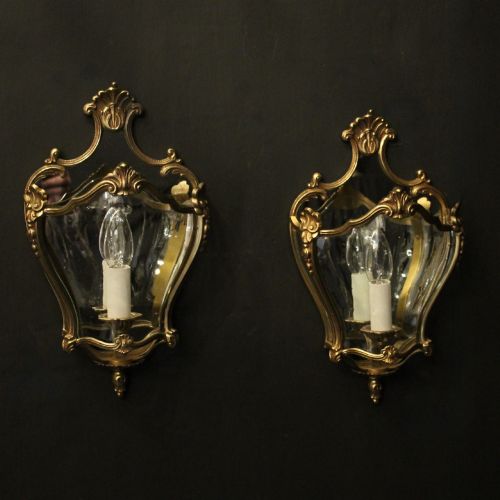
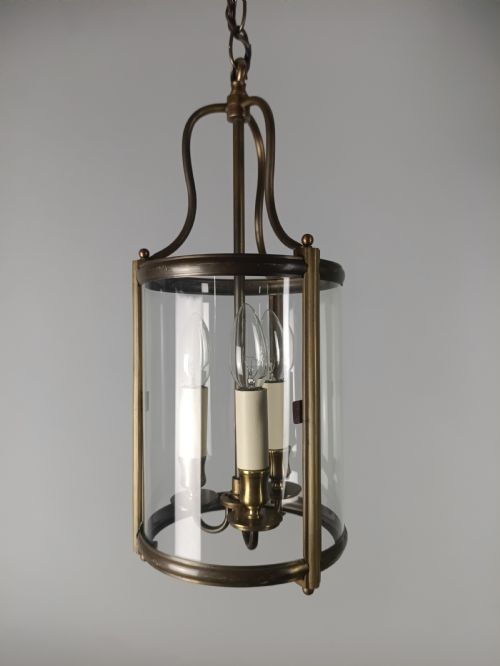
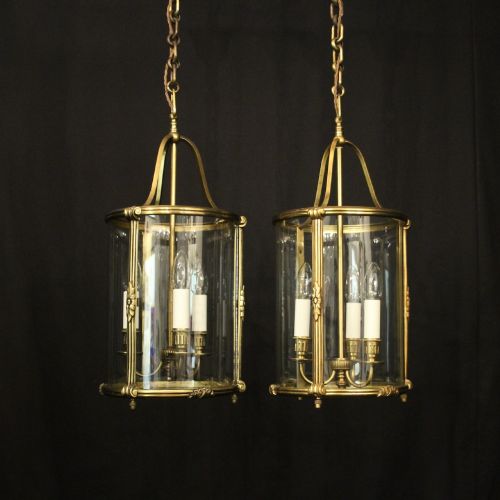
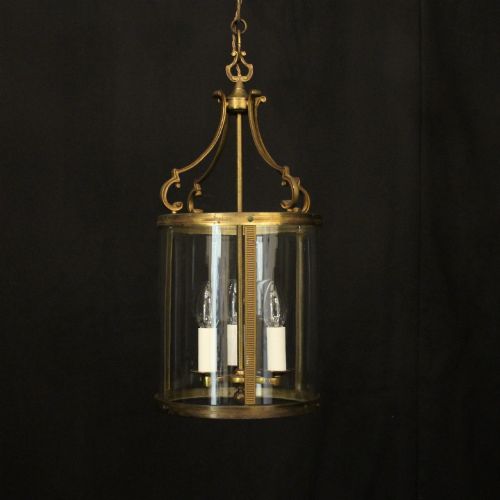
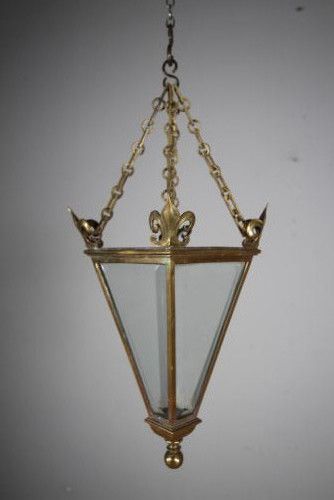
A gilded glass lantern illuminates an entryway with warm metal and shaped glass, bringing period character to ceilings.
Gilded Glass Lantern
When you search for a gilded glass lantern, you encounter ceiling fixtures designed for halls, corridors and vestibules, predominantly originating from French workshops and English makers. The selection centres on hanging hall lanterns and pendant lights configured to hold multiple bulbs or candles.
Most examples date from the nineteenth and early twentieth centuries, spanning the Victorian era through the nineteen-thirties. You meet French styles such as Louis XVI, Rococo and Neoclassical alongside English interpretations and Gothic revival pieces.
The prevalent forms include convex glass panes held in metal frames, alongside curved glass and flat bevelled panels. These fixtures function primarily as overhead lighting while serving as decorative architectural elements in domestic spaces.
How they were made
Metals form the structural framework, utilising cast and forged bronze, brass, giltwood and wrought iron. Artisans applied gold leaf, gilding or silver gilding to these metal surfaces to achieve a luminous metallic finish.
Panels of glass are fitted into the metal frames, incorporating convex, curved, bevelled, cut and stained varieties. Some constructions integrate toleware or carved elements alongside the primary metal and glass components.
Listings feature pieces spanning the nineteenth century up to nineteen-thirty, predominantly utilising bronze, brass, and glass.
What varies in quality
The refinement of the cast metal ornamentation dictates the upper tier of quality, where chased details and crisp foliage distinguish superior bronze and brass work. Heavier gauge metalwork and substantial mounts elevate the presence of the piece.
Glass selection creates a clear division, with heavy convex or bevelled panes representing finer production than flat, thin alternatives. The integrity of the original gilding and the weight of the frame separate standard commercial items from exceptional commissions.
The Gilded Glass Lantern Glossary
- Convex glass
- Curved glass panels that project outward to diffuse light across a wider angle. This technique appears frequently on French hall lanterns from the early twentieth century.
- Gilded bronze
- Bronze metal treated with a thin layer of gold leaf or gilt finish. It offers durability combined with a warm, reflective surface.
- Hall lantern
- An enclosed ceiling fixture hung by a chain or rod, designed specifically for narrow spaces like corridors and entryways. They provide directional downward illumination.
- Bevelled glass
- Glass panes featuring an angled edge ground down around the perimeter. This treatment catches and refracts light as it passes through the fixture.
Gilded Glass Lantern: Frequently Asked Questions
Where should I hang a hall lantern?
These fixtures suit entrance halls, stairwells and high ceilings where overhead illumination creates a focal point. Their enclosed design protects the light source while casting patterns through the glass.
Ensure adequate ceiling height for hanging pendant configurations so the fixture clears passage below while remaining visible from the main living areas.
How do I identify a French piece?
French lanterns often display neoclassical, Rococo or Louis XVI stylistic motifs in the cast bronze frame. Details such as ribbon crests, acanthus leaves and urn finials point to French manufacture.
English equivalents tend toward simpler geometric or Gothic revival forms, utilising brass or wrought iron construction.
What is convex glass?
Convex glass panels curve outward from the metal frame, creating a rounded profile that magnifies the interior light source. This shape softens the illumination and adds depth to the fixture.
You find this curved glass widely on French hall lanterns dating from the nineteen-twenties and thirties.
How do I care for gilded metal?
Dust the metal gently with a soft, dry cloth to prevent the accumulation of dirt on the gilded surface. Avoid abrasive cleaners or harsh chemicals that can strip the gold leaf or varnish.
Check the hanging chains and ceiling fixings periodically to ensure the mounting remains secure.