






Gilded Glass Flutes
Gilded glass flutes are refined drinking vessels and architectural mirrors defined by luminous metallic ornamentation, prized for bringing sophisticated eighteenth and nineteenth century craftsmanship into the home.
Gilded Glass Flutes
When buyers search for gilded glass flutes, they encounter a fascinating mix of antique drinking vessels and large architectural mirrors incorporating gilded frames and glass panels. The selection spans the Georgian, Regency, and Victorian eras, alongside Edwardian examples.
How they were made
The physical construction of these objects relies on traditional artisanal techniques applied to lead glass, wood, and gesso. Glassware makers utilised engraving methods on lead glass to create delicate patterns, whilst mirror makers carved wood frames before applying gold leaf.
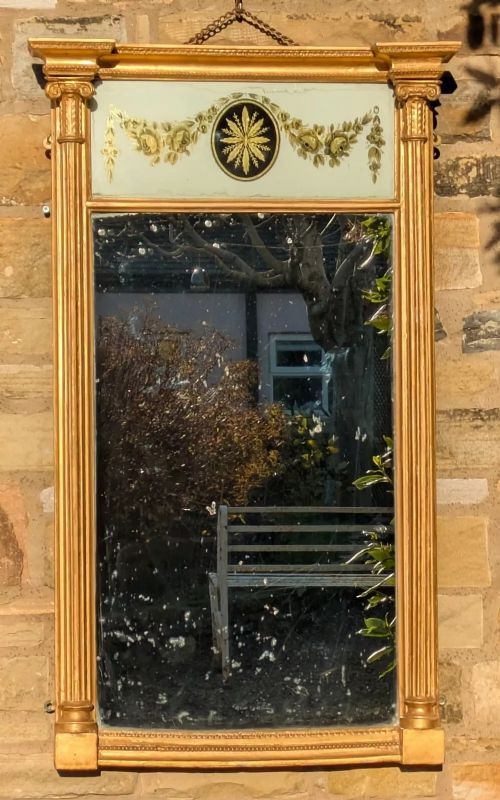
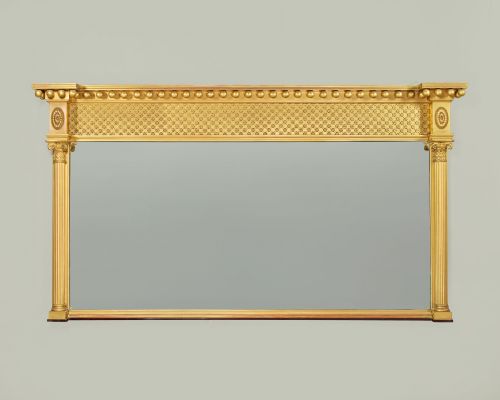
Giltwood and plaster frameworks frequently incorporate verre eglomise panels, enamel, and mirror glass. Artisans combined painted details with ebonised touches and lion masks to elevate the visual impact of Regency and Victorian frames.
Gilded Glass Flutes Retail Price Guide 2026
Typical asking prices for gilded glass flutes among the pieces listed under this phrase on Sellingantiques today, from the lower quarter to the upper quarter. They describe what is for sale here now, not the wider market.
Fierce cast iron lion masks peer out from Regency frames, standing guard over centuries of reflected drawing room gossip.
What varies in quality
Quality in these pieces rests upon the crispness of the carved ornamentation and the integrity of the gilding. Finer examples display deeply defined wooden ribs, sharply rendered lion masks, and well-preserved gold leaf rather than flat, heavy restoration.
In the glassware, quality reveals itself through the precision of the engraving and the clarity of the lead glass. Superior items maintain their original mercury mirror plates or intact enamel work without modern synthetic replacements.
The Gilded Glass Flutes Glossary
- Ratafia glass
- A narrow drinking vessel designed for sweet fruit liqueurs, typically featuring a long stem and an elongated bowl. These Eighteenth-century glasses often showcase engraved decoration.
- Verre eglomise
- A process of cold gilding and painting on the reverse side of glass to produce a mirror-like or metallic finish. It frequently appears in the upper panels of Regency pier mirrors.
- Giltwood
- Timber that has been coated with a thin layer of gold leaf over a prepared gesso ground. This material defines the luxurious frames of Georgian and Victorian wall mirrors.
- Pier mirror
- A tall vertical glass designed to hang on the wall space between windows, often paired with a console table beneath. They reflect additional light into period rooms.
- Opaque twist
- A type of glass stem enclosing white or coloured enamel threads twisted within the clear metal. This technique is characteristic of eighteenth-century English drinking vessels.
Gilded Glass Flutes: Frequently Asked Questions
What are gilded glass flutes?
Gilded glass flutes encompass both slender eighteenth-century drinking vessels used for liqueurs and the brilliant architectural mirrors featuring gold leaf framing. They represent the height of Georgian and Regency decorative arts.
Buyers searching this term will discover that the inventory bridges delicate tabletop glassware and large wall-hanging pier mirrors. Both categories share a dedication to reflective surfaces and metallic embellishment.
How were pier mirrors used?
Pier mirrors were traditionally hung on the narrow wall between two windows, known as the pier, to maximise natural light in a room. They often sat directly above console tables to create a cohesive decorative scheme.
In period interiors, this placement amplified the illumination from candles and daylight. Today, they serve a similar architectural function in hallways and drawing rooms.
How do I date a giltwood mirror?
Dating a giltwood mirror involves examining the framing style, the construction of the wooden backboards, and the manufacturing technique of the glass plate. Georgian and Regency pieces show hand-carved details and older glass characteristics.
Later Victorian and Edwardian examples often utilise heavier plaster mouldings and different fastening methods. Comparing the gesso preparation layers also helps determine the exact period of manufacture.
How do I care for antique gilt surfaces?
Antique gilt surfaces require gentle maintenance using a soft, dry ostrich feather duster to remove surface dust without disturbing the delicate gold leaf. Moisture and modern chemical cleaners must be strictly avoided.
Keeping these pieces away from direct sunlight and dramatic humidity changes protects the underlying gesso and wood. Proper placement ensures the historical finish survives intact for decades.