

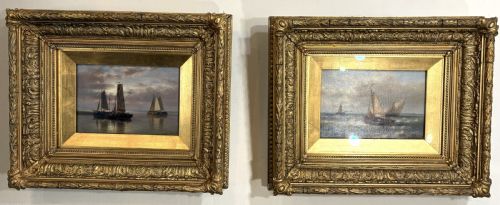


Gilded Frame Seascape Art
Gilded frame seascape art brings the movement of nineteenth-century coastal life and maritime trade directly onto the wall inside a rich period border.
Gilded Frame Seascape Art
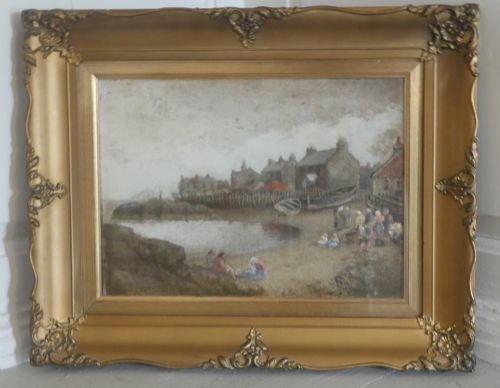
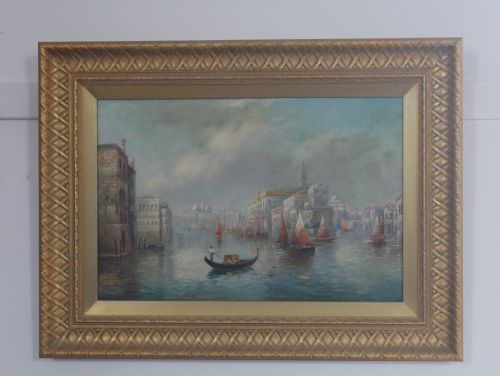
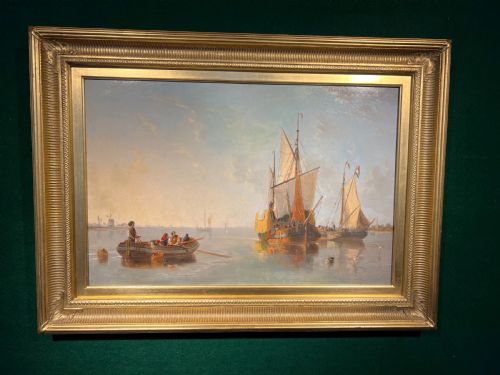
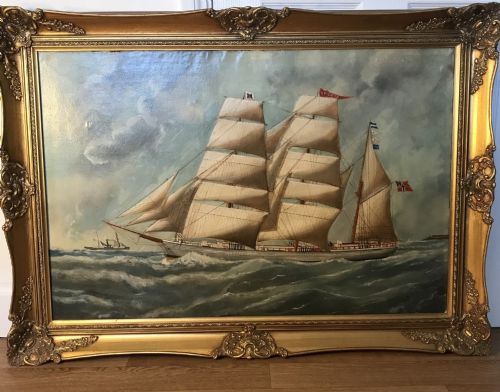
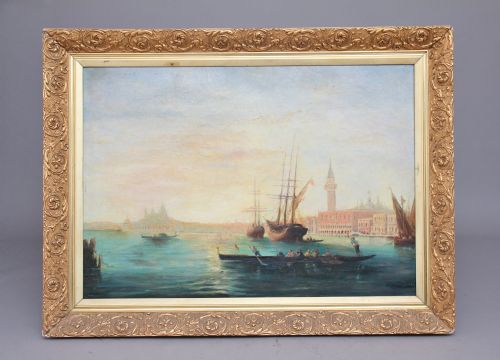
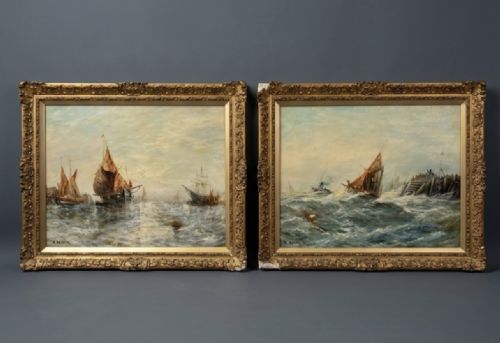
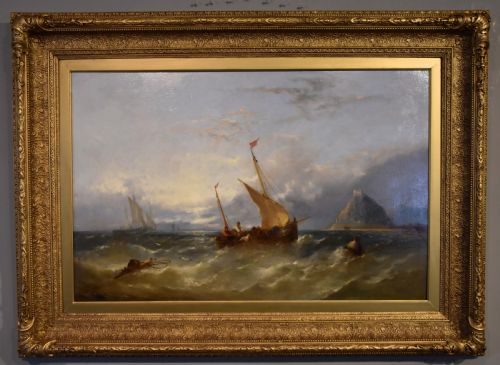
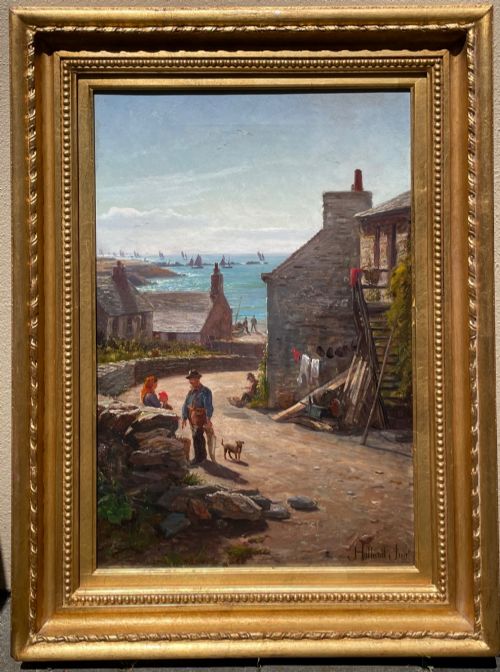
When you search for gilded frame seascape art, you meet oil paintings and watercolours depicting marine landscapes, coastal harbours, and sailing ships from the nineteenth and early twentieth centuries. These works range from grand Victorian canvases showing shipwrecks and bustling ports to quieter Edwardian views of Venetian lagoons and quiet shores.
The most common version on this page is the nineteenth-century oil painting on canvas or board, housed in its original or period-appropriate giltwood surround. Subjects extend from specific British coastal waters and the Isle of Man to Mediterranean harbours and Dutch shores, often capturing historical sailing vessels like three-masted schooners and barques.
How They Were Made
Makers built these pieces using oil paint or watercolour applied to woven canvas, wooden panels, or heavy paper supports. Painters layered pigments to capture the transparent quality of water and the heavy atmospheric weight of coastal skies.
The surrounding frames combine carved wood, moulded gesso, and applied gold leaf to create ornate gilded borders that complement the maritime subject matter. These frames protect the edges of the canvas and provide a reflective boundary that catches the ambient light of a room.
Materials recorded across the inventory include oil on canvas, oil on board, watercolours, gesso, and giltwood frames.
What Varies in Quality
The strength of the maritime composition and the confidence of the brushwork set the better works apart from simpler decorative pieces. Skilled painters handle the movement of waves and the rigging of sailing ships with anatomical precision and atmospheric depth.
The preservation of both the painting and its gilded housing determines the integrity of the piece. Deeply carved giltwood frames with intact gesso ornaments and stable paint layers on the canvas hold greater visual presence than later replacements.
John Wilson Carmichael·Abraham Hulk I·Louis Suire·Daniel Sherrin·Thomas Bush Hardy·James Webb·Gustave de Breanski·Alfred Pollentine
The Gilded Frame Seascape Art Glossary
- Giltwood
- Wood carved and coated with a thin layer of gold leaf or metallic powder. This material gives frames a warm, reflective metallic sheen.
- Gesso
- A plaster-like mixture applied to wooden frame bases to create smooth surfaces for moulding ornamental details. It receives the final gilding layers.
- Seascape
- A work of art depicting the sea, coastal views, ships, or marine engagements. These subjects formed a major category of nineteenth-century painting.
- Oil on canvas
- Pigment mixed with drying oils applied to a stretched fabric support. This technique allows for rich colour blending and textured brushwork.
Gilded Frame Seascape Art: Frequently Asked Questions
How do I hang a heavy framed maritime painting?
Secure the piece directly into wall studs using appropriate steel picture hooks rated for the weight of the wood and gesso frame. Ensure the hanging wire or brackets on the back of the frame are firmly attached to the wooden structure.
Position the centre of the canvas at standard eye level to properly appreciate the perspective of the coastal horizon and maritime details.
Where should I place these works in my home?
Hang these paintings in rooms with stable humidity and away from direct, harsh sunlight to protect both the oil pigments and the delicate gold leaf on the frame. Spaces with traditional decor or panelled walls allow the gilt borders to reflect warm interior light.
Avoid placing them above active fireplaces where soot and fluctuating heat can damage the canvas and dry out the wooden frame mouldings.
How can I tell the Victorian pieces apart from later works?
Victorian marine paintings typically feature heavier nineteenth-century rigging details, dramatic shipwrecks, or romantic coastal lighting, often housed in deeply moulded gesso frames. Edwardian and early twentieth-century works frequently show lighter palettes, looser brushwork, and calmer lagoon or harbour scenes.
Examine the stretcher bars, canvas texture, and framing construction methods on the reverse to confirm the period of the physical object.