

Gilded Frame Portraiture
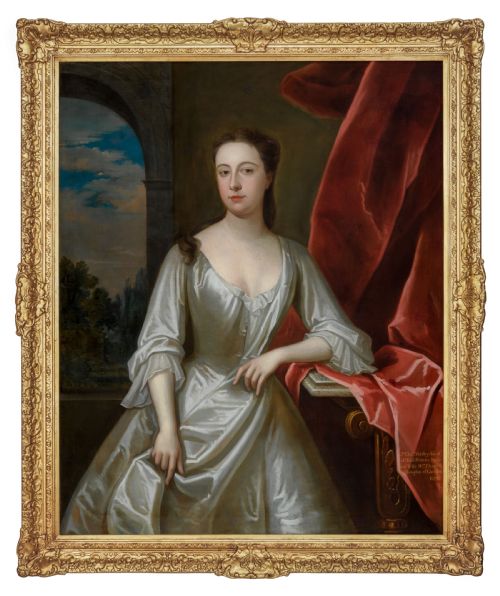
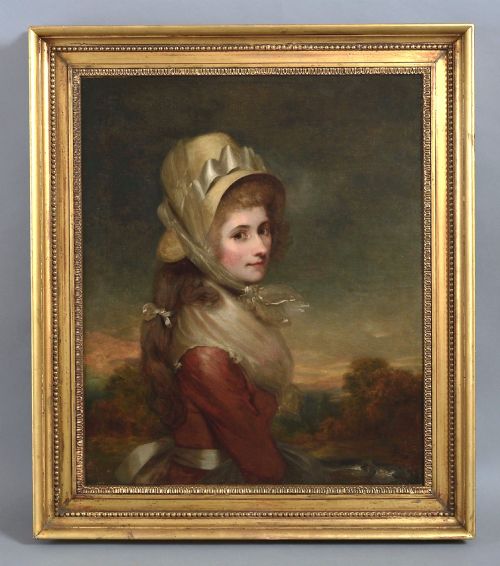
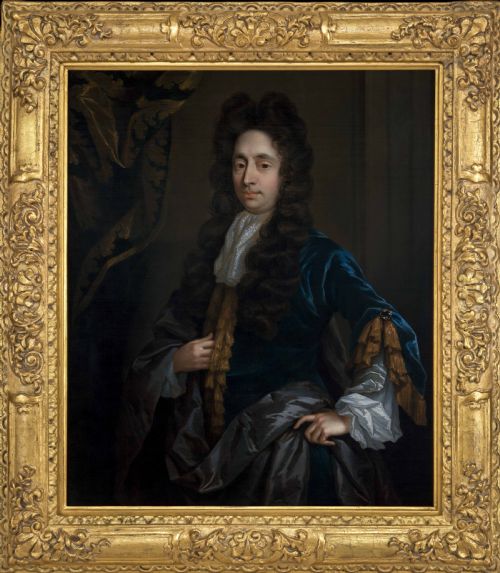
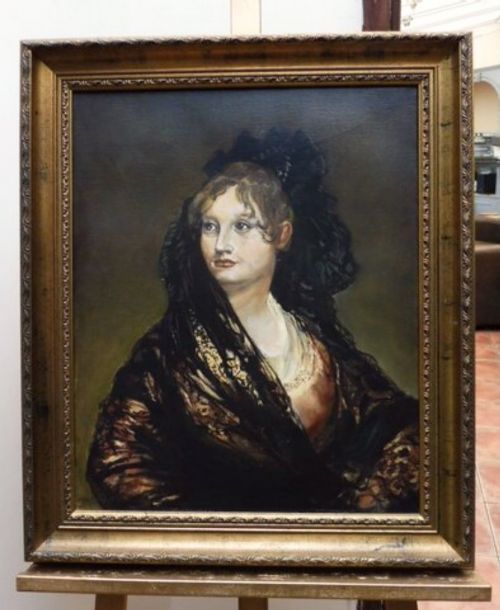
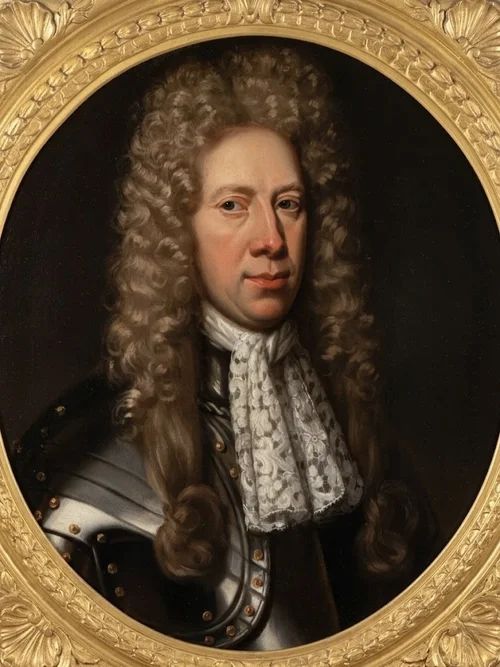
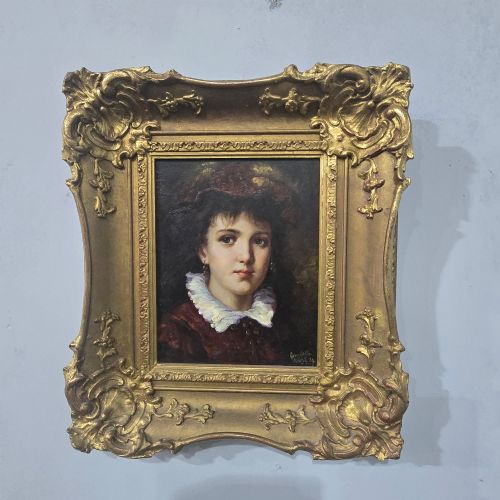
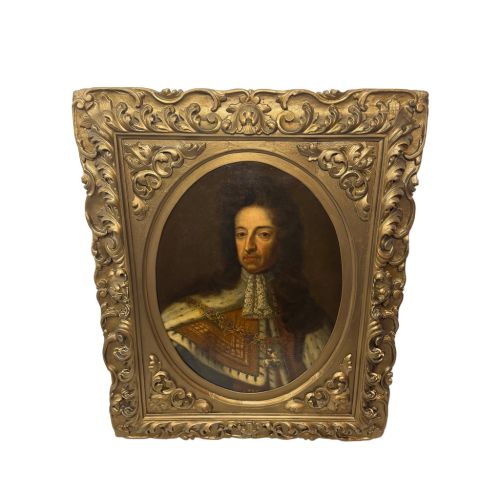
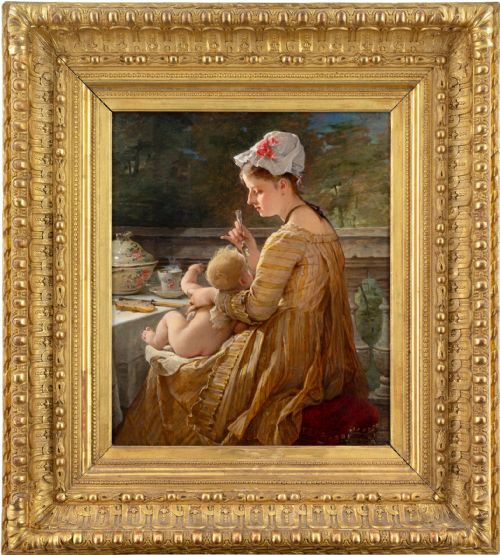
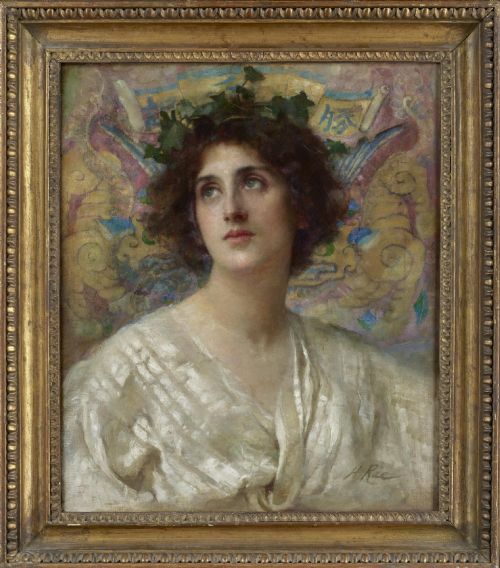
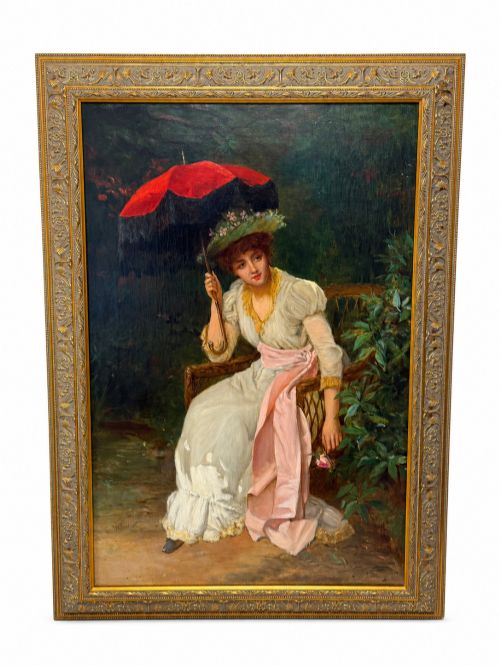
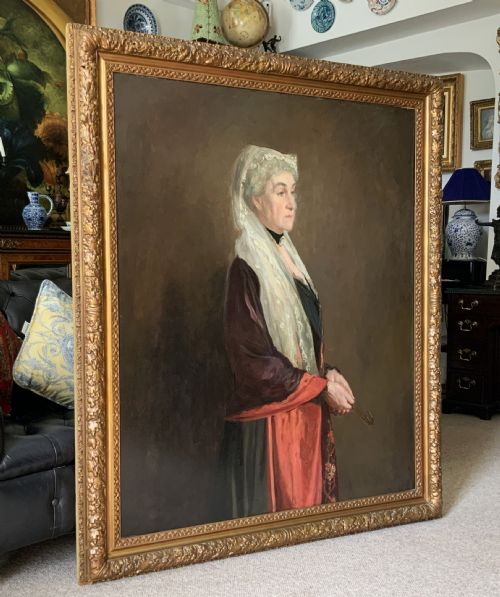
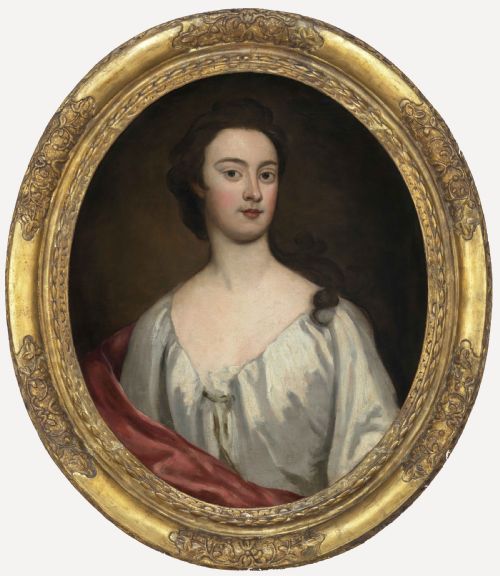
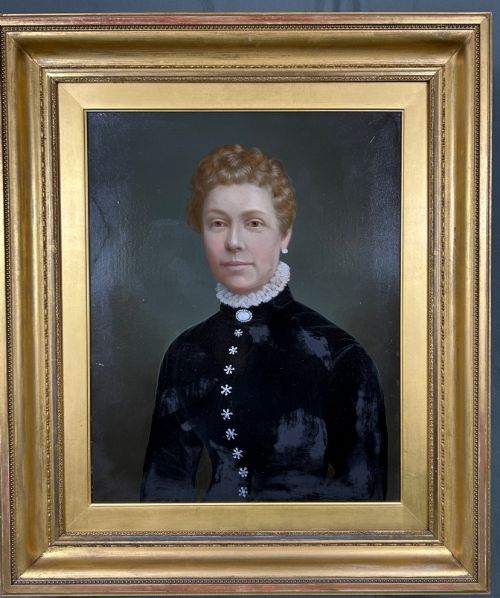
These gilded frame portraiture pieces bring centuries of rendered faces, noble likenesses and oils on canvas into your room.
Gilded Frame Portraiture
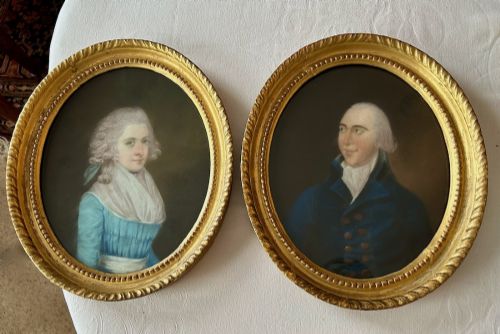
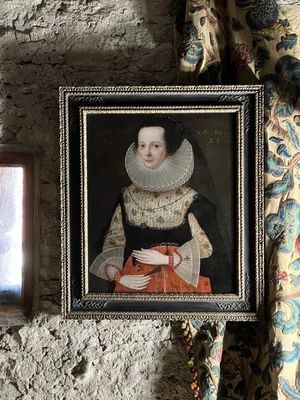
Gilded frame portraiture spans centuries of rendered likenesses, capturing subjects from seventeenth-century nobility to twentieth-century personalities. You will encounter oil on canvas, pastels, and watercolours housed in ornate surrounds.
The selections here range from early British and Dutch school oils to Victorian and mid-twentieth-century works. These pieces record historical figures, family groups, and intimate studies.
Most items you meet on this page belong to the eighteenth and nineteenth centuries, reflecting Georgian and Victorian artistic traditions. Portraiture from this span relies on formal composition and expressive brushwork.
How They Were Made
Painters applied oil paint or pastels onto stretched canvas, wood panels, or heavy paper supports. Artists utilised layering techniques to build depth in clothing, skin tones, and background curtains.
The surrounding mouldings consist of wood finished with gesso and gold leaf. Craftsmen carved intricate details by hand before applying the metallic leaf to create a luminous border.
Several noble sitters share space here with a very distinct Victorian Havanese dog.
What Varies in Quality
The integrity of the surrounding woodwork influences the overall piece. Hand-carved gesso details and original gilding retain crispness, whereas worn or later replacements alter the historical balance between artwork and border.
Sir Godfrey Kneller·Sir Martin Archer Shee·Constantyn Netscher·Jeremiah Davison·Joseph Highmore·Franz Xaver Winterhalter
The Gilded Frame Portraiture Glossary
- Giltwood
- Wood that has been coated with a thin layer of gold leaf. This finish provides a bright, reflective surface around the painting.
- Gesso
- A paint mixture consisting of a binder mixed with chalk, gypsum, or pigment. Artisans used this to prepare wooden frames for gilding.
- Oil on Canvas
- Pigments bound with an oil medium applied to a woven fabric support. This combination allows for rich colour blending and durability.
- Pastel
- A dry drawing medium consisting of powdered pigment and a binder. Artists used pastels on paper to achieve soft skin tones and delicate textures.
- Baroque
- An artistic style characterised by drama, deep shadow, and ornate detail. Works from this period display rich fabrics and theatrical lighting.
Gilded Frame Portraiture: Frequently Asked Questions
How do I hang a heavy framed portrait safely?
Use sturdy wall anchors and fixings rated for the combined weight of the canvas and the solid wood frame. Ensure the hanging wire or brackets are securely attached to the structural wooden members of the surround.
Position the work at eye level to replicate the traditional viewing height used in historic domestic interiors. Keep the piece away from direct sunlight and strong heat sources to protect the canvas and the gold leaf.
How should I clean the gilded frame?
Dust the mouldings gently with a soft, dry brush or a clean microfibre cloth. Avoid using liquid cleaners, solvents, or abrasive cloths that can strip the delicate gold leaf.
Inspect the gesso and leaf periodically for loose flakes. Professional conservators should handle any structural repairs or re-gilding tasks.
What periods do these portraits cover?
The selections span from the seventeenth century through the Georgian and Victorian eras up to the mid-twentieth century. Each period brings distinct clothing styles, painting techniques, and framing designs.
Earlier pieces often feature stiff collars and dark backgrounds, while nineteenth-century works display softer lighting and varied colour palettes.
How do I identify the sitter in a portrait?
Check the canvas or the back of the frame for handwritten inscriptions, old paper labels, or artist signatures. Heraldic crests, distinctive medals, and specific clothing also offer clues to the subject's identity.
Many historic portraits depict unknown sitters whose identities were lost over time. Focus on the artistic merit and the visual character of the work if the name is absent.