




Gilded Floral Porcelain Set
When you want a gilded floral porcelain set, you are looking at hand-painted table services and matched groupings from the Georgian period through the Edwardian era.
Gilded Floral Porcelain Set
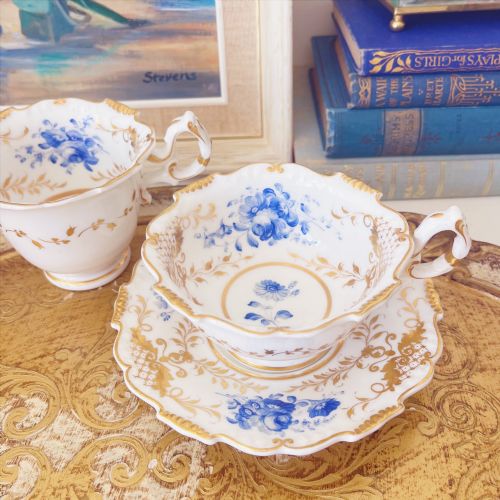
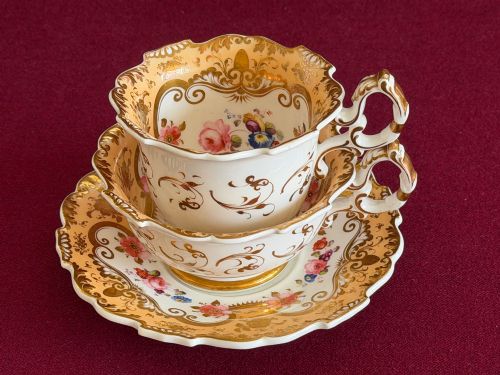
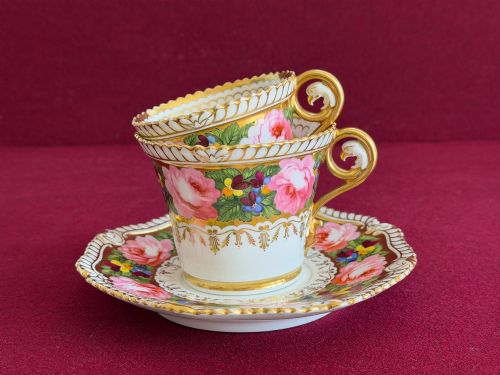
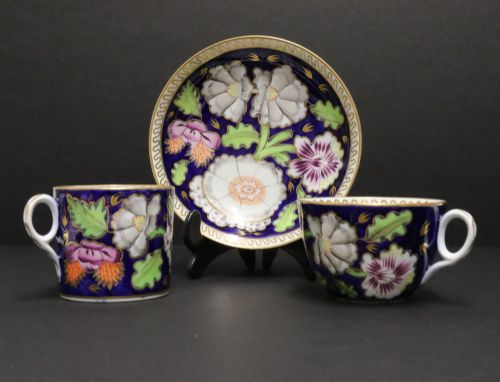
A gilded floral porcelain set comprises matched or service-complete ceramics adorned with metallic highlights and botanical motifs. These groupings range from intimate tea and coffee trios to extensive dinner and dessert services intended for formal entertaining.
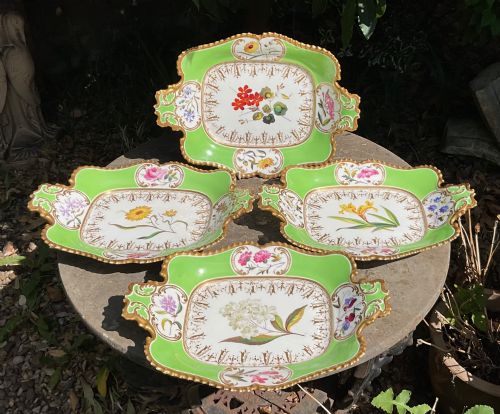
The pieces appearing most frequently across this selection span the Regency and Victorian periods, including English factories such as Coalport, Chamberlains Worcester, and Minton. Alongside British earthenware and bone china, continental porcelain from Paris, Dresden, and Vienna also shapes the available forms.
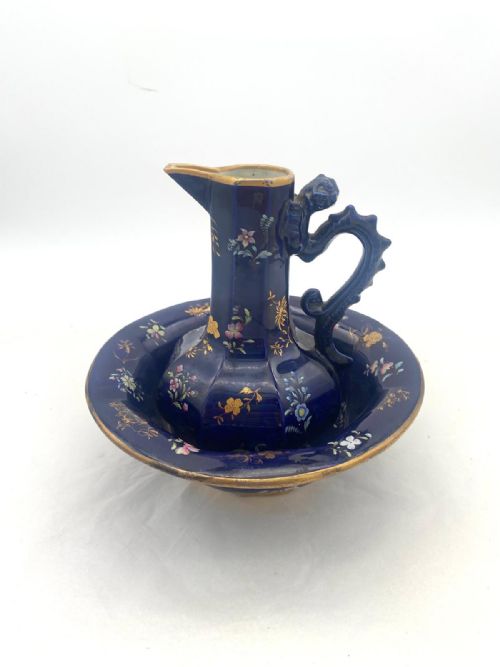
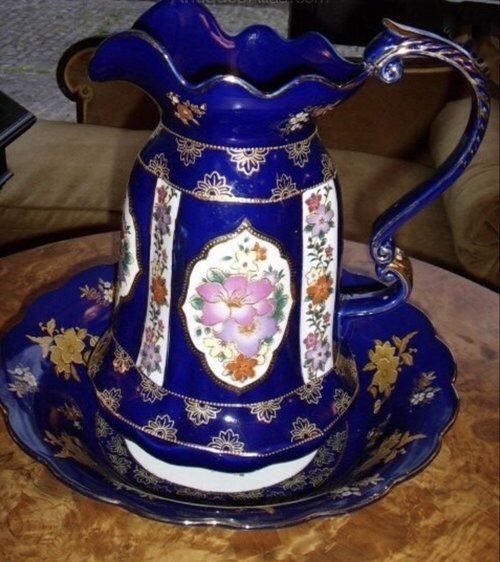
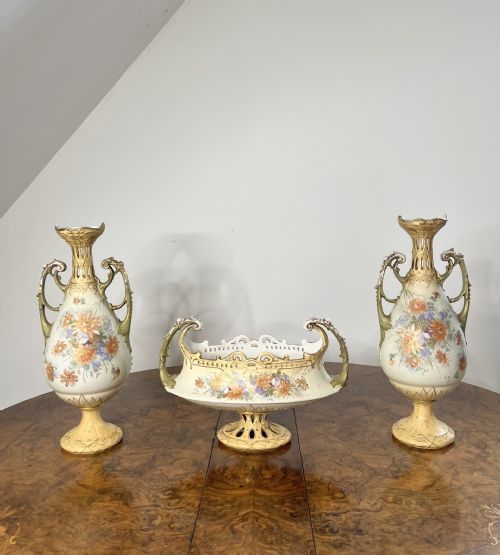
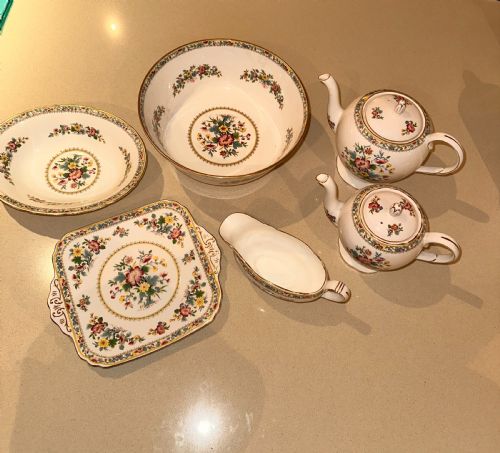
Functional groupings take many shapes, from washstand jug and bowl sets to cabinet garnitures and breakfast services. Each configuration reflects the domestic habits and dining rituals of the nineteenth and early twentieth centuries.
How they were made
Makers shaped ceramic bodies from fine paste porcelain, bone china, or ironstone before applying hand-painted enamel botanical designs. Artisans then added gold leaf, gilding, or cobalt blue glazes to accentuate handles, rims, and central floral panels.
Firing techniques varied by period, with early nineteenth-century works relying on hand-applied polychrome enamels fixed in kiln fires alongside heavy gold leaf application. Later Victorian and Edwardian items incorporated transfer-printing beneath the glaze combined with meticulous overglaze hand-finishing.
Listings feature porcelain, bone china, earthenware, and ironstone decorated with gold leaf, enamel, and hand-painted floral motifs across multiple centuries.
What varies in quality
Quality rests upon the precision of the hand-painting and the weight of the applied gold leaf. Pieces decorated by named artists or produced by premier potteries display finer brushwork and more complex enamel palettes.
The integrity of the porcelain body and the crispness of the moulded relief work also distinguish standard production items from exhibition pieces. Preservation of the original gilding without excessive rubbing indicates careful handling over generations.
H & R Daniel·Chamberlain Worcester·Newhall·Mason·Royal Vienna·Spode·John Ridgway·Rockingham Pottery·Coalport·Royal Worcester·Doulton Burslem·Minton·Meissen·Wileman Foley Shelley·Hutschenreuter·Hirsch Dresden·Royal Crown Derby
The Gilded Floral Porcelain Set Glossary
- Garniture
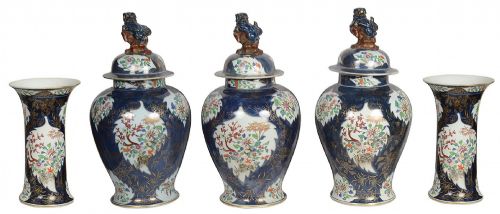
- A matched set of three or more ornamental vases or vessels designed to be displayed together on a mantelpiece or sideboard. These groupings were particularly popular in French and English porcelain during the nineteenth century.
- Trio
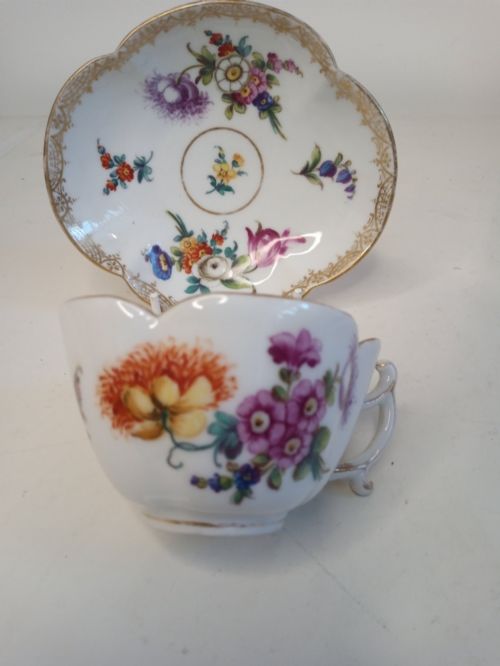
- A matched three-piece set consisting of a teacup, a coffee cup or saucer, and a matching dessert plate. Trios formed the standard baseline for nineteenth-century hospitality.
- Ironstone
- A durable type of heavy earthenware patented in the early nineteenth century to rival true porcelain. It provided a robust surface for dense floral patterns and extensive gilding.
- Sucrier
- A covered sugar bowl designed to accompany tea and coffee services. These vessels often feature intricate handle moulding and floral enamel panels.
Gilded Floral Porcelain Set: Frequently Asked Questions
What pieces are included in a dessert service?
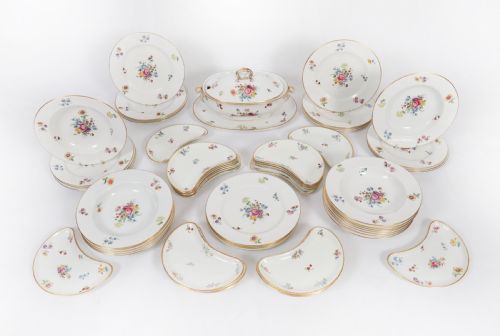
A dessert service typically comprises a large centrepiece dish accompanied by multiple side plates intended for serving fruit or sweets after a meal.
Many examples also incorporate matched tazze or pedestal dishes to add height to a formal dining table arrangement.
How do I care for antique gilded porcelain?
These delicate ceramics require gentle hand washing in warm water using mild soap, avoiding abrasive sponges or modern dishwashers that can wear away old gilding.
Because gold leaf and enamel decorations applied over centuries remain vulnerable to harsh detergents, careful physical handling is essential.
Can I use these tea sets daily?
While these items were originally made for dining and hospitality, most collectors limit them to display or very occasional use due to their age and historical value.
Hand-painted enamels and delicate handles on Regency and Victorian pieces can suffer from regular friction and thermal shock.