



Gilded Cobalt Ceramic Urn
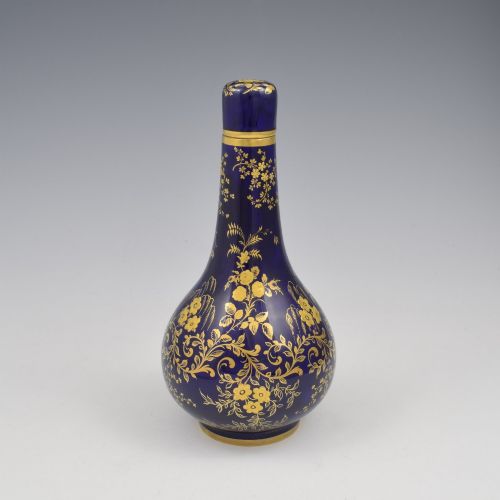
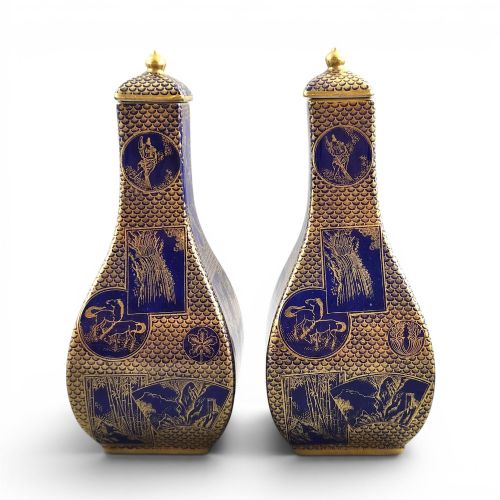
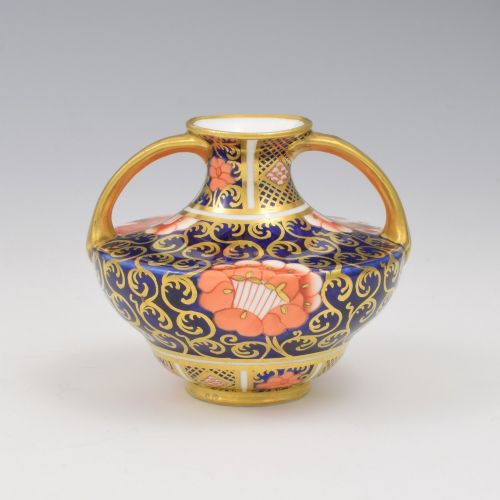
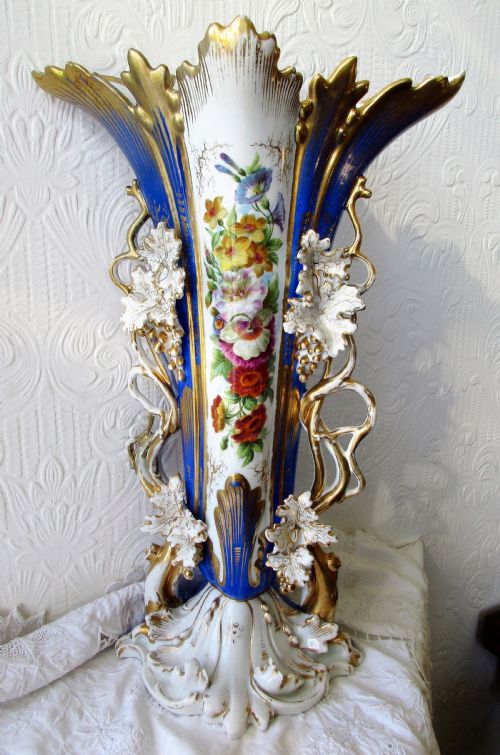
A gilded cobalt ceramic urn brings together deep blue glaze and rich gold leaf across centuries of European and Japanese craft.
Gilded Cobalt Ceramic Urn
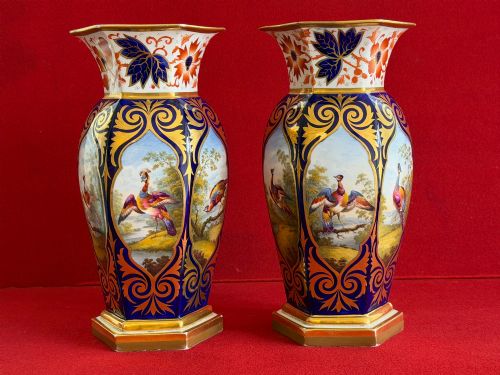
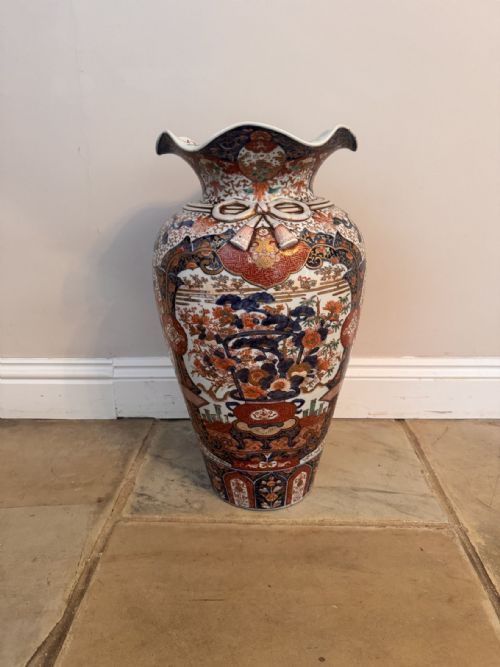
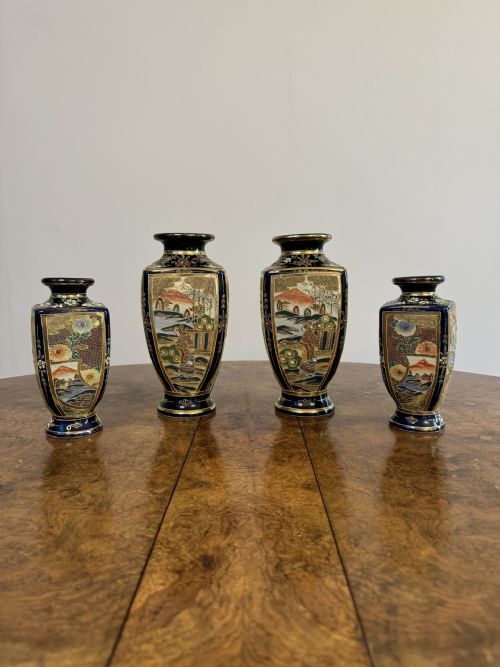
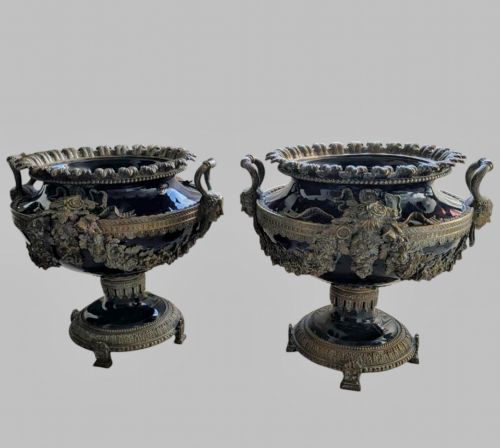
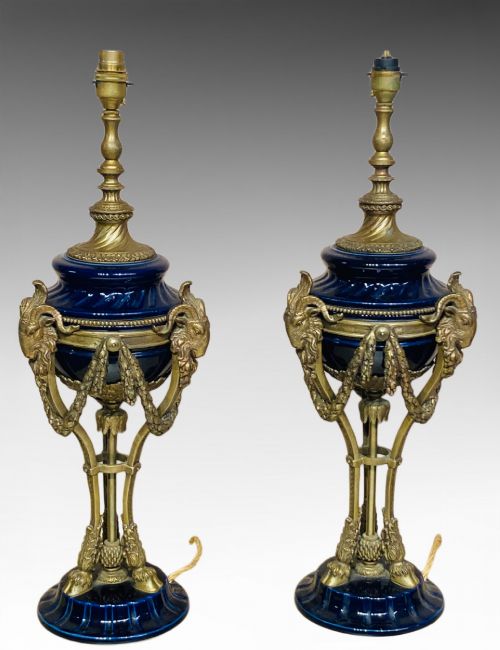
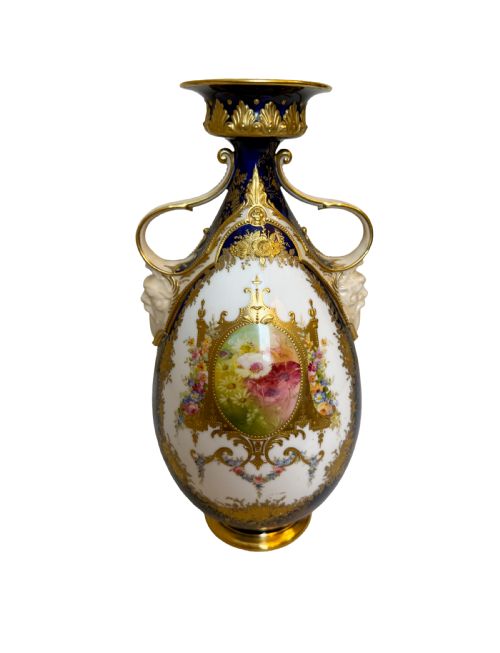
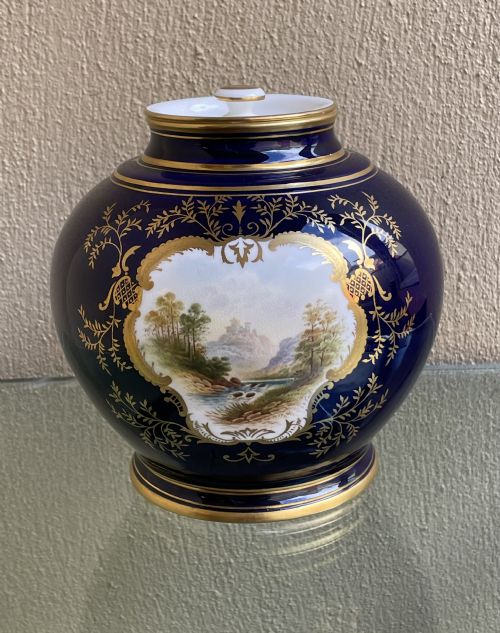
When you search for a gilded cobalt ceramic urn, you are looking at decorative vessels defined by their intense blue ground and reflective gold enrichment. The examples seen here range from large floor-standing Japanese satsuma and imari pieces to refined English porcelain campagna urns and French jardinieres.
The selection covers multiple periods, drawing heavily on nineteenth-century production alongside Edwardian and Regency examples. Forms include lidded ginger jars, garnitures, bottle vases, and twin-handled mantel vessels.
Japanese export wares sit alongside English factories such as Worcester, Derby, Coalport, and Mason's ironstone. Continental porcelain from Vienna, Dresden, and Paris also contributes to the rich variety of blue and gold vessels available.
How they were made
Makers utilised high-firing ceramic bodies, including porcelain, earthenware, and ironstone, coated in vibrant cobalt glazes that provided a dark, glossy background. Artisans then applied gold leaf, liquid gilding, or enamel work by hand, frequently firing the pieces multiple times to fix the metallic details.
Japanese workshops employed delicate moriage techniques to build up raised relief patterns before applying heavy gilding over the cobalt ground. European factories relied on skilled painters to execute hand-painted panels, floral reserves, and gilded borders over rich mazarine or royal blue grounds.
Listings feature porcelain, earthenware, and ironstone bodies decorated with enamel, glaze, and gold leaf across the nineteenth and early twentieth centuries.
What varies in quality
The standard of a gilded cobalt ceramic urn rests upon the crispness of the hand-painting and the purity of the cobalt ground. Superior examples display dense, well-preserved gold leaf and finely detailed figural or botanical panels rather than mass-transferred decoration.
The weight and refinement of the ceramic body also distinguish finer output, alongside the precision of the potting and the depth of the glaze. Pieces signed by notable manufactories or specific artists generally command greater artistic interest.
Flight Barr And Barr·Royal Crown Derby·Royal Doulton·Mason S Ironstone·Wolfsohn Dresden·Moorcroft Macintyre·Crown Staffordshire
The Gilded Cobalt Ceramic Urn Glossary
- Cobalt
- A deep blue metallic oxide used to colour ceramic glazes before firing. It creates the rich, dark ground typical of these urns.
- Gilding
- The application of gold leaf or gold dust to the surface of porcelain or earthenware. This decorative layer catches the light against the blue ceramic body.
- Garniture
- A set of three or more matching vases or urns designed to be displayed together on a mantelpiece or sideboard. They appeared frequently in European and Japanese export interiors.
- Moriage
- A Japanese ceramic technique using liquid clay trailed from a spout to create raised, textured decoration beneath the glaze and gilding.
- Campagna urn
- A classical bell-shaped vase on a pedestal foot, inspired by ancient Roman excavations. English porcelain makers frequently produced these in blue and gold colourways.
Gilded Cobalt Ceramic Urn: Frequently Asked Questions
How were cobalt and gold urns displayed?
These vessels served as ornamental centrepieces in nineteenth-century drawing rooms and dining spaces. Owners placed them on mantelpieces, pedestals, or as matched sets across cabinet tops.
Larger floor-standing versions stood in hallways or corners, while miniature examples occupied smaller display cabinets alongside other ceramics.
Are these urns waterproof?
Most of these pieces were intended purely for decorative display rather than holding water. Their historical role as garnitures, potpourri containers, or mantel ornaments meant functionality took second place to artistic presentation.
Using them for fresh flowers risks damaging delicate interior glazes or nineteenth-century body materials.
How do I clean gilded ceramic pieces?
Dusting gently with a dry, soft brush is the safest way to maintain the surface. Avoid using chemical cleaners, abrasive cloths, or immersion in water.
Moisture and harsh liquids can weaken aged enamel work and wear away delicate gold leaf applications over time.
How can I tell Japanese export work from European porcelain?
Japanese pieces from this selection typically feature satsuma earthenware or imari porcelain bodies with distinct decorative motifs such as court figures and brocade patterns. European factories like Worcester and Coalport followed classical revival shapes or Meissen-style traditions.
Examining the paste beneath the glaze and any factory marks on the base helps clarify the origin.