
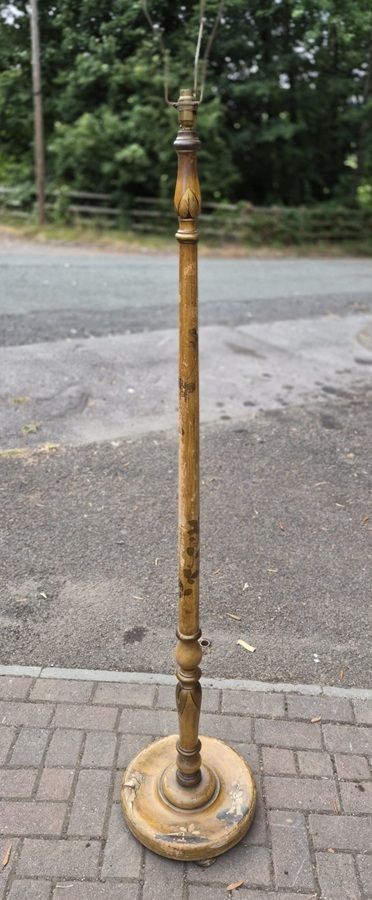
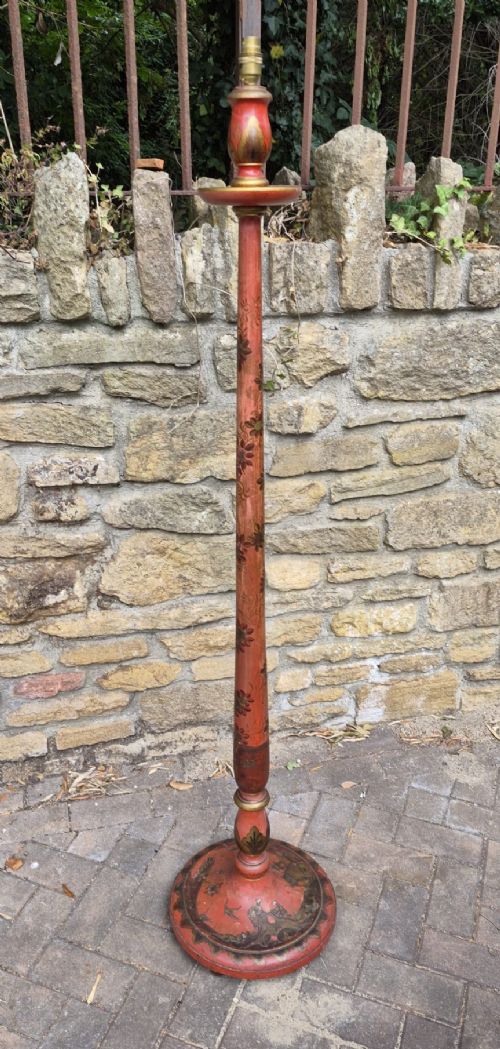
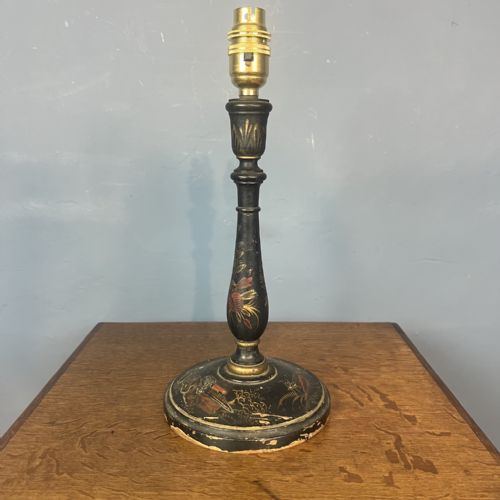
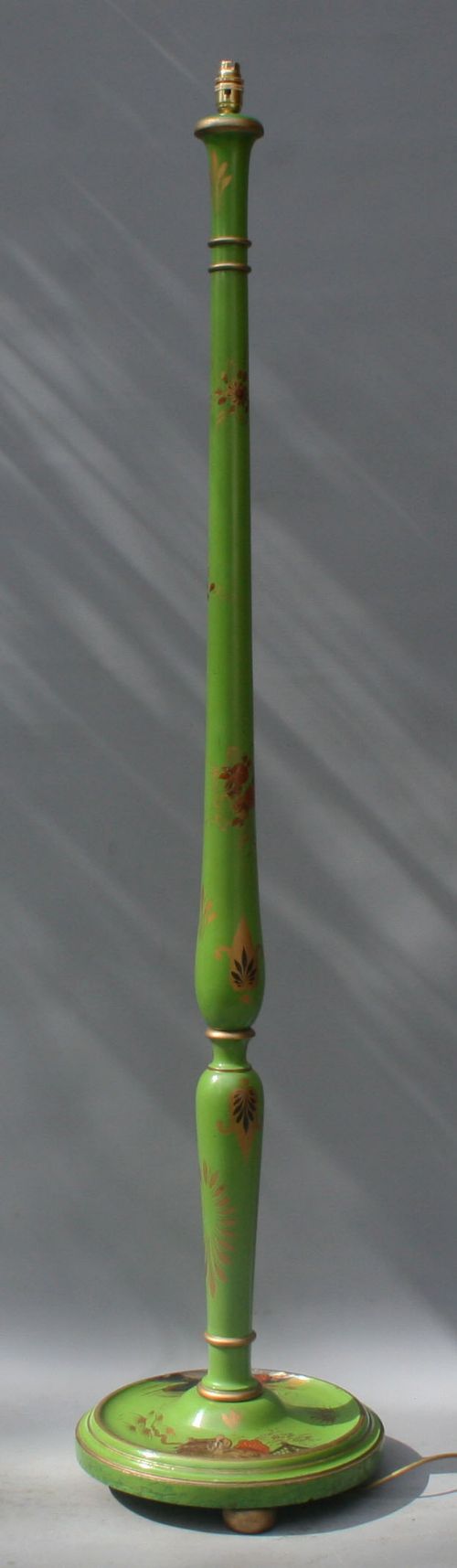
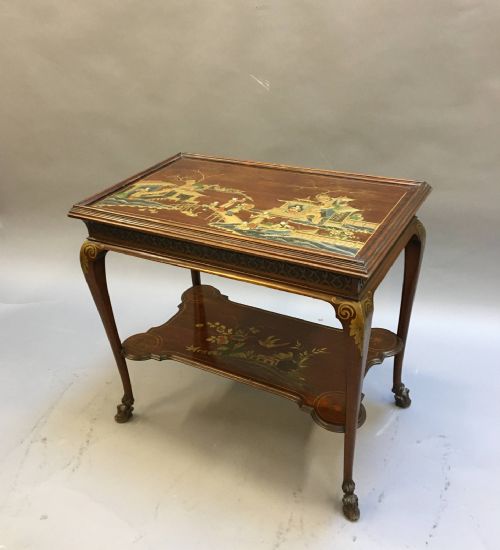


Gilded Chinoiserie Lamp
These gilded chinoiserie lamps bring a distinct decorative presence and rich painted finish to any room.
Gilded Chinoiserie Lamp
A gilded chinoiserie lamp combines decorative painted motifs with rich metallic highlights. The selection centres heavily on table lamps, standard lamps, and floor lamps spanning the nineteenth century through to the nineteen-thirties.
Buyers will encounter items described across Edwardian, Victorian, and French Rococo Revival styles. These pieces range from tall standard lamps to occasional tables adapted for lighting.
Many examples incorporate lacquer work in black or crimson alongside porcelain bodies and gilt bronze mounts. The grouping reflects both British Edwardian taste and continental European interpretations.
Materials and construction
Makers utilised wood, brass, and porcelain as the primary foundational structures for these lamps. Artisans applied layers of lacquer to wooden bases and standard lamps to achieve a durable, glossy surface.
Gold leaf and ormolu mounts provide the signature metallic detailing across the styles. Fabric elements appear alongside painted wood and Chinese export porcelain vases converted for electrical use.
Listings feature items spanning the nineteenth century, the Edwardian period, and up to nineteen thirty, utilising brass, porcelain, and lacquered wood.
Assessment of standard
The sophistication of the painted lacquer work dictates the visual appeal of each piece. Finer examples display meticulous hand-painted motifs and precise application of gold leaf rather than basic surface decoration.
The integration of ormolu mounts and porcelain bodies determines the overall character of the lamp. Superior items maintain cohesive proportion between the decorative base and the functional lighting components.
The Gilded Chinoiserie Lamp Glossary
- Chinoiserie
- A European artistic style reflecting Chinese aesthetic influences, prominent in decorative arts and furniture. This style often employs painted landscapes and figures on dark lacquered grounds.
- Ormolu
- Gilded bronze used for decorative mounts and decorative hardware on furnishings. The technique creates a bright golden finish that enhances the visual weight of the piece.
- Standard lamp
- A tall freestanding floor lamp designed to illuminate a room from a fixed position. These tall fixtures form a major part of the lighting selection here.
- Famille rose
- A palette of Chinese porcelain enamels dominated by pink or rose colours, introduced in the eighteenth century. Pieces featuring this palette frequently appear converted into decorative lamps.
Gilded Chinoiserie Lamp: Frequently Asked Questions
How do I date a chinoiserie lamp?
Dating relies on the underlying materials, the character of the lacquer, and any documented stylistic markers from periods like the Edwardian era or the nineteenth century. Examining the construction of the base and any metallic mounts offers further clues.
Changes in manufacturing methods across different decades also help determine whether a piece originates from the Victorian period or later twentieth-century production.
Are these lamps converted vases?
Several listings feature Chinese export porcelain and powder blue vases adapted into lamps. These conversions often incorporate ormolu mounts to secure the electrical fittings.
Such adaptation was a common practice in interior decoration, allowing antique porcelain vessels to serve a functional purpose in the home.
What is the difference between standard and table lamps?
Standard lamps are tall floor-standing fixtures designed to stand directly on the floor and cast light from an elevated position. Table lamps are smaller and intended for placement on side tables or occasional furniture.
Both formats utilise similar decorative vocabularies involving lacquer, gilding, and painted chinoiserie scenes.
Where should I place a floor lamp?
Floor lamps suit corners or seating areas where they can provide ambient illumination without dominating the floor space. Their decorative standards and painted finishes allow them to function as sculptural elements.
Pairing them with matching occasional tables helps create a cohesive arrangement within a period interior.