



Gilded China Bowl
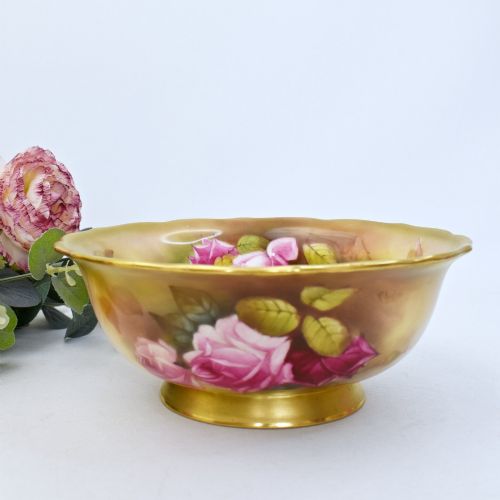
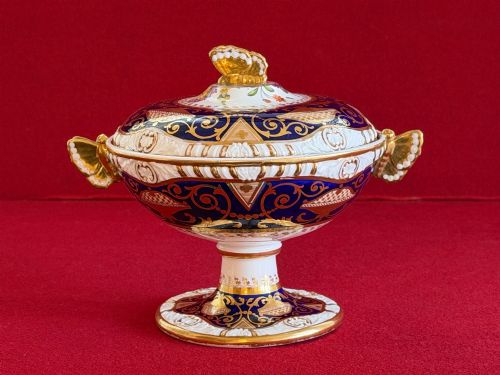
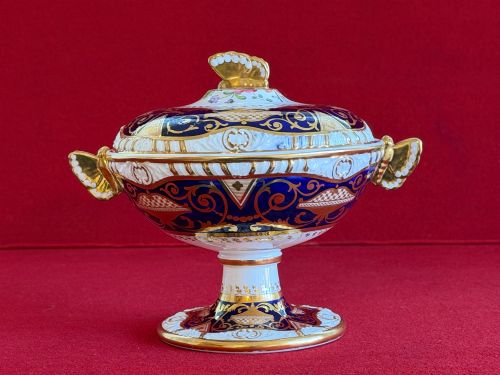
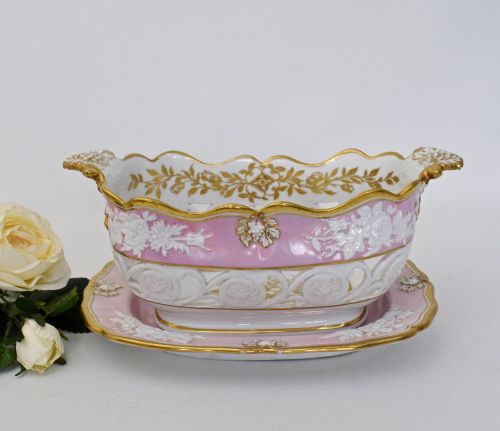
These gilded china bowl items bring together intricate ceramic forms and metallic lustre, offering a touch of historic craftsmanship for the table.
Gilded China Bowl
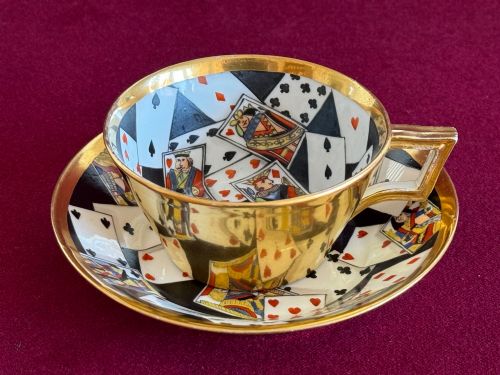
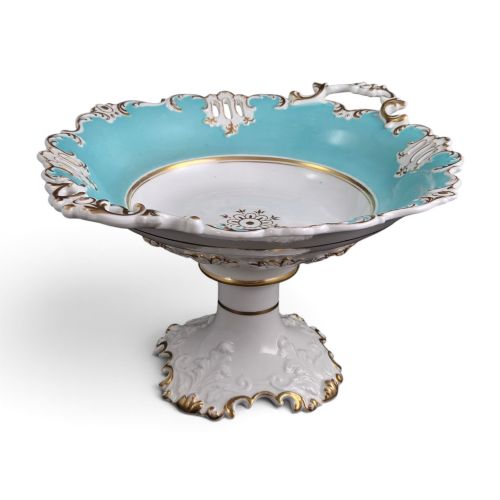
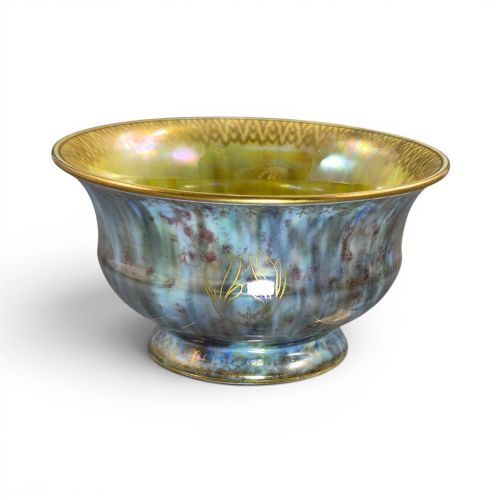
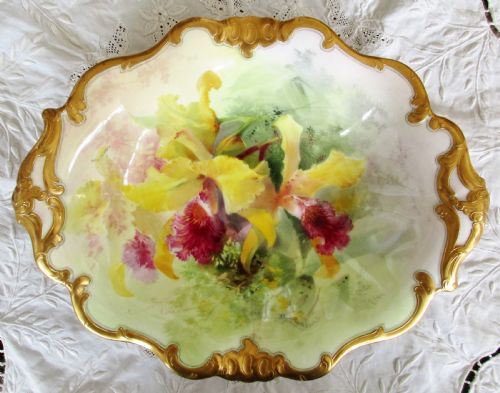
A gilded china bowl unites refined ceramic bodies with applied gold leaf or gilding, functioning primarily as decorative vessels, fruit dishes, or service items. You will frequently encounter forms originating from the eighteenth century through to the early twentieth century, spanning Georgian, Regency, and Edwardian periods.
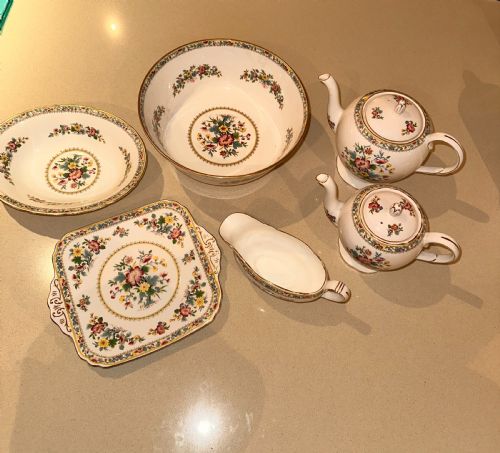
The selection ranges from small tea bowls and sugar basins to large decorative rose bowls and comports. Makers from English factories like Royal Worcester, Spode, and Wedgwood dominate the variety available on this page.
How they were made
Potters shaped bodies from porcelain, bone china, or ironstone, sometimes incorporating felspar or lustre glazes before firing the ceramic at high temperatures. Artisans then applied enamel colours and gold leaf by hand, occasionally using transfer printing for complex geometric or floral borders.
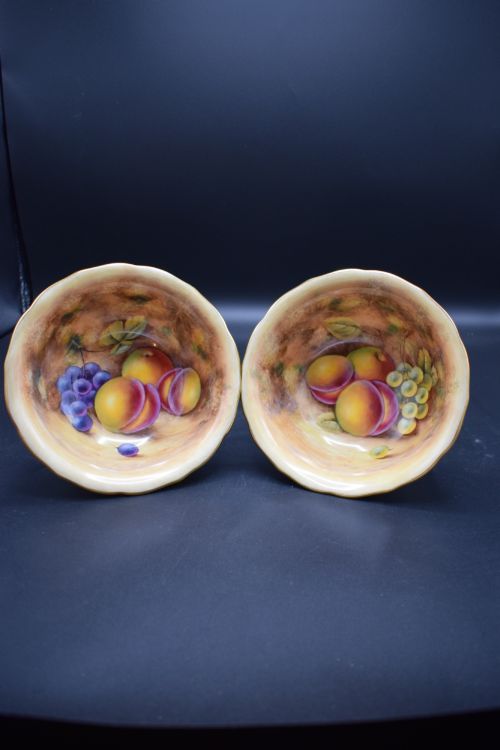
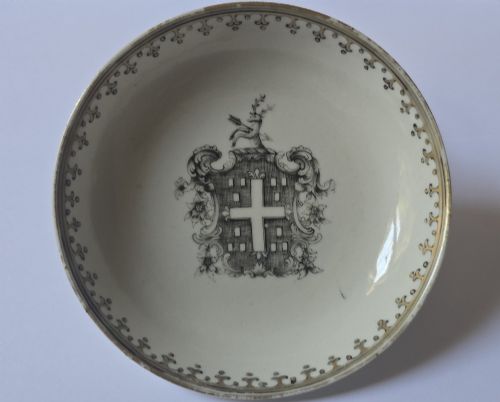
Details such as turquoise guilloche borders, armorial crests, and hand-painted fruit scenes required meticulous brushwork over the glazed surface. Subsequent low-temperature firings fixed the gilding and enamel decoration permanently to the china.
Gilded China Bowl Retail Price Guide 2026
Typical asking prices for gilded china bowl among the pieces listed under this phrase on Sellingantiques today, from the lower quarter to the upper quarter. They describe what is for sale here now, not the wider market.
Listings span the eighteenth, nineteenth, and twentieth centuries, featuring porcelain, bone china, ironstone, and gold leaf.
What varies in quality
The precision of the hand-painting and the depth of the gilding set superior pieces apart from standard production items. Skilled artists working for established factories produced finely detailed subjects, such as botanical studies or intricate dragon patterns, executed with exceptional brush control.
The weight and translucency of the porcelain body, alongside the integrity of the gold leaf application, indicate the care taken during manufacture. Pieces designed for specific services or commissioned with armorial bearings generally demonstrate higher artistic ambition.
Royal Worcester·Spode·Ridgway·Duesbury and Kean·Royal Crown Derby·Coalport·Royal Doulton·Wedgwood·Grainger and Co·Mason·Barr and Barr·Paul Muller Selb
The Gilded China Bowl Glossary
- Bone china
- A type of soft-paste porcelain containing bone ash, which yields a strong, translucent ceramic body well-suited to detailed painting and gilding. It became a staple of English factories during the nineteenth century.
- Lustre glaze
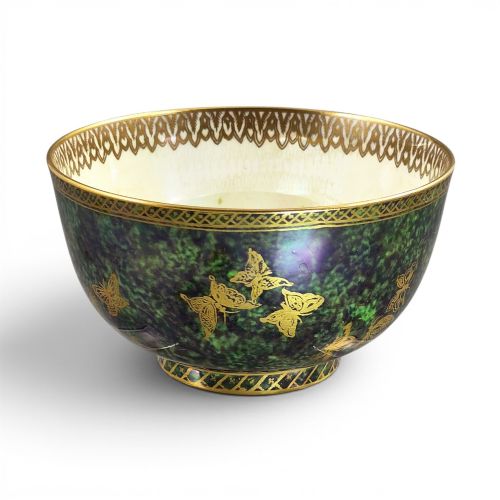
- A metallic glaze technique that produces an iridescent surface sheen, often seen in copper, gold, or mother-of-pearl effects. Wedgwood utilised this extensively on decorative bowls.
- Imari
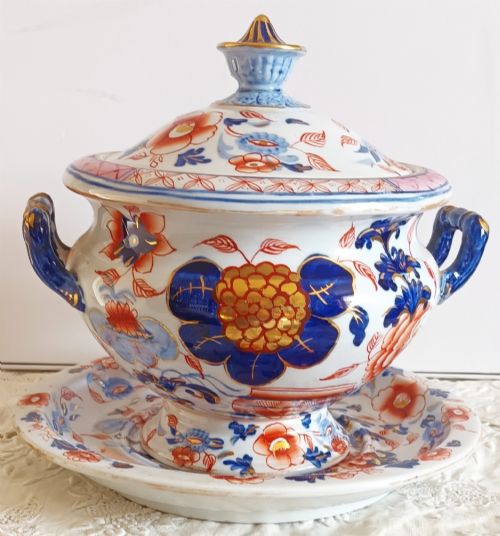
- A decorative style inspired by Japanese export wares, featuring rich underglaze blue and iron red highlights enriched with gold. Factories such as Royal Crown Derby adapted this palette for various dishes and services.
- Sucrier
- A covered sugar bowl designed to match tea services of the Georgian and Regency periods. They often feature delicate handles and gilded finials.
- Tazza
- A shallow saucer-like dish mounted on a stem and foot, used for serving fruit or sweets. They appear frequently in Victorian porcelain productions.
Gilded China Bowl: Frequently Asked Questions
How do I date an old bowl?
Examine the factory marks stamped or painted on the base, as these often changed with the reigns of monarchs or company partnerships. Stylistic clues such as Regency shapes or Edwardian lustre patterns also help narrow down the decade of production.
Comparing the paste quality and gilding technique against known factory timelines provides further verification of the period.
Can I use these bowls for food?
Most antique pieces are best reserved for display or light decorative use rather than daily dining. Historic overglaze gilding and enamels can wear away with frequent washing and cutlery contact.
Hand washing in lukewarm water with mild soap is essential if you choose to clean them, avoiding dishwashers entirely.
What is Fairyland Lustre?
Fairyland Lustre is a distinctive range of decorative wares designed by Daisy Makeig-Jones for Wedgwood in the early twentieth century. These pieces feature fantastical scenes with goblins, fairies, and dragons rendered in vibrant iridescent glazes.
They represent some of the most imaginative ceramic designs of the Edwardian period.
How do I distinguish ironstone from porcelain?
Ironstone is a heavy, opaque type of earthenware developed to be highly durable for everyday service use. Porcelain and bone china are thinner, often translucent when held up to the light, and possess a more delicate ring when tapped.
Both materials accepted gilding well, but ironstone forms tend to feel substantially heavier in the hand.