


Gilded Ceramic Serving Dish
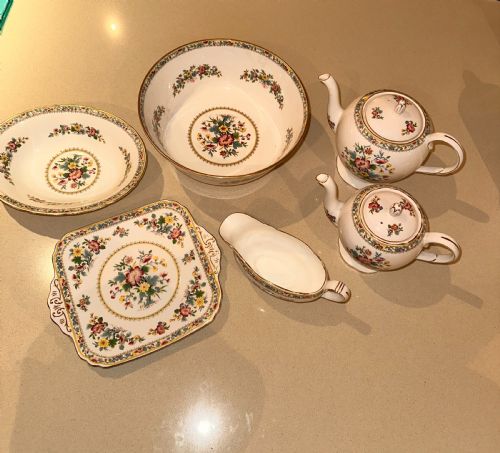
When you search for a gilded ceramic serving dish, you are looking at porcelain, bone china and ironstone enriched with gold leaf or gilt.
Gilded Ceramic Serving Dish
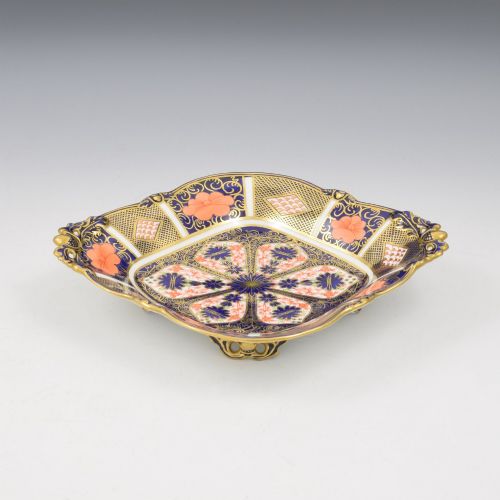
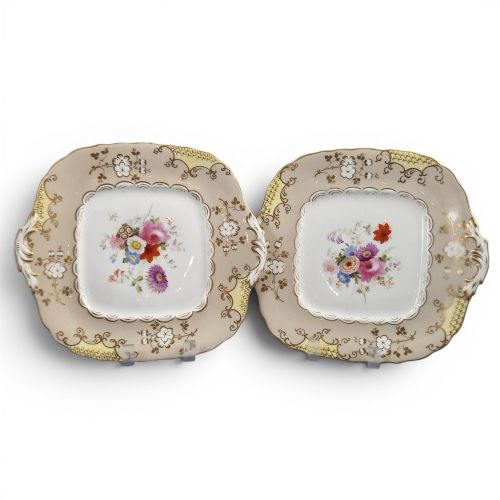
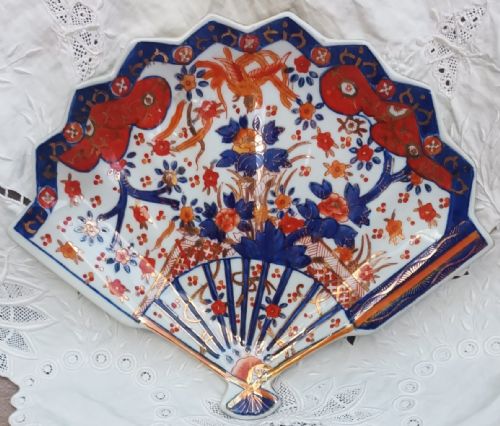
A gilded ceramic serving dish brings together functional tableware and decorative plates from the 18th century through to the early 20th century. The selection ranges from Georgian and Regency porcelain dessert sets to Victorian ironstone tureens and Japanese Imari porcelain chargers.
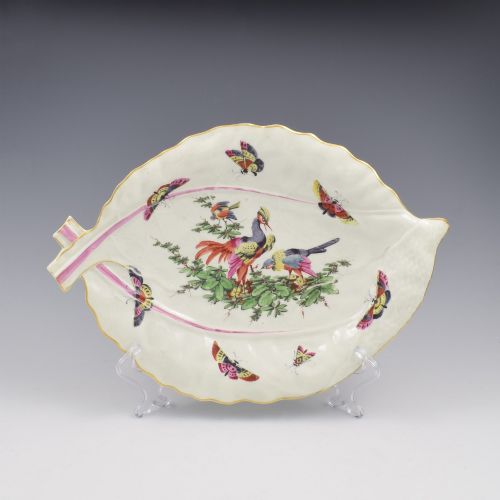
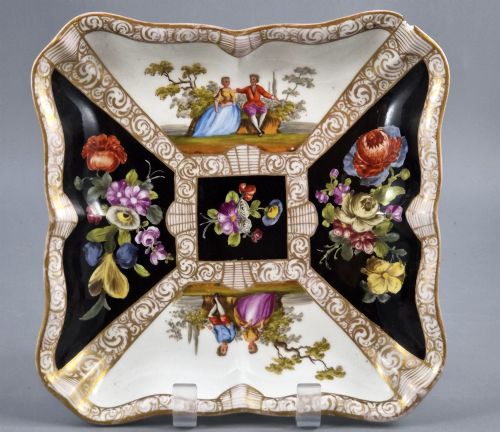
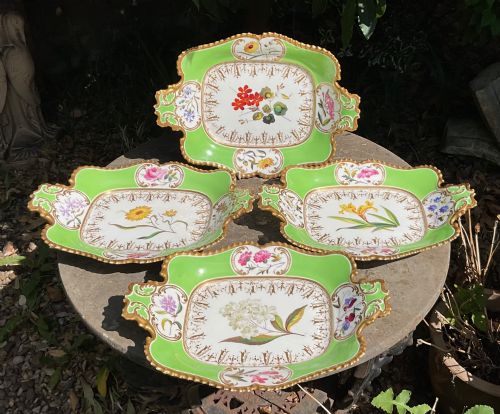
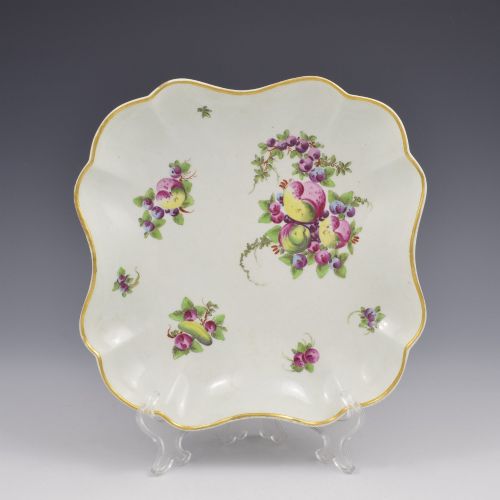
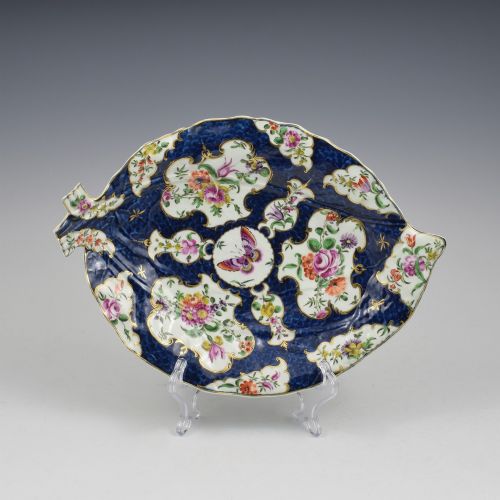
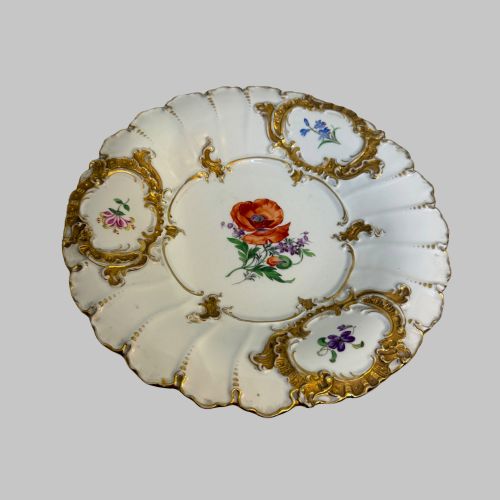
Most pieces on this page take the form of oval serving dishes, square lobed dessert dishes, leaf-shaped platters, and covered tureens. Makers from English factories like Worcester and Coalport to continental houses like Meissen produced these items for formal dining and display.
How They Were Made
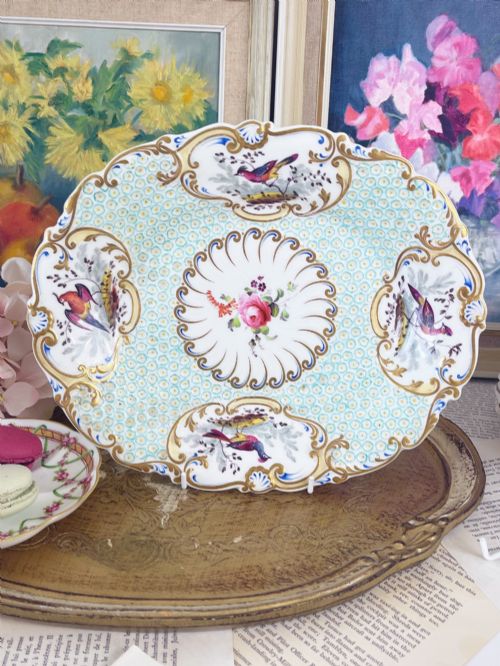
These items utilise ceramic bodies such as hard-paste porcelain, bone china, and ironstone, shaped into plates, bowls, and serving trays. Artisans applied hand-painted motifs, including botanical studies, birds, and floral bouquets, often complemented by transfer-printed outlines.
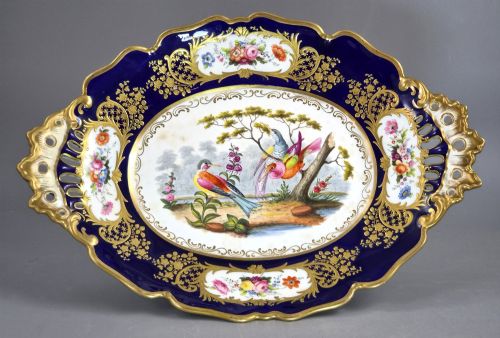
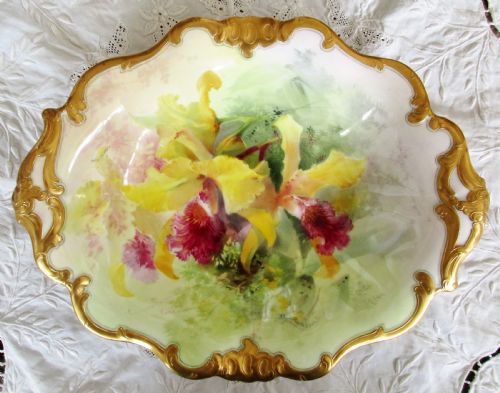
Gilding and gold leaf were applied by hand to rims, handles, and borders, sometimes sitting over cobalt blue grounds or enamel highlights before being fired in a kiln to bond the precious metal to the glaze.
Some Dr Wall Worcester dishes from the 1770s feature scale blue grounds designed to hide tiny firing freckles in the glaze.
What Varies in Quality
The standard of painting separates standard factory output from exceptional works, visible in the precision of hand-painted bird plumage, botanical details, and figurative scenes. Crisp moulding and intricate pierced work on porcelain trays require greater skill from the potter.
The preservation of the applied gold leaf and enamel colours dictates the retention of original crispness. Rich cobalt grounds and dense Kakiemon or Imari patterns reflect the ambition of the original production.
Royal Crown Derby·H & R Daniel·Dr Wall Worcester·Coalport·Meissen·Chamberlains Worcester·Hicks & Meigh·Royal Doulton·John Ridgway·Carlton Ware·Flight Barr & Barr·Royal Worcester·Mason·Spode·Vienna
The Gilded Ceramic Serving Dish Glossary
- Gilt
- A thin layer of gold applied to the surface of ceramic objects. This finish highlights rims, handles, and decorative borders.
- Ironstone
- A heavy, durable type of earthenware patented in the 19th century. It combines the strength of stoneware with the refined appearance of porcelain.
- Imari
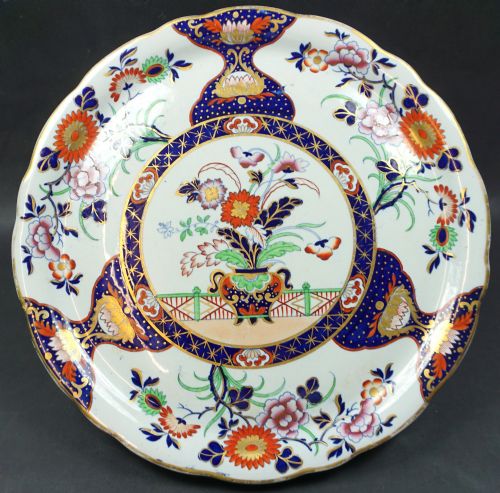
- A decorative style originating in Japan, characterised by a palette of underglaze blue, iron red, and gold. This style was widely copied by European porcelain factories.
- Tureen
- A deep covered serving dish used historically for soup, sauce, or vegetables. These vessels often feature twin handles and matching stands.
Gilded Ceramic Serving Dish: Frequently Asked Questions
What is a gilded ceramic serving dish?
It is a decorative or functional tableware piece made from ceramic, porcelain, or ironstone, finished with gold leaf or gilt details. These items span from 18th-century English leaf dishes to 19th-century continental platters and Japanese chargers.
They were designed for presenting food at formal dining tables or for display in cabinets. The combination of painted motifs and gold highlights defines their dual role as utility and art.
How do I care for antique gilded dishes?
Antique porcelain and ironstone require gentle hand washing in lukewarm water with mild soap. Dishwashers and harsh abrasives will damage the delicate overglaze enamel and wear away the gold leaf.
Store them securely using padded dividers between stacked plates to protect the rims and painted surfaces from scratching. Display them away from direct, prolonged sunlight to keep the colours vibrant.
How can I tell the period of a piece?
Examining the paste, glaze, and factory marks on the underside provides clear clues to the era. Georgian and Regency pieces often feature soft-paste or early bone china bodies with hand-painted flora or birds.
Victorian and later items frequently incorporate heavier ironstone bodies or distinct transfer-printed marks. Stylistic cues such as Rococo Revival moulding or Japanese Meiji motifs also help narrow down the date.
Were these dishes used for dining?
Many of these items served practical functions on the dining table for desserts, side dishes, or sauces. Serving trays and tureens held food during formal meals before being cleared.
Cabinet dishes and chargers, however, were often intended purely for decorative display on sideboards or walls. Their survival in good condition often depends on whether they spent more time on show or in active service.