

Gilded Carved Wood Table
A gilded carved wood table brings distinct presence to a room through centuries of ornate craftsmanship and reflective surfaces.
Gilded Carved Wood Table
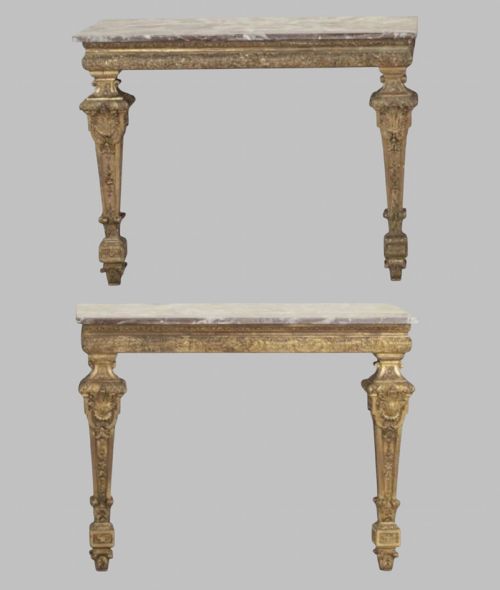
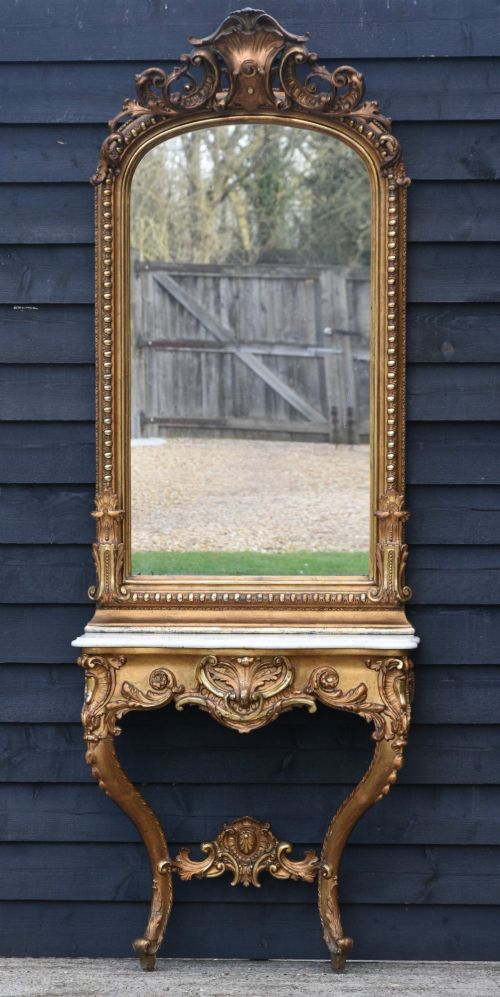
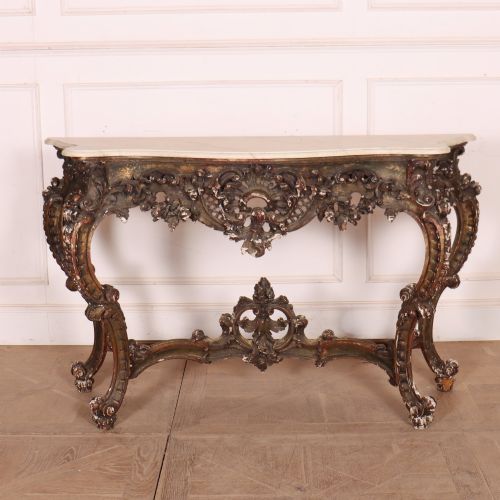
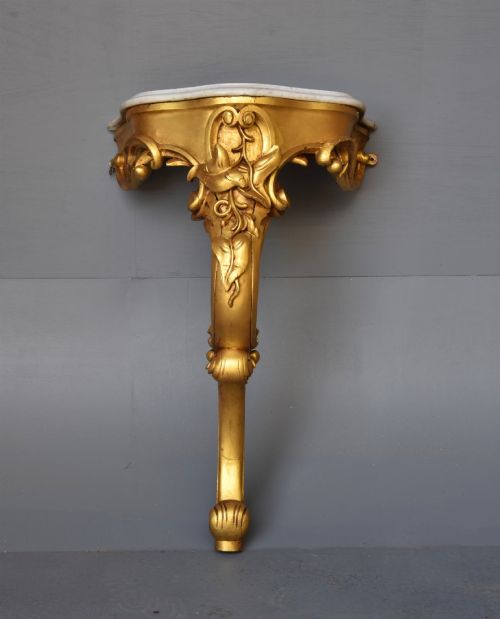
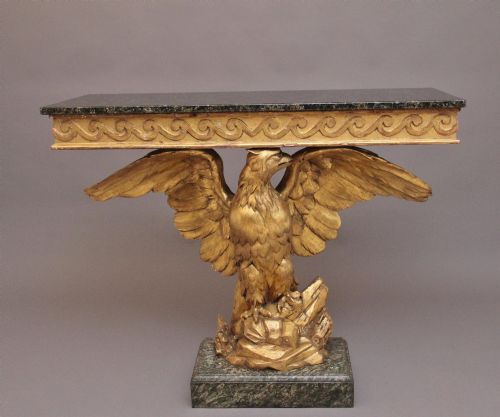
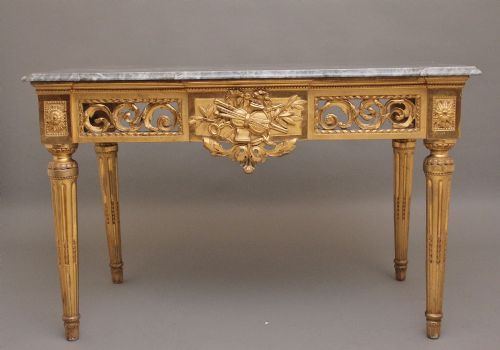
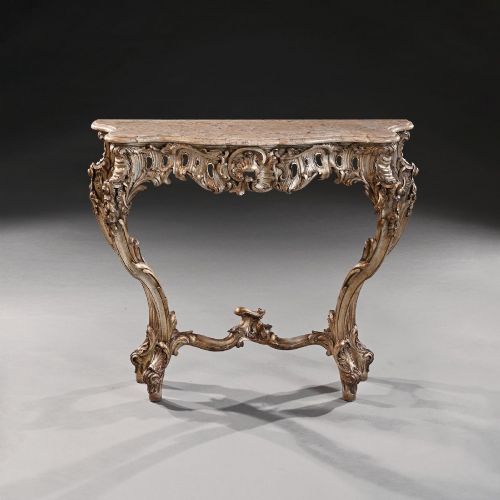
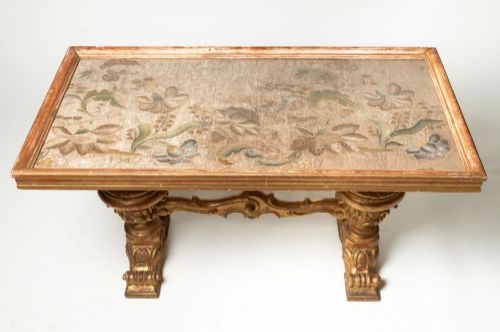
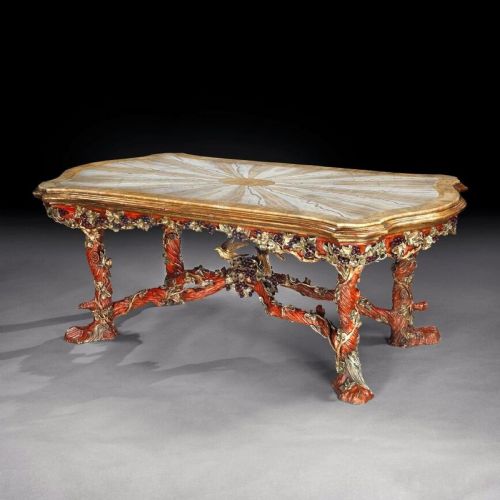
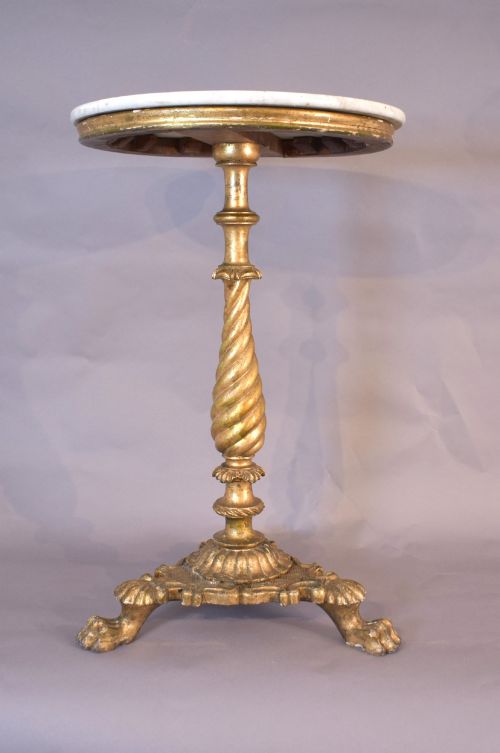
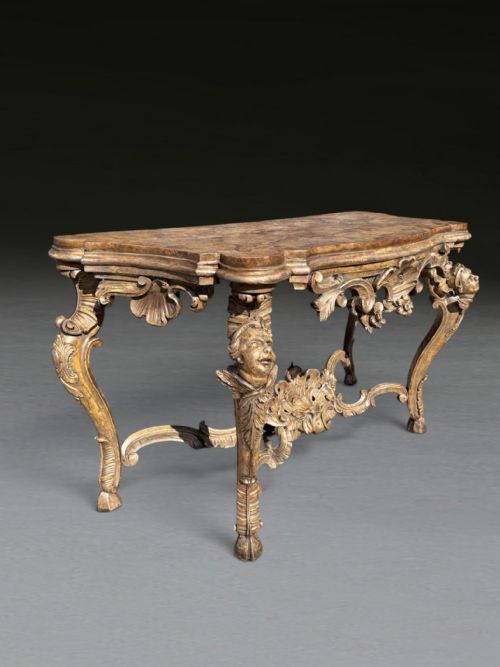
A gilded carved wood table predominantly appears in forms such as console tables, side tables, and coffee tables originating from the eighteenth and nineteenth centuries. These pieces reflect regional design traditions, notably French Rococo, Italian Baroque, and Neoclassical styles.
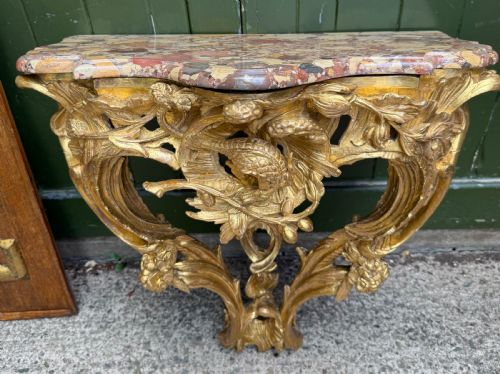
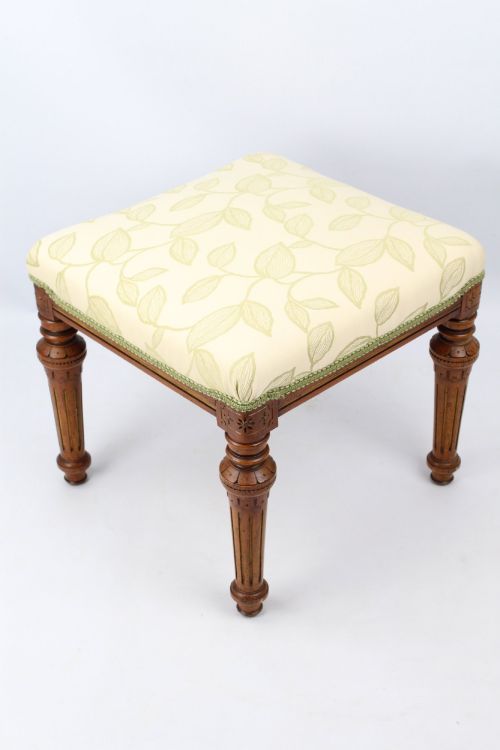
Console tables frequently feature shaped marble or onyx tops paired with elaborate carved wooden bases and supports. Other variations include smaller tripod tables, centre tables, and dressing table stools finished with gold leaf, gesso, or paint.
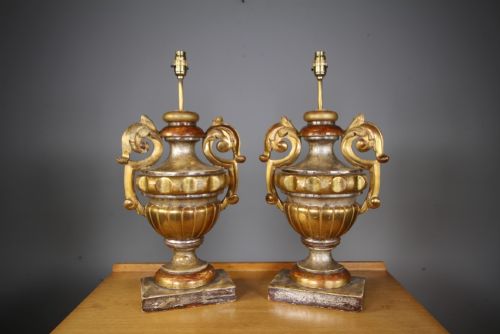
The selection ranges from Venetian and Italian console tables to French chateau pieces and Victorian adaptations. Buyers encounter both grand proportions with lion paw supports and smaller domestic stands or lamp bases.
Quality and Execution
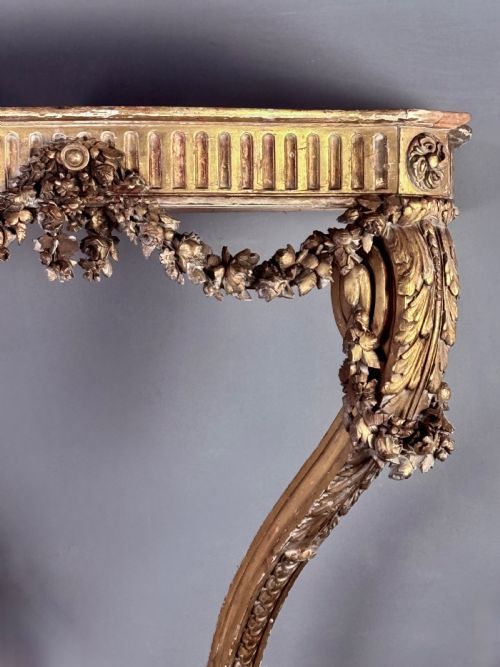
The crispness and depth of the carved wood details determine the artistic merit of the base. Finer examples display deeply undercut foliage, figures, or structural motifs executed with precision rather than shallow, mechanical tooling.
The application and preservation of the gold leaf or gesso layers dictate the visual impact of the surface. Superior pieces retain their original gilded or painted finish with coherent distressing, while inferior work shows clumsy modern overpainting or heavy losses to the underlying gesso.
Medieval dancing figures carved from limewood stand alongside monumental Baroque console tables and elephant seat sculptures.
Felix-Alfred Ternisien·Amleto Bertoni
The Gilded Carved Wood Table Glossary
- Giltwood
- Wood that has been coated with gold leaf. This finish creates a reflective, metallic surface typical of formal European furniture.
- Gesso
- A plaster-like mixture applied to wood surfaces as a base for gilding or painting. It provides a smooth ground that can be modelled and carved.
- Console table
- A table designed to be fixed against a wall, often supported by ornate front legs or brackets. They frequently feature marble tops and elaborate carved skirts.
- Breccia marble
- A type of marble composed of broken fragments embedded in a fine-grained matrix. It provides a highly figured, multi-coloured stone surface for table tops.
Gilded Carved Wood Table: Frequently Asked Questions
Where should I place a console table?
A console table works best positioned against a flat wall in an entryway, hallway, or principal reception room. Because these tables are traditionally designed to be viewed from the front and sides, they occupy minimal floor space while providing a surface for lamps or decorative objects.
Pairing the table with a matching pier mirror or placing it beneath artwork enhances its architectural function within an interior scheme.
Are marble tops original to these tables?
Many antique console tables retain their original inset marble or onyx tops, such as breccia d'alep or variegated stone slabs. Stone tops were chosen for their weight and durability, anchoring the ornate wooden bases securely against walls.
When assessing a piece, examine the fit of the stone within the wooden rebate and check for consistency in age between the marble and the base.
How do I distinguish Baroque from Rococo styles?
Baroque furniture emphasises symmetry, monumental scale, and heavy classical motifs like lion paws, bold scrolls, and architectural dignity. Pieces from this tradition project an imposing presence suited to grand interiors.
Rococo design introduces asymmetry, fluid C-scrolls, naturalistic shell motifs, and lighter proportions. The carving feels more organic and theatrical compared to the rigorous structure of Baroque work.