







Gilded Buddhist Sculpture
These gilded buddhist sculpture pieces bring sacred presence into a room, finished with gold leaf or gilt surfaces that catch the light.
Gilded Buddhist Sculpture
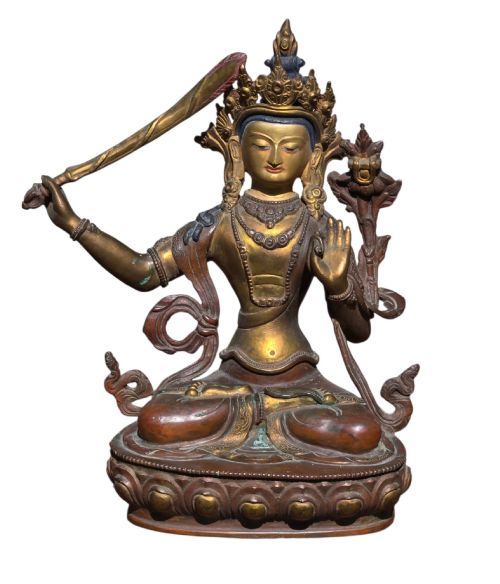
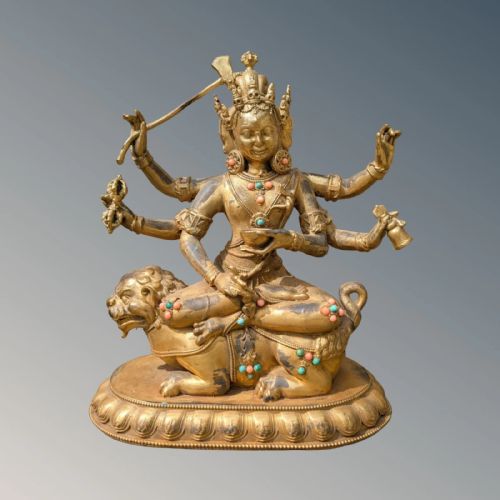
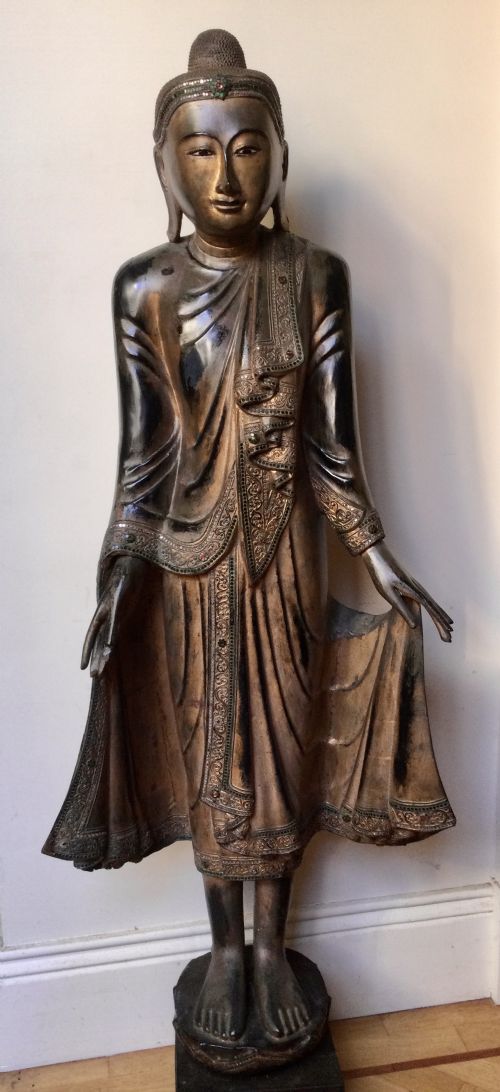
When you search for gilded buddhist sculpture, you encounter figures fashioned across centuries from Asia, spanning figures of deities and sacred animals. These statues range from 16th century pieces to Edwardian items, reflecting traditions from Tibet, China, Japan, and Southeast Asia.
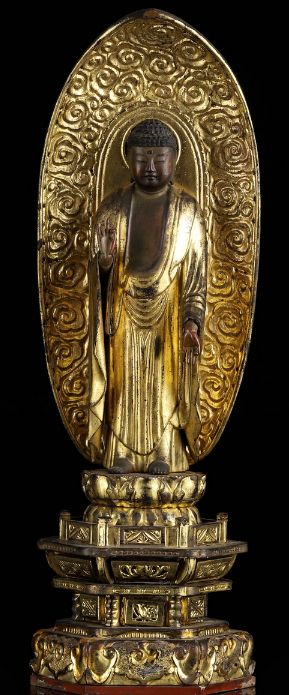
The selection on this page centres on copper alloy casts and carved wood figures, often enhanced with gold leaf, lacquer, or polychrome paint. You meet representations of Guanyin, Kannon, Buddha, temple lions, and attendant deities.
Originating from diverse traditions including Sino-Tibetan, Edo period, and Qing dynasty workshops, these sculptures showcase distinct regional iconography. The grouping encompasses substantial altar pieces alongside smaller domestic figures.
Materials and Construction
Many of these pieces are cast in copper alloy or gilt bronze, utilising traditional lost-wax methods to achieve intricate detail in robes and ornaments. Artisans then applied fire gilding or gold leaf to highlight the sacred forms.
Carved wooden statues rely on native timbers, which were shaped, gessoed, and finished with layers of lacquer, gold leaf, or polychrome paint. Iron and stone examples demonstrate alternative heavy media worked into devotional imagery.
Gilded Buddhist Sculpture Retail Price Guide 2026
Typical asking prices for gilded buddhist sculpture among the pieces listed under this phrase on Sellingantiques today, from the lower quarter to the upper quarter. They describe what is for sale here now, not the wider market.
Several temple lions stand ready to guard spaces, proving that mythical beasts require just as much gold leaf as deities.
Assessing Quality and Execution
The distinction between tiers rests upon the crispness of the casting or the depth of the carving in robes and facial expressions. Superior works retain finely chased details in the metalwork and deliberate proportions in anatomy.
Surface preservation plays a major role, where intact original gold leaf or gilt bronze surfaces command attention. The harmony between the base material and the applied gilding indicates the maker's mastery.
The Gilded Buddhist Sculpture Glossary
- Gilt bronze
- Metal sculpture cast from copper alloys and coated with a layer of gold, often through mercury gilding. This technique creates a durable, luminous finish that survives centuries.
- Gold leaf
- Hammered sheets of gold applied to wood, stone, or lacquer surfaces using an adhesive size. It provides a brilliant exterior while allowing the underlying material to shape the form.
- Sino-Tibetan
- An artistic style blending Chinese technical refinement with Tibetan Buddhist iconography. Pieces in this tradition often exhibit elaborate ornamentation and dynamic postures.
- Guanyin
- The East Asian bodhisattva of compassion, widely represented in Chinese art. These figures typically appear in serene standing or seated postures.
Gilded Buddhist Sculpture: Frequently Asked Questions
How do I care for a gilt wood sculpture?
Keep wooden figures away from direct sunlight and fluctuating humidity to prevent the timber from splitting. Dust gently with a soft, dry brush without using liquid cleaners that might harm the gold leaf.
Stable indoor conditions preserve both the carved substrate and the delicate metallic surfaces. Avoid handling the gilded areas directly to protect the finish from skin oils.
How can I identify regional styles?
Regional styles reveal themselves through facial typology, crown design, and the drape of garments. Sino-Tibetan works often display elaborate jewellery and lotus bases, while Japanese Edo period figures emphasise serene simplicity.
Examining the underlying materials, such as specific timbers or alloy compositions, also points toward geographic origin. Each tradition maintains distinct iconographic rules for depicting deities.
Where were these sculptures originally placed?
Many of these pieces stood upon temple altars as focal points for devotion and ritual offerings. Others served in domestic shrines within private homes or scholarly environments.
Larger statues and temple lions guarded sacred spaces, while smaller figurines accompanied personal meditation practices. Their placement dictated their scale and the visibility of their finished backs.