



Gilded Bronze Plinth
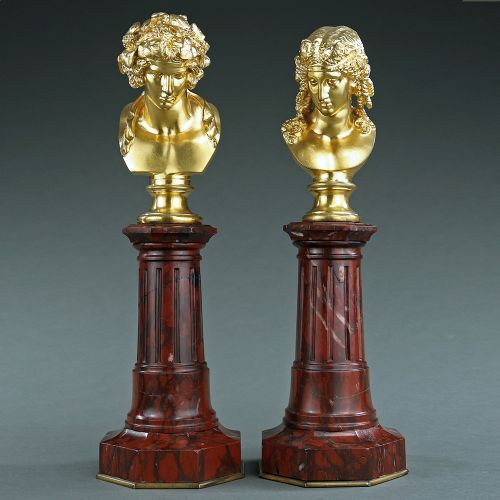
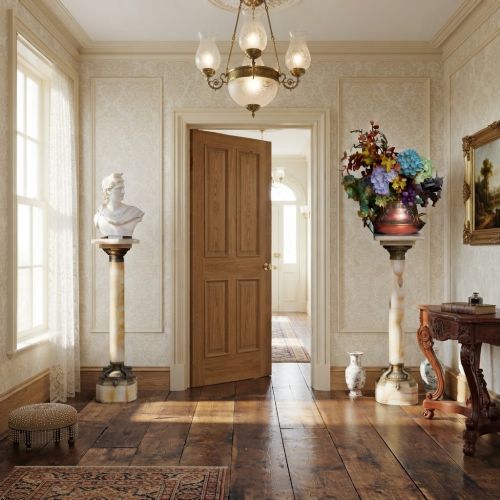
A gilded bronze plinth provides a weighted, lustrous stage for sculptures and busts, bringing classical presence to a room.
Gilded Bronze Plinth
A gilded bronze plinth or mounted base supports decorative objects, sculptures, and architectural columns found in nineteenth-century interiors. These pieces bring together metalwork and stone, using gilt bronze or ormolu mounts alongside marble, onyx, and olive wood.
The selections available here range from tall torchere columns and rotating stands to smaller decorative bases for sphinxes and busts. Neoclassical, French Empire, and Classical Revival styles dominate the forms, reflecting centuries of European design revivals.
Buyers encounter pedestals, candelabra, and figural sculptures where the gilded bronze plinth forms an integral part of the composition. Nineteenth-century examples predominate, spanning earlier French Empire pieces down to later Victorian revivals.
How they were made
Craftsmen shaped these objects using cast bronze and gilt metal, often applying mercury gilding or modern electrogilding to achieve a durable golden surface. Ormolu mounts were meticulously chased and finished by hand after casting to sharpen the decorative details.
Natural stones such as white marble, red marble, and onyx were turned and polished to form the columns, plinths, and body of the pedestals. Olive wood and patinated bronze served alternate structural or contrasting roles in specific nineteenth-century bases.
Gilded Bronze Plinth Retail Price Guide 2026
Typical asking prices for gilded bronze plinth among the pieces listed under this phrase on Sellingantiques today, from the lower quarter to the upper quarter. They describe what is for sale here now, not the wider market.
Listings feature items predominantly from the nineteenth century, utilising gilt bronze, white and red marble, onyx, and olive wood across Neoclassical and French Empire styles.
What varies in quality
The crispness of the bronze chasing separates superior castings from softer, more generalized production. High-grade ormolu displays sharp undercuts and varied surface textures that catch the light differently than flat, uniform gilding.
Stone selection and turning precision heavily influence the standing of a piece. Solid, well-figured marble and onyx columns paired with substantial bronze mounts represent the finer end of the historical range.
The Gilded Bronze Plinth Glossary
- Ormolu
- Gilded bronze, typically produced using a mercury amalgamation technique on cast bronze objects. The term derives from the French for milled gold.
- Torchere
- A tall stand or column originally designed to hold a torch or candelabrum. These tall pieces elevate sculpture or lighting within a room.
- Neoclassical
- A style drawing inspiration from the classical art and culture of ancient Greece and Rome. It emphasises symmetry, proportion, and classical motifs.
- Patinated
- The surface appearance altered by age, oxidation, or deliberate chemical treatment. This finish gives bronze and other metals a deeper, darker tone.
- Shabti
- A small funerary figurine placed in ancient Egyptian tombs to act as a servant for the deceased. Later nineteenth-century examples often incorporate marble plinths.
Gilded Bronze Plinth: Frequently Asked Questions
What is a gilded bronze plinth used for?
These pieces function primarily as decorative supports or display bases for sculptures, vases, and busts. They elevate small artworks and bring structured architectural presence to interior spaces.
Historically, they also served as standalone decorative objects in grand interiors, particularly during the nineteenth-century revival periods when classical display methods were popular.
How do I identify nineteenth-century French Empire pieces?
French Empire pieces typically display strict classical symmetry, military motifs, and rich ormolu mountings applied to dark patinated bronze or marble. The influence of ancient Roman and Egyptian design is usually pronounced in the cast details.
Examining the weight, the crispness of the bronze chasing, and the integration of the stone base helps distinguish genuine period production from later revivals.
Are marble and onyx columns heavy?
Yes, columns and pedestals constructed from solid marble, onyx, and mounted bronze are exceptionally heavy. Their substantial weight provides the necessary stability to safely support heavy sculptures and large bronze busts.
Placement requires a sturdy floor surface, and moving these pieces generally demands two people to prevent damage to the stone corners or bronze mounts.
How should I clean gilded bronze surfaces?
Gilded surfaces require gentle dusting with a soft, dry microfibre cloth to remove accumulated particles. Avoid commercial metal polishes, abrasive pads, and chemical cleaners that can strip the delicate gold layer.
If deeper cleaning is necessary, professional conservation advice should be sought to protect both the metal gilding and the underlying stone components.