





French Chateau Column
A french chateau column brings architectural presence and grand scale indoors, offering a focal point designed to elevate display pieces or anchor a room with classical dignity.
French Chateau Column
When you search for a french chateau column, you encounter architectural elements and display pieces that channel continental grandeur, ranging from painted pedestals to classical plant stands and column-framed mirrors. These items span the nineteenth century into the early twentieth century, reflecting Victorian and Edwardian interpretations alongside distinct French Neoclassical and Rococo Revival aesthetics.
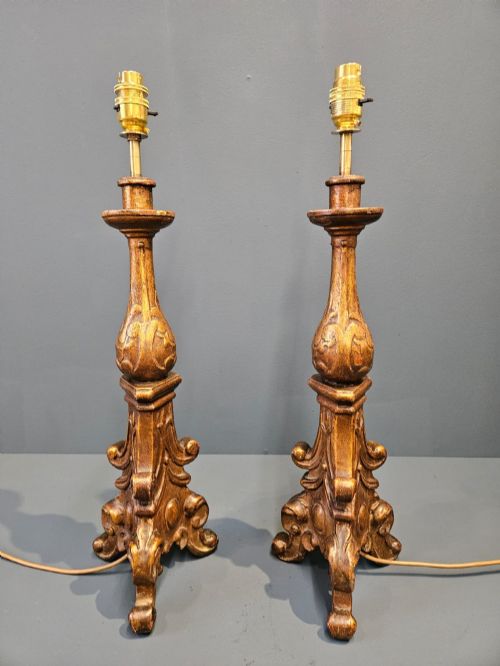
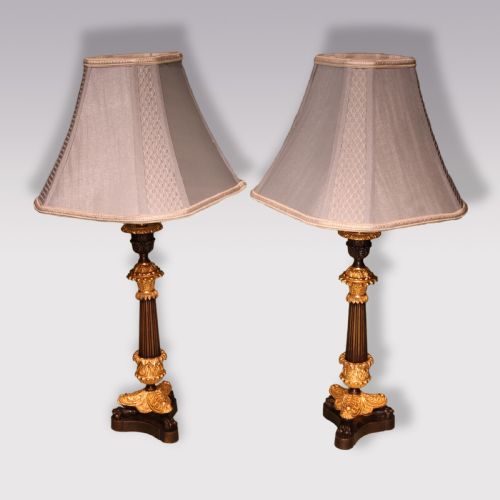
The selections on this page most frequently take the form of pedestals, plinths, and column-framed mirrors, alongside supporting furnishings like candlestick lamps, jardiniere stands, and pedestal tables. Materials lean towards carved timber, gesso, paint, marble, brass, and plaster, capturing the ornate yet rustic elegance associated with French country houses.
The heritage behind these items stretches across various decades, uniting nineteenth-century craftsmanship with early twentieth-century decorative pieces. Buyers seeking this look find objects that function as standalone focal points or as structural supports for statues, lamps, and decorative arrangements.
Materials and construction
Makers utilised carved timber, gesso, and plaster to build the foundational structure of columns and mirrors, often applying paint or gilt finishes to achieve an aged or opulent surface. These materials allowed artisans to carve intricate classical details such as caryatids and fluting while maintaining structural integrity.
Metal components, including chiseled brass, bronze, and ormolu, appear alongside natural stone like marble and onyx, particularly in pedestals, stands, and lamp bases. These heavier materials provided necessary stability for rotating tops and display surfaces while adding contrasting textures to the wood and plaster frameworks.
French Chateau Column Retail Price Guide 2026
Typical asking prices for french chateau column among the pieces listed under this phrase on Sellingantiques today, from the lower quarter to the upper quarter. They describe what is for sale here now, not the wider market.
Listings feature items from the nineteenth and early twentieth centuries, incorporating materials such as marble, brass, carved timber, gesso, and plaster.
Assessing quality and craftsmanship
The distinction between tiers of quality rests on the crispness of the carving and the depth of surface ornamentation, where hand-chiseled bronze mounts and detailed woodwork outshine simpler moulded forms. Superior examples display harmonious proportions and careful finishing in the gesso, paint, or gilt layers.
The integrity of the structural materials also dictates worth, as solid timber, genuine marble, and heavy cast metals provide durability and weight that lighter substitutes lack. Well-executed joining and smooth mechanical movement in rotating stands signal higher manufacturing standards.
The French Chateau Column Glossary
- Caryatid
- A carved architectural figure acting as a support pillar in place of a column. These sculpted human figures frequently appear on pedestals and mirror frames.
- Ormolu
- Gilded bronze applied to furniture mounts and decorative objects. This technique creates a rich gold-coloured finish characteristic of grand continental pieces.
- Gesso
- A plaster-like mixture applied to wood surfaces as a base for paint and gilding. It allows artisans to carve intricate relief details before finishing.
- Plinth
- The heavy base supporting a statue, column, or pedestal. It provides essential balance and visual weight to vertical display pieces.
- Jardiniere
- An ornamental stand or container designed to hold plants or flowers. These pieces often feature decorative metalwork or carved frames.
French Chateau Column: Frequently Asked Questions
What is a french chateau column?
A french chateau column encompasses architectural pedestals, plant stands, and column-framed mirrors inspired by continental country houses. These pieces bring vertical interest and classical detail into domestic interiors.
They serve both decorative and functional roles, acting as sculptural accents or sturdy supports for lamps, urns, and other display items.
How were these columns used?
Historically, these items functioned as display pedestals for art, lighting, or plants, elevating objects to eye level within grand rooms. Mirrors framed by columns were positioned to reflect light and expand spatial perception.
Today, they fulfill similar roles in modern interiors, serving as plinths for sculpture or as standalone architectural statements in hallways and living spaces.
What materials should I expect?
The materials vary from carved timber and gesso to painted plaster, stone, and metal. Wood and plaster forms often feature painted or gilt surfaces, while stands incorporate marble, onyx, and brass.
These diverse materials reflect the mix of rustic warmth and refined neoclassical detail typical of continental decorative arts from the nineteenth and early twentieth centuries.
How do I date these pieces?
Dating relies on stylistic clues and construction methods, observing whether a piece aligns with Victorian revivalism, Edwardian classicism, or specific French design movements. Materials like early plastics or modern adhesives indicate a recent date, whereas traditional joinery and patinated gesso point to older origins.
Examining the wear on painted surfaces and metal mounts helps establish the age range of the object.