
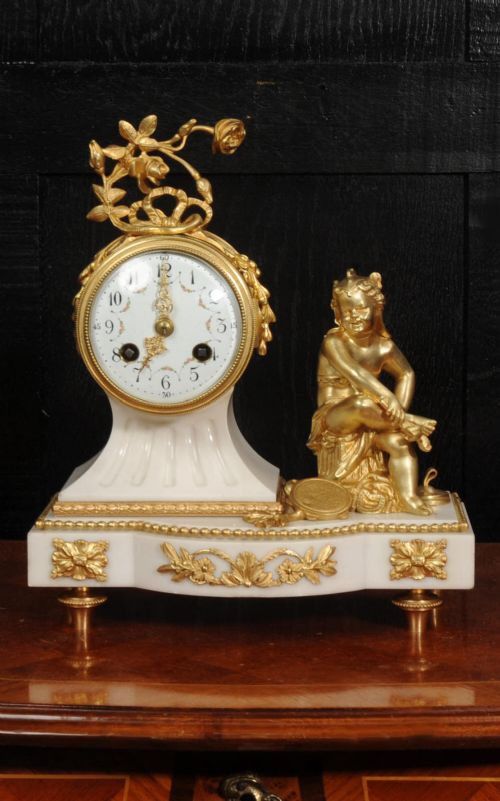
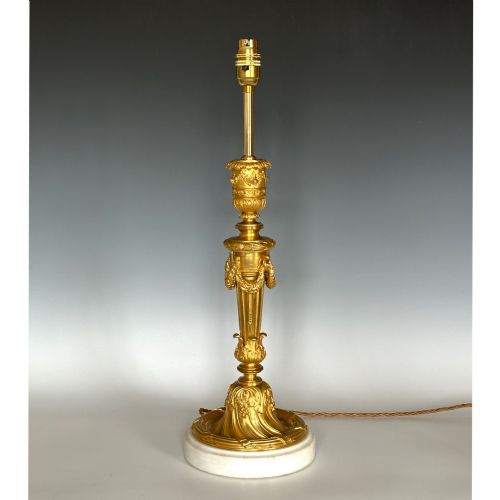
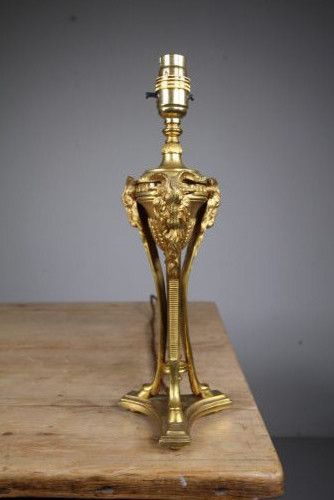
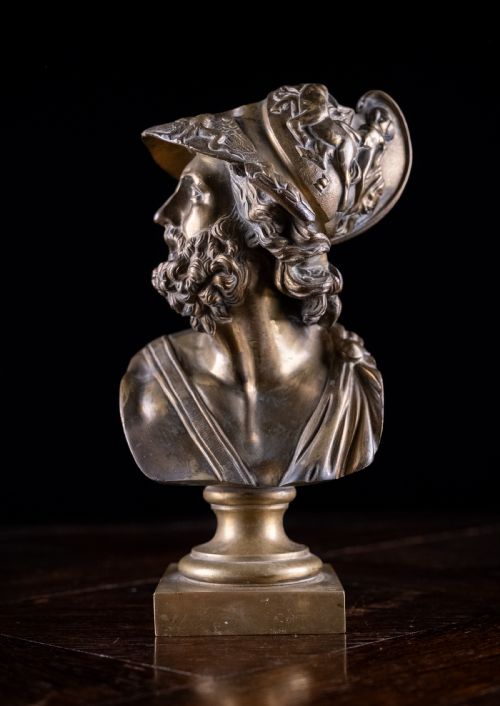
Gilded Bronze Desk
A gilded bronze desk brings substantial weight and refined surface detail to a study.
Gilded Bronze Desk
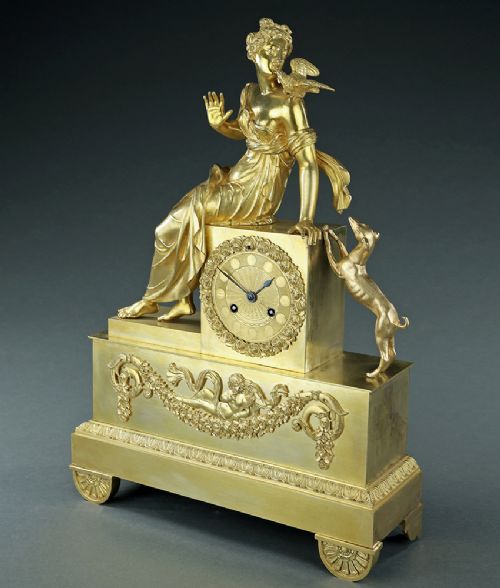
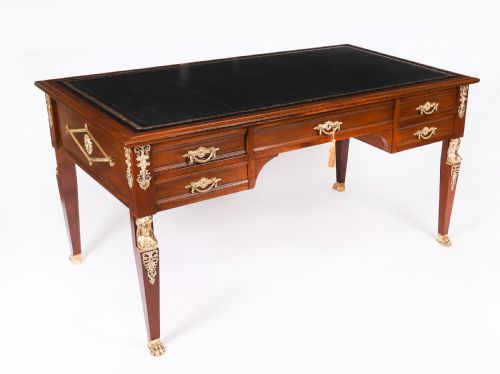
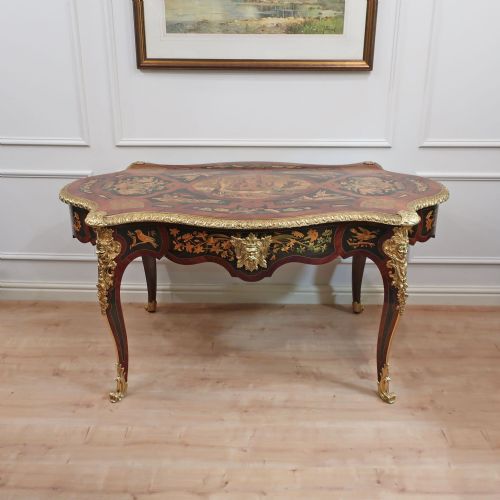
A gilded bronze desk is typically encountered as a nineteenth-century bureau plat or writing table, often enriched with elaborate cast metal mounts. These pieces combine timber structures with substantial metalwork, drawing heavily on French Empire, Louis XV, and Louis XVI revival styles.
Buyers also encounter related writing furniture and desk accessories, including lap desks, inkwells, and letter clips framed in gilt bronze. The selection spans the nineteenth century, including Victorian interpretations and early twentieth-century workshop productions.
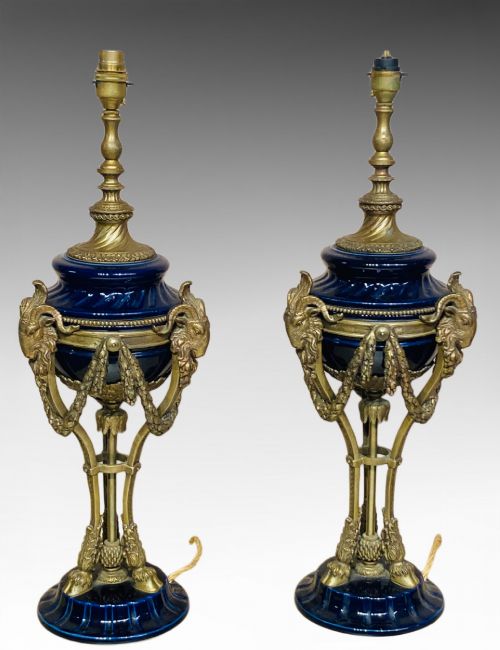
The primary forms balance structural utility with ornamental ambition, integrating marble, porcelain, or glass components into the writing surface and framework.
How they were made
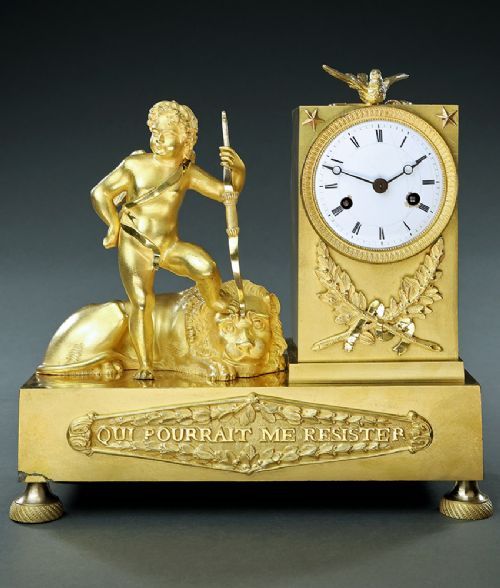
The construction relies on solid bronze or brass elements shaped through casting, then finished with mercury gilding or electroplating to achieve a durable golden lustre. These metal mounts are secured to timber carcasses such as mahogany or exotic veneers, or paired directly with marble and cut crystal.
Detailing is achieved through chasing and engraving the metal surface by hand after casting, accentuating the contrast between matte and polished areas.
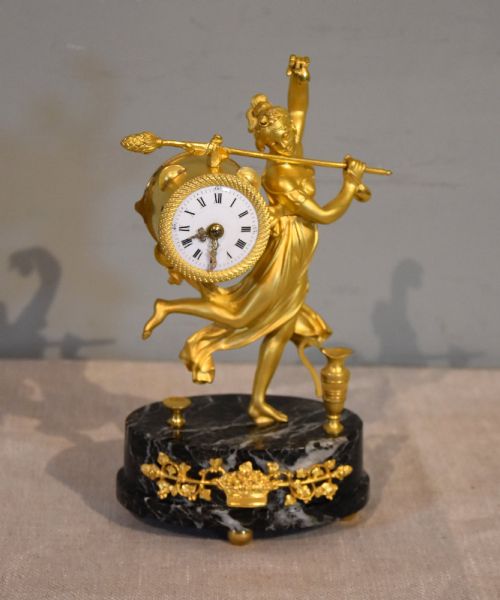
Listings demonstrate a strong presence of nineteenth-century French manufacture, combining gilt bronze with marble, porcelain, and exotic woods.
What varies in quality
Quality rests primarily in the crispness of the bronze casting and the depth of the subsequent chasing. Superior examples exhibit sharp relief and purposeful hand-tooling that defines every leaf, scroll, or figural element.
The integration of secondary materials, such as uniformly veined marble tops or undamaged Sèvres porcelain plaques, dictates the standing of an individual piece within its period.
Achille Brocot·Japy Freres·Le Roy Paris·Canaillor of Paris
The Gilded Bronze Desk Glossary
- Ormolu
- Gilt bronze produced by applying a mercury-gold amalgam to a bronze base and heating it to drive off the mercury. This technique creates a rich, durable golden surface seen on finer nineteenth-century mounts.
- Bureau plat
- A freestanding double-sided writing table fitted with drawers, originating in France. These tables frequently incorporate gilt bronze mounts along the apron and cabriole legs.
- Patinated bronze
- Bronze treated with chemical solutions to alter its surface colour rather than gilding it. It often provides textural contrast against bright ormolu mounts.
- Chasing
- The manual refinement of a cast metal surface using hammers and punches to sharpen details. Superior chasing distinguishes master workshops from standard commercial production.
- Sèvres
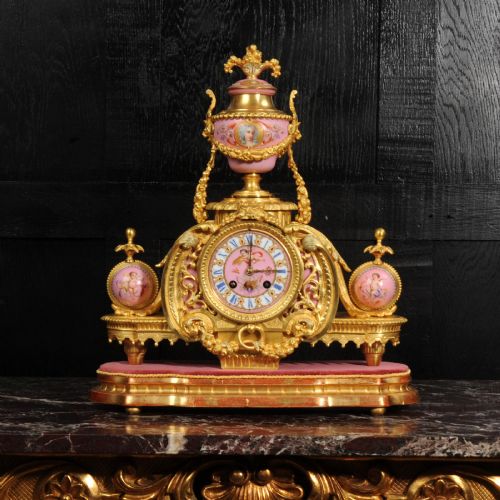
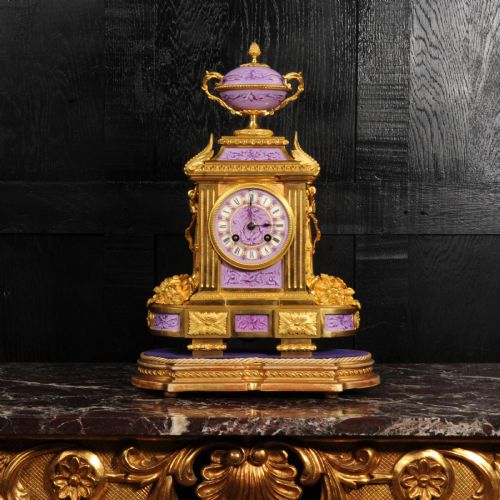
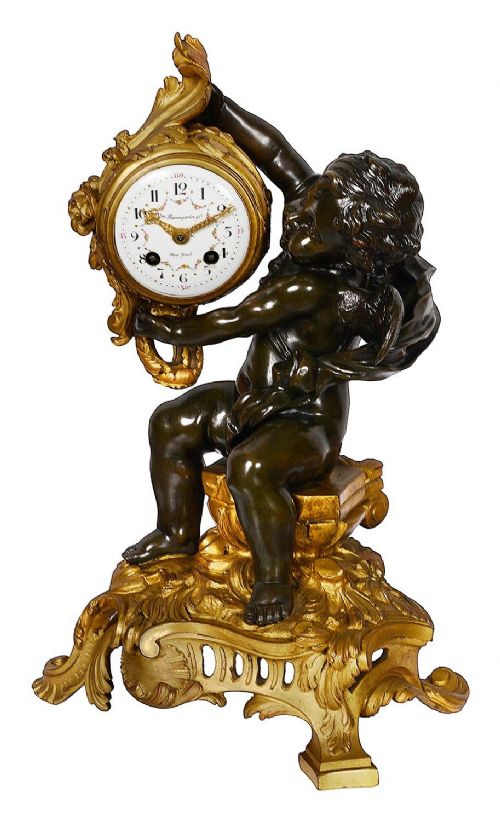
- Porcelain produced by the French national factory, frequently mounted into nineteenth-century clocks and decorative desk furnishings. These ceramic panels add coloured contrast to gilded bronze frames.
Gilded Bronze Desk: Frequently Asked Questions
How do I clean a gilded bronze desk?
Dust the surface regularly with a soft, dry brush to prevent particulate accumulation in the recessed chasings. Avoid abrasive cloths, commercial metal polishes, and chemical solvents that strip the historical gilding.
For stubborn grime, use a slightly damp cloth with mild soap, drying the metal immediately afterwards. Preserving the original surface patina maintains the long-term character of the bronze.
Are these desks suitable for daily writing use?
Most antique writing tables tolerate normal daily stationery work, provided the leather or wood writing surface receives proper care. Many historical desks feature inset panels that accommodate modern writing instruments.
Protect the top with a blotter if using fountain pens or heavy writing implements to prevent scratching the underlying timber or leather.
How do I identify French Empire style?
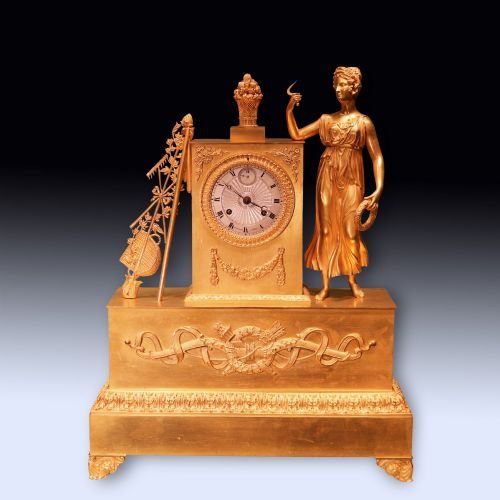
French Empire pieces display classical motifs inspired by ancient Rome, Greece, and Egypt, including laurel wreaths, sphinxes, and military trophies. The overall silhouette prioritises symmetry, architectural lines, and bold proportions.
Ormolu mounts on these items contrast sharply against dark patinated bronze or mahogany surfaces.
What is the difference between ormolu and gilt brass?
Ormolu specifically denotes fire-gilded bronze from the eighteenth and nineteenth centuries, featuring a deep, warm gold hue resulting from mercury amalgamation. Gilt brass or gilt metal generally indicates a lighter base alloy treated with modern plating methods.
Closer inspection of the weight, colour depth, and casting grain usually reveals the distinction between the two.