

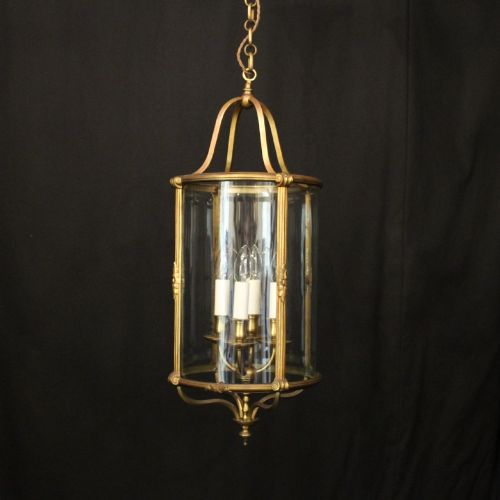
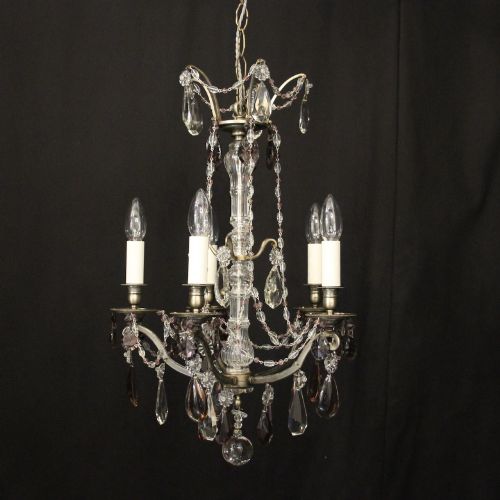
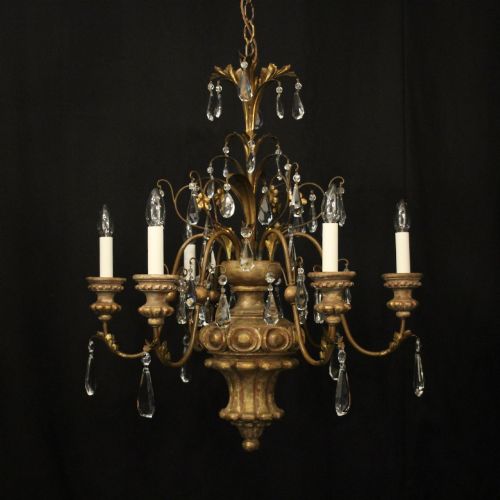
Gilded Bronze Ceiling Fixture
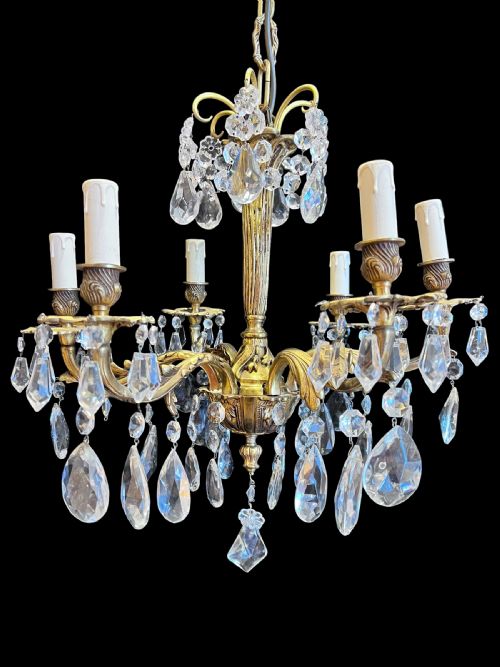
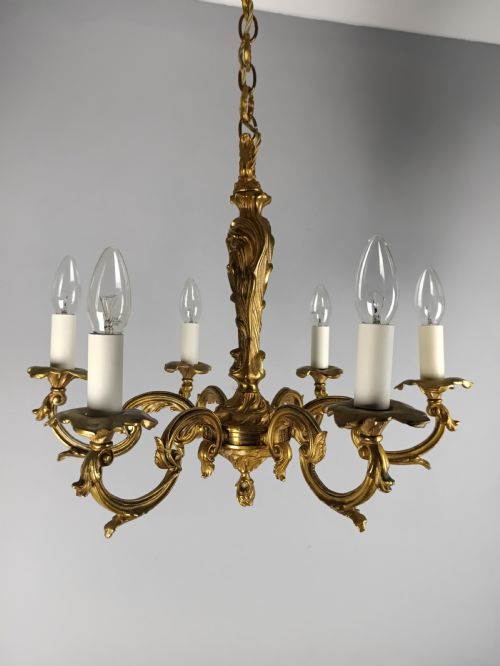
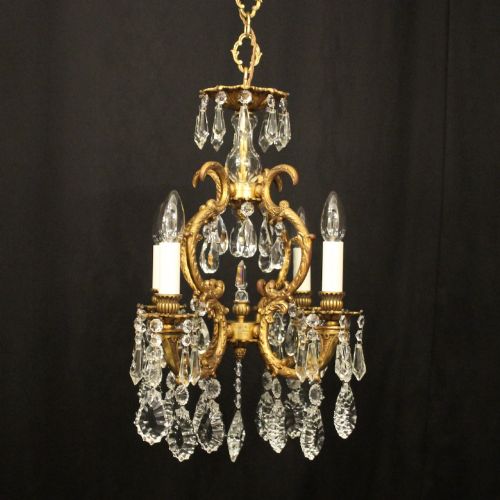
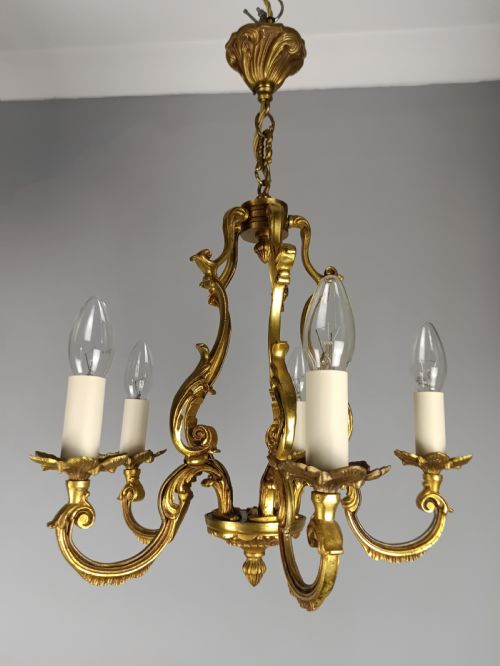
These gilded bronze ceiling fixture examples bring French and Italian period elegance overhead through cast metal, glass drops, and candles or bulbs.
Gilded Bronze Ceiling Fixture
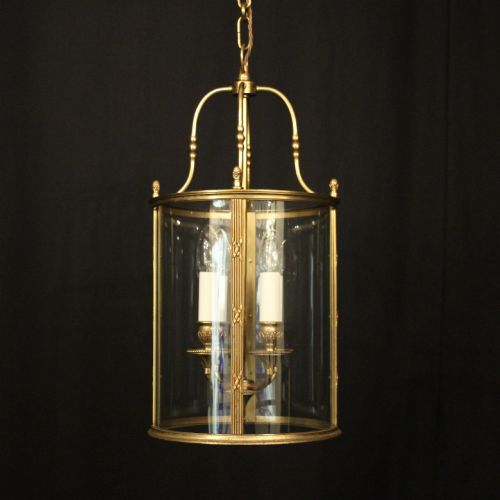
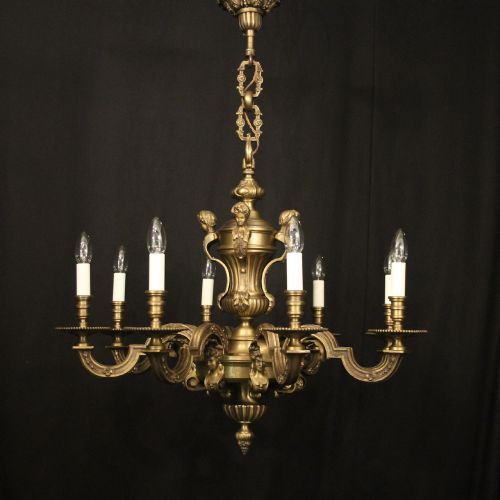
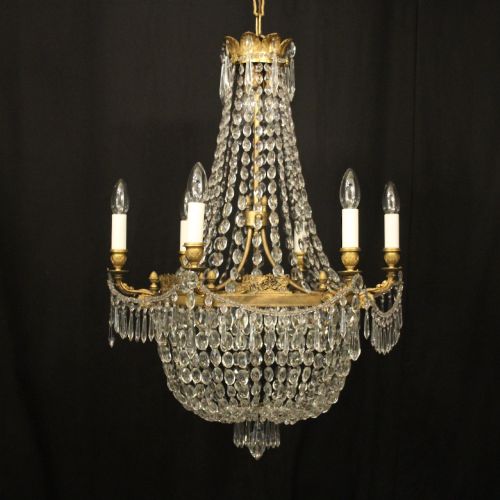
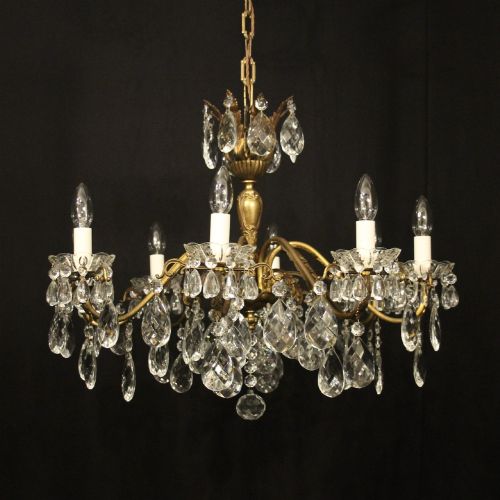
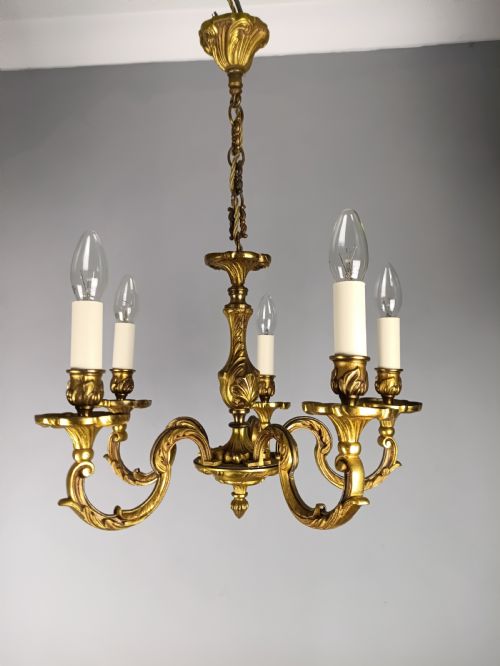
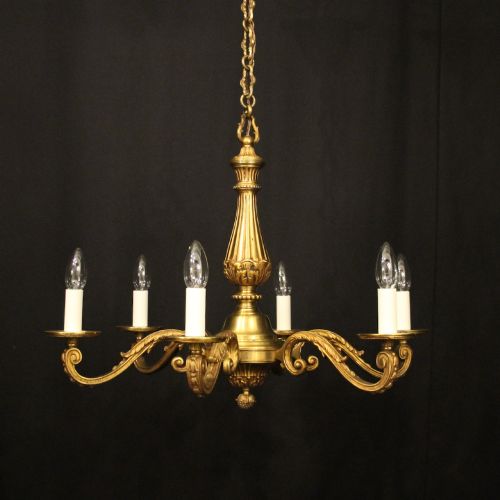
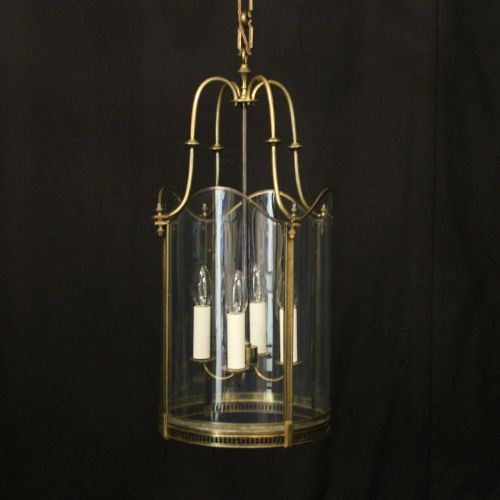
When you search for a gilded bronze ceiling fixture, you encounter overhead lighting predominantly originating from French and Italian workshops across the nineteenth century, Edwardian era, and the decades leading up to 1930. These pieces primarily take the form of chandeliers and hanging hall lanterns, designed to suspend centrally within rooms and entryways.
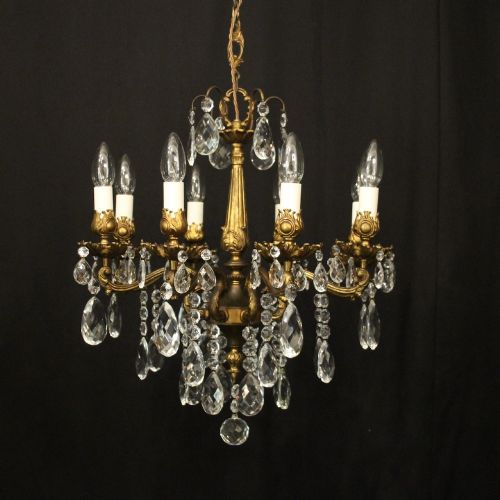
The most common iterations on this page comprise multi-light chandeliers and convex lanterns dated to 1920 and 1930, alongside nineteenth-century examples. They frequently incorporate candle arms or glass elements configured to scatter illumination downward into a space.
Materials and construction
These fixtures utilise cast bronze, gilt brass, and metal frames finished with applied layers of gold gilt or silver gilding. Artisans shaped structural arms and decorative mounts through metal casting, often combining the heavy bronze framework with brass components.
Transparency and sparkle enter the design through integrated glass and cut crystal drops, beads, or tent-and-waterfall formations. These crystal elements hang from the metallic armature to refract the light produced by the internal candle arms.
Certain chandeliers incorporate miniature gilt bronze birds perched quietly among the candle arms.
Distinctions in standard and execution
Quality separates through the crispness of the bronze casting and the depth of the original gilding applied to the metal. Superior examples exhibit sharply defined ornamentation across the arms and mounts rather than softened, generalised contours.
The integration of cut crystal and glass components further distinguishes standard, where hand-cut prisms with high clarity and complete crystal draperies elevate the overall visual impact above simpler metal-only frames.
The Gilded Bronze Ceiling Fixture Glossary
- Gilded Bronze
- Bronze metal treated with a thin layer of gold leaf or gilt finish. This technique provides a luminous metallic surface that resists tarnishing over decades.
- Chandelier
- A branched ceiling light fixture designed to hold multiple illumination points. These suspended items utilise arms radiating from a central column.
- Hall Lantern
- An enclosed hanging ceiling light typically utilised in corridors and entranceways. They feature glazed panels held within a metal frame.
- Cut Crystal
- Glass shaped with precision facets to maximise light refraction. It hangs from chandeliers to create sparkling visual effects.
- Ormolu
- A historical term describing gilt bronze ornaments applied to decorative objects and lighting. The finish mimics solid gold through applied metal coatings.
Gilded Bronze Ceiling Fixture: Frequently Asked Questions
How do I hang a heavy chandelier safely?
Suspension requires fixing directly into ceiling joists or structural timber using heavy-duty ceiling hooks rated for the total weight of the bronze and crystal components.
Professional electrical installation ensures the internal wiring safely accommodates modern voltage while preserving the historic lamp holders.
What rooms suit a hall lantern best?
Convex hall lanterns suit narrow entryways, corridors, and high-ceilinged stairwells where their enclosed glass panels protect the interior illumination from drafts.
Their compact profile provides focused downward light without overwhelming restricted spatial dimensions.
How do I clean cut crystal drops?
Cleaning involves removing individual crystal elements where possible and washing them gently in warm water with mild soap before drying with a lint-free cloth.
Leaving the crystal drops attached while wiping requires caution to avoid stressing the delicate wire connections securing them to the bronze frame.
How do I identify a nineteenth-century piece?
Nineteenth-century lighting often displays heavier casting weights, hand-cut crystal prisms with minor irregularities, and construction methods predating twentieth-century standardisation.
Examining the screw threads, joinery, and patination on the gilt bronze reveals the age of the structural components.