

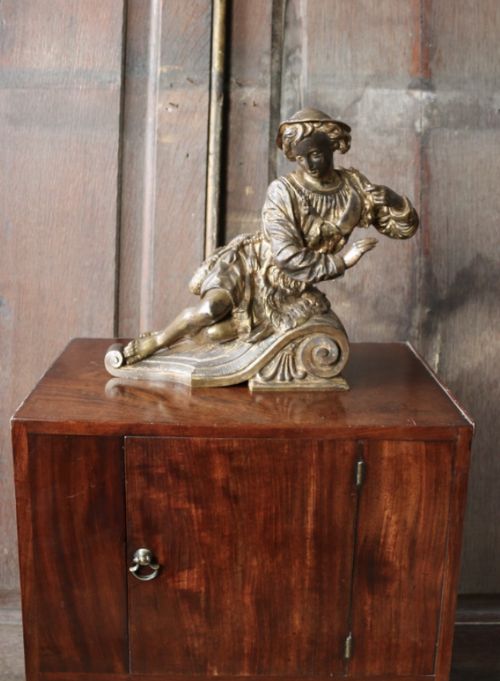


Gilded Brass Sculpture
A gilded brass sculpture brings tactile metallic warmth and historical weight to a room, ranging from classical Grand Tour horses to devotional temple figures.
Gilded Brass Sculpture
A gilded brass sculpture encompasses a diverse array of metalwork objects, including portrait busts, animal statuettes, and architectural ornaments finished with a brilliant golden surface. When exploring gilded brass sculpture, buyers encounter pieces that span centuries, from pre-sixteenth century devotional statuettes to twentieth century modernist fireside companions.
The selections on this page demonstrate distinct regional traditions and decorative functions, moving from European neoclassical souvenirs to Tibetan temple lions and Javanese classical deities. These objects frequently double as functional items, appearing as mantel clocks, fireside companion sets, and architectural wall art alongside pure sculptural forms.
Nineteenth-century interpretations dominate many searches, often drawing heavily on earlier French Renaissance Revival and French Rococo aesthetics or celebrating the spirit of the Grand Tour. Buyers most frequently meet mantel accessories, animal figures, and figural groups cast in bronze or brass and enriched with fire gilding or gold leaf.
Materials and construction methods
The primary material foundation relies upon durable copper alloys including brass and bronze, which provide a robust core capable of capturing intricate surface detail during the casting process. Artisans then apply surface treatments such as ormolu, gold leaf, or liquid gilding to impart a rich, luminous golden sheen across the sculpture.
The site listings feature works spanning from pre-sixteenth century temple figures to twentieth century Art Deco accessories, executed in gilt bronze, brass, and marble.
Assessing quality in metalwork
The standard of a gilded brass sculpture is largely defined by the crispness of the initial cast and the subsequent hand-chasing work executed on the metal surface. Superior examples retain sharp, deep definitions in hair, fabric, and muscular structure, whereas lower-quality castings often appear soft, muddy, or overly smoothed.
The integrity and application method of the golden finish further separate works of distinction from standard commercial pieces. An even, deeply bonded layer of mercury gilding or fire gilding demonstrates superior craftsmanship compared to flaky modern paints or uneven gold leaf applications that obscure the underlying metal.
The Birmingham Guild·Japy Freres
The Gilded Brass Sculpture Glossary
- Ormolu
- Finely ground high-carat gold applied to a bronze or brass object using a mercury amalgamation technique. This historic process produces a deep, durable metallic lustre that resists tarnishing over centuries.
- Grand Tour
- A cultural journey undertaken by wealthy young Europeans in the eighteenth and nineteenth centuries to study classical antiquities. Sculptures purchased as souvenirs from these travels frequently replicated ancient statues in miniature bronze or brass forms.
- Fire gilding
- A chemical method of coating base metals with a gold and mercury paste, which is then heated so the mercury vaporises, leaving a permanent golden bond. This technique was widely practiced before modern electroplating regulations.
- Chasing
- The manual post-casting process of refining metal surfaces using small punches and hammers. Master artisans used this technique to add texture, correct casting flaws, and sharpen fine details.
- Relief
- Sculptural work where figures project from a flat background rather than existing fully in the round. Gilt relief tableaux often depict classical or narrative scenes framed for wall display.
Gilded Brass Sculpture: Frequently Asked Questions
How do I clean a gilded brass sculpture safely?
Dust the surface gently with a soft, dry artist brush to remove accumulated particles without abrading the delicate gold layer. Avoid commercial metal polishes, water, and harsh chemical solvents, as these substances strip away historic gilding permanently.
For stubborn grime, consult a professional conservator who specialises in historic metalwork rather than attempting deep chemical cleaning at home. Preserving the original patina and remaining gold leaf ensures the piece retains its historical integrity.
Where should I display these sculptures at home?
Position your sculpture in a stable environment away from direct sunlight, high humidity, and extreme temperature fluctuations that can destabilise mounted marble or wooden bases. Placing the piece on a secure mantelpiece, sideboard, or dedicated display shelf highlights its reflective golden qualities.
Ensure the sculpture sits safely out of high-traffic areas where accidental knocks could damage delicate protruding elements like limbs, spears, or architectural details. Good directional lighting helps accentuate the chased textures and metallic sheen of the metal.
How do I distinguish bronze from brass in older pieces?
Bronze is an alloy primarily composed of copper and tin, typically yielding a deeper, reddish-brown undertone beneath worn gilding, whereas brass is a copper and zinc alloy with a brighter, more golden-yellow base colour. However, visual identification can be exceptionally difficult when a thick layer of historical fire gilding or ormolu completely covers the underlying metal.
Many period makers used the terms interchangeably in contemporary records, and chemical analysis is rarely necessary for appreciation. Focus instead on the weight, casting quality, and surface finish of the object rather than the exact alloy composition.
What is the significance of Grand Tour pieces?
Grand Tour sculptures were produced as high-end souvenirs for educated travellers visiting archaeological sites and museums in Italy and Greece during the nineteenth century. These miniature reproductions allowed collectors to bring classical antiquity and academic prestige back to their domestic studies and libraries.
Today, these objects are valued for their fine reduction casting and direct connection to nineteenth-century collecting habits. They offer a tangible link to the history of taste and the transmission of classical art forms across Europe.