


1930s Brass Sculpture
These 1930s brass sculpture pieces capture the sharp lines and dynamic energy of the Art Deco era, offering a striking centrepiece for any room.
1930s Brass Sculpture
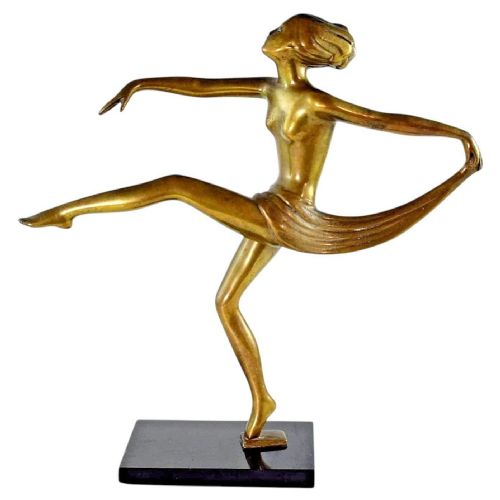
When you search for 1930s brass sculpture, you encounter figures and decorative objects shaped by the Art Deco aesthetic of the period. The selection on this page ranges from stylised dancers and golden pheasants to practical items like table lighters and mantel clocks.
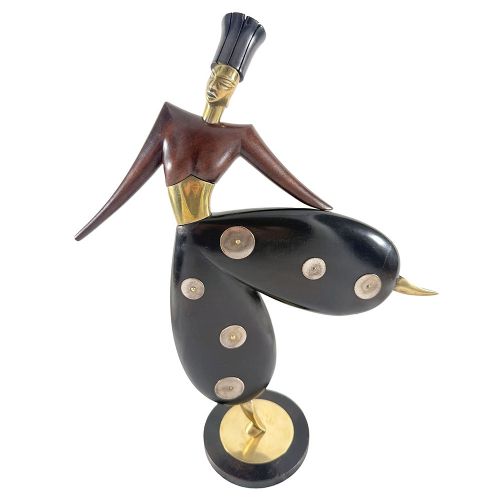
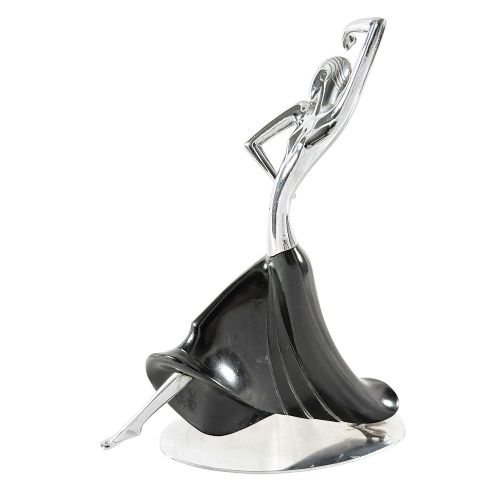
Many of these works merge brass with materials such as wood, chrome, and marble, reflecting the varied manufacturing approaches of the 1920s and 1930s. Female figurative dancers and bird motifs appear frequently among the listings, capturing the distinctive dynamism of interwar design.
How they were made
Maker studios shaped these objects using brass, bronze, and plated metals, frequently combining them with black marble or green onyx bases. Workers utilised casting and polishing techniques to achieve the smooth metallic finishes characteristic of the style.
Some pieces incorporate painted metal or chrome plate alongside wood elements, demonstrating the mixed media approach common in interwar workshops.
Golden pheasants and seagulls riding waves share shelf space with dancing figures, proving the 1930s loved wildlife just as much as glamour.
What varies in quality
Quality across these works rests on the crispness of the casting and the fidelity of the designated style, separating standard production runs from more expressive pieces. Articulation in the figures and the seamless integration of mixed materials indicate higher workshop standards.
The choice of base materials, such as solid black marble or green onyx, alongside the preservation of original painted or gilt surfaces, further distinguishes the tier of execution.
Josef Lorenzl·Sier Kunst·Hagenauer·Ferdinand Priess·The Birmingham Guild
The 1930s Brass Sculpture Glossary
- Art Deco
- A design style of the 1920s and 1930s characterised by stylised forms, geometric lines, and modern industrial materials. It dominates the aesthetic of these sculptures.
- Spelter
- A zinc alloy frequently utilised as a cost-effective alternative to bronze or brass for figural castings during the interwar period. It often received painted or metallic finishes.
- Mascot
- A small ornamental sculpture mounted on a vehicle radiator cap or displayed independently as a desk object. Several animal and figurative designs originate from this tradition.
- Onyx
- A banded stone variety often cut into polished bases for clocks and lamps. Green onyx provides a heavy, colourful foundation for metal figures.
1930s Brass Sculpture: Frequently Asked Questions
What materials are used in these sculptures?
The pieces utilise brass, bronze, and spelter, frequently paired with chrome plate, painted metal, and gilt metal. Bases are often formed from green onyx or black marble, and occasionally wood.
Some designs incorporate mottled opaline glass alongside the metal components to create lighting effects.
How can I identify an Art Deco piece?
Art Deco objects display stylised, streamlined forms such as leaping dancers, birds in flight, and geometric animals. The focus rests on modern movement and simplified anatomy rather than strict naturalism.
Materials like chrome and polished brass further signal the industrial influences of the interwar period.
Were these objects purely decorative?
While many items functioned simply as display figures, others served a dual purpose in the home. The selection includes practical household objects such as mantel clocks, table lamps, table lighters, and fireside companion sets.
Sculptural forms were frequently integrated into everyday items during this period.
How should I clean a brass sculpture?
Dust the surface gently with a soft, dry cloth to remove everyday particles. Avoid abrasive polishes that might strip original patination or damage painted metal and gilt details.
Take care around mixed media bases like marble or wood to prevent moisture damage.