
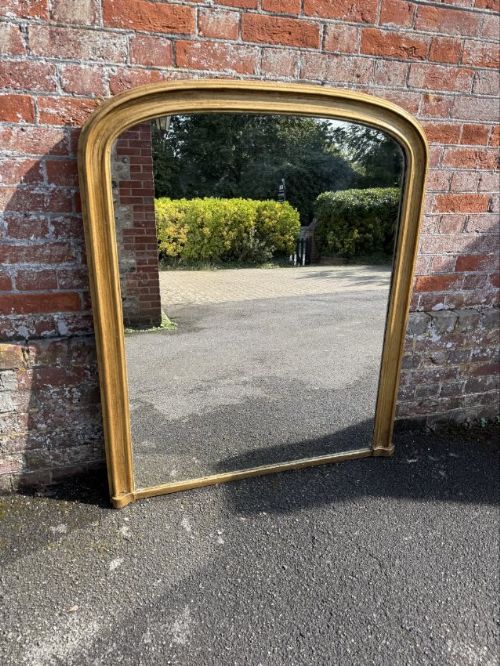
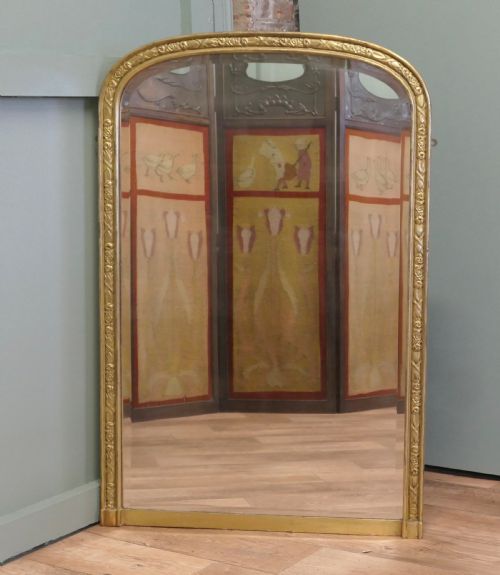

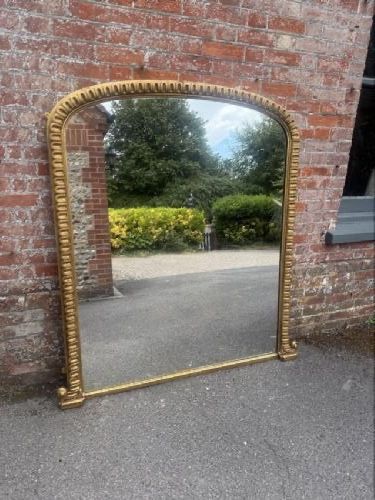
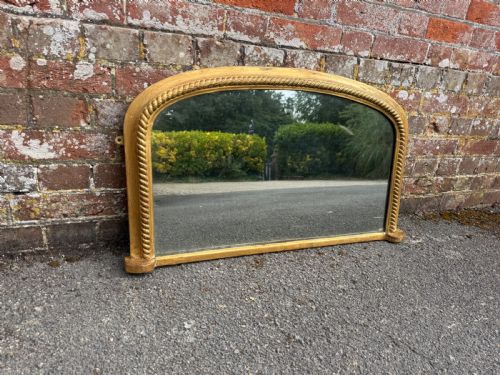

Gilded Arch Frame Mirror
A gilded arch frame mirror brings warmth and depth to a room, capturing light across shaped timber and reflective glass.
Gilded Arch Frame Mirror
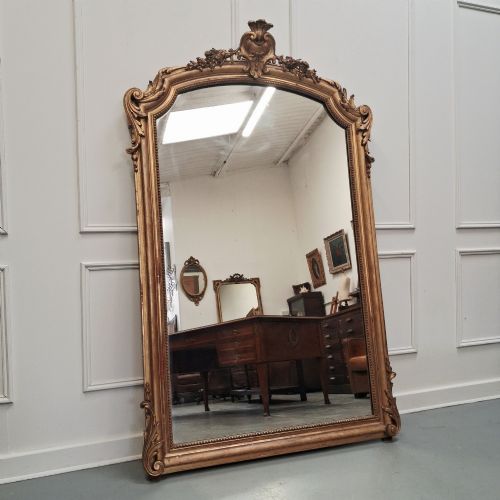
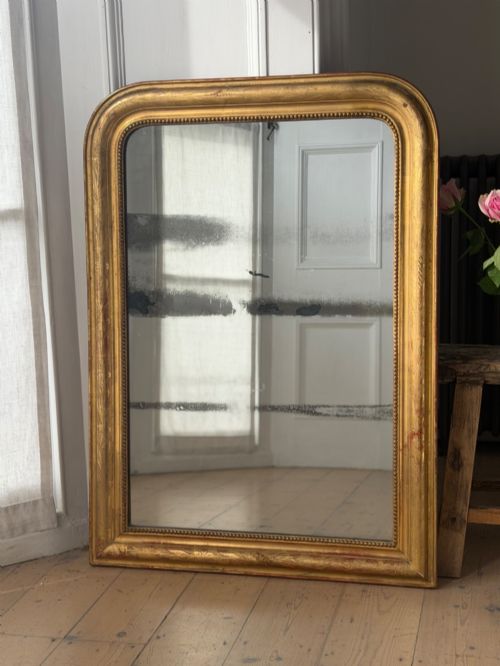
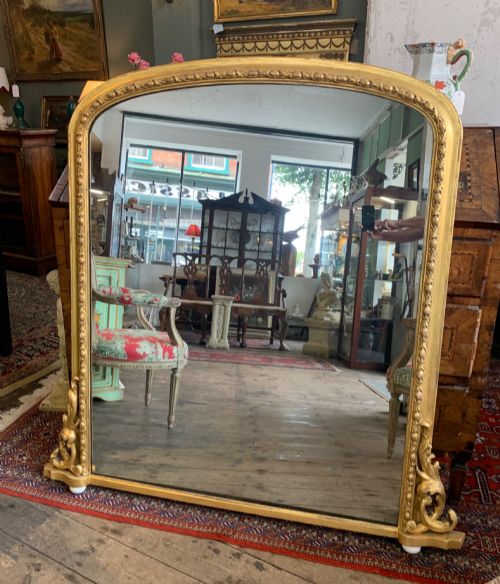
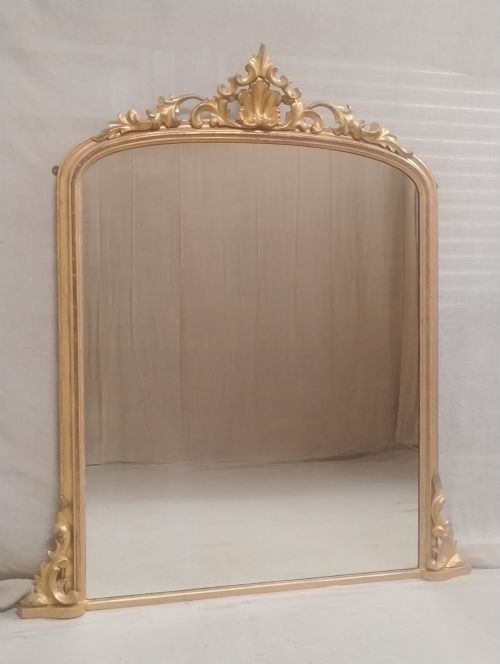
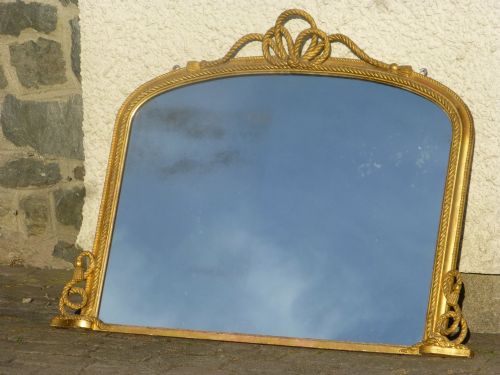
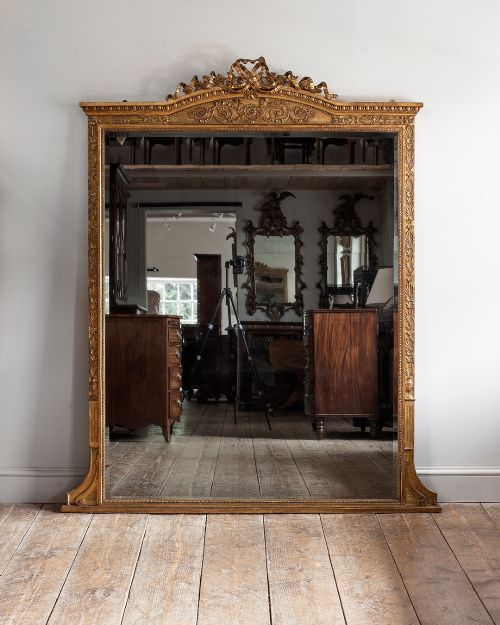
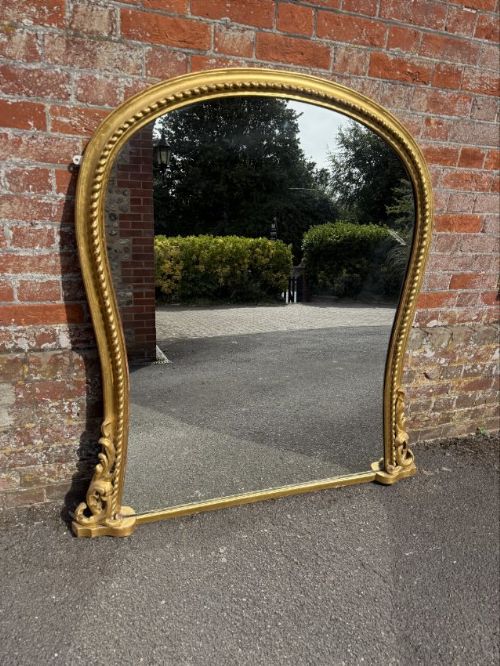
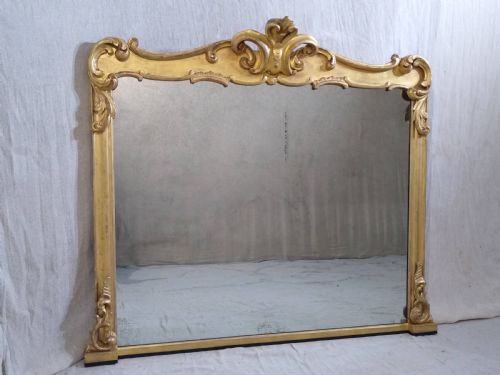
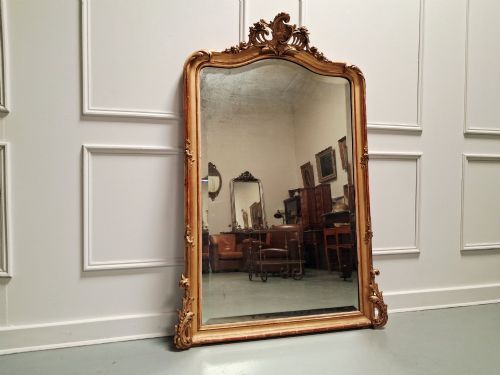
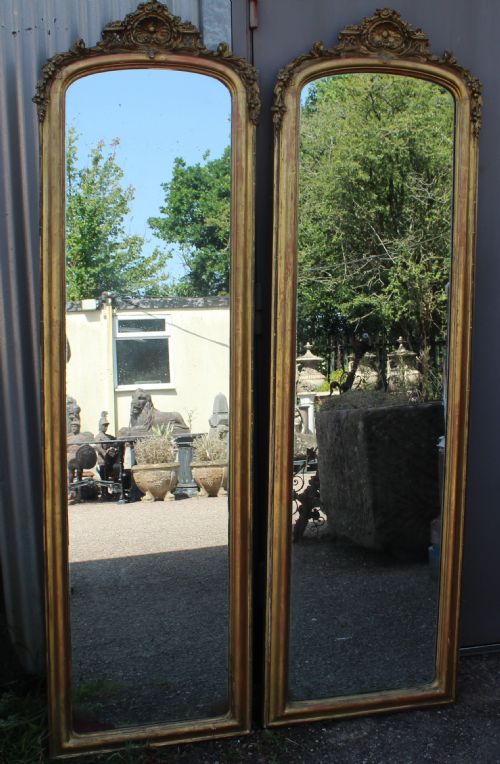
A gilded arch frame mirror typically takes the form of a large 19th-century overmantel mirror, designed to sit above a fireplace. These pieces span the Victorian and French Louis Philippe eras, featuring distinctive arched or shaped tops.
Buyers will find English carved wood and gesso examples alongside French wall mirrors and pier mirrors. The selection ranges from grand scaled items intended for principal reception rooms to neater proportions suitable for smaller spaces.
What varies in quality
The depth and crispness of the carved wood and gesso ornamentation distinguish the work of skilled hands from simpler production. Frames with deeply articulated rope twists or elaborate cresting show greater sculptural effort.
The preservation of the original gilt surface and the character of the mirror glass itself determine the overall presence of the piece.
The Gilded Arch Frame Mirror Glossary
- Gesso
- A plaster-based mixture applied to wood frames to create a smooth surface for gilding. This material allows artisans to mould intricate decorative details.
- Giltwood
- Timber that has been coated with gold leaf or a gold-coloured finish. It reflects interior light effectively.
- Overmantel mirror
- A large wall glass specifically proportioned to hang above a mantelpiece. These items often feature horizontal or arched formats.
- Foxed glass
- Mirror plates showing spots, darkening or speckling caused by the degradation of the backing over time. This ageing process appeals to many collectors.
Gilded Arch Frame Mirror: Frequently Asked Questions
Where should I hang an overmantel mirror?
These pieces traditionally sit directly above a fireplace mantel, anchoring the wall space and reflecting room light.
They also function well on plain living room walls as leaner mirrors, provided the wall fixings support the weight.
How do I date a 19th century gilt mirror?
Dating relies on stylistic clues like the clean, restrained lines typical of Louis Philippe designs versus the heavier carved gesso ornamentation of Victorian pieces.
Material composition and construction methods visible on the reverse also help narrow down the decade.
What is foxed glass?
Foxed glass refers to mirror plates that have developed dark spots or mottled patches where the reflective backing has aged.
This chemical change occurs naturally over generations and authenticates the age of the plate.
Can these mirrors be rested on the floor?
Larger arched examples are frequently used as leaner mirrors, placed directly on the floor against a wall.
Securing the top of the frame to the wall with appropriate brackets remains essential for safety.