





Gesso Gold Picture Frame
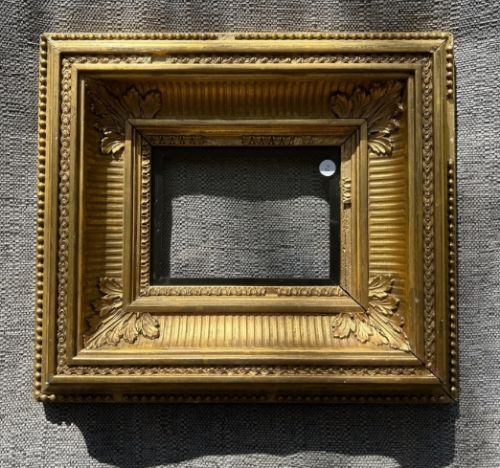
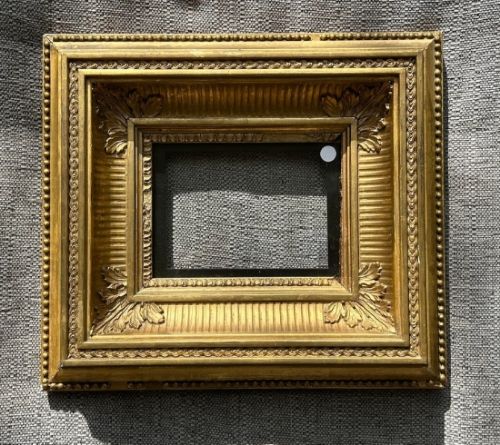
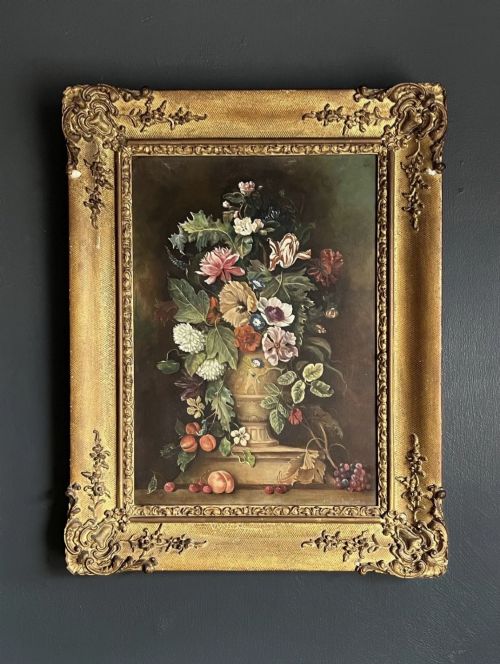
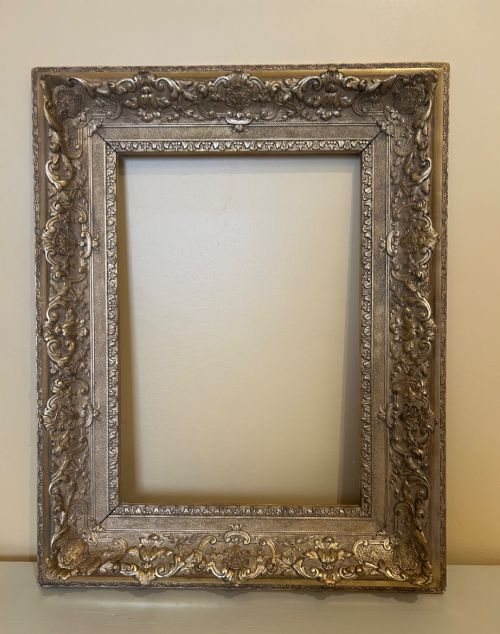
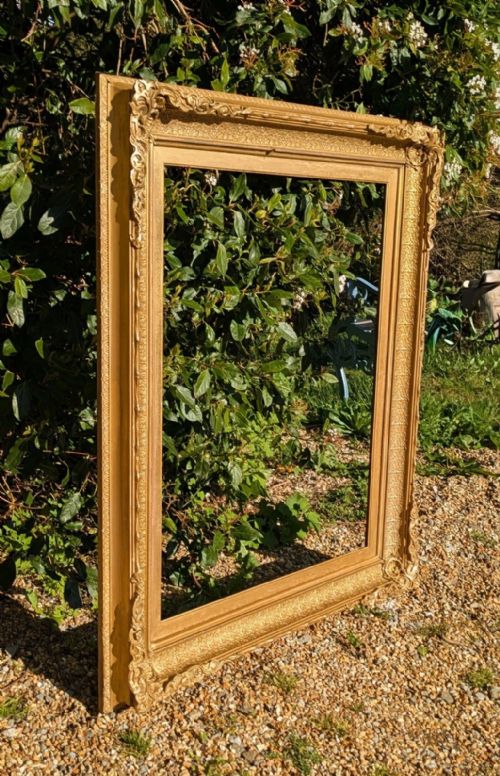
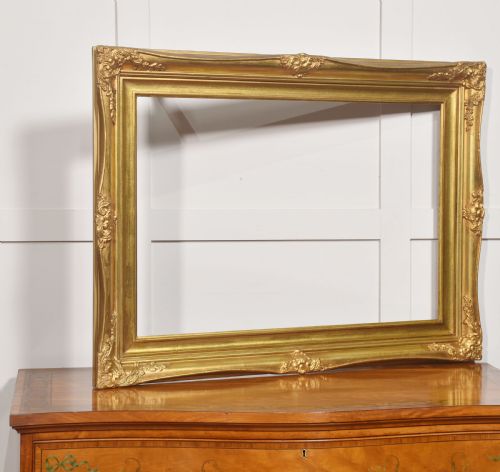
A gesso gold picture frame brings warmth and deep texture to a wall, holding either canvas art or a mirror.
Gesso Gold Picture Frame
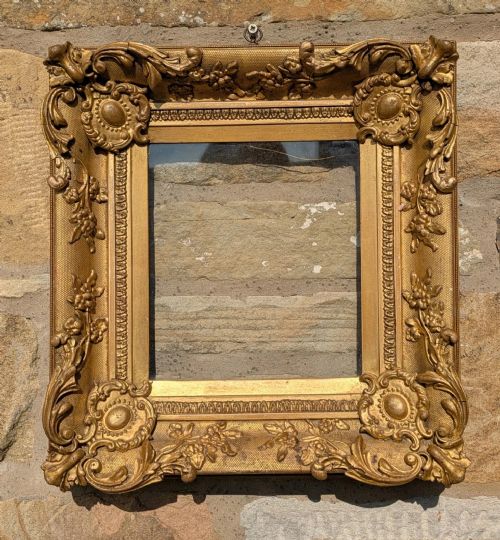
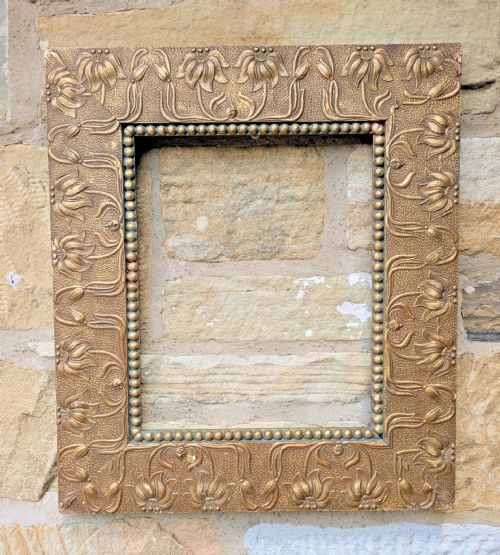
When searching for a gesso gold picture frame, you encounter ornate mouldings designed to showcase fine art and portraits. The selections here span the Victorian era, the nineteenth century, and the early twentieth century.
Most examples combine timber construction with layered gesso and gilt finishes, sometimes housing original oil paintings or wall mirrors. Deep profiles and swept corners dominate the pieces available on this page.
How they were made
Craftsmen built the underlying structure from timber before applying multiple layers of gesso to create smooth surfaces for detailed ornamentation. This plaster mixture was modelled or carved once dry to form intricate motifs.
Makers then applied gold leaf or gilt finishes over the prepared gesso base, often burnishing sections to achieve a varied sheen. Oil paint or glass was subsequently fitted into the finished moulding.
What varies in quality
Depth and crispness of the moulded ornament distinguish the finer examples from simpler mouldings. Deep hollow profiles and carefully defined decorative elements demonstrate higher skill in the workshop.
The preservation of the original gilt and gesso surface largely determines desirability. Intact surfaces retain their rich metallic lustre without heavy modern overpainting.
The Gesso Gold Picture Frame Glossary
- Gesso
- A plaster mixture applied to wood frames to provide a smooth base for gilding. It allows for intricate relief ornamentation.
- Giltwood
- Timber that has been coated with gold leaf or a gold-coloured finish. This material defines the warm appearance of these frames.
- Rococo Revival
- A nineteenth-century design style marked by asymmetric scrollwork, curves, and natural motifs. Many decorative picture frames adopt this aesthetic.
- Fluted hollow
- A concave moulding profile decorated with parallel grooves. It adds visual depth to the border of the frame.
Gesso Gold Picture Frame: Frequently Asked Questions
How do I clean a gilt gesso frame?
Dust the surface gently with a soft, dry brush to remove particles without disturbing the delicate metallic finish. Avoid using water or chemical cleaners, which can damage aged gesso and gold leaf.
Keep the frame away from direct sunlight and damp environments to preserve the timber and plaster integrity over time.
Can I hang a mirror in these frames?
Many period frames house mirrors or were originally adapted to hold glass rather than canvas paintings. Ensure the mirror plate and backing weight match the structural capacity of the hanging hardware.
Consult a professional framer to secure heavy glass safely within antique mouldings.
How do I date an old frame?
Examine the timber construction, joinery methods, and the composition of the gesso layer beneath the gilding. Nineteenth-century pieces often feature specific revival styles, such as Rococo or Art Nouveau, alongside distinct tool marks.
Comparing the backboards and fixings to known period examples helps narrow down the decade of manufacture.
Are these frames suitable for modern art?
Ornate nineteenth-century mouldings provide a striking contrast when paired with contemporary canvases or minimalist prints. The rich texture of gilt gesso anchors modern works by adding historical depth.
Ensure the rebate depth of the frame matches the thickness of your canvas or panel before mounting.