
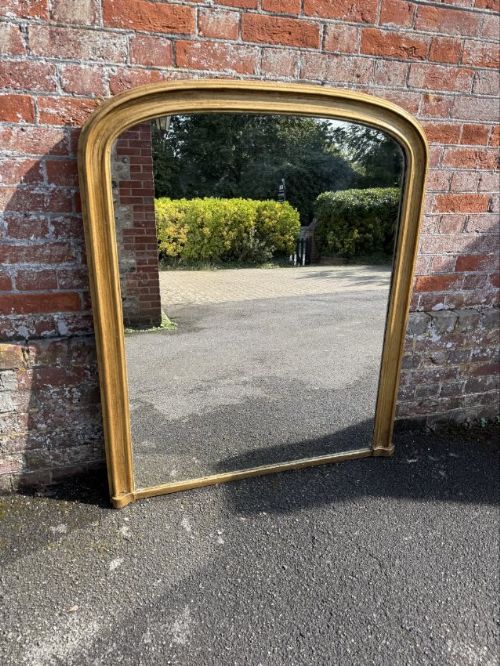
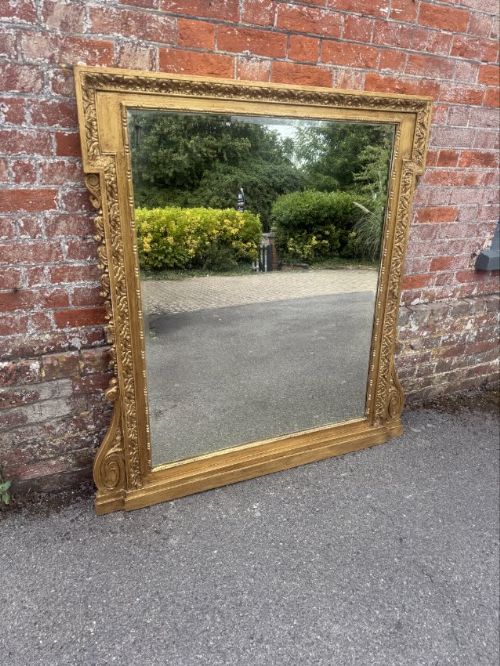
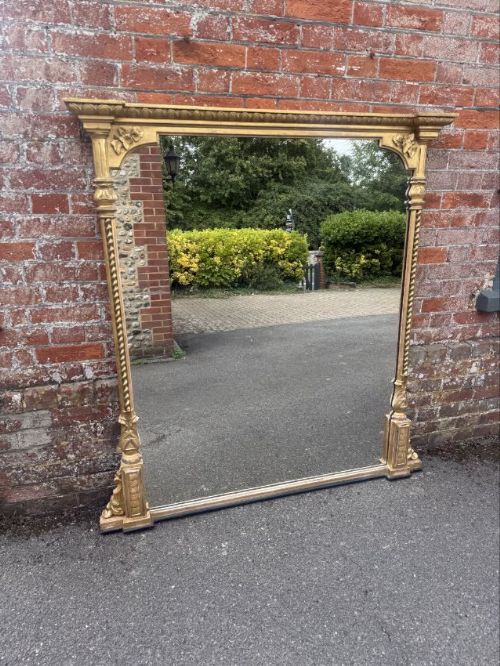
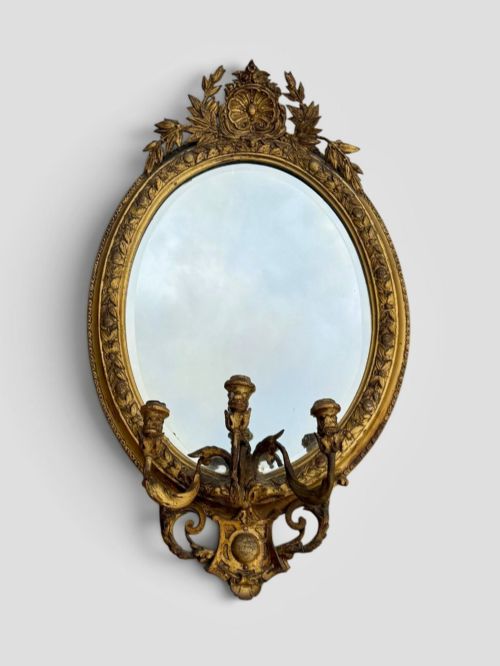
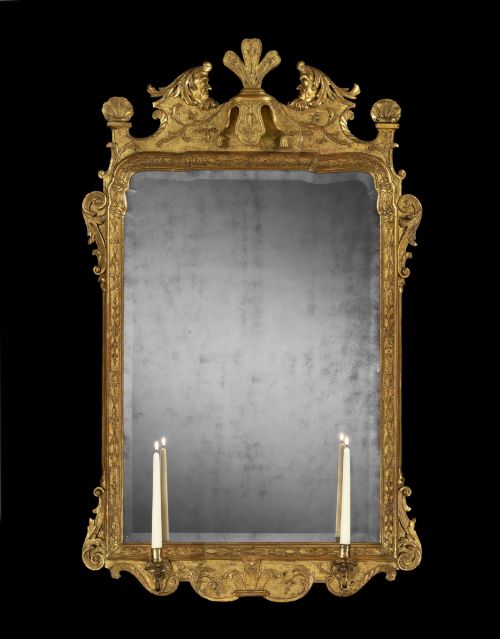

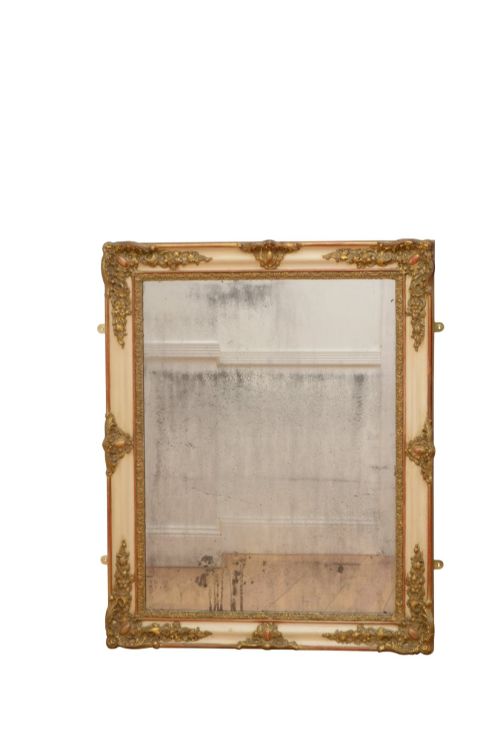
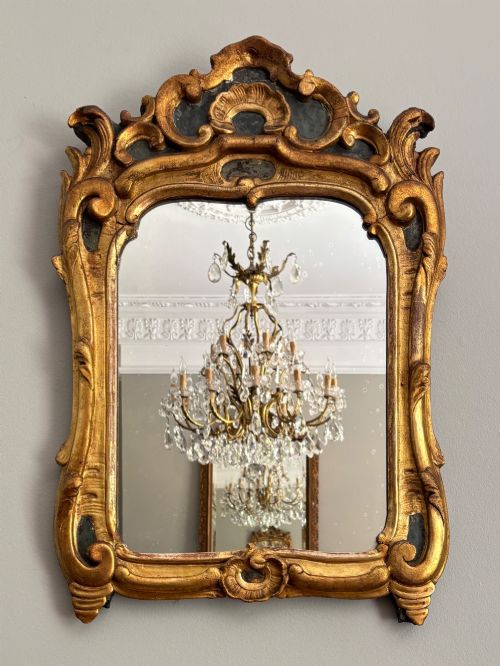
Gesso Frame Mirror
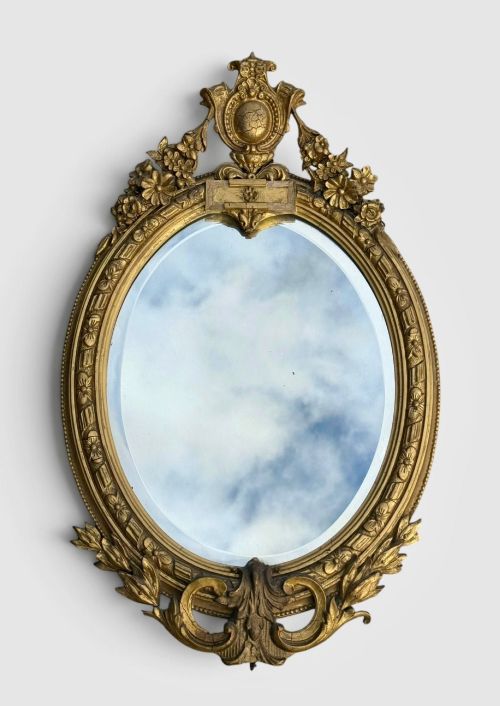
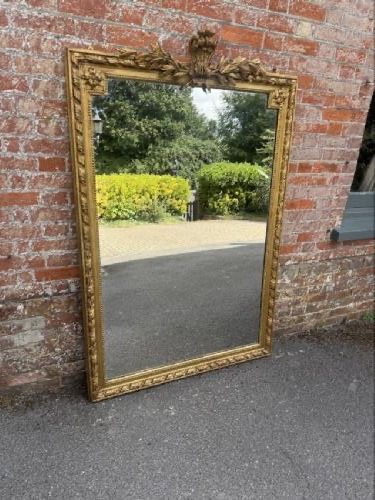
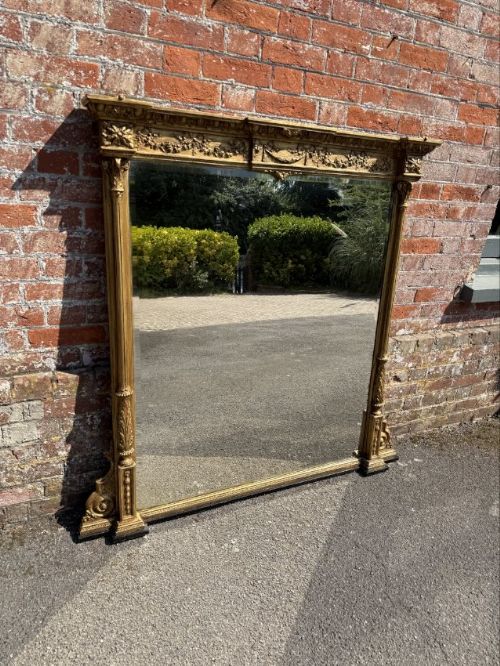
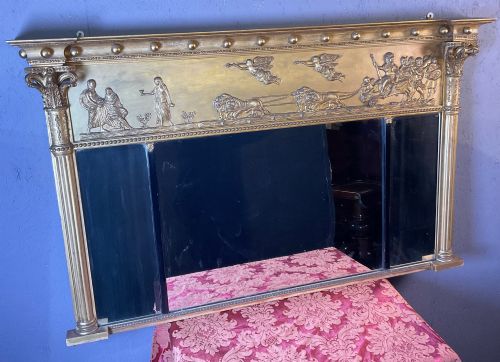
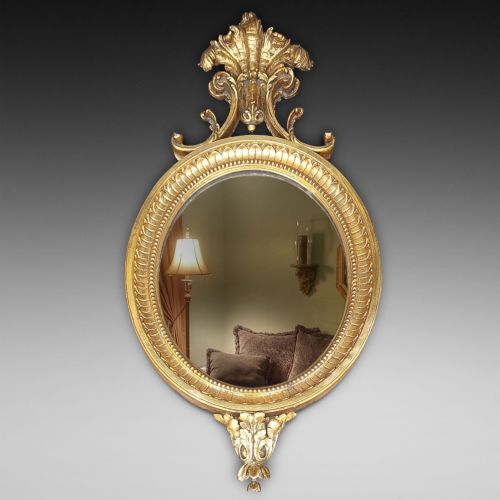
These gesso frame mirror pieces combine carved timber and moulded plaster surfaces to create reflective focal points for period interiors.
Gesso Frame Mirror
A buyer examining a gesso frame mirror searches for decorative reflective pieces originating primarily from the eighteenth, nineteenth, and early twentieth centuries. These encompass grand overmantel mirrors designed to sit above a fireplace, wall mirrors, and compact pier mirrors intended for narrow wall spaces between windows.
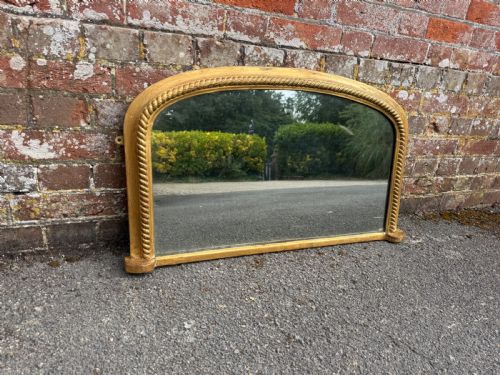
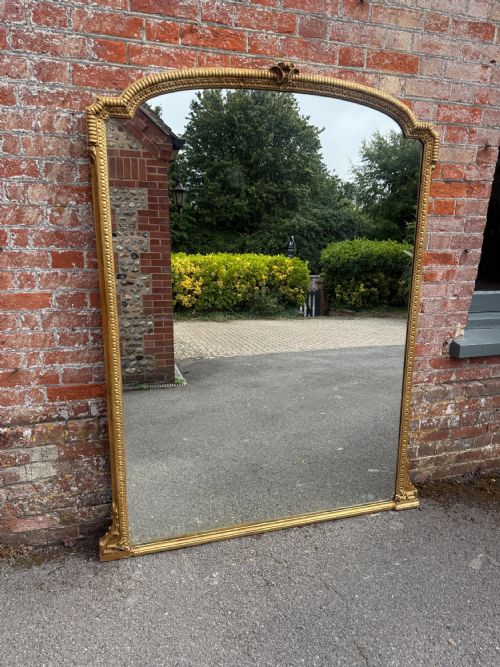
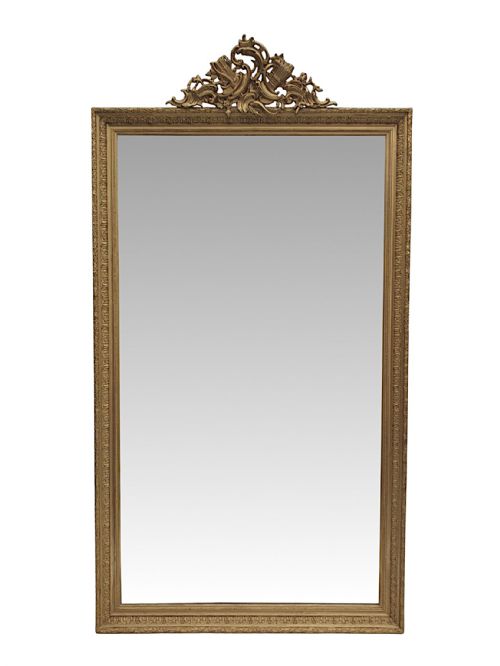
The most common formats on this page are nineteenth-century English and French examples featuring arched tops, rope twist mouldings, and ornate gilt or painted finishes. Pieces range from austere rectangular profiles to exuberant Rococo Revival designs influenced by earlier eighteenth-century French and English aesthetics.
How they were made
Craftsmen built the foundational structure from carved wood, creating the essential weight and strength required for large formats such as overmantels. They then applied multiple layers of gesso - a mixture of chalk, gypsum, and binder - onto the timber substrate, allowing them to carve intricate relief details directly into the softened surface.
Once the gesso hardened and ornamentation was complete, makers applied gold leaf, liquid metal gilt, or paint finishes to seal and decorate the piece. Early examples frequently incorporated original mercury mirror plates secured within the rabbet of the frame.
Some nineteenth-century mirrors retain nineteenth-century foxed glass that offers a charmingly hazy view of historical interiors.
What varies in quality
The distinction between tiers rests upon the depth and precision of the carved gesso relief work, where crisp, hand-finished mouldings outshine softer, purely cast plaster ornamentation. Superior examples maintain structural integrity in the underlying timber frame, ensuring the heavy glass remains securely seated without warping the sight lines.
Originality of surface finish also defines the hierarchy, distinguishing untouched historic gilding and patinated metal leaf from later overpainting. The preservation of original mirror glass, complete with authentic foxing and ageing, further elevates the stature of an individual piece.
The Gesso Frame Mirror Glossary
- Gesso
- A plaster-like mixture applied to a wooden substrate to create a smooth or moulded surface suitable for gilding. This compound allows artisans to achieve sharp decorative details that wood carving alone cannot easily replicate.
- Overmantel mirror
- A large horizontal mirror specifically scaled to hang on the wall directly above a fireplace mantelpiece. These often feature arched or shaped tops designed to echo architectural cornices.
- Giltwood
- Timber that has been coated with a thin layer of gold leaf or metallic powder. It provides a luminous surface that reflects interior candlelight and natural daylight.
- Pier mirror
- A tall, narrow mirror designed to hang on the wall space between two windows. They frequently complement lower console tables or piers.
- Foxing
- Age-related spots and discolouration appearing within the silvered backing of antique mirror glass. This chemical oxidation creates characteristic dark patches that confirm glass antiquity.
Gesso Frame Mirror: Frequently Asked Questions
Where should I hang an overmantel mirror?
These large horizontal mirrors belong centrally positioned on the chimney breast directly above a fireplace opening. Their substantial scale allows them to anchor the surrounding room layout and reflect light across the space.
Ensure the wall fixings engage securely with structural studs or masonry to support the considerable combined weight of the timber, gesso, and glass.
How do I identify a Victorian gesso mirror?
Victorian examples frequently showcase robust proportions and revival styles such as Rococo or classical column framing. Look for machine-sawn timber elements hidden behind thick, hand-modelled gesso ornamentation typical of the nineteenth century.
Makers of this era often utilised rope twist borders, beaded edges, and heavy crestings to create a dramatic visual impact in principal reception rooms.
What is a girandole mirror?
A girandole is a decorative wall mirror featuring integrated candle sconces attached directly to the frame. The polished metal arms held candles to multiply the illumination within dimly lit historic chambers.
These compact or circular pieces combine functional lighting with ornate gesso moulding, making them striking focal points for smaller wall spaces.
Can I clean antique gesso and gilt frames?
Dust these delicate surfaces gently using a soft, dry brush to prevent abrasive particles from damaging the brittle gesso and metallic leaf layers. Avoid liquid cleaners, household detergents, and excessive moisture, which dissolve the water-based glues binding the historic gesso.
Professional conservators should handle any structural repairs or major surface remediation to preserve the original patination.