

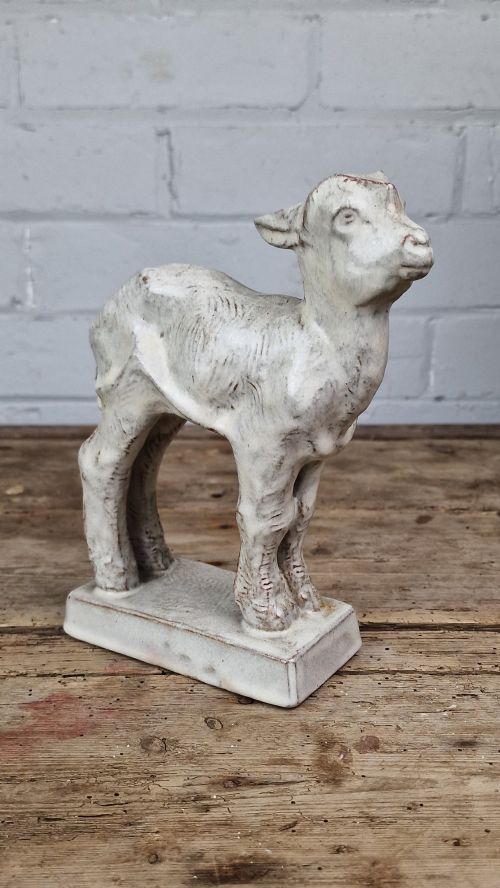


German Ceramic Art
German ceramic art gathers together figures, vases, plaques, and decorative boxes created across multiple European periods.
German Ceramic Art
German ceramic art covers a varied span of production ranging from nineteenth century plaques and porcelain figures to twentieth century Art Deco models and powder boxes. When exploring german ceramic art, buyers frequently encounter pieces originating from factories such as KPM, Meissen, and Mettlach.
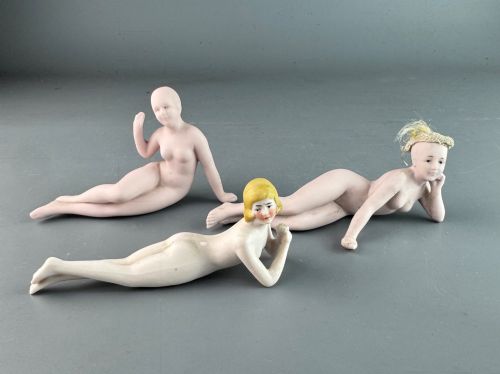
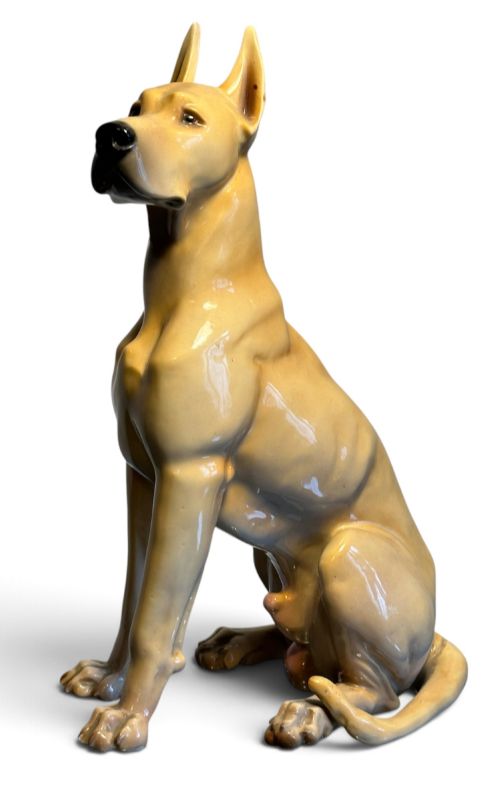
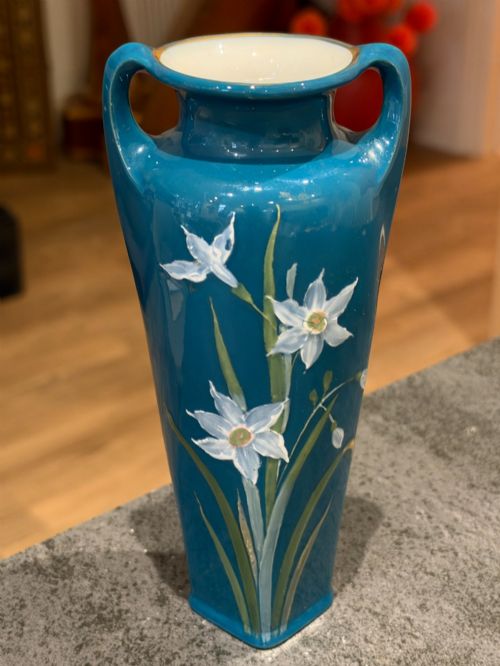
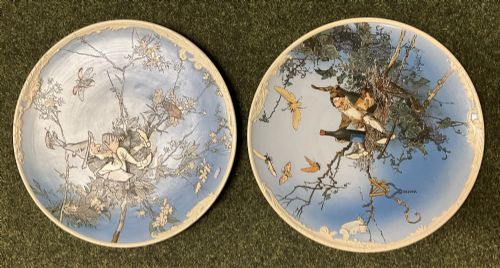
The forms extend from utilitarian wall plaques and decorative vases to specialised half dolls, trinket jars, and figural sculptures. Art Nouveau and Jugendstil aesthetics sit alongside geometric Art Deco designs and nineteenth century historical subjects.
Stoneware, terracotta, and porcelain form the primary media used by makers across the 1880 to 1940 periods. These objects display either handpainted detailing, intricate pate-sur-pate techniques, or applied gold leaf highlights.
How they were made
Porcelain and stoneware served as the foundational bases for many of these figures and vessels, shaped through casting or hand modelling. Kiln firing fixed the form before glazes, enamel colours, and occasional gold leaf details were applied.
Specialised techniques such as pate-sur-pate involved building up layers of liquid clay slip on a contrasting body to create low relief ornamentation. Handpainted decoration required skilled brushwork, particularly on portrait plaques and botanical or figural vases.
German Ceramic Art Retail Price Guide 2026
Typical asking prices for german ceramic art among the pieces listed under this phrase on Sellingantiques today, from the lower quarter to the upper quarter. They describe what is for sale here now, not the wider market.
Porcelain plaques and figural powder boxes form a significant part of the available selection, alongside animal sculptures and vases.
What varies in quality
Glaze consistency and the careful application of surface embellishments like gold leaf separate standard factory pieces from exceptional exhibition quality plaques and vases. The complexity of the original ceramic body, whether delicate porcelain or robust terracotta, dictates the durability and visual depth of the finished object.
Gebrüder Heubach·Meissen·Paul Scheurich·George Kemper·Mettlach Pottery·Fasold & Stauch·Rosenthal·Theo Voss·KPM·Karl Tutter·William Goebel
The German Ceramic Art Glossary
- Pâte-Sur-Pâte
- A ceramic technique involving the successive application of layers of liquid clay slip to a dark ground to build a low relief cameo effect. This method allows light to pass through the thinner areas of the design, creating subtle tonal gradations.
- Jugendstil
- The German variant of Art Nouveau, characterised by flowing organic lines and stylised natural motifs popular around nineteen hundred. It influenced the design of plaques, vases, and decorative objects.
- Half Doll
- A bust length porcelain figure manufactured without legs, commonly used as a decorative topper for powder puff jars, tea cosies, or pin cushions during the early twentieth century. These items frequently depict flapper girls, dancers, and historical characters.
- Stoneware
- A heavy, dense ceramic fired at high temperatures until vitrified, making it impermeable to liquids even without glaze. Mettlach production famously utilised this durable material for ornamental plaques and vases.
- Blanc de Chine
- A French term used to describe white glazed porcelain originating from Chinese traditions and adopted by European factories. It highlights the unadorned, milk white surface of figures such as putti and mythological subjects.
German Ceramic Art: Frequently Asked Questions
What is a half doll used for?
Half dolls served as decorative adornments on functional domestic items like powder boxes, pin cushions, and brush sets during the early twentieth century. They allowed Victorian and Edwardian dressing tables to display miniature porcelain sculptures.
Collectors today usually display these ceramic torsos independently on stands or preserve them mounted to their original period boxes and pincushions.
How do I identify Art Deco pieces?
Art Deco German ceramics typically feature geometric patterns, stylised figures of dancers, and clean, modern silhouettes dating from the nineteen twenties and thirties. Bold green dresses, theatrical jester motifs, and sleek animal forms are common markers of this era.
Makers from this period embraced streamlined designs that contrasted sharply with the ornate floral motifs of earlier Art Nouveau and Victorian styles.
Are KPM plaques marked?
KPM porcelain plaques frequently bear factory impressed sceptre marks or cipher stamps on the reverse side to verify their origin. These marks help differentiate royal Berlin factory output from other nineteenth century continental copies.
Examining the back of a plaque also reveals mounting residue or handwritten titles corresponding to the subject depicted on the front.
What is Mettlach pottery?
Mettlach pottery refers to stoneware and ceramic wares produced by the Villeroy & Boch factory in the German town of Mettlach. These items are noted for their durability and etched or coloured relief designs.
Collectors prize Mettlach wall plaques and vases for their intricate historical scenes and precise manufacturing quality.