



German Chest
A german antique chest brings centuries of continental craftsmanship into a room, offering deep storage built from walnut, oak, and iron.
German Chest
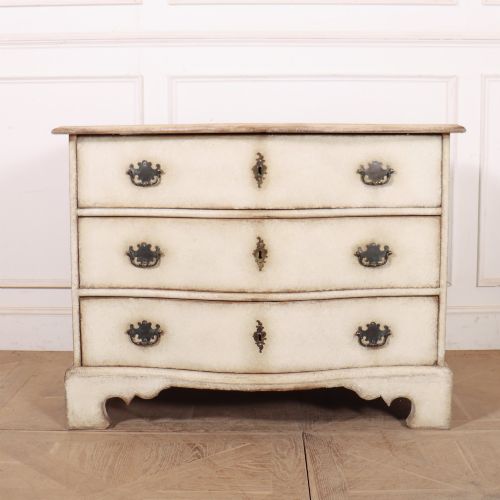
A german antique chest encompasses robust iron-banded coffers, heavily figured walnut commodes, and clean-lined mahogany Biedermeier pieces from the sixteenth century onwards. These objects range from fortified steel caskets and painted coffers to serpentine commodes and bureau bookcases originating from regional centres like Bavaria and Westphalia.
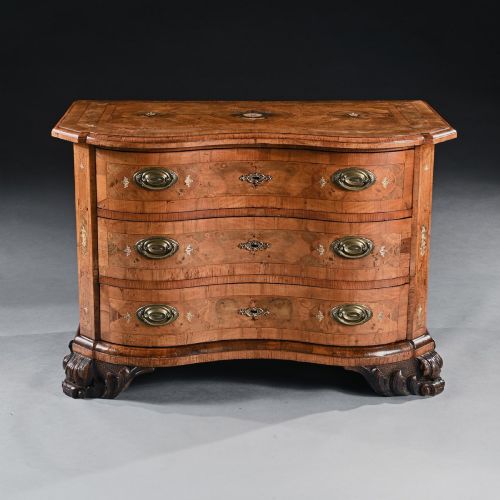
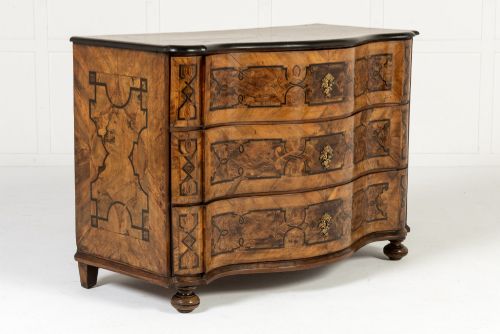
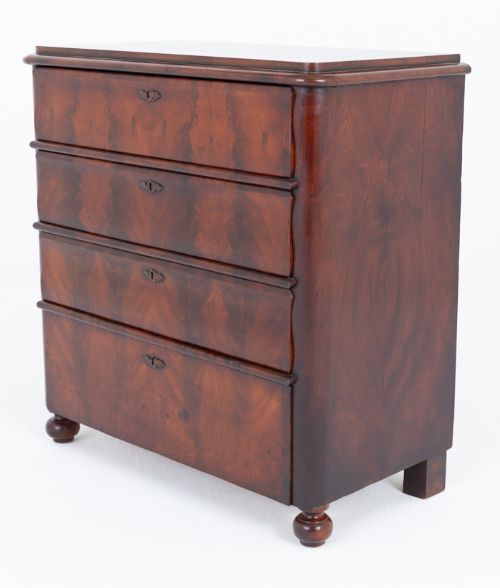
The version most commonly encountered on this page is the walnut commode from the eighteenth century, often displaying baroque outlines or intricate marquetry alongside straightforward nineteenth-century mahogany chests of drawers.
Materials and Construction
Cabinet makers utilised native timbers such as oak, walnut, fruitwood, and pine, frequently applying burr walnut or mahogany veneers to principal surfaces. These woods were shaped into serpentine and bombe outlines, then combined with inlaid pewter, ivory, or contrasting stringing.
Metalwork played a structural and decorative role, featuring wrought iron bindings on early coffers, brass mounts on commodes, and intricate steel locking mechanisms housed within sixteenth and seventeenth-century caskets and strongboxes.
German Chest Retail Price Guide 2026
Typical asking prices for german chest among the pieces listed under this phrase on Sellingantiques today, from the lower quarter to the upper quarter. They describe what is for sale here now, not the wider market.
German strongboxes often conceal complex multi-bolt locking mechanisms inside the lid that require a secret sequence just to reveal the keyhole.
The Measure of Quality
Quality rests upon the ambition of the regional design and the precision of the cabinet work, distinguishing simple utility boxes from sculptural baroque commodes. The integration of complex marquetry, substantial timber selection, and original iron or brass hardware dictates the standing of each piece.
The integrity of the structural carcass and the survival of surface decoration, whether painted finishes, polished burr walnut, or functional locking mechanisms, set exceptional examples apart from standard workshop production.
The German Chest Glossary
- Serpentine
- A furniture front curving inward at the centre and outward at the ends in a gentle wave shape. This contour requires skilled carpentry to shape from solid timber or veneer.
- Commode
- A low chest of drawers developed during the eighteenth century on the continent. These pieces often feature shaped fronts and decorative veneer work.
- Marquetry
- Patterns created on furniture surfaces by fitting together thin pieces of wood, ivory, or metal veneer. Artisans used this technique to form floral or geometric designs.
- Biedermeier
- A style spanning the nineteenth century characterised by clean lines, restrained ornamentation, and an emphasis on the natural grain of timbers like mahogany and walnut.
- Coffre fort
- A reinforced strongbox or coffer designed for securing valuables. These heavy pieces typically feature intricate internal locking mechanisms and iron strapwork.
German Chest: Frequently Asked Questions
Where should I place a heavy walnut commode?
These substantial chests require a stable wall position where their deep drawers can open fully without obstruction.
Keep them away from direct heat sources to protect historic wood veneers and polished finishes.
How do I care for historic wood surfaces?
Dust the timber regularly with a soft cloth and maintain a stable indoor humidity level to prevent veneer lifting.
Avoid modern chemical polishes and instead use traditional beeswax sparingly when the wood appears dry.
What distinguishes baroque commodes from Biedermeier pieces?
Baroque examples display exuberant curves, serpentine or bombe profiles, and decorative marquetry in walnut or fruitwood.
Biedermeier furniture relies on minimalist geometry, flat planes, and the warm grain of mahogany without heavy ornamentation.
How were ironbound coffers used historically?
Early ironbound coffers and strongboxes served to transport and secure valuable household goods, documents, and currency.
Their heavy strapwork and complex locks provided physical security for travelling merchants and noble estates alike.