
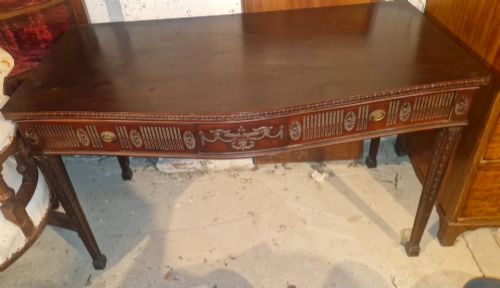
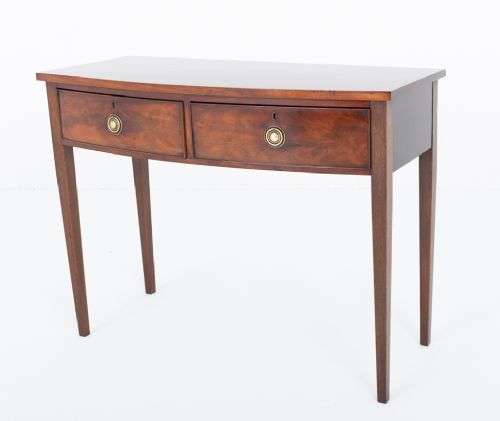
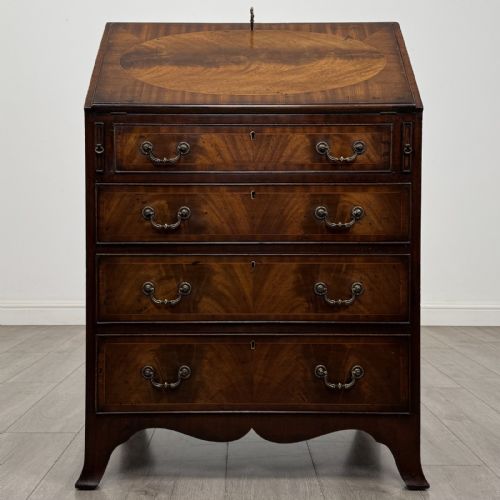
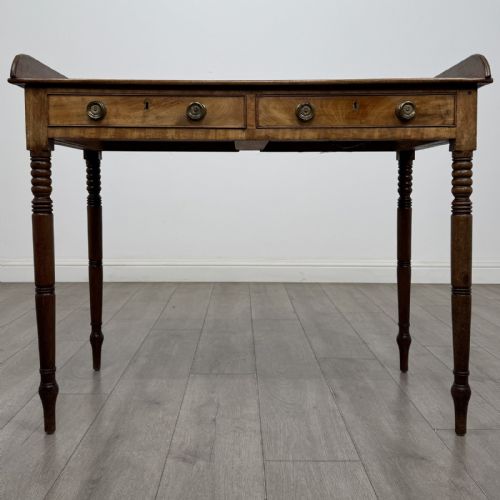
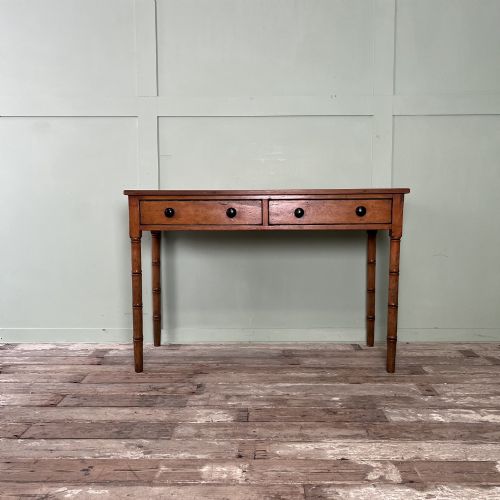
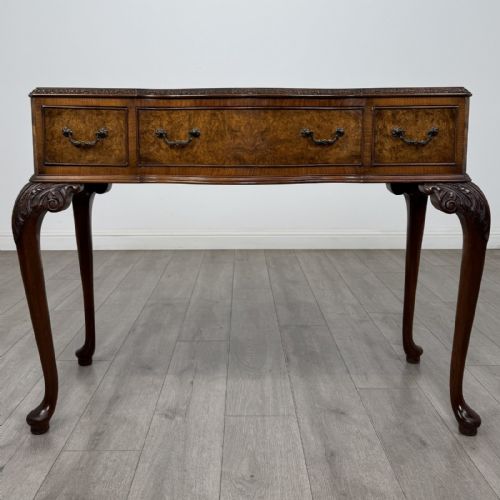
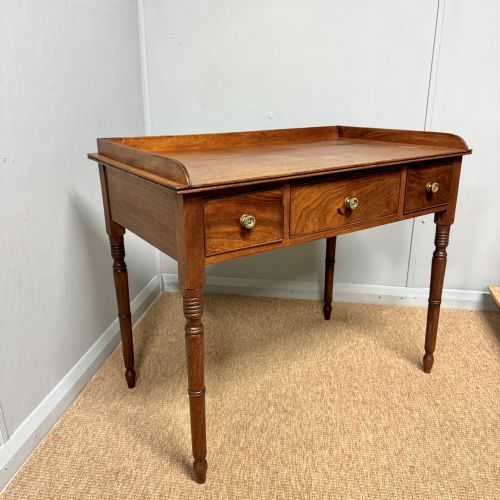
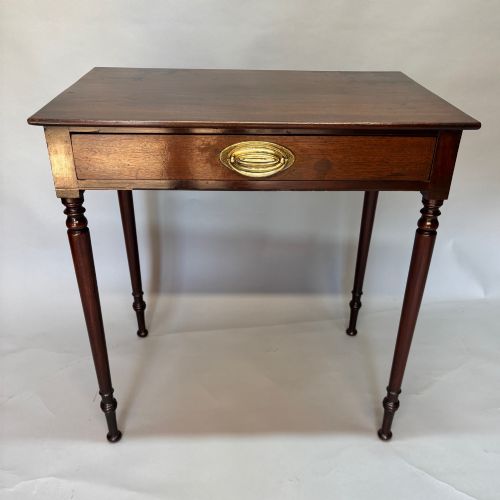
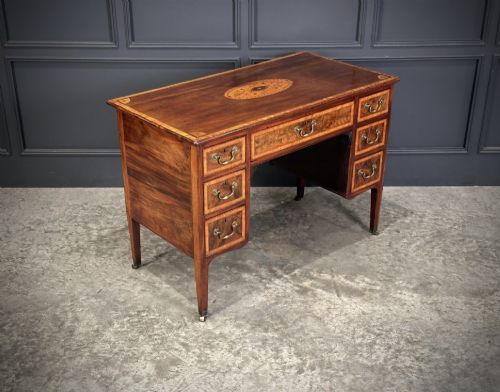
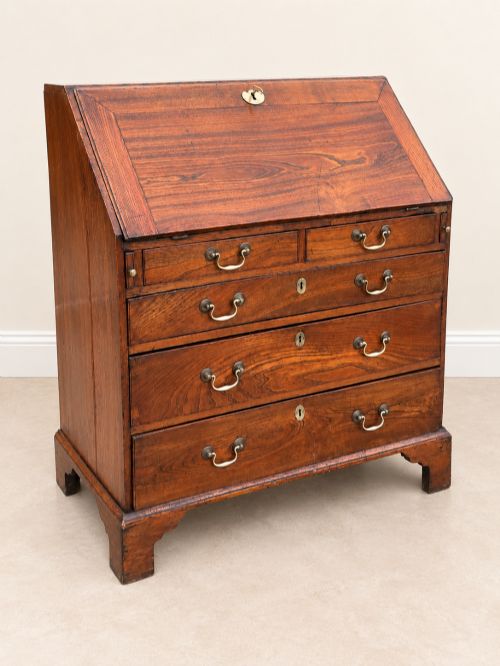
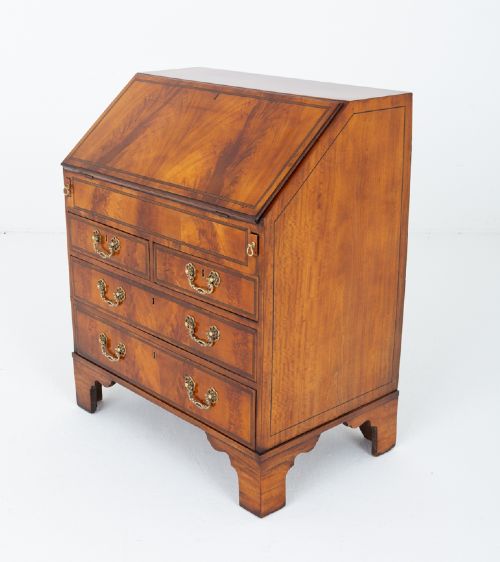
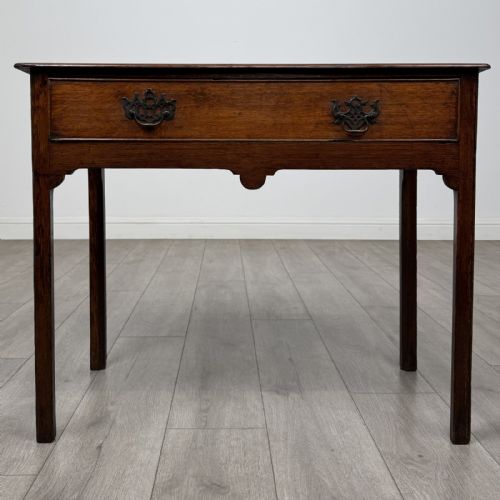
Georgian Writing Desk Drawers
Georgian writing desk drawers combine practical storage with writing surfaces, offering period craftsmanship suited to daily study or correspondence.
Georgian Writing Desk Drawers
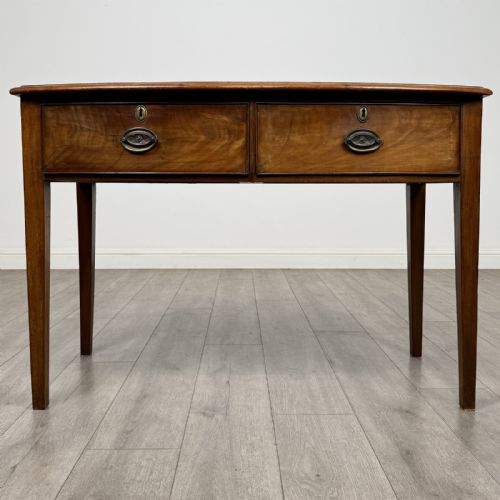
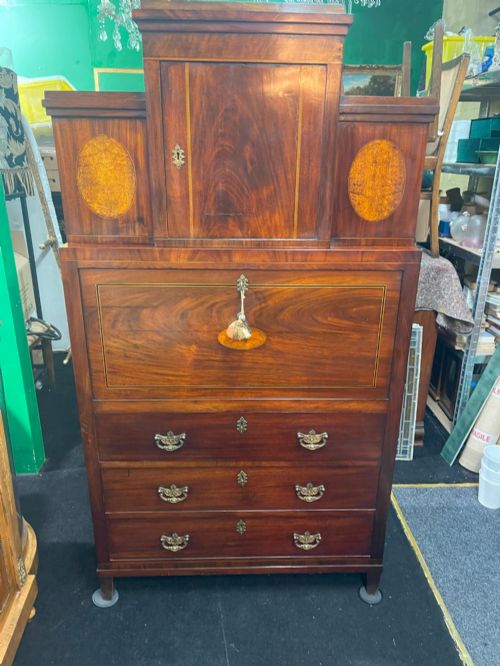
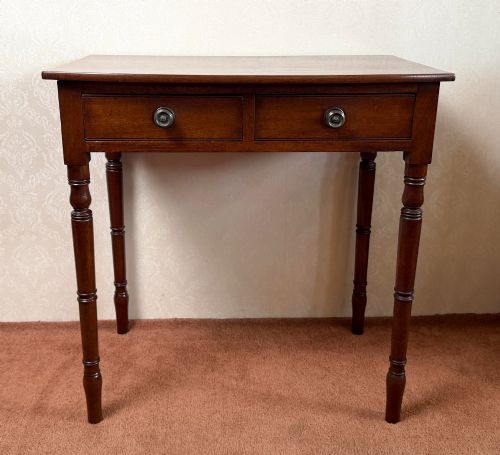
When you search for georgian writing desk drawers, you encounter pieces spanning from the seventeenth century through to the Edwardian era, including later revivals. Bureaux, writing tables, lowboys, and secretaire bookcases form the core of these listings.
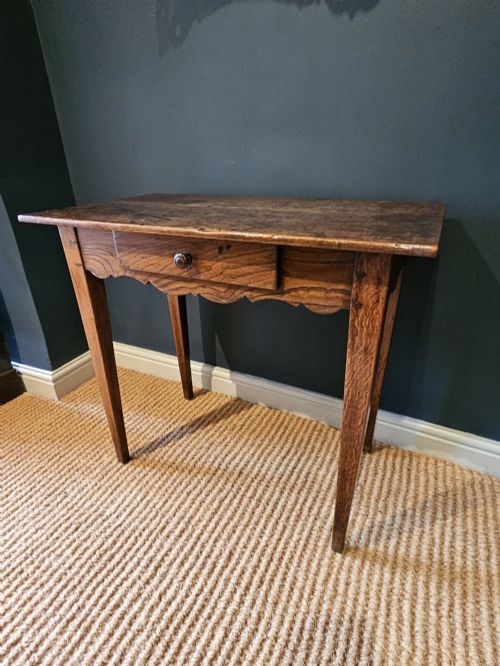
Mahogany, oak, and walnut predominate among the woods, often paired with leather writing surfaces or brass handles. Pieces range from provincial oak lowboys to substantial bureau bookcases with fitted interior drawers.
The selection includes side tables with fitted drawers, sofa tables, and bachelor chests equipped with writing compartments. Eighteenth-century examples sit alongside nineteenth-century Regency writing furniture and occasional twentieth-century interpretations.
Materials and construction
Cabinet makers utilised solid timbers and veneers such as flame mahogany, burr walnut, and oak to construct carcases and drawer linings. Hand-cut dovetails secure the internal drawer construction while brass hardware fastens pulls and escutcheons.
Leather inserts provide contrasting writing surfaces on bureau falls and pedestal tops. Hand-painting and inlay work decorate select painted and mahogany surfaces across Georgian and Regency examples.
Listings feature eighteenth-century oak lowboys alongside nineteenth-century mahogany pedestal desks and Edwardian writing tables.
Determining quality
The refinement of timber selection dictates much of the distinction, separating figured walnut and flame mahogany from plain grain. Figured veneers and matched grain patterns across drawer fronts signal superior workshop output.
Internal joinery and the complexity of fitted writing compartments define the grade of a bureau or desk. Finely configured pigeonholes, secret drawers, and intact original leather surfaces separate standard utilitarian items from exceptional pieces.
Gillows
The Georgian Writing Desk Drawers Glossary
- Bureau
- A sloping desk with a hinged fall front that opens to reveal internal drawers and pigeonholes. It typically sits atop a chest of drawer units.
- Lowboy
- A small oak or mahogany table featuring one or more rows of drawers, commonly used as a dressing or writing surface in the eighteenth century.
- Secretaire
- A cabinet or chest incorporating a disguised writing drawer with a drop-down front. This compartment conceals small drawers and pigeonholes for correspondence.
- Escritoire
- An upright writing cabinet with a fall-front writing surface, prevalent in walnut during earlier periods. It provides vertical storage alongside a pull-down desk.
- Bachelor chest
- A compact chest of drawers featuring a sliding or folding top that acts as a writing surface. These pieces date predominantly from the eighteenth century.
Georgian Writing Desk Drawers: Frequently Asked Questions
How do I use a lowboy?
A lowboy functions as a compact side table with integrated drawers, suitable for hallway placement or as a writing desk. The kneehole space underneath allows a chair to tuck neatly away.
Their modest proportions make them adaptable for modern rooms requiring surface space and subtle drawer storage.
What distinguishes a secretaire from a bureau?
A bureau uses an angled fall front that rests at an incline when opened for writing. A secretaire appears externally like a standard chest of drawers or sideboard.
Opening the top drawer of a secretaire reveals a drop-down front and fitted interior designed specifically for writing.
Are these desks suitable for daily work?
Period writing desks accommodate laptops and paperwork within their historic proportions, though surface heights vary compared to modern office furniture. The integrated drawers provide convenient storage for stationery and modern accessories.
Placing a protective pad on historic leather or wood surfaces helps preserve the original finish during regular daily use.