
Georgian Wooden Plate
A georgian wooden plate or associated stand brings honest rural warmth to a room, offering tactile connection to centuries past through practical everyday items.
Georgian Wooden Plate
When searching for a georgian wooden plate or related treen, buyers encounter practical domestic objects shaped by hands during the eighteenth and nineteenth centuries. These items range from turned bowls to specialised stands and plate buckets intended for domestic service.
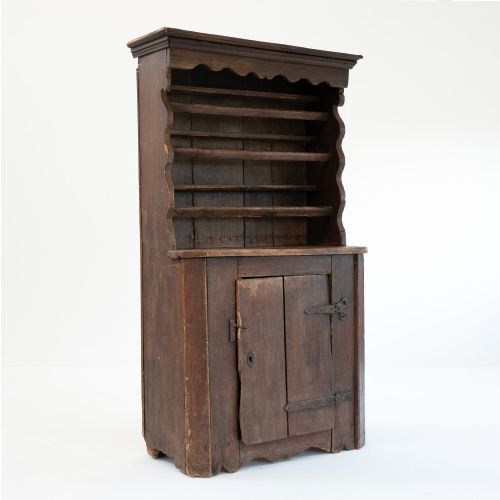
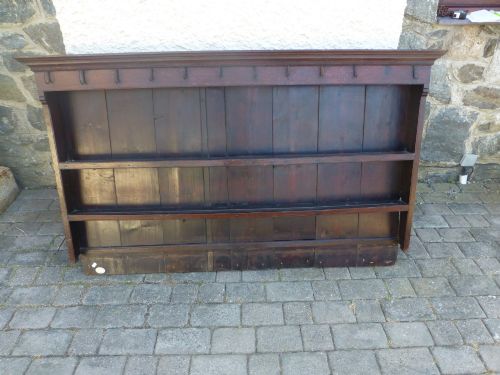
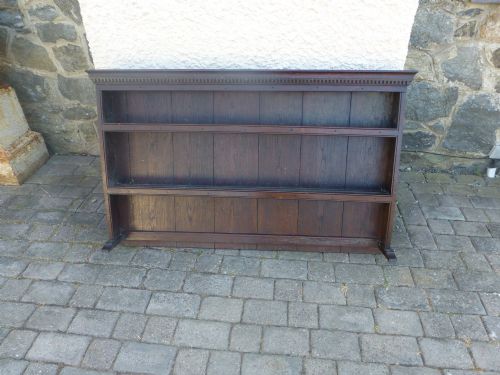
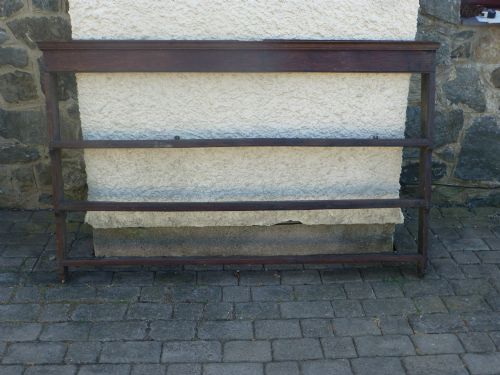
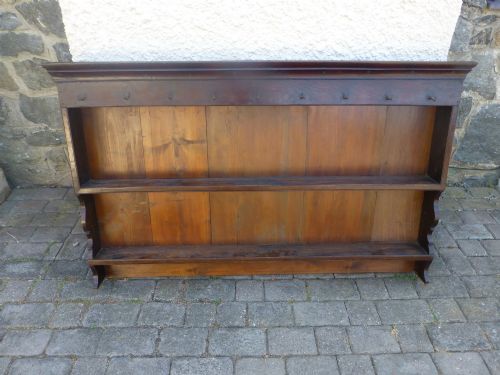
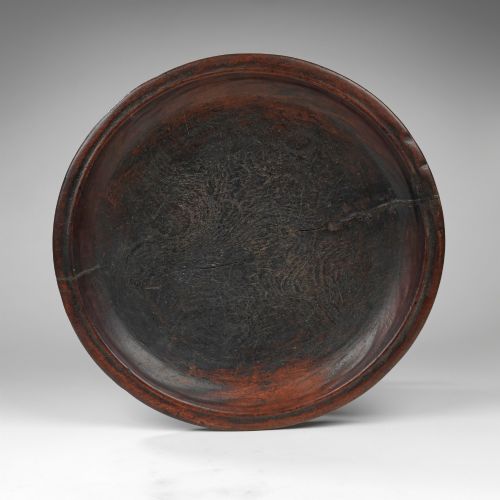
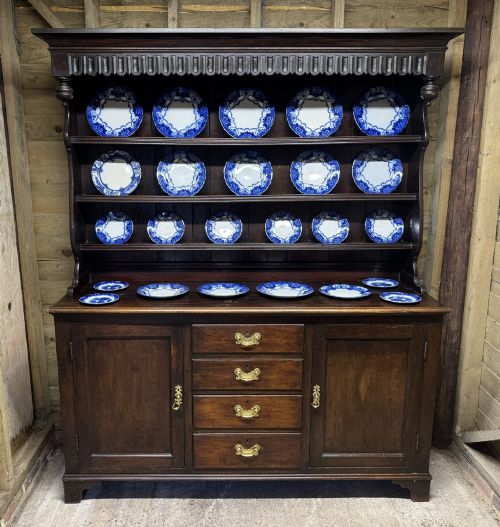
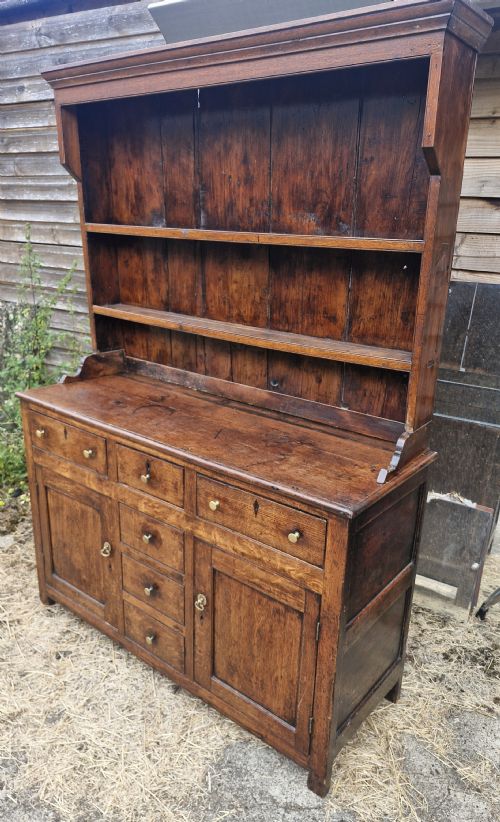
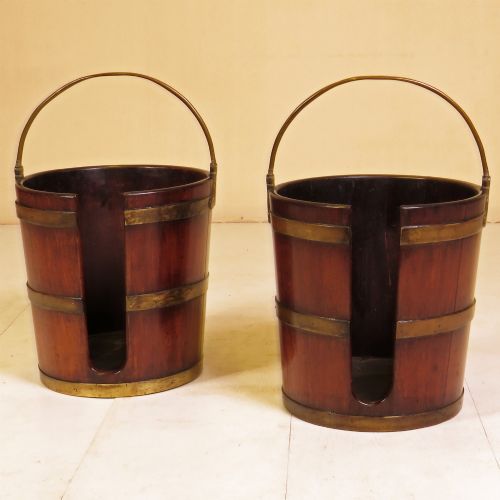
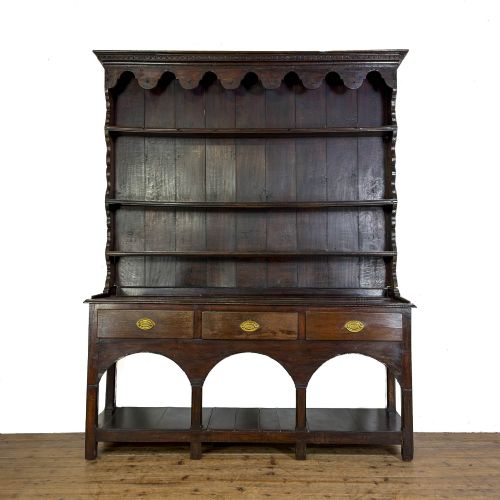
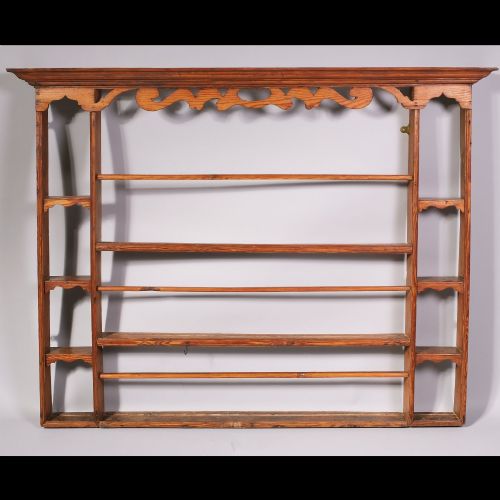
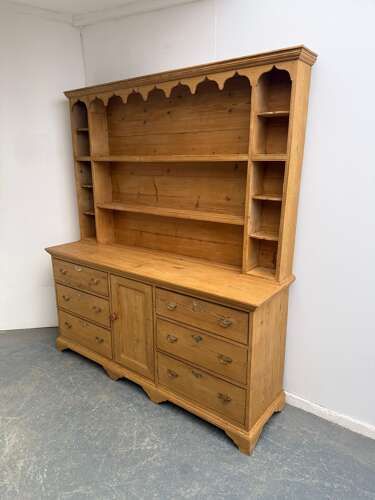
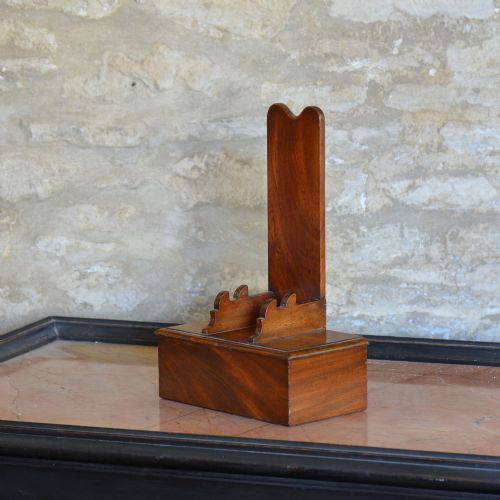
The selections on this page lean heavily toward country furniture and small wooden accessories rather than isolated flat trenchers. Dressers with plate racks, turned bowls, and mahogany plate buckets dominate the forms seen in the current listings.
Origins span English, Welsh, and Irish country workshops where local timbers dictated the vernacular style. Buyers find pieces crossing from the Georgian period into the early nineteenth century, reflecting robust utilitarian design.
Materials and construction
Makers relied primarily on native hardwoods such as oak, mahogany, elm, and pine, selecting timber for strength and grain. Oak and pine served for regional dressers and wall racks, while mahogany suited refined plate buckets and stands.
Turning on a lathe produced circular bowls and supports, while joined construction using pegs or dovetails formed the larger furniture pieces. Surfaces received minimal intervention, often relying on wax to build a deep patina over decades of use.
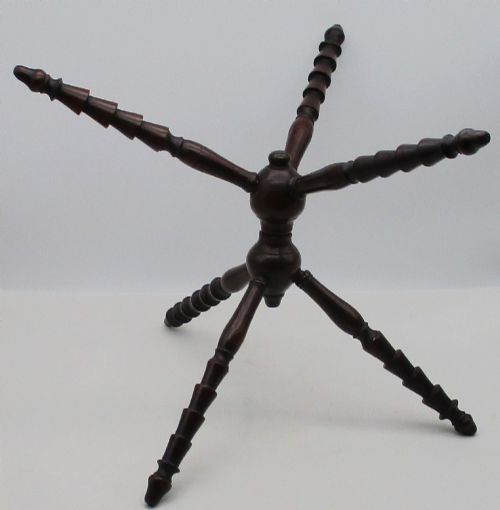
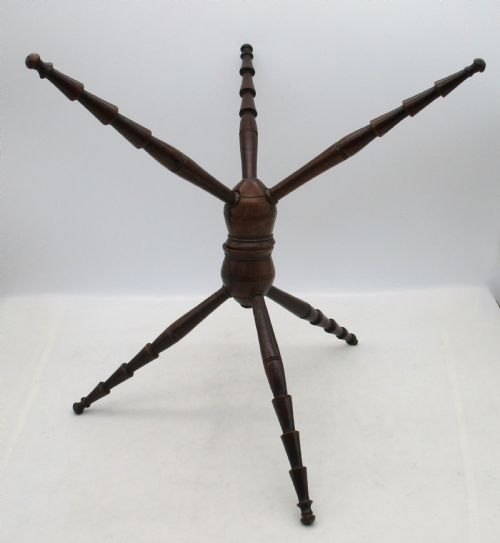
Some rotating stands were whimsically known as fire cats, designed to sit hearthside and keep dinner plates warm without burning the butler.
Judging quality and character
Quality rests in the integrity of the timber and the honesty of the surface wear. Superior examples display deep, untreated patination accumulated through generations of handling, whereas lesser pieces suffer from unsympathetic stripping or excessive restoration.
Proportion and tool marks separate standard utilitarian items from finer regional interpretations. Subtle details in the turning of a stand or the dovetailing of a rack reveal the hand of a skilled country joiner.
Matthew Boulton·John Hoyland
The Georgian Wooden Plate Glossary
- Treen
- Small handmade wooden items for domestic use. This category includes trenchers, bowls, and stands shaped by turning or carving.
- Plate bucket
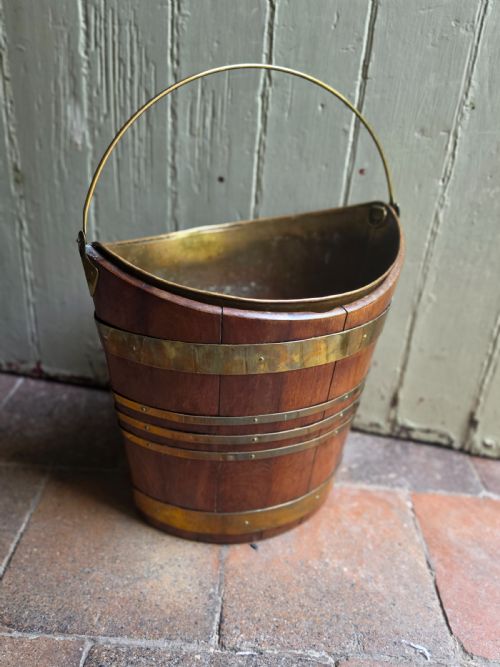
- A deep cylindrical container designed to hold plates safely on the floor or sideboard. These often feature brass handles and stave construction.
- Delft rack
- A wall-mounted wooden shelf unit designed to display ceramics. These shelves frequently incorporate grooves to hold plates upright.
- Pot board
- The lower open shelf of a dresser. This surface provided space for heavy pots and pans in a country kitchen.
- Patina
- The surface sheen and colour developed by wood over years of handling and waxing. Genuine age shows a soft lustre rather than a modern high gloss.
Georgian Wooden Plate: Frequently Asked Questions
What is a plate bucket?
A plate bucket is a deep, stave-built container fashioned from timber like mahogany and secured with metal bands. They were used in dining rooms to store or transport ceramic plates safely.
These pieces often include brass swing handles for carrying. They reflect the practical yet refined demands of Georgian dining arrangements.
How were wooden stands used?
Wooden stands, sometimes termed fire cats or plate stands, held items near the hearth or table. Rotating stands allowed users to warm plates or food evenly beside the fire.
Their clever pivoting or folding designs showcase ingenious domestic engineering from the eighteenth century. They served as versatile portable furniture in period homes.
How do I care for antique treen?
Antique treen requires stable humidity and protection from direct sunlight to prevent the timber from splitting. Applying a neutral beeswax occasionally helps maintain the dry lustre of the wood.
Avoid washing these items with water or harsh detergents. Gentle dusting preserves the historic surface finish and accumulated patina.
What woods were commonly used?
Makers utilised native timbers depending on local availability and the intended function of the piece. Oak and pine appeared frequently in regional Welsh and English country furniture.
Mahogany was reserved for finer dining accessories like plate buckets and tray stands. Elm often provided the tough, interlocking grain needed for turned bowls.