
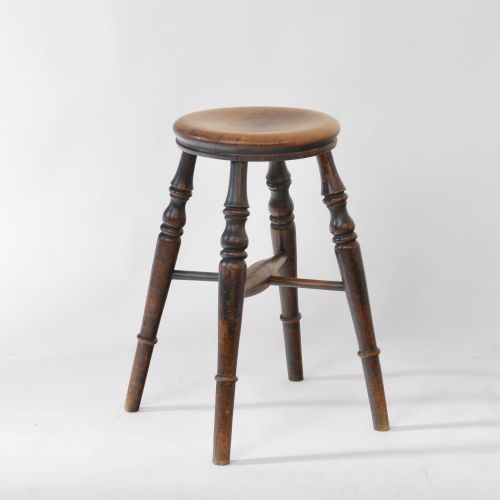
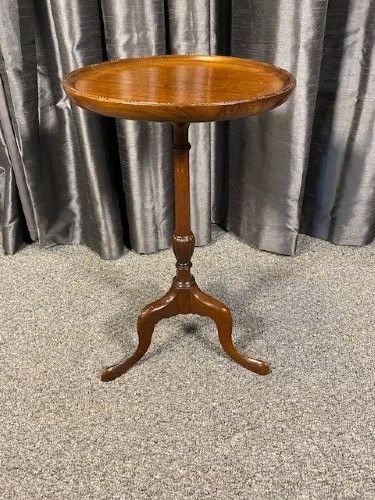
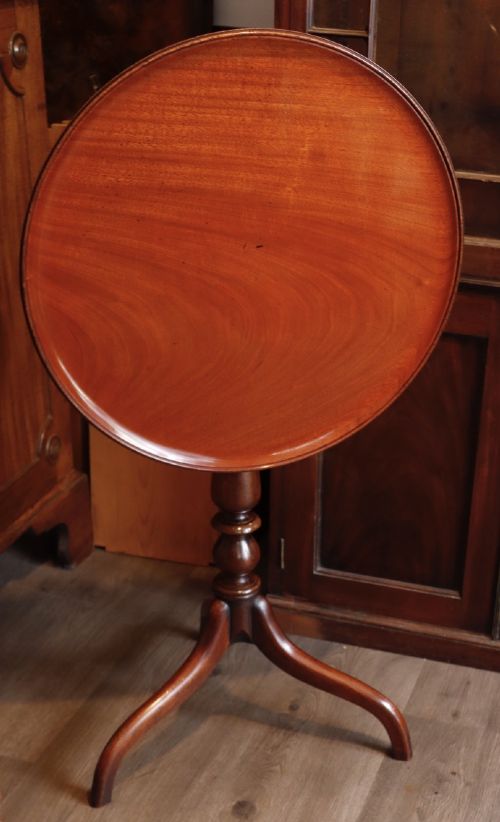
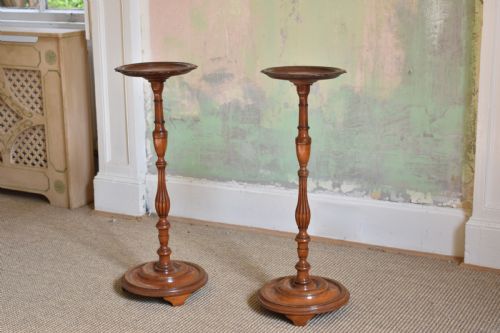
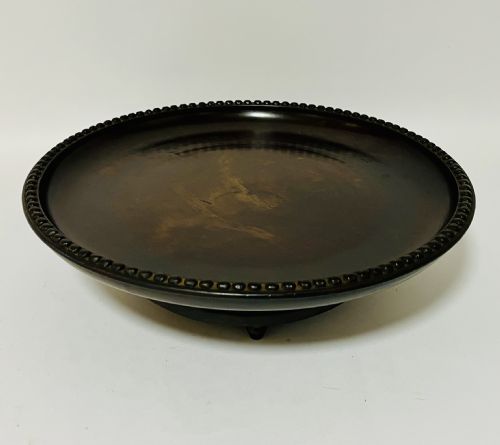
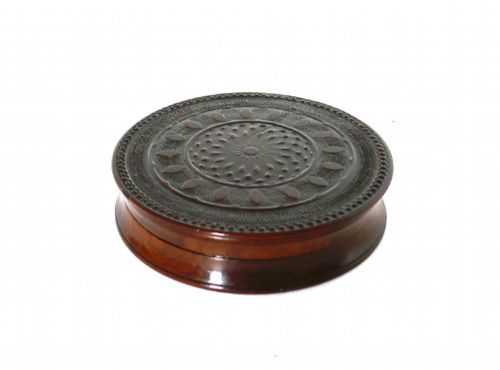


Turned Wooden Dish
These turned wooden dish examples offer genuine utility and warmth, bringing tactile grain and honest joinery straight into a modern interior.
Turned Wooden Dish
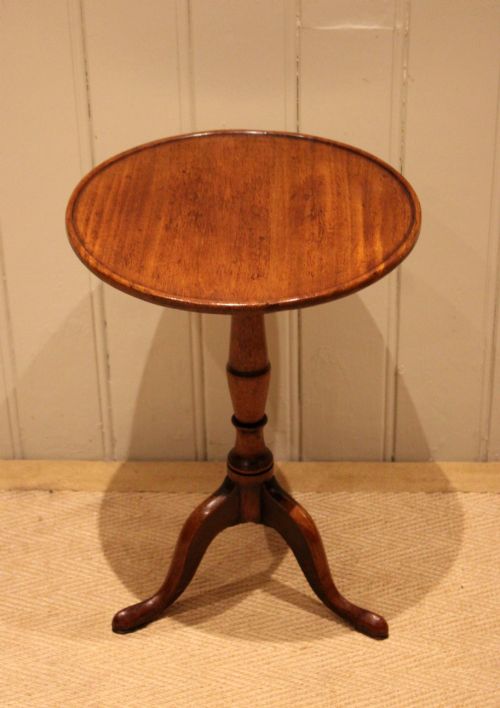
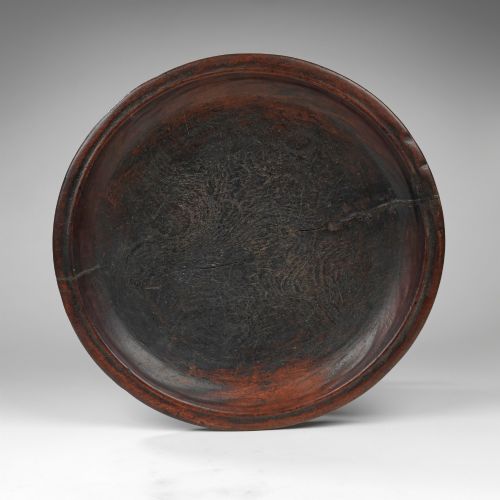
A turned wooden dish search leads directly to domestic treen and serving vessels formed on a lathe. The pieces available span Georgian and nineteenth-century eras, showing how utilitarian timber objects survived centuries of daily service.
The material selection ranges from sycamore and fruitwood to ash and walnut, reflecting regional workshops and vernacular forms. These bowls, platters and dairy dishes demonstrate the practical skill of turners working in British and European domestic traditions.
Buyers encounter circular bowls, platters and shallow dishes alongside related treen items like snuff boxes and bowls. Each item carries the distinct tool marks and patination of genuine age rather than modern factory production.
How these turned wooden dishes were made
Makers mounted seasoned timber blanks onto foot-powered or belt-driven lathes to shape the vessel walls. Turning required careful control of cutting gouges to achieve balanced wall thickness and smooth interior curves.
Selected hardwoods like sycamore, fruitwood and elm provided the tight grain needed to hold dry foodstuffs or dairy without splitting. Craftsmen relied on the natural moisture movement of timber, turning green wood and allowing it to settle as it dried.
What separates the best pieces
Quality rests in the harmony of proportion and the crispness of the turning lines preserved in the grain. A superior piece shows deliberate wall taper and a stable base rather than clumsy thickness.
Surface patination defines the longevity and visual depth of the timber, built through decades of handling and waxing. The preservation of original tool marks without heavy sanding elevates an item above utilitarian wear.
The Turned Wooden Dish Glossary
- Lathe
- A workshop machine that spins timber on an axis while a maker applies cutting tools. This rotation creates symmetrical vessels and circular rims.
- Patina
- The surface sheen and colour acquired by wood through age and regular handling. It reveals the genuine history of the object.
- Fruitwood
- Timber sourced from fruit-bearing trees such as pear, apple or plum. Turners favoured it for its fine grain and density.
- Vernacular
- Everyday objects made by regional craftspeople for local use rather than high-style metropolitan workshops.
Turned Wooden Dish: Frequently Asked Questions
Can I use an antique wooden dish for food?
Most antique turned vessels function best as dry display items or decorative fruit bowls. Historic timber often absorbs moisture or oils differently than modern treated kitchenware.
Gentle cleaning with a dry cloth protects the aged surface and preserves the historical wax buildup.
What woods were commonly used for turned dishes?
Turners selected dense domestic hardwoods that resisted cracking during shaping. Sycamore, fruitwood and ash appear frequently in British vernacular pieces.
Each timber species yields a distinct weight and grain pattern that helps identify the regional origin.
How do I date a turned wooden dish?
Dating relies on tool marks, timber shrinkage distortion, and surface wear patterns. Georgian and nineteenth-century pieces display specific lathe acceleration marks and mounting holes.
Comparing the form to documented vernacular examples clarifies the likely period of manufacture.