

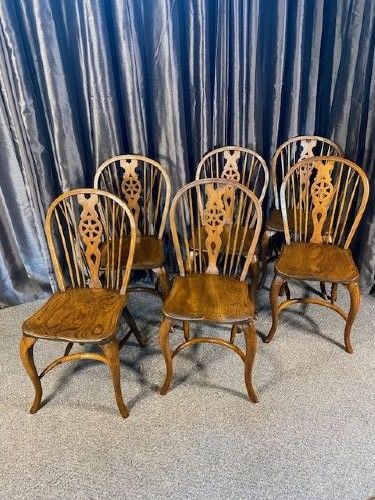
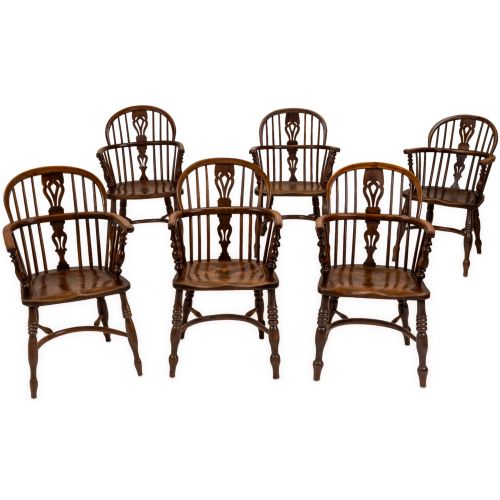


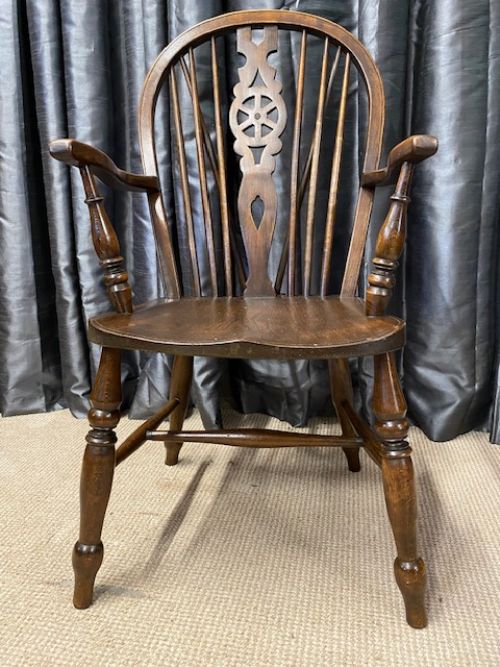
Georgian Wooden Kitchen Chair
A georgian wooden kitchen chair offers honest country construction and timber patination, built for daily domestic utility in farmhouse interiors.
Georgian Wooden Kitchen Chair
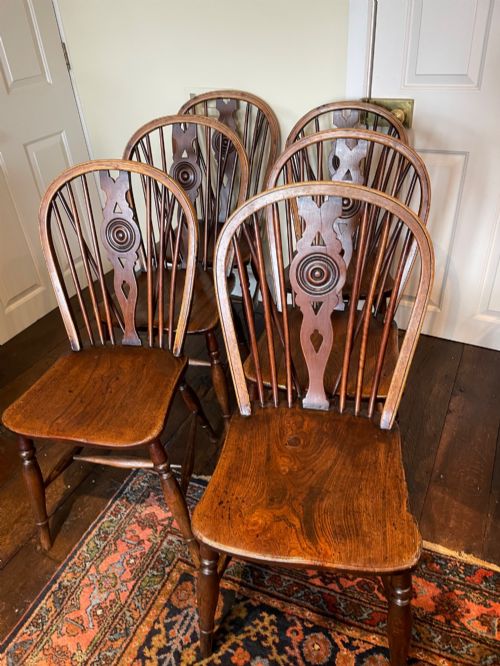
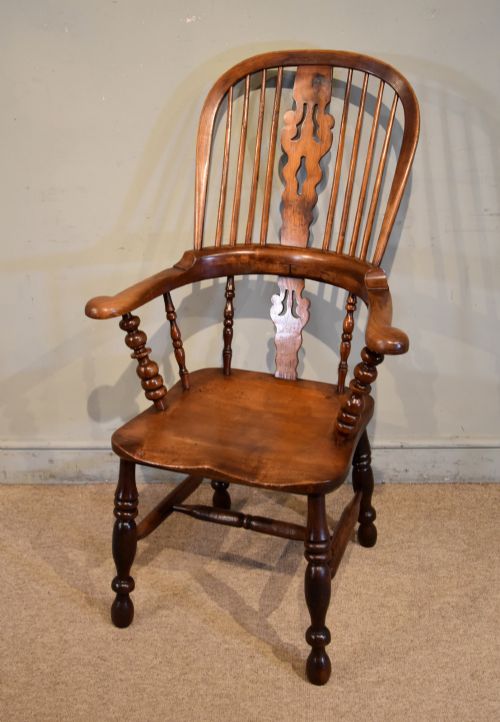
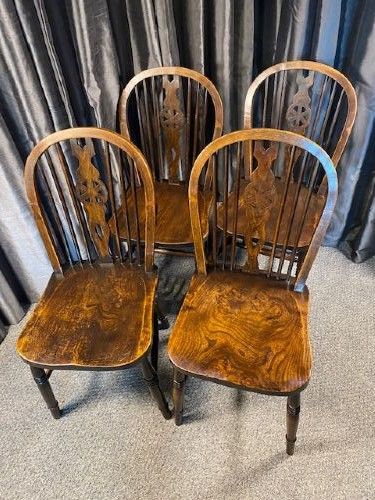
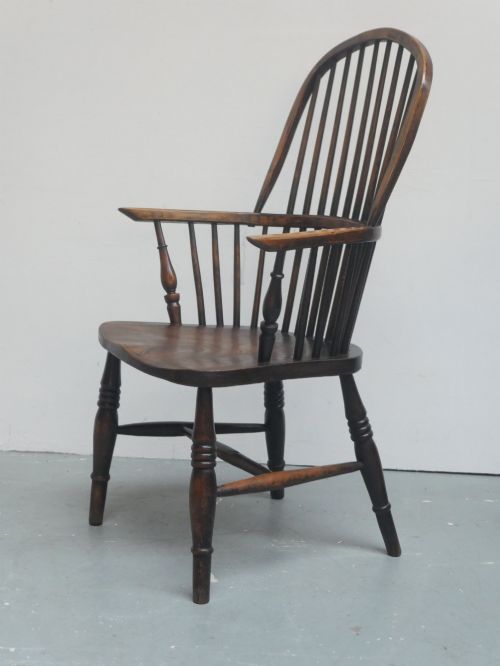
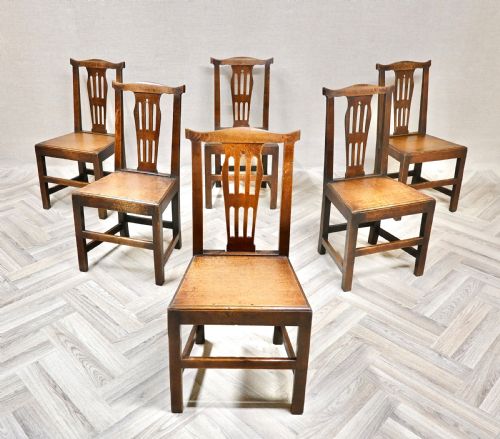
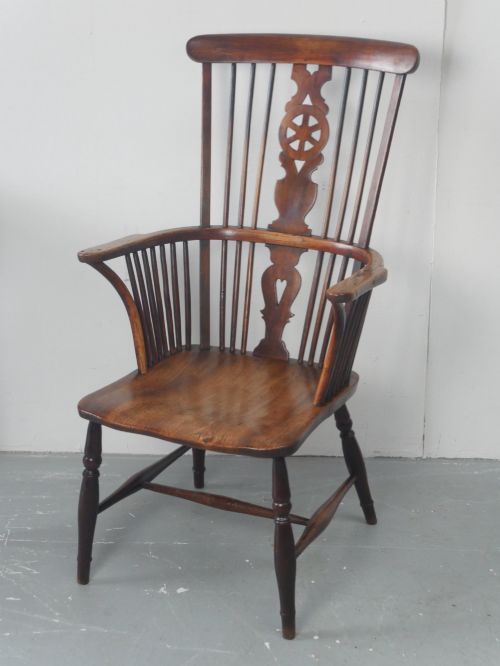
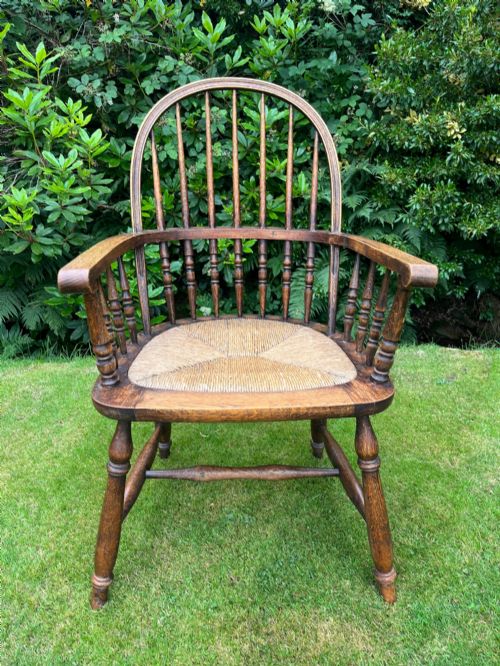
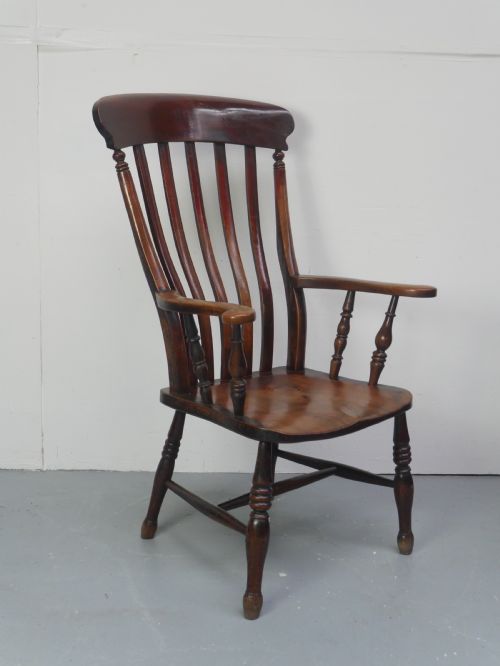
A georgian wooden kitchen chair encompasses robust country seating designed for utility rather than formal parlour display. You encounter single farmhouse chairs, matched dining sets, and Windsor armchairs shaped from domestic timbers.
The material record spans from the eighteenth century into the nineteenth century, taking the form of ladderbacks, spindlebacks, and stickbacks with solid wood seats. Elm, oak, ash, and yew predominate, sometimes paired with rush for seating.
Originating across English, Welsh, and regional country workshops, these pieces prioritize structural durability through thick plank seats and braced legs. They survive as everyday domestic furniture adapted for modern kitchen and dining spaces.
How they were made
Maker-joiners utilised native timbers, turning spindles on lathes and bending wood for steam-formed Windsor hoops and arm bows. Solid seats of elm or oak were scooped by adze or traviser to receive the wedged legs and uprights.
Construction relies on mortise and tenon joinery, box stretchers, and crinoline stretchers to brace the leg assembly against daily lateral stress. Surfaces received simple finishes of oil, wax, or natural friction polish that developed depth over decades of use.
Georgian Wooden Kitchen Chair Retail Price Guide 2026
Typical asking prices for georgian wooden kitchen chair among the pieces listed under this phrase on Sellingantiques today, from the lower quarter to the upper quarter. They describe what is for sale here now, not the wider market.
Listings span the eighteenth, nineteenth, and early twentieth centuries, featuring elm, oak, ash, beech, yew, and rush materials.
What varies in quality
Quality depends upon the choice of timber and the precision of the green woodworking techniques employed. Elm seats with strong figure and well-turned ash or yew spindles represent superior rural craftsmanship.
Proportion and stance separate standard utility pieces from exceptional vernacular examples. Tighter turnings, balanced bow sweeps, and the integrity of original stretchers determine the standing of each chair.
The Georgian Wooden Kitchen Chair Glossary
- Windsor chair
- A chair built with a solid wooden seat into which the legs and back sticks are independently tenoned. This construction method creates a sturdy, unified frame typical of country production.
- Ladderback
- A chair featuring horizontal slats or rails between the vertical back posts. These slats are often curved to fit the sitter's back.
- Crinoline stretcher
- A curved metal or wooden brace linking the legs of a Windsor chair below the seat. It adds structural rigidity and supports the feet.
- Harlequin set
- A collection of chairs that share a similar style, period, or material but were not originally made as a single matched suite. They offer a gathered appearance for a dining table.
- Vernacular
- Objects made by regional craftsmen following local traditions rather than academic architectural styles. These pieces emphasise function and available local materials.
Georgian Wooden Kitchen Chair: Frequently Asked Questions
Are these chairs comfortable for daily use?
Solid wood seats shaped with subtle hollows provide surprising support during long meals or gatherings. Adding loose squab cushions can increase comfort while preserving the timber surface.
Their sturdy construction handles regular sitting without the fragility found in formal antique parlour seating.
Can I mix different country chairs together?
Gathering harlequin sets or mixed vernacular chairs creates an authentic period dining arrangement. Country houses historically accumulated seating through local trade rather than uniform suites.
Matching timber tones or similar ladderback forms helps tie a mixed group together around a table.
What woods were commonly used?
Elm served as the primary choice for solid saddle seats because its interlocking grain resisted splitting under wedged tenons. Ash, beech, and oak provided strength for turned legs, stretchers, and back spindles.
Finer examples occasionally utilised yew for its rich grain patterns and flexible bending properties.