
Georgian Wooden Hall Table
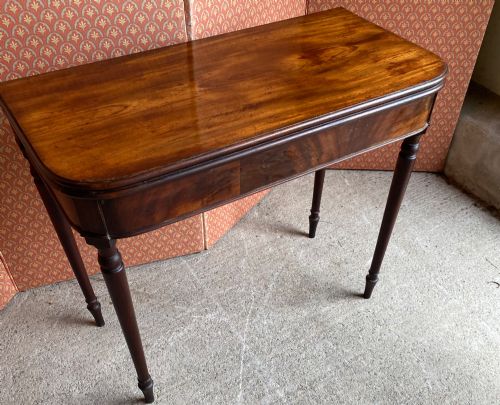
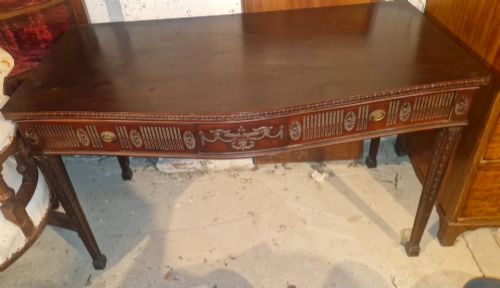
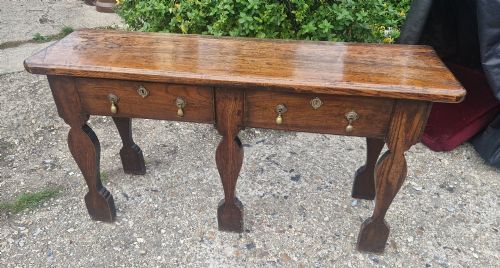
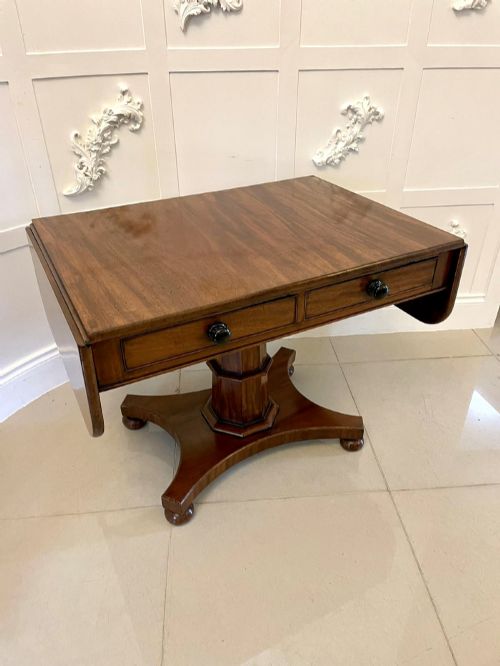
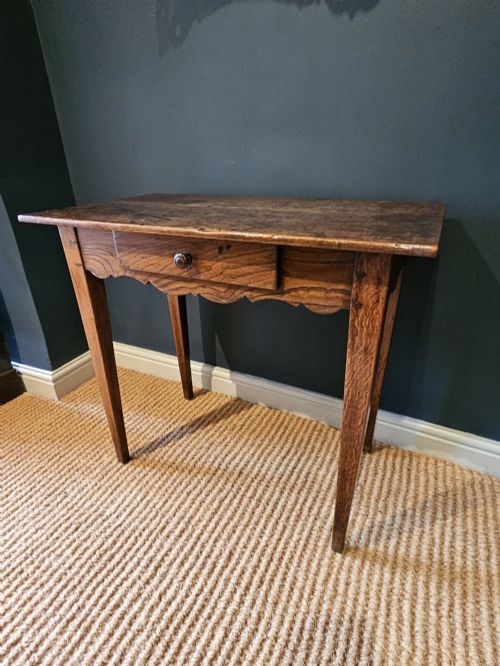
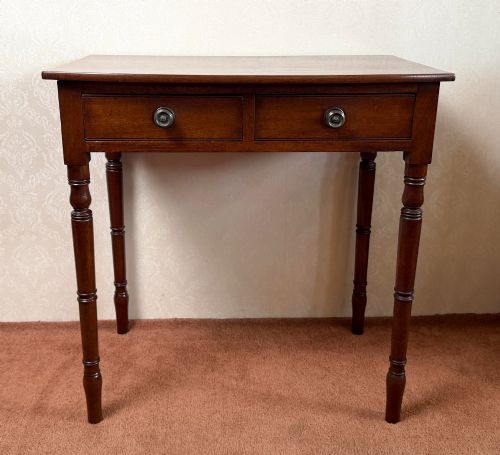
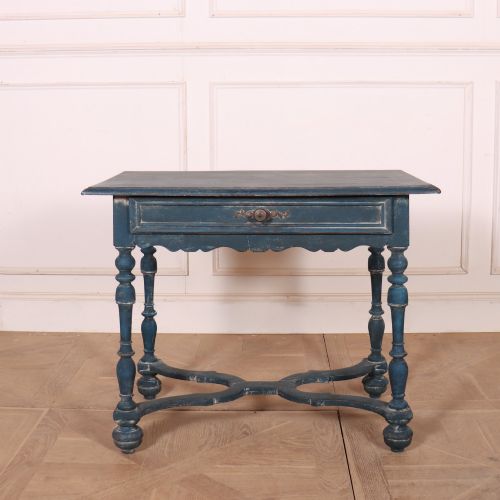
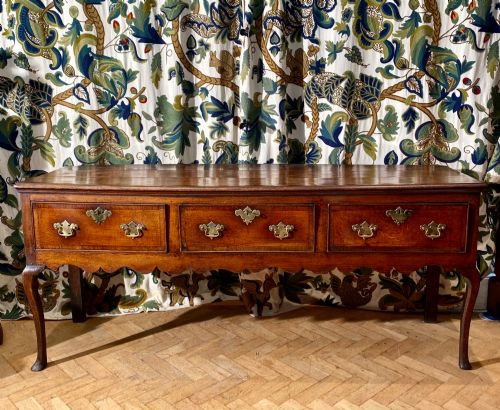
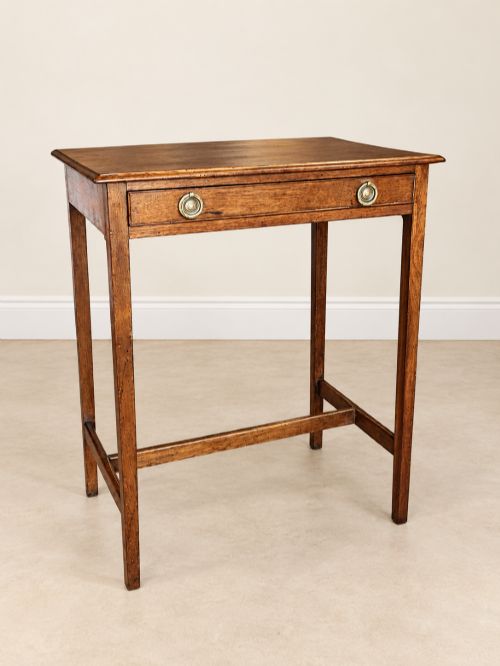
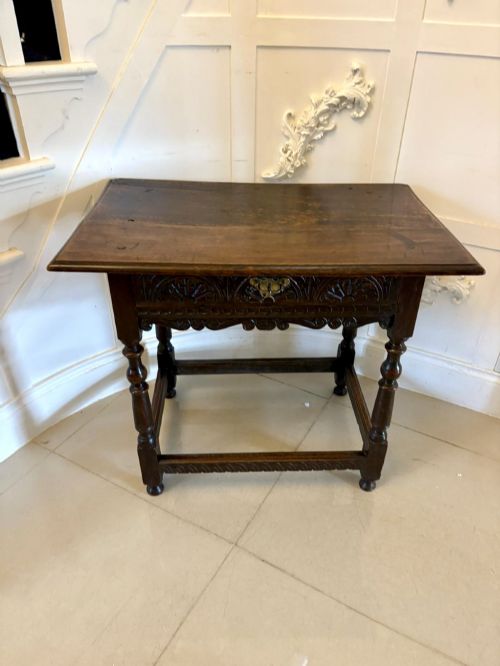
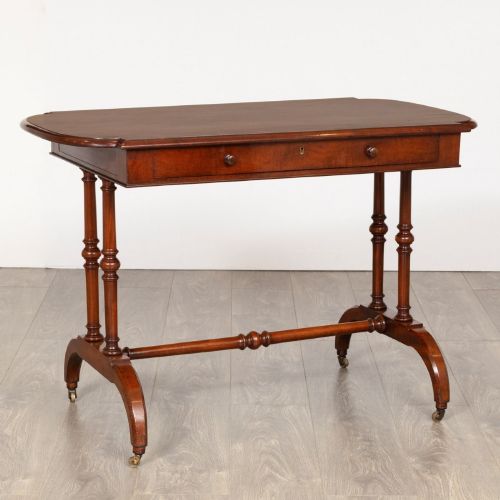
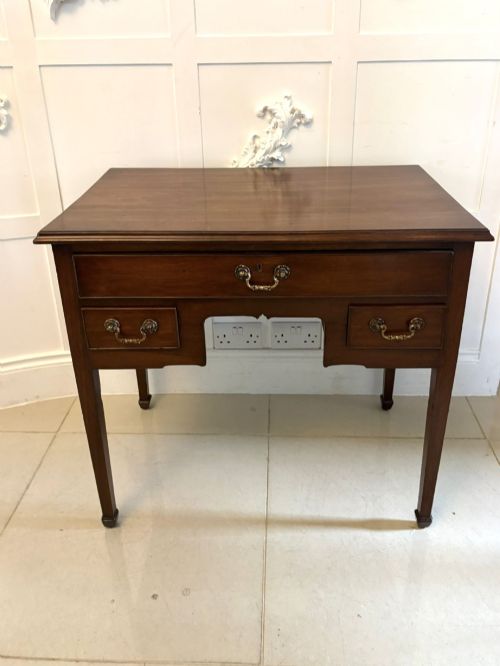
A georgian wooden hall table brings functional elegance and period character to an entrance, offering a sturdy surface crafted from rich timber.
Georgian Wooden Hall Table
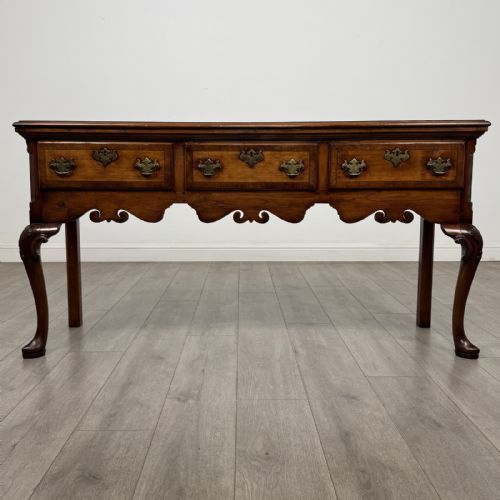
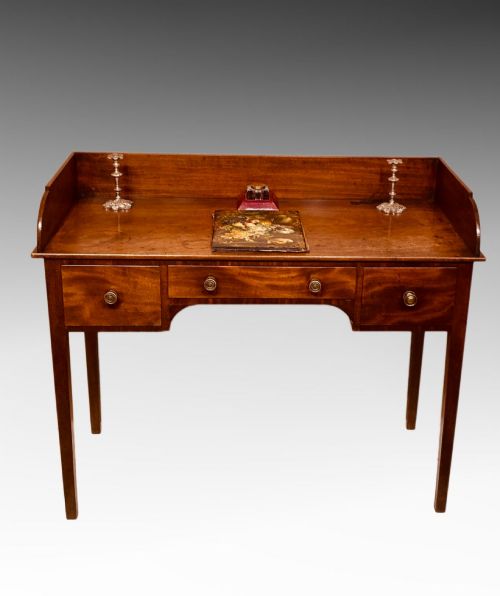
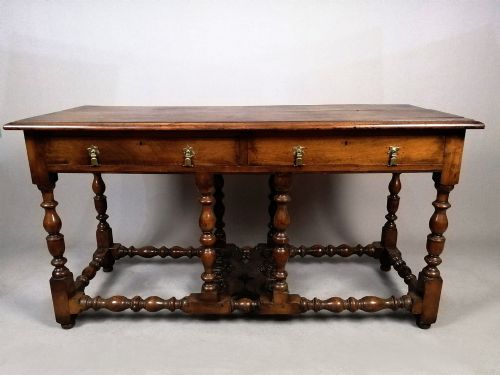
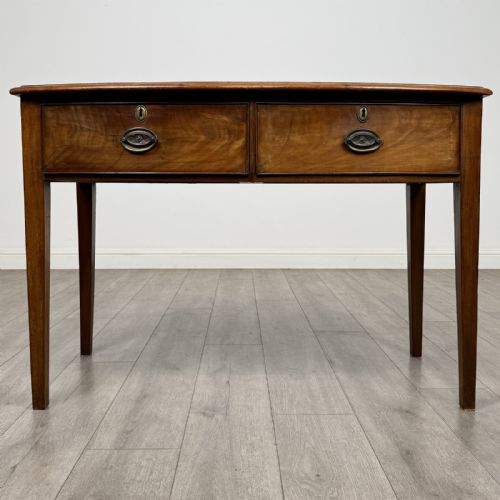
When searching for a georgian wooden hall table, buyers encounter a variety of utilitarian and formal forms designed for domestic spaces. These pieces serve as side tables, lowboys, console tables, and compact servers, often featuring single or multiple drawers beneath a polished top.
The materials span native and imported timbers, showcasing the rich grain of mahogany, oak, walnut, yew, elm, and fruitwood. Many examples reflect the prevailing aesthetic of the eighteenth and early nineteenth centuries, ranging from plain country furniture to refined neoclassical designs.
Most entries belonging to this category date from the eighteenth and nineteenth centuries, capturing periods such as the Georgian era, Regency, and George II. Buyers are most likely to meet side tables and lowboys constructed from sturdy oak or richly figured mahogany.
What varies in quality
The distinction between standard examples and finer pieces lies in the selection of timber and the sophistication of the cabinetwork. Tables utilising highly figured burr walnut, flame mahogany, or dense fruitwood exhibit greater visual depth than plain utility pieces.
Proportion and restraint in ornament define the upper tier of these tables. Subtle details such as crisp edge moulding, well-executed dovetail joints, and retention of original brass hardware elevate an item from basic domestic furniture to a piece of accomplished design.
Some tables retain old ink stains inside their drawers, left by generations of hurried note-writing in busy hallways.
The Georgian Wooden Hall Table Glossary
- Lowboy
- A small dressing table or side table featuring one or more rows of drawers beneath a flat top, typically raised on slender legs.
- Dresser base
- A heavy, functional table or sideboard equipped with drawers and sometimes a lower shelf, traditionally used in kitchens and halls.
- Marquetry
- The art of applying decorative pieces of veneer to a structure to form intricate patterns and pictures.
- Flame mahogany
- A timber veneer displaying a distinct, fiery flame-like pattern caused by the intersection of growth rings in the wood.
- Washstand
- A small table designed to hold a basin and jug for washing, often fitted with a low splashback or enclosed top.
Georgian Wooden Hall Table: Frequently Asked Questions
What is a georgian wooden hall table used for?
These tables provide a convenient surface in entranceways and corridors for placing keys, correspondence, and decorative items. Drawers offer concealed storage for small household essentials.
Historically, similar tables served varied duties in domestic interiors, functioning as sideboards, serving surfaces, or writing desks depending on the room.
How do I identify a georgian period piece?
Authentic period construction relies on solid timber framing, hand-cut dovetails, and native woods like oak, mahogany, and walnut. Proportions tend to be balanced and structural elements reflect traditional hand-tool methods.
Stylistic cues such as modest bracket feet, cockbeaded drawer edges, and restrained neoclassical ornament point towards eighteenth and early nineteenth-century origins.
Can I use a lowboy as a hall table?
A lowboy works well in an entrance hall due to its compact proportions and useful drawer space. Its traditional height makes it suitable for narrow passages.
These pieces integrate easily alongside contemporary furniture while adding warmth and historic character to modern interiors.
What woods were commonly used?
Cabinetmakers utilised both native British hardwoods like oak, elm, fruitwood, and yew alongside imported timbers such as mahogany and walnut. Regional pieces often feature local woods suited to country workshops.
Finer urban furniture frequently employs mahogany or figured veneers, while robust utility items rely on solid oak and ash.