

Georgian Wooden Hall Seat
When you search for a georgian wooden hall seat, you encounter robust oak settles and refined mahogany hall chairs built to endure.
Georgian Wooden Hall Seat
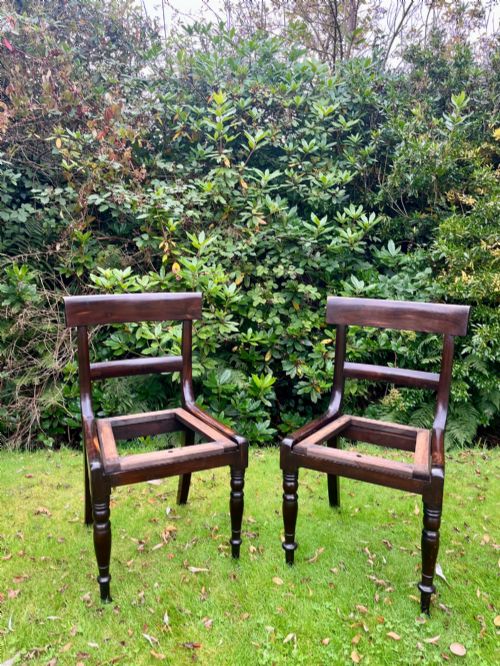
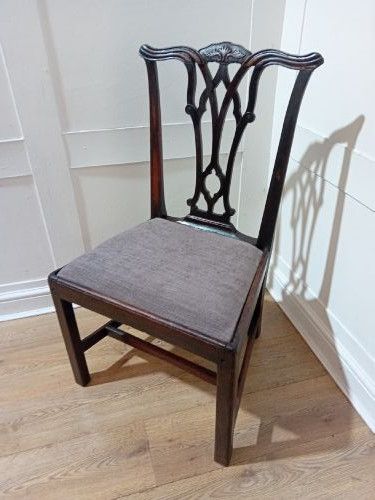
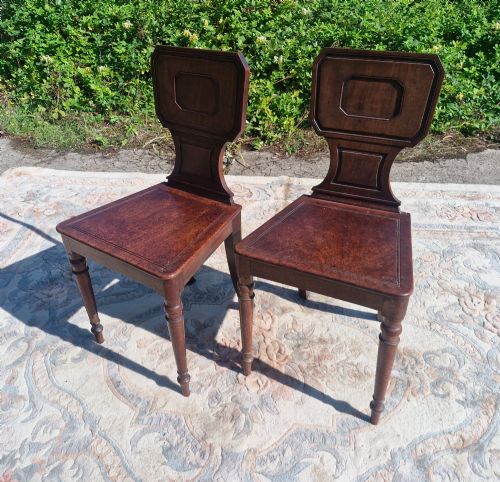
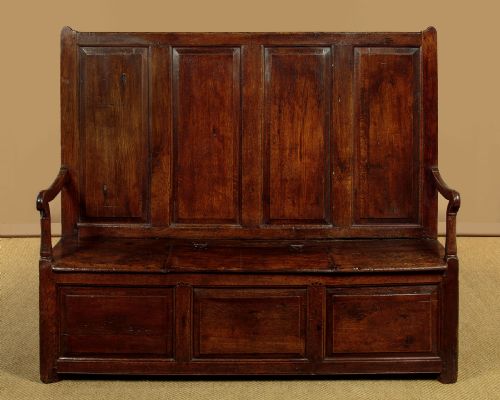
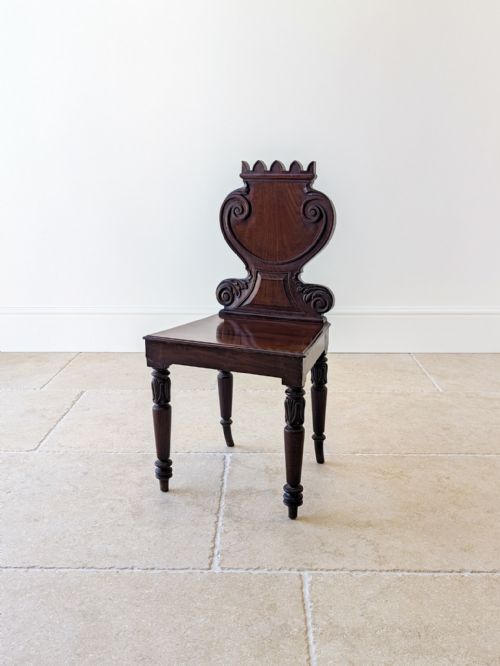
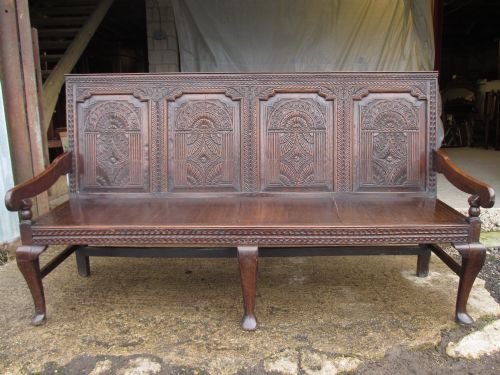
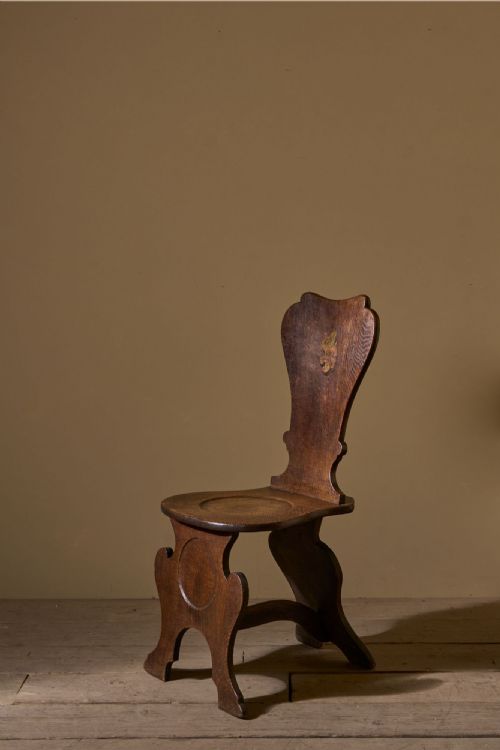
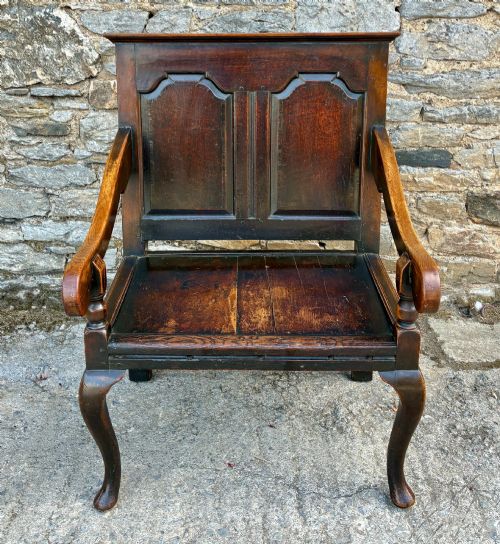
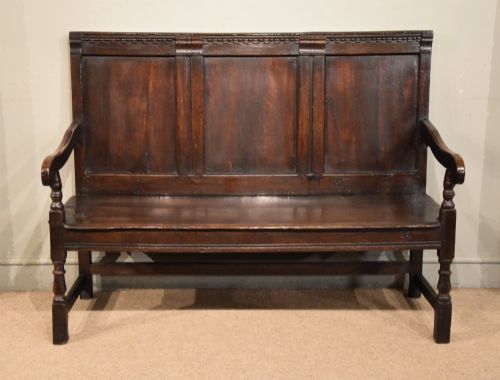
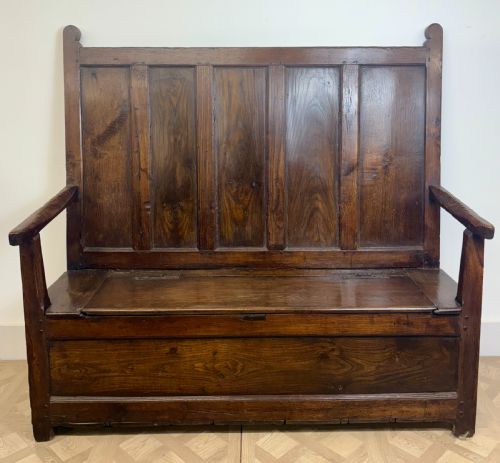
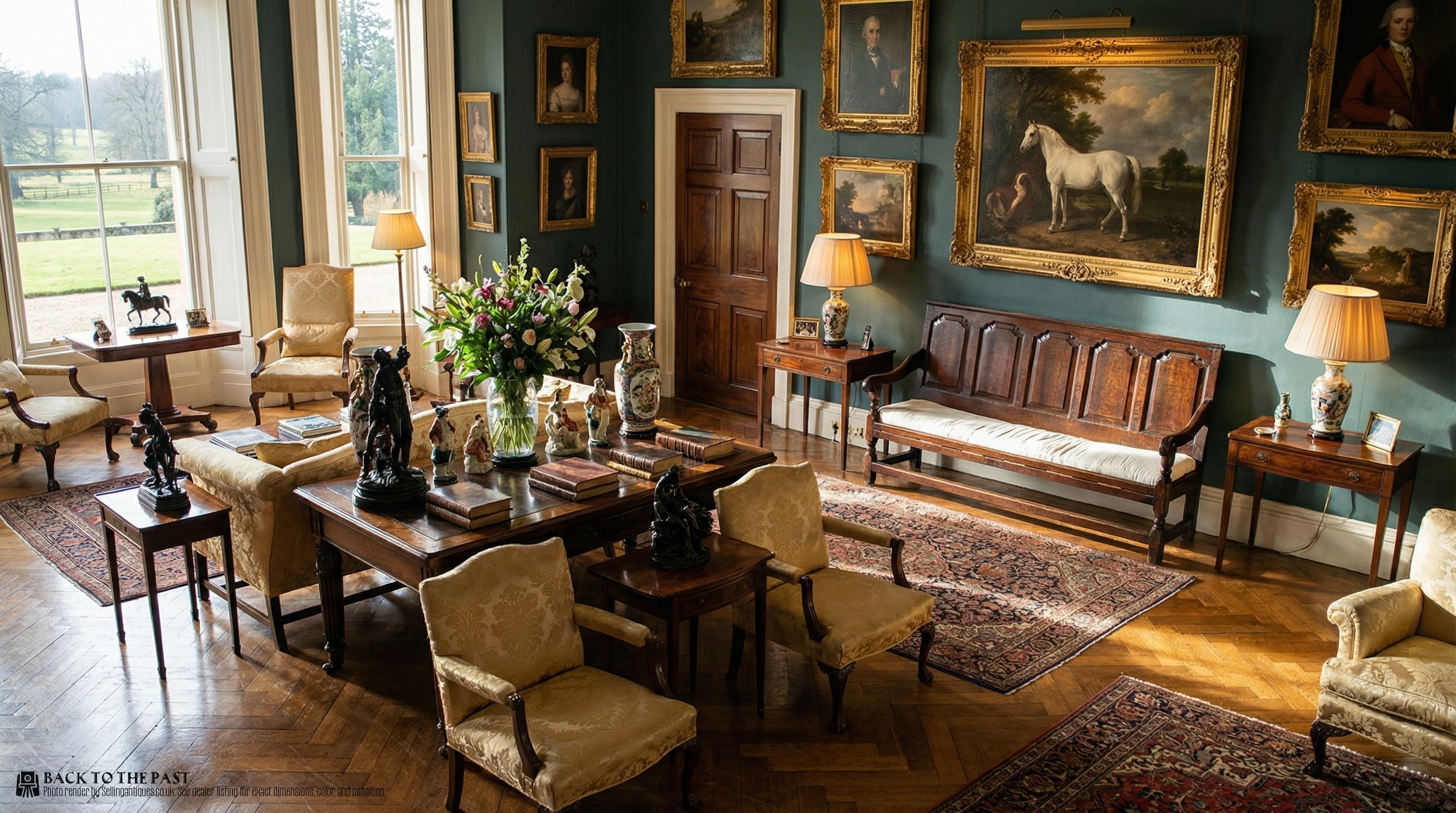
A georgian wooden hall seat encompasses a variety of substantial domestic furniture designed for entranceways and communal spaces, ranging from high-back box settles to carved mahogany hall chairs and long window benches. The pieces span the eighteenth and nineteenth centuries, taking in George III, Regency, and William IV styles as well as vernacular traditions.
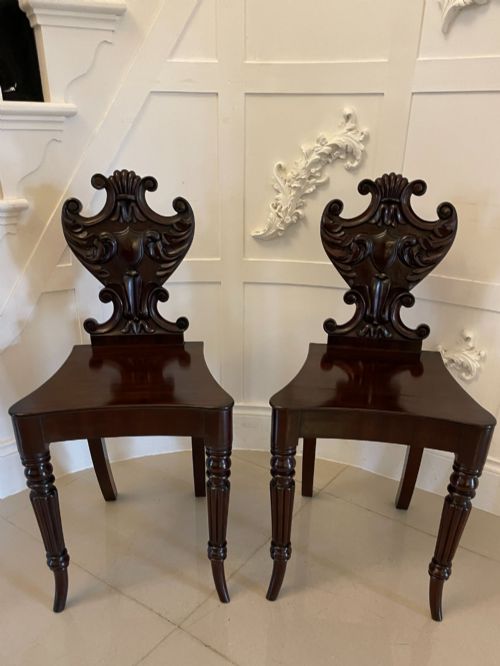
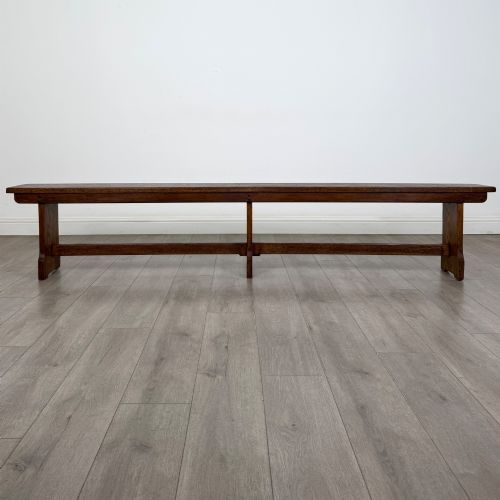
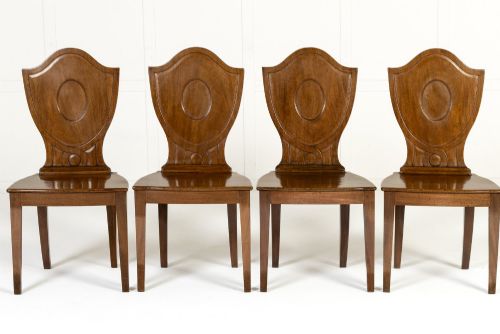
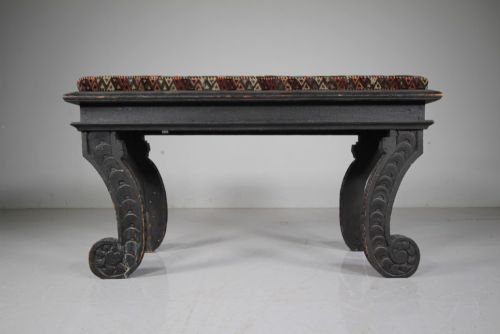
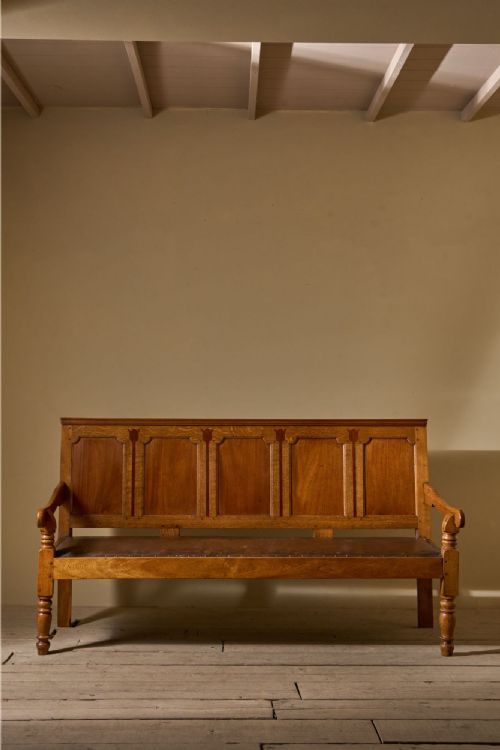
Buyers most frequently meet oak settles and mahogany hall chairs among these listings, alongside painted pine benches and occasional elm or ash examples. Forms vary from simple boarded boxes with hinged seats to grand armorial chairs and large window seats featuring sabre legs or shield backs.
Materials and construction
Cabinet makers relied predominantly on dense hardwoods like mahogany and oak, supplemented by regional timbers such as ash, elm, and pine. Joinery techniques involved traditional framing, paneling, and sturdy pegging to withstand heavy daily use in busy hallways.
Surface treatments range from waxed and polished natural timber grains to early painted decorations, simulated rosewood finishes, and occasional cane inserts or brass and iron accents.
Listings feature oak, mahogany, pine, and elm, spanning the eighteenth and nineteenth centuries with styles from George III to William IV.
Judging execution
Quality rests upon the crispness of carved details, such as shield backs, armorial motifs, and panel decorations, compared to plain or heavily worn surfaces. The choice of timber grain, from figured mahogany to well-selected oak, dictates the visual presence of the piece.
Proportion and structural integrity separate standard utility items from finer country house commissions or pieces attributed to notable workshops.
Gillows
The Georgian Wooden Hall Seat Glossary
- Settle
- A wooden wooden bench featuring a high back to block draughts and often a box compartment beneath the seat for storage. These items anchor traditional country interiors.
- Hall chair
- A rigid wooden seat designed for an entrance hall, frequently displaying carved crests or armorial bearings rather than upholstered comfort. They were built to make an impression on visitors.
- Window seat
- A long bench or stool proportioned specifically to sit beneath a window recess. Examples in the evidence range from plain pine to grand Regency frames.
- Shield back
- A chair back shaped in the outline of a heraldic shield, popular during the eighteenth century. This design allows for intricate carved ornamentation.
- Sabre leg
- A concave curving leg that tapers towards the foot, characteristic of Regency seating design. It provides a graceful stance while maintaining structural strength.
Georgian Wooden Hall Seat: Frequently Asked Questions
Where were hall chairs placed?
Hall chairs stood in the entrance halls or corridors of large houses. Visitors waited on them briefly, so comfort was secondary to visual display.
Carved family crests or painted armorial bearings often decorated the wooden backs to impress guests upon arrival.
How do I date a mahogany hall chair?
Dating relies on stylistic shifts in the woodwork, such as the transition from eighteenth-century shield backs to nineteenth-century sabre legs. Examining the timber grain and construction methods helps narrow the decade.
Earlier pieces often feature simpler mahogany frames, while Regency examples introduce ebonised details and painted decoration.
Can I use a hall bench daily?
These wooden benches and chairs were built from dense hardwoods like oak and mahogany to withstand generations of heavy use. Their robust joinery suits modern hallways or seating areas.
Routine care involves maintaining the waxed or polished surface without exposing the timber to extreme temperature fluctuations.