
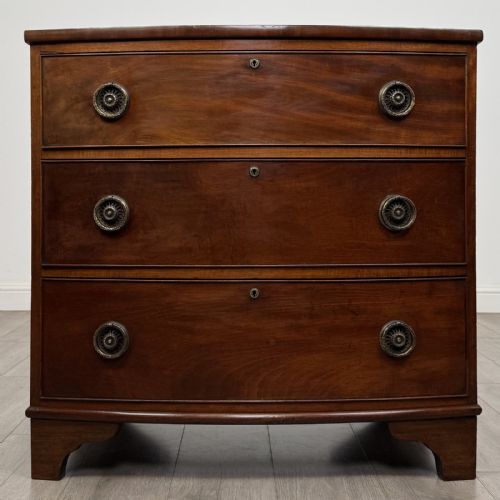
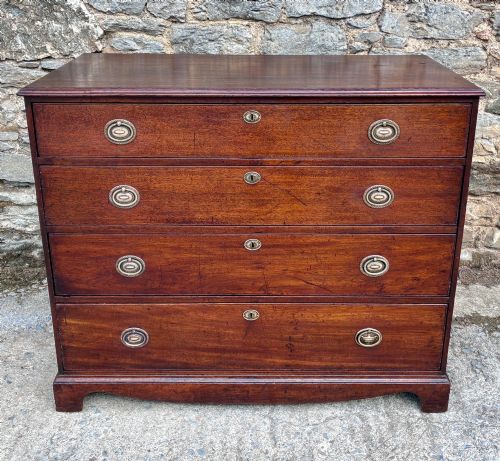
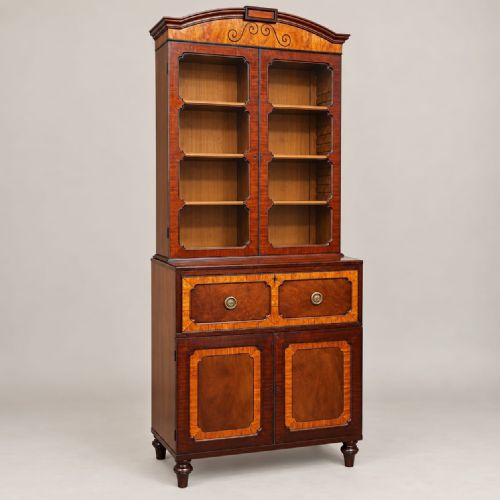
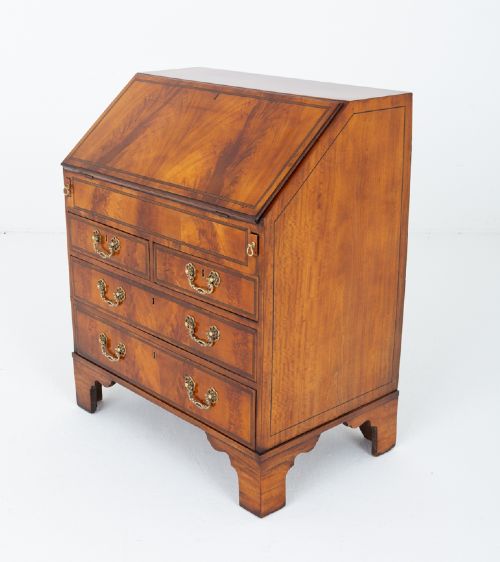
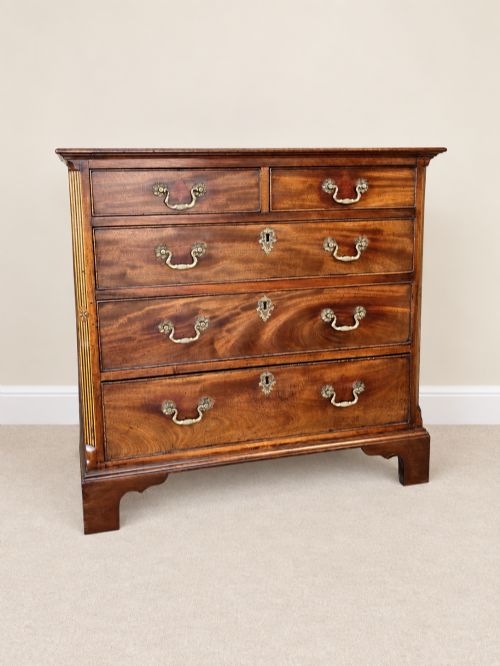
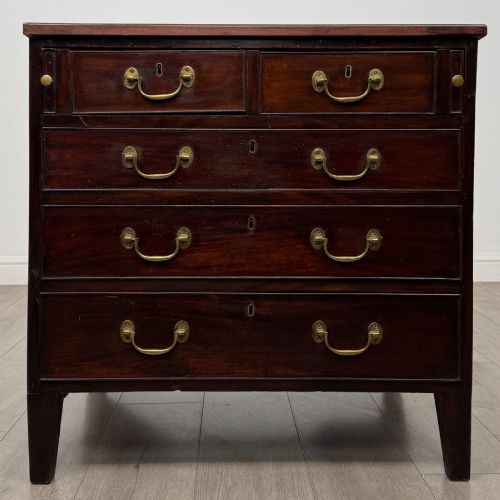
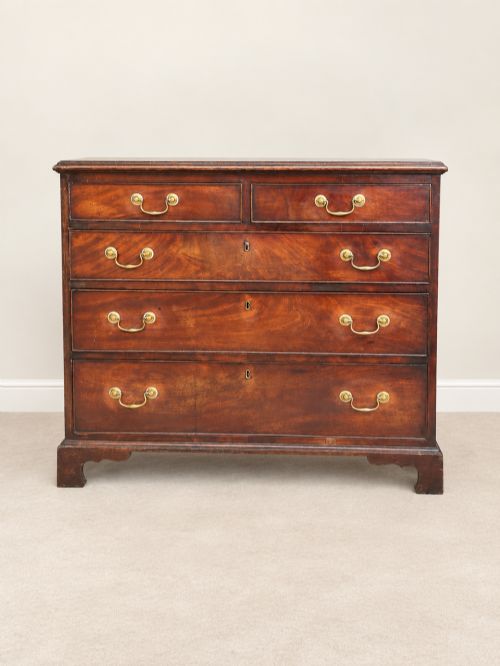
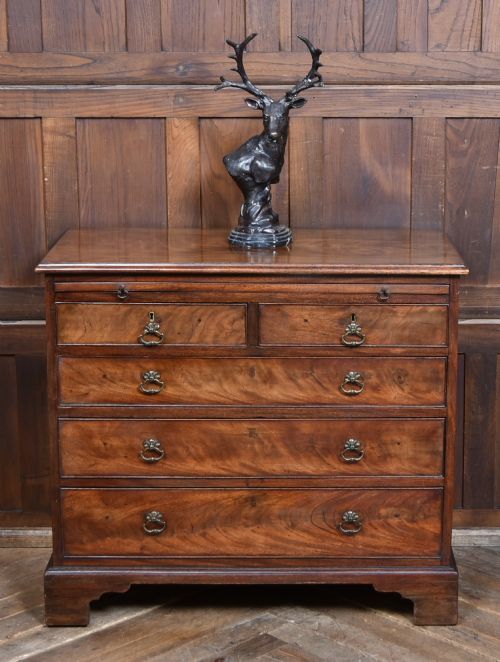

Georgian Wooden Bureau
A georgian wooden bureau brings practical writing space and fitted compartments into a room through traditional cabinetmaking.
Georgian Wooden Bureau
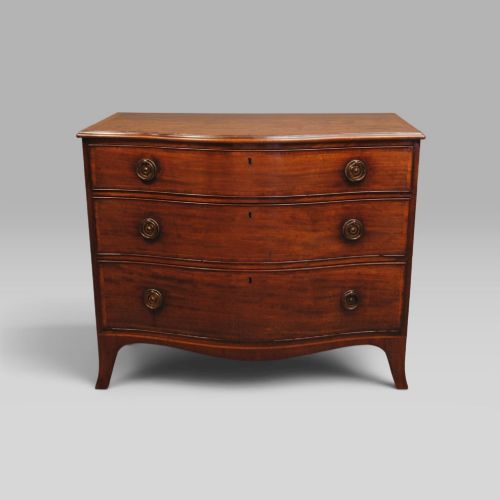
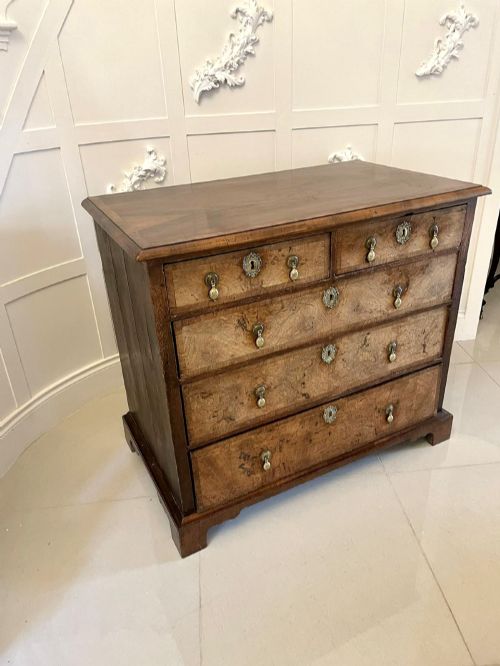
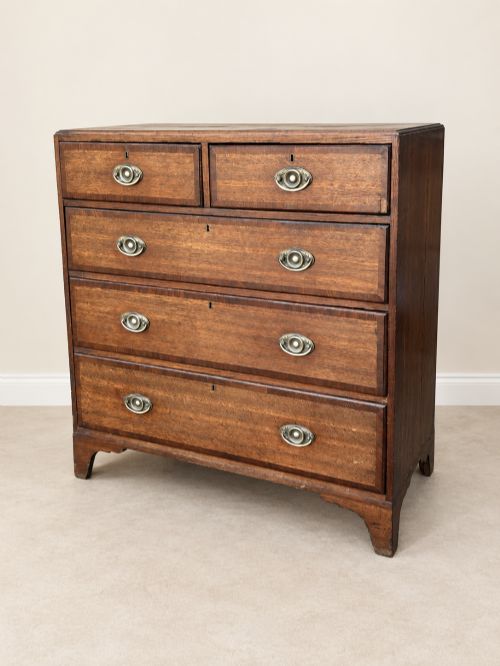
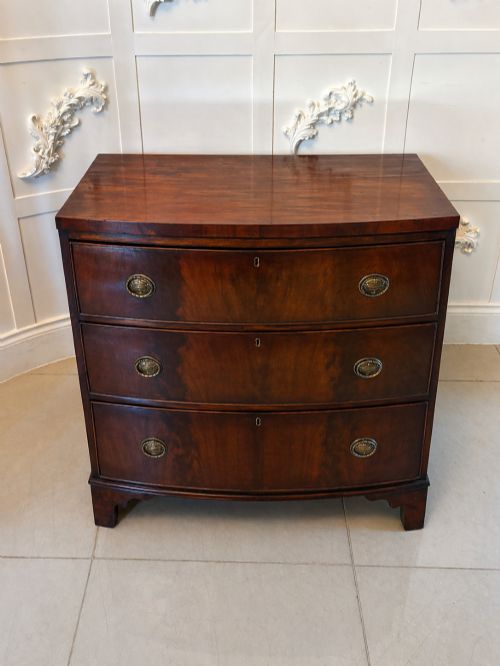
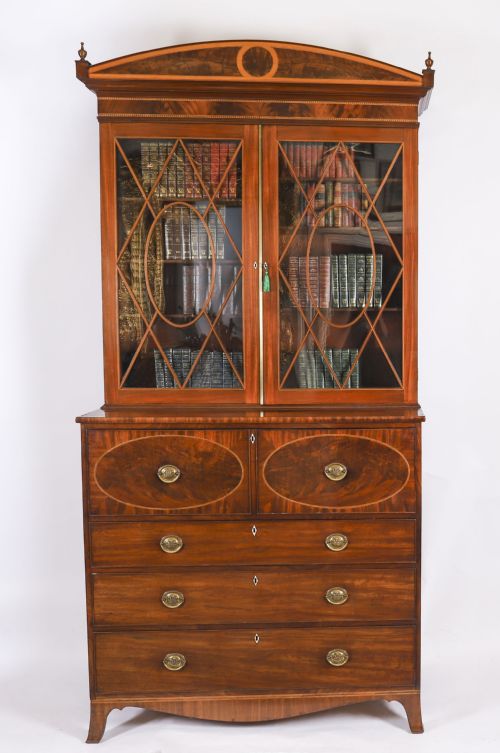
When searching for a georgian wooden bureau, a buyer encounters writing desks, fall front writing bureaux, and bureau bookcases originating predominantly from the eighteenth and nineteenth centuries. These pieces combine a sloping fall front or cylinder tambour top with internal drawers and pigeonholes above lower storage drawers.
The form developed to serve domestic correspondence and record keeping, utilising sturdy chests of drawers as a structural base beneath a dedicated writing surface. Such items reflect the domestic routines of their period while offering enduring utility in contemporary settings.
Materials and construction
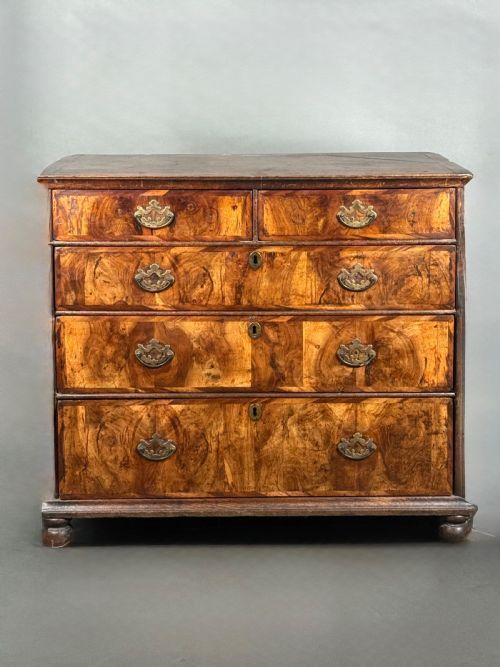
Cabinetmakers built these pieces using solid timbers and veneers of mahogany, oak, and walnut, frequently selecting figured or flame mahogany and burr walnut for decorative surfaces. Secondary woods like oak appear in drawer linings and internal framing.
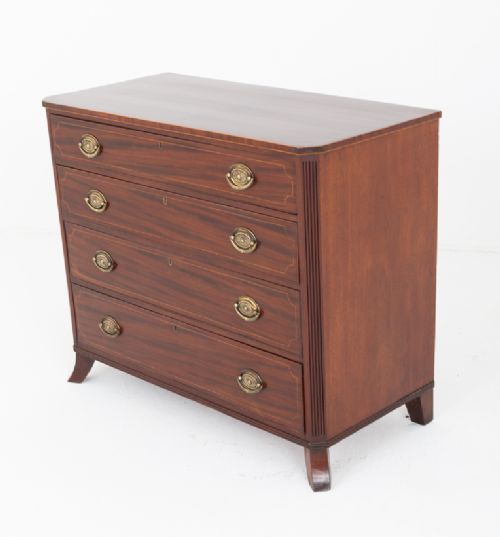
Detailing often includes boxwood stringing, brass handles, and bone accents to enrich the visual depth of the woodwork. Construction relied on traditional joinery methods that accommodated the natural movement of timber over centuries.
Hidden interior compartments waited inside writing desks to store secret letters away from curious household eyes.
Factors that distinguish quality
The distinction between standard examples and the finest pieces rests upon the choice of timber and the dexterity of the cabinetmaker. Figure matching in walnut veneers and the grain continuity across drawer fronts indicate superior workmanship.
Internal organisation also separates tiers of quality, observed in the complexity of secret compartments, the snugness of pigeonhole fits, and the smoothness of sliding writing surfaces.
James Mein of Kelso
The Georgian Wooden Bureau Glossary
- Fall front
- A hinged writing flap that drops down to provide a horizontal surface for correspondence. When closed, it conceals the internal drawers and pigeonholes.
- Brushing slide
- A pull-out shelf positioned above the top drawers of a chest or bureau. It provided a clean surface for brushing garments or writing notes without opening a main drawer.
- Tambour
- A flexible shutter made from narrow strips of wood glued to a canvas backing. It slides in a track to cover the upper desk section.
Georgian Wooden Bureau: Frequently Asked Questions
What is a georgian wooden bureau?
A georgian wooden bureau is a traditional writing desk featuring a hinged fall front that opens to reveal internal compartments, set above a chest of drawers.
These pieces were constructed during the eighteenth and nineteenth centuries in timbers such as mahogany, oak, and walnut.
How were these bureaux used?
Owners utilised the fold-down writing flap for correspondence, letter writing, and managing household accounts.
The internal pigeonholes and small drawers kept writing materials and documents organised.
Where should I place one?
These items fit well in studies, living rooms, or bedrooms where a compact writing desk and storage combination is required.
Their traditional timber tones complement both historic interiors and modern home offices.
How do I identify the period?
Dating relies on stylistic clues such as cabinet proportions, brass handle designs, and timber selections like figured mahogany or burr walnut.
Construction details, including secondary woods in drawer linings, also assist in determining the era of manufacture.