




Georgian Wooden Bucket
A georgian wooden bucket brings timeless utility indoors, serving as a wine cooler, coal holder or planter with classic timber and metal craftsmanship.
Georgian Wooden Bucket
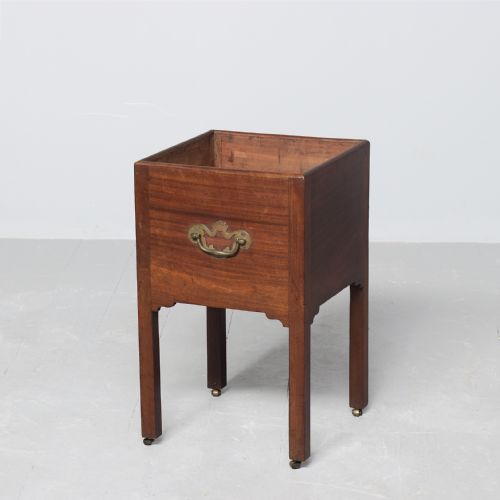
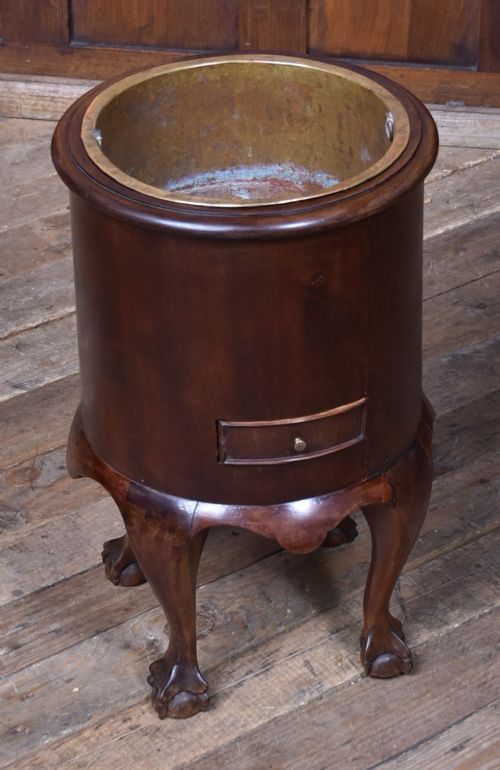
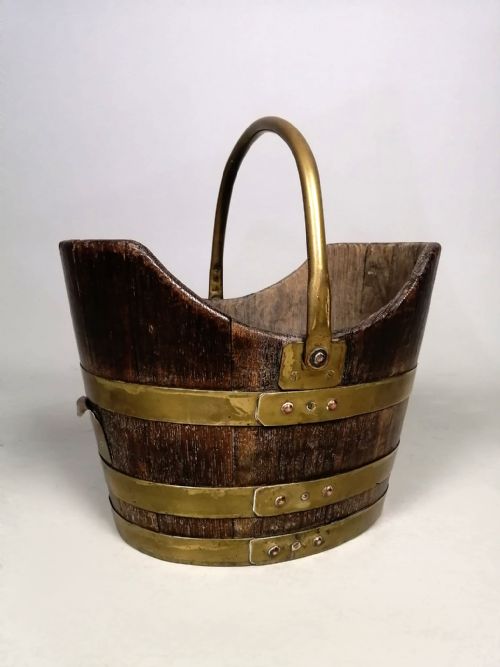
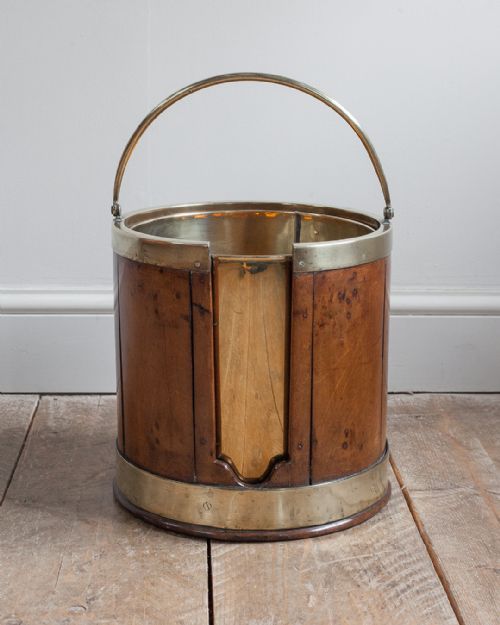
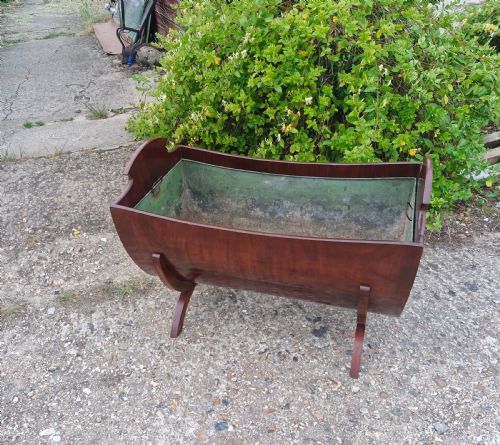
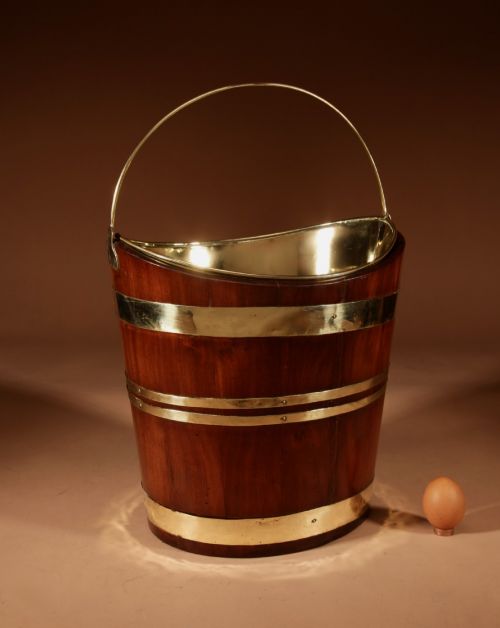
A georgian wooden bucket encompasses diverse utilitarian forms adapted for the dining room, hearth or garden, including wine coolers, cellarettes, plate buckets, peat buckets and jardinières.
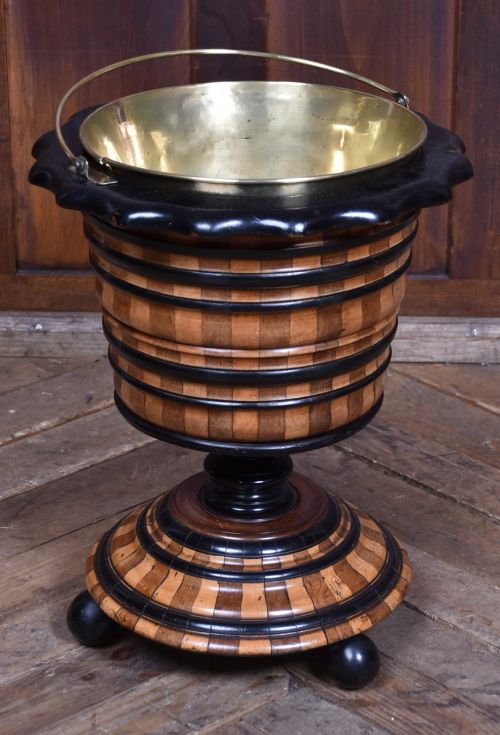
The versions met most frequently on this page date from the eighteenth and nineteenth centuries, taking the form of coopered vessels fashioned for holding ice, wine bottles, coal, peat or plants.
Many examples span related styles such as George III, Regency and Dutch influences, showing how practical containers were refined for polite domestic interiors.
Materials and construction methods
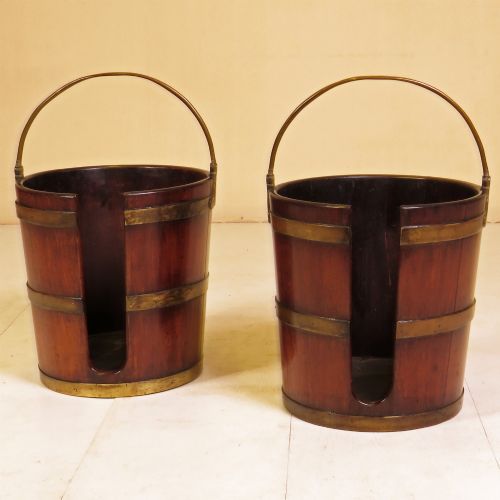
Craftsmen built these vessels using traditional coopering techniques, joining vertical staves of mahogany, walnut, oak or other timber to form watertight or durable round, oval and boat shapes.
Staves are secured by robust bands of brass, iron or wrought iron, often accompanied by swing handles, liners in zinc or brass, and sometimes dedicated stands.
Georgian Wooden Bucket Retail Price Guide 2026
Typical asking prices for georgian wooden bucket among the pieces listed under this phrase on Sellingantiques today, from the lower quarter to the upper quarter. They describe what is for sale here now, not the wider market.
Listings feature mahogany, walnut and oak timbers, frequently secured with brass or iron bands and occasionally accompanied by fitted metal liners.
Assessing quality in antique wooden buckets
Quality rests upon the selection of timber figures, such as rich mahogany or figured walnut, paired with heavy, well-fitted brass banding rather than thin gauge metals.
The integrity of the original coopered construction, the presence of matching liners or original stands, and untouched patination distinguish finer examples from later revivals.
The Georgian Wooden Bucket Glossary
- Coopered
- Constructed from curved wooden staves bound together with metal hoops, much like a traditional barrel. This method ensures structural strength for holding heavy contents like wine or coal.
- Cellarette
- A lockable container or fitted bucket designed to hold bottles of wine and spirits beneath the dining table or sideboard. These often feature internal divisions and robust carrying handles.
- Jardinière
- An ornamental pot or stand used for displaying plants and flowers indoors. In this category, they frequently share the coopered wooden construction of wine or peat buckets.
- Peat bucket
- A specialised container traditionally used near the hearth to hold dried peat for fuel. They often incorporate decorative brass handles and swing bails.
- Teestoof
- A Dutch warming vessel or footstove, sometimes taking the form of a small coopered wooden bucket with a metal liner. These items were designed to hold hot embers for warmth.
- Plate bucket
- A slatted or solid wooden vessel designed specifically for safely carrying and storing dining plates. These pieces demonstrate the domestic organisation typical of the eighteenth century.
Georgian Wooden Bucket: Frequently Asked Questions
What were these wooden buckets originally used for?
These vessels served various domestic functions depending on their form, acting as wine coolers at the dining table, coal or peat stores by the fireplace, and containers for plates or plants.
Over time, many pieces adapted to secondary uses, such as transitioning from wine storage to serving as interior planters or jardinières in country houses.
How do I tell an 18th century bucket from a later revival?
Early pieces display authentic timber shrinkage, hand-beaten or cast brass work, and period construction methods visible in the base and staves.
Revival pieces from later decades often present uniform machine milling, brighter modern brass alloys, and timber lacking the deep patination accumulated over centuries of use.
Are these buckets watertight for use as planters?
Many examples retain their original brass or zinc liners, which were designed to contain moisture for ice or plants.
If a liner is missing or degraded, modern protective saucers are recommended to protect the internal wooden staves from direct contact with damp soil.
How should I care for an antique wooden bucket at home?
Keep wooden vessels away from direct heat sources and dramatic humidity fluctuations to prevent the staves from shrinking or the metal bands from loosening.
Apply a traditional beeswax polish occasionally to nourish the dry timber and maintain the natural lustre of the wood grain.