


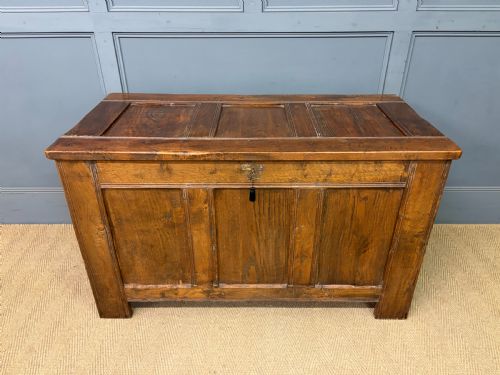
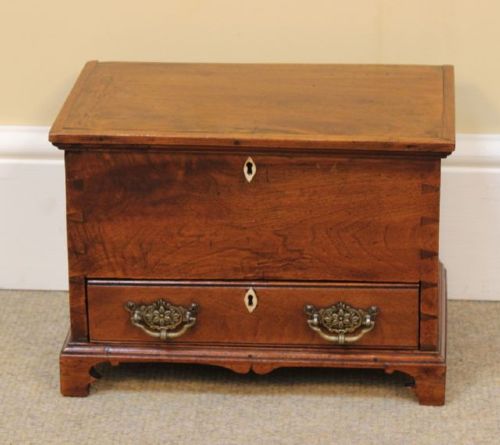
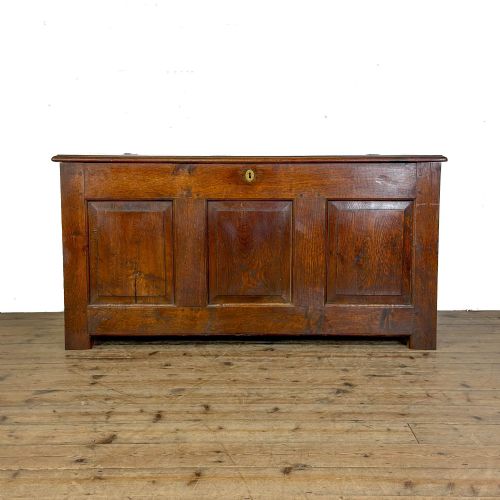
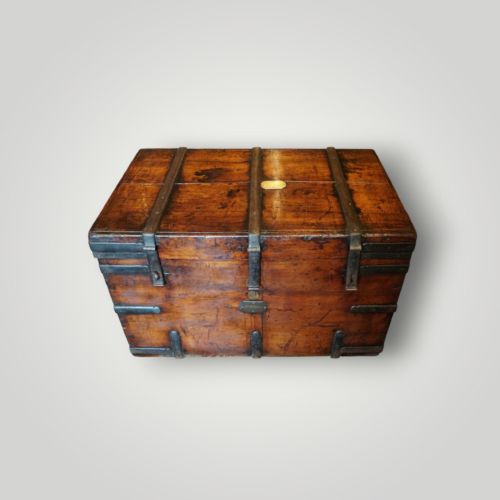
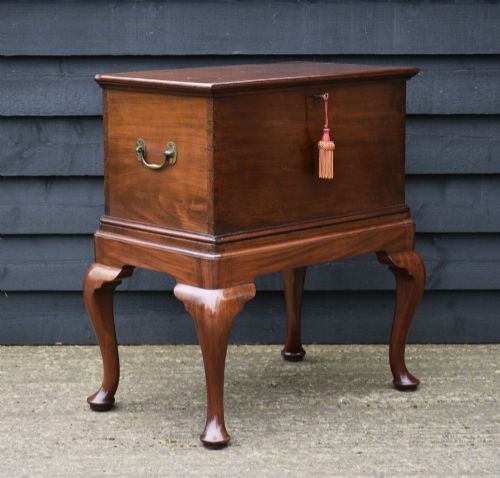
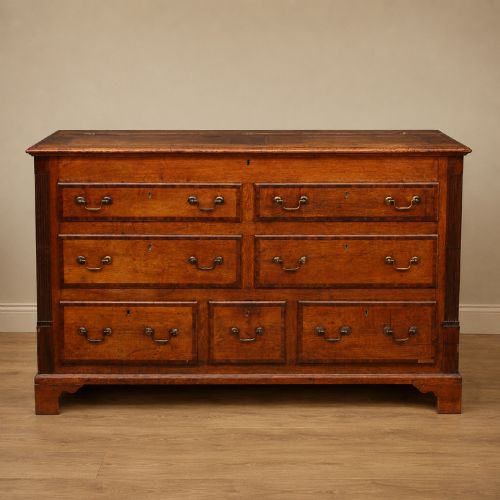
Georgian Wooden Blanket Chest
A georgian wooden blanket chest is a sturdy domestic storage piece built to hold textiles, offering enduring utility alongside period character.
Georgian Wooden Blanket Chest
When you search for a georgian wooden blanket chest, you encounter a variety of storage pieces including coffers, mule chests with lower drawers, and blanket boxes. These items originate primarily from eighteenth and nineteenth century workshops.
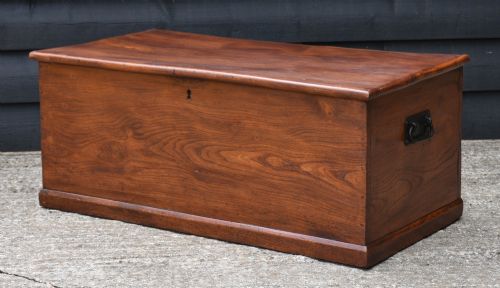
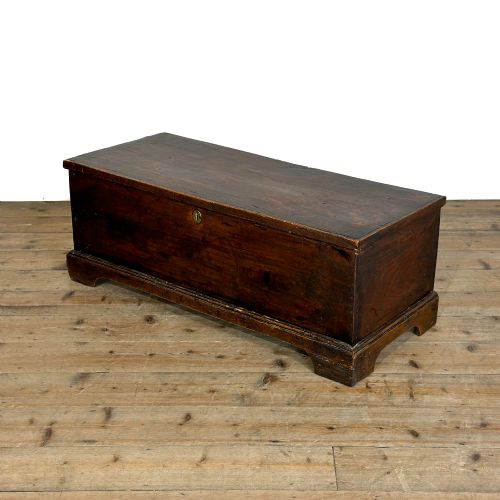
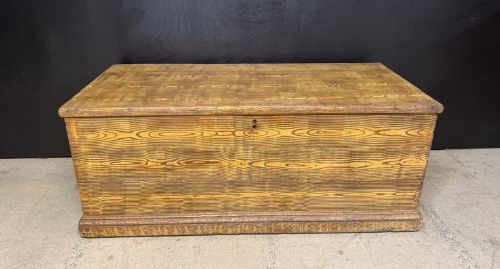
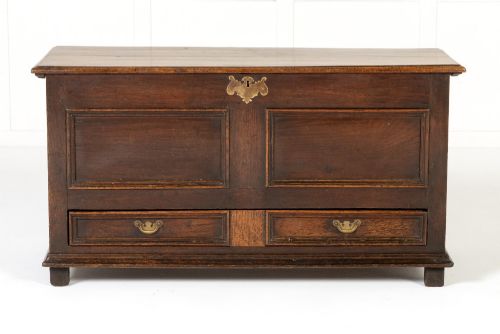
The version you are most likely to meet on this page is constructed from oak or mahogany, often featuring plain panels or regional vernacular characteristics such as those from Welsh makers.
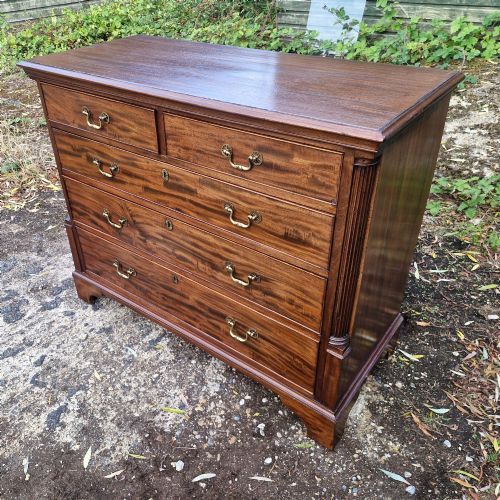
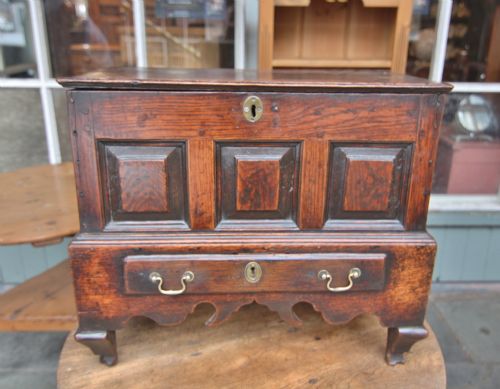
Mule chests and smaller coffer bach variants also appear among the listings, combining lidded top compartments with functional drawer space beneath.
Materials and Construction
Timbers such as oak, mahogany, elm, walnut, and pine form the primary structure of these chests, frequently assembled using traditional joinery methods.
Hardware elements incorporate brass and iron for hinges, carrying handles, lock plates, and binding, while some examples utilise painted finishes or crossbanding in mahogany.
Listings feature periods spanning from the seventeenth century through the Victorian era, utilising materials such as oak, mahogany, pine, walnut, and elm.
Distinctions in Standard
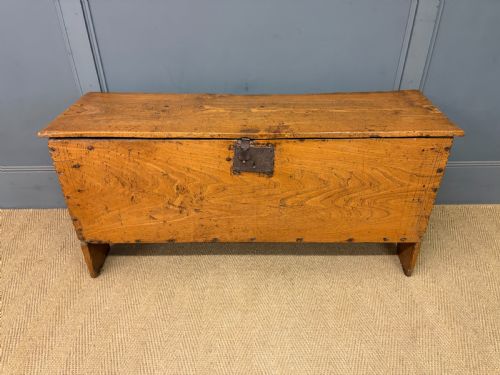
The hierarchy of quality rests upon the selection of timber, such as figured elm panels or finely grained mahogany, contrasted against simpler pine or utility woods.
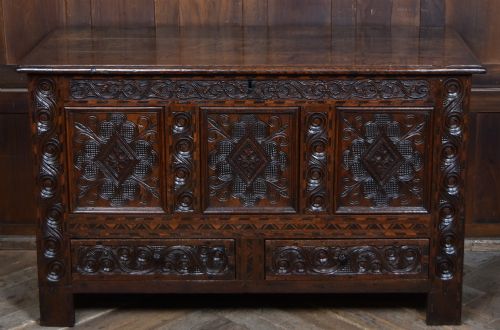
Refinement in execution separates standard boarded boxes from pieces exhibiting carved ornamentation, crossbanded detailing, and original brass or iron hardware.
The Georgian Wooden Blanket Chest Glossary
- Coffer
- A large wooden chest traditionally used for storing valuables, linens, or documents. These heavy boxes typically feature hinged lids and sturdy boarded construction.
- Mule chest
- A storage chest that combines a lidded top compartment with one or more drawers fitted beneath the main well. This hybrid form gained popularity during the eighteenth century.
- Crossbanding
- A decorative technique where thin strips of veneer are applied to the borders of a furniture surface so the grain runs at right angles to the central panel.
Georgian Wooden Blanket Chest: Frequently Asked Questions
What is a mule chest?
A mule chest is a traditional storage piece that combines a traditional lidded chest with one or more drawers built into the base. This design evolved to provide easier access to stored garments without requiring users to lift items from the very bottom of the well.
Such pieces frequently appeared in regional workshops during the eighteenth and nineteenth centuries, utilising timbers like oak, elm, and mahogany.
How do I date an old chest?
Dating a wooden chest involves examining the timber species, construction joints, hardware, and overall style. Eighteenth century examples often show hand-cut dovetails, pegged joints, and native woods like oak and elm.
Later nineteenth century pieces frequently incorporate machine-sawn elements, secondary pine linings, and different locking mechanisms that reflect the period of manufacture.
Where were these chests used?
These chests served primarily domestic functions in bedrooms, hallways, and living spaces for storing household linens, blankets, and personal possessions. Their robust construction also made them suitable for travel or secure storage in large estates.
Regional variations, such as Welsh vernacular pieces, reflect local woodworking traditions and domestic requirements of rural households.
How do I care for antique wood?
Maintaining antique wooden surfaces requires keeping pieces away from direct sunlight and fluctuating heat sources that can dry out timber. Gentle cleaning with appropriate wax helps preserve the finish and nourish the grain over time.
Avoid excessive moisture and harsh chemical polishes to maintain the natural patina developed across centuries of use.