

Georgian Wood Tray
A georgian wood tray is a functional domestic artefact of mahogany or walnut, offering raised edges and refined timber grain for display or service.
Georgian Wood Tray
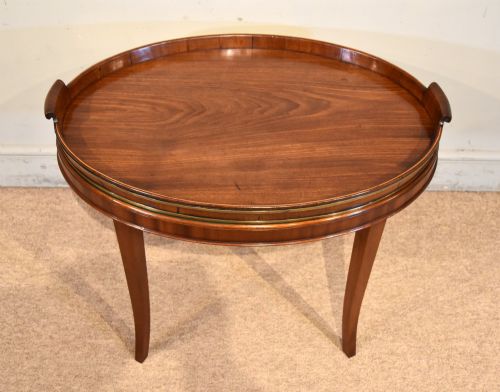
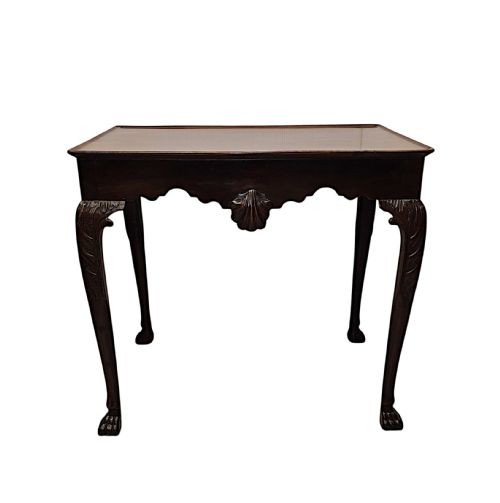
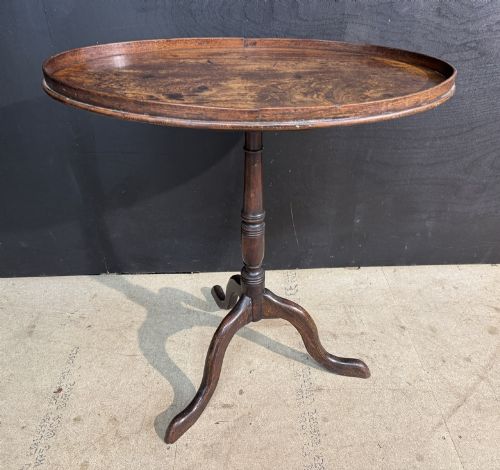
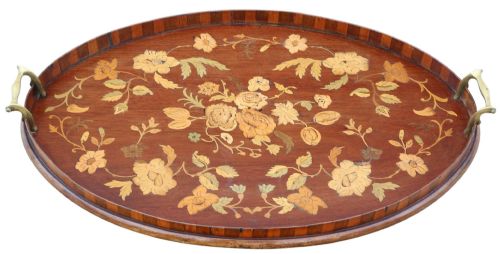
A georgian wood tray encompasses serving trays, butler's trays on stands, and galleried tabletop surfaces associated with the Georgian, Regency, and 18th century periods. These items range from simple coopered serving pieces with brass fittings to elaborate oval trays featuring decorative woodwork.
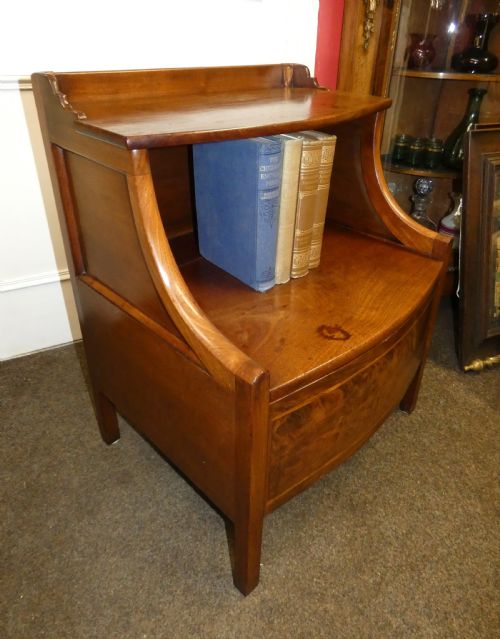
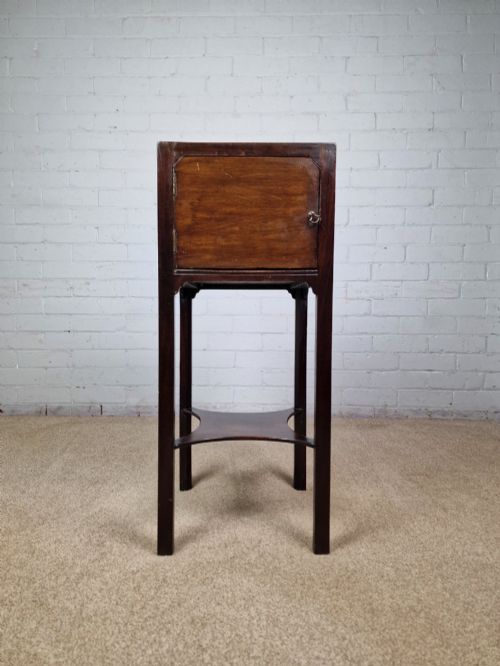
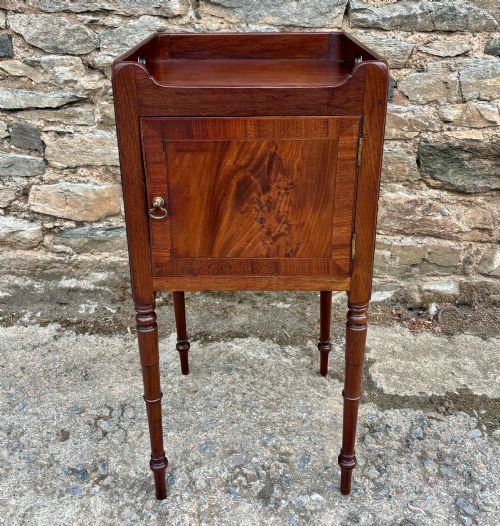
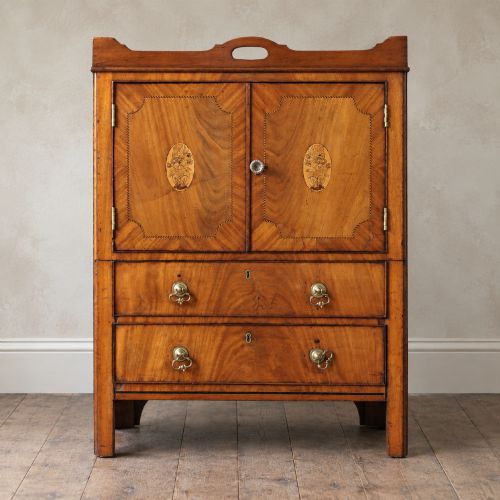
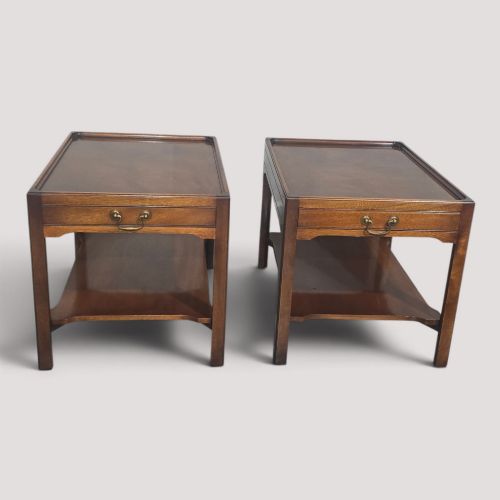
The version most commonly encountered on this page is constructed from mahogany, often displaying a tray top edge designed to secure items during movement or service. Many examples integrate stands or function as surfaces for side tables and commodes within domestic spaces.
Makers and craftsmen of these periods utilised timber figure and subtle geometric arrangements to elevate utility into ornamental furniture. The survival of these pieces demonstrates the enduring practicality of timber serving furniture across subsequent decades.
Materials and construction methods
Mahogany serves as the primary structural timber, selected for its density and capacity to hold fine moulded edges along the tray perimeter. Cabinet makers paired this foundational wood with contrasting timbers such as boxwood, ebony, and satinwood to create detailed banding.
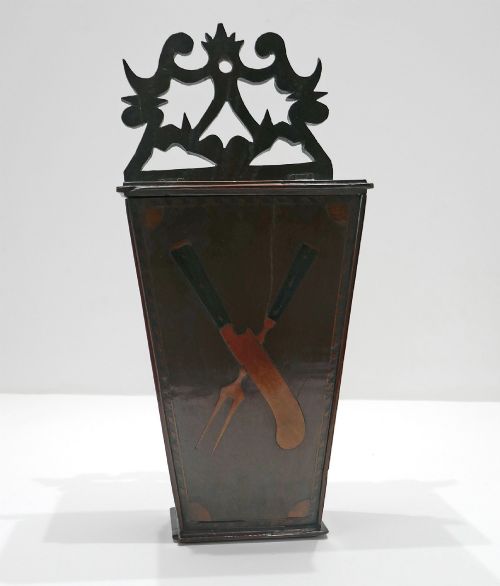
Inlaid marquetry and wood inlay patterns ornament the central surfaces and borders of the finest examples, executed through precise hand-cutting techniques. Brass fittings, including carrying handles and coopered bands, provide structural reinforcement and functional grip.
Georgian Wood Tray Retail Price Guide 2026
Typical asking prices for georgian wood tray among the pieces listed under this phrase on Sellingantiques today, from the lower quarter to the upper quarter. They describe what is for sale here now, not the wider market.
Listings feature mahogany predominantly, accompanied by occasional examples in walnut, finished with boxwood, ebony, and satinwood inlay across the Georgian and Regency periods.
Distinctions in construction and design
The standard of a georgian wood tray depends heavily on the crispness of the moulded gallery and the precision of the timber joints. Superior pieces exhibit seamless integration between the raised rim and the base board, avoiding clumsy repairs or replacement stands.
The choice and figuring of the mahogany dictate visual depth, with well-selected grain patterns creating a rich contrast against boxwood or ebony inlay lines. Authenticity of period brassware and minimal disturbance to the original polished surface further separate utilitarian items from high decorative examples.
The Georgian Wood Tray Glossary
- Tray top
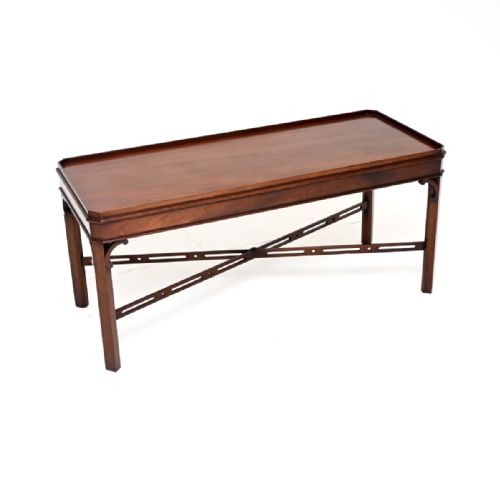
- A raised rim or gallery surrounding the perimeter of a tabletop or serving surface to prevent items from sliding off. This feature defines many commodes and small tables from the period.
- Butler's tray
- A removable wooden tray with hinged or cutout side handles, traditionally paired with a folding wooden stand for portable service. These units fold flat when not in use.
- Coopered
- Constructed using wooden staves joined side-by-side and secured with metal bands, similar to barrel-making techniques. This method was often applied to round or oval serving vessels.
- Marquetry
- Decorative veneer work arranged in intricate pictorial or geometric patterns using various coloured woods. It appears on the flat surfaces of superior serving and display pieces.
- Galleried
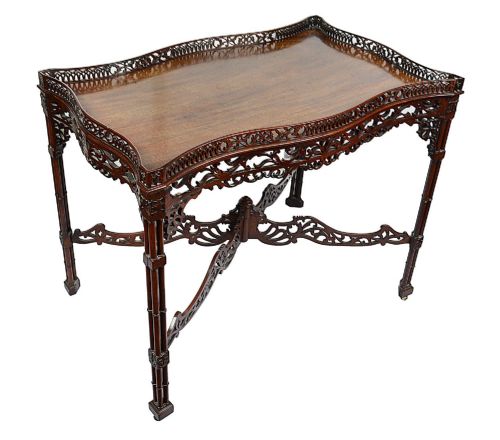
- Featuring a raised wooden or pierced metal border around the edge of a tray or table top. This decorative rail provides both containment and visual definition.
Georgian Wood Tray: Frequently Asked Questions
How were butler's trays used?
These portable trays served meals and drinks in various rooms before being placed upon folding wooden stands for stable height during use. Their removable design allowed servants to transport items efficiently between kitchens and reception spaces.
Over time, many of these trays and their accompanying stands remained together as versatile household furniture, adapting easily to modern living rooms and studies.
What is a tray top commode?
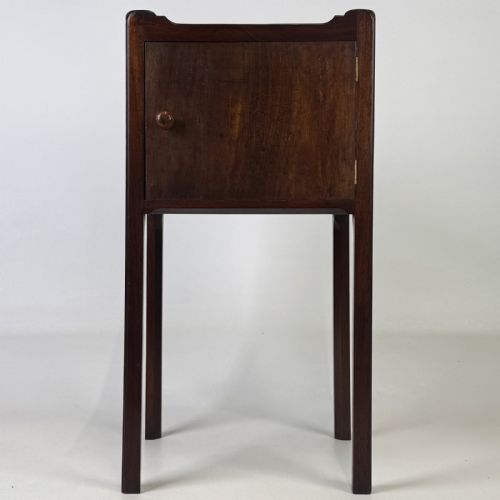
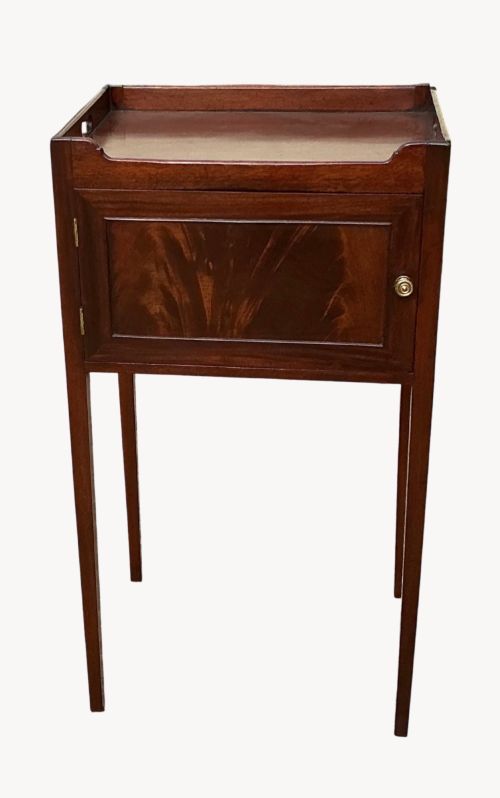
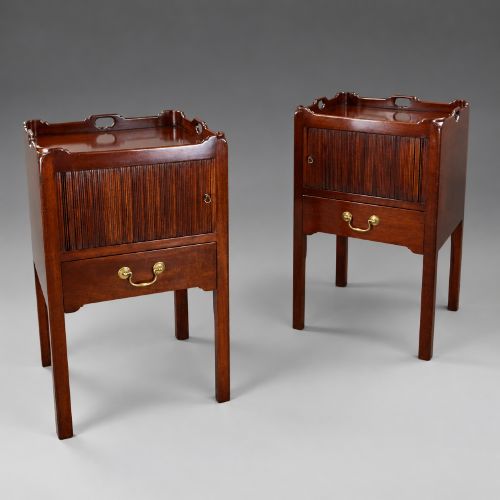
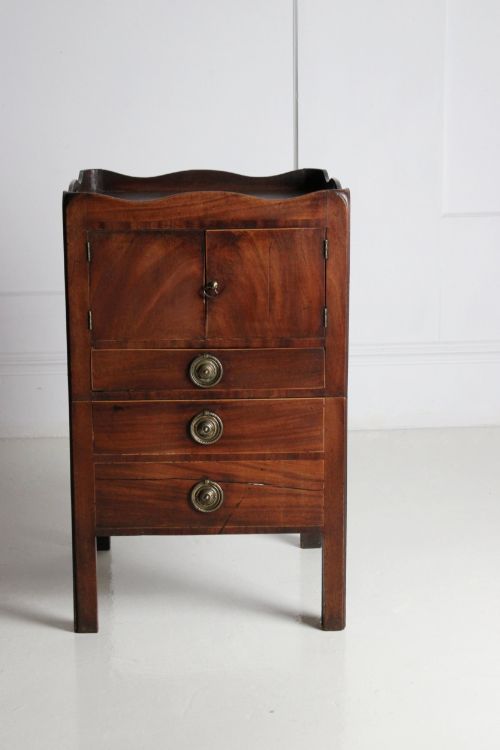
A tray top commode is a small enclosed cabinet featuring a raised moulded edge around the upper surface to contain items safely. These pieces typically stood beside beds or in dressing rooms to hold washing basins or personal belongings.
The raised border prevented objects from slipping off the polished mahogany surface during daily domestic routines.
How do I distinguish Regency from Georgian pieces?
Regency items generally reflect the classical revival styles of the early nineteenth century, incorporating bolder brass accents and distinct structural proportions. Georgian pieces often display earlier cabinet-making conventions such as subtle bracket feet and simpler timber mouldings.
Comparing the secondary woods and inlay motifs helps clarify the precise period of manufacture.
Can these trays be used daily?
These timber trays tolerate normal everyday placement of dry items and decorative objects provided the polished surface avoids excessive moisture and heat. Gentle cleaning with a soft cloth preserves the antique wax finish without stripping the historical patina.
Placing felt pads beneath heavy objects protects the fragile mahogany and inlay work from unnecessary scratching.