
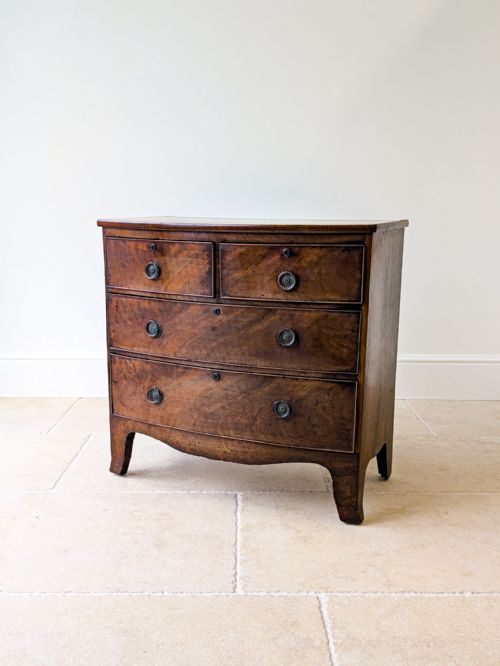
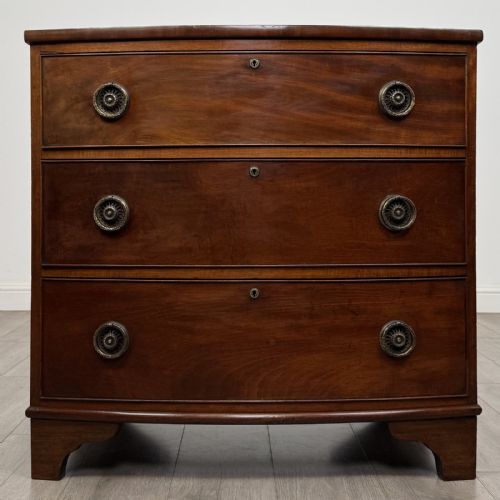
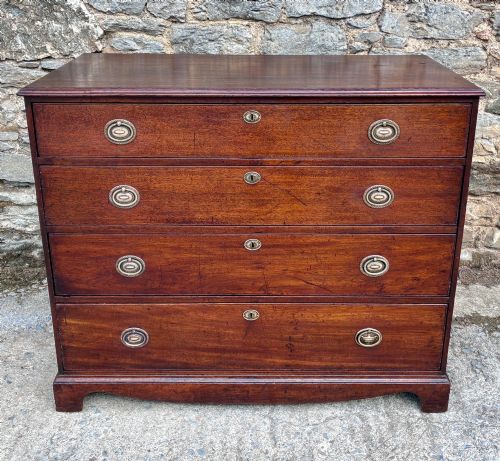
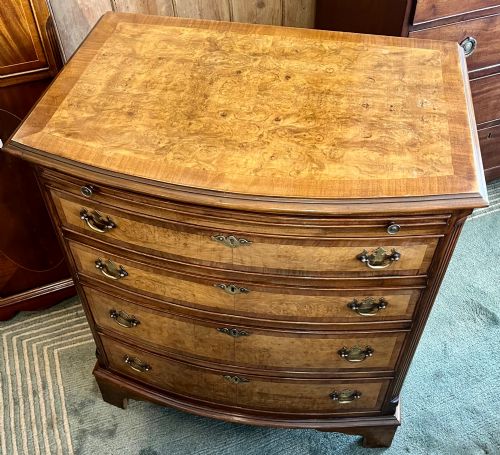
Georgian Wood Commode Chest
A georgian wood commode chest delivers functional storage through timber craftsmanship spanning the eighteenth and nineteenth centuries.
Georgian Wood Commode Chest
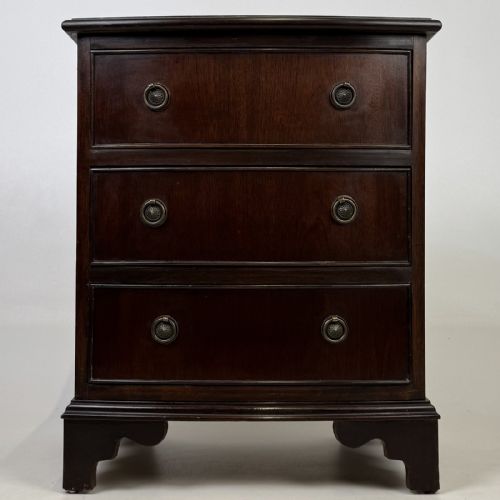
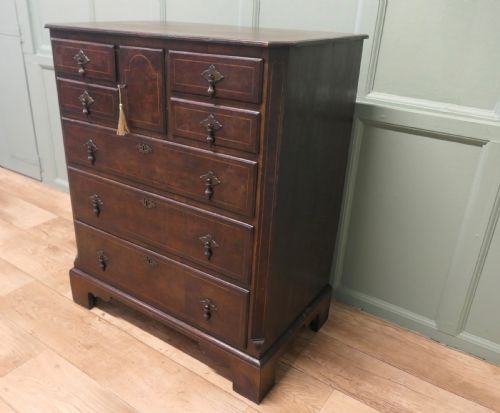
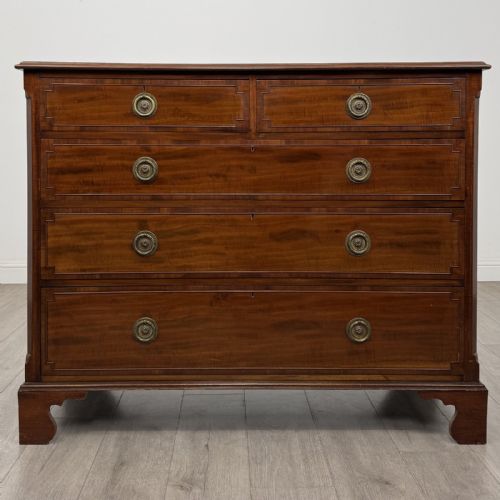
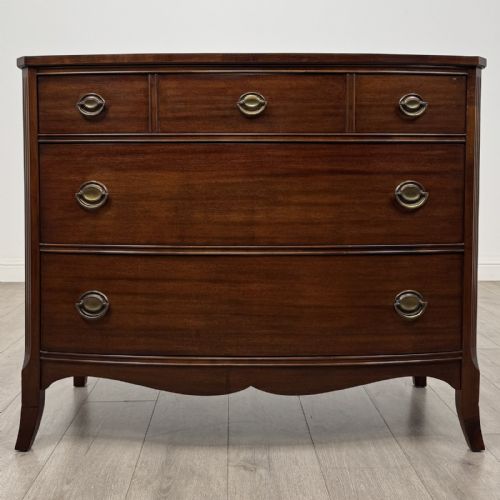
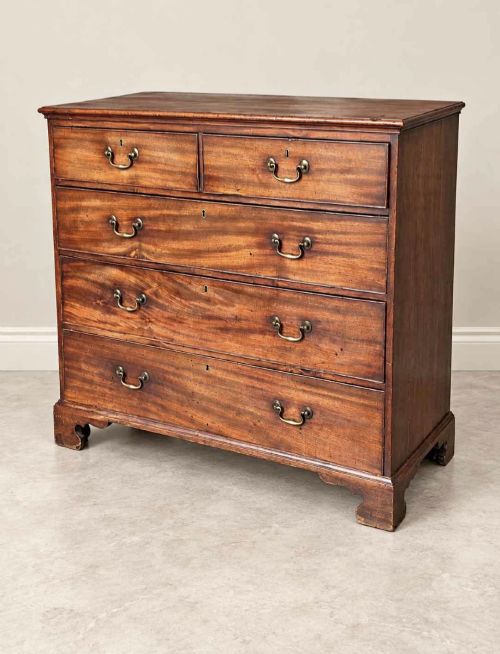
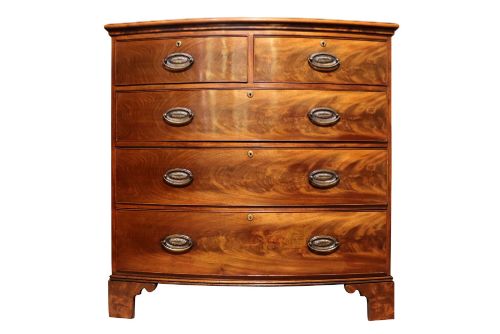
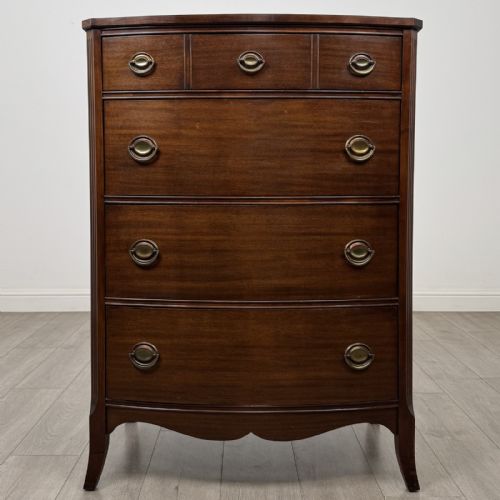
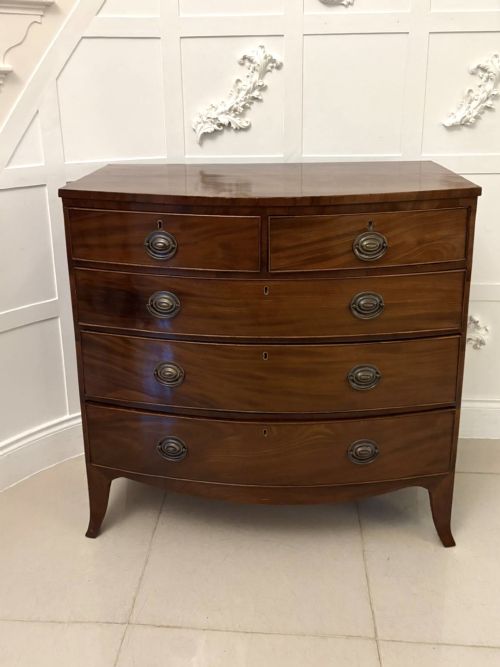
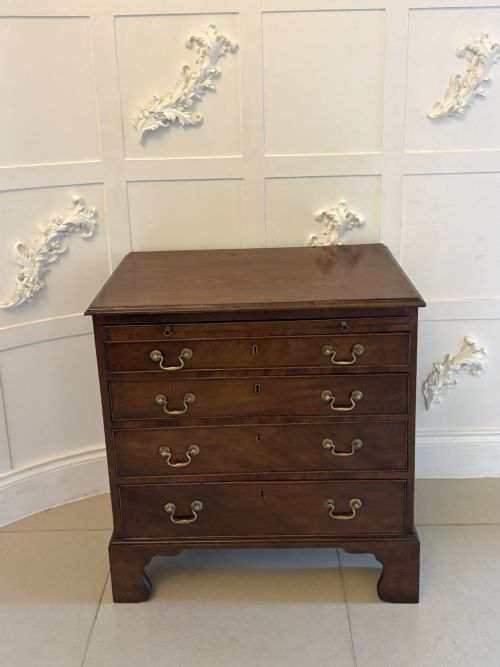
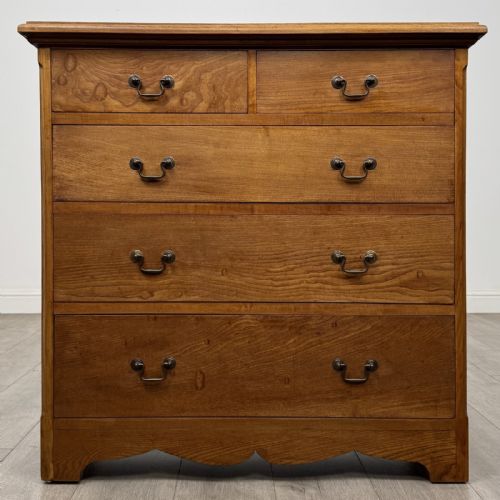
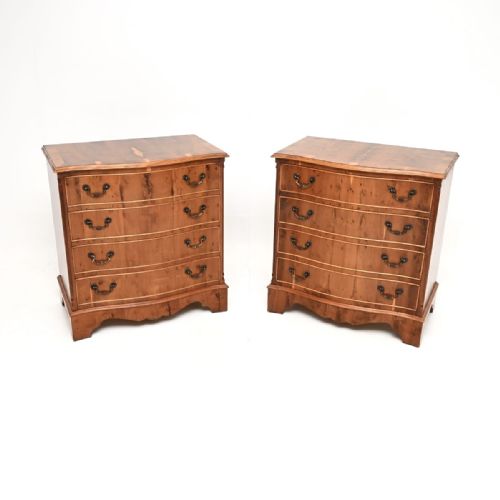
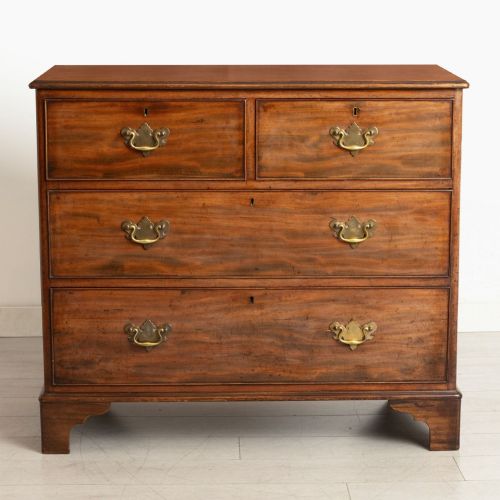
A georgian wood commode chest typically manifests as a chest of drawers or bedside cabinet originating from the eighteenth and nineteenth centuries, including revival pieces from later decades. These pieces arrive in standard rectilinear formats, bow front profiles, and serpentine outlines.
The buyer encounters varied scales, ranging from miniature furniture and small four-height chests to larger bedroom storage. Materials encompass mahogany, walnut, oak, and cedar wood, often detailed with flame mahogany veneer and satinwood banding.
Materials and Construction
Cabinet makers utilised solid timbers alongside veneers, applying flame mahogany and figured walnut to primary surfaces to create dramatic grain patterns. Structural integrity relied on dense hardwoods such as oak and mahogany for drawer linings and internal framing.
Hardware details incorporated cast brass handles and key escutcheons, while specialised elements like brushing slides provided functional pull-out writing surfaces. Surfacing treatments highlighted the natural figuring of the timber through polishing and finishing techniques.
Miniature commodes were originally apprentice masterpieces, created to prove a young woodworker's skill before joining the guild.
Craftsmanship and Proportion
Quality separates ordinary storage from superior examples through the selection of timber veneers, such as highly figured walnut or matched flame mahogany. The crispness of serpentine and bow front moulding dictates the refinement of the silhouette.
Whytock and Reid
The Georgian Wood Commode Chest Glossary
- Bow front
- A convex curved cabinet front popular during the Georgian and Regency periods. This shape softens the corners of the furniture.
- Serpentine outline
- A cabinet front featuring a concave centre flanked by convex outer curves. It requires advanced woodworking skill to execute properly.
- Brushing slide
- A pull-out shelf integrated above the top drawers. It served as a temporary writing surface or clothes-brushing platform.
- Flame mahogany
- Timber veneer cut from the branch junctions of mahogany trees. The grain displays a characteristic flickering flame pattern.
- Satinwood
- A pale, hard timber utilised for decorative banding and inlay work. It contrasts sharply against darker woods like mahogany.
Georgian Wood Commode Chest: Frequently Asked Questions
How do I date a wooden chest?
Dating relies upon examining the timber species, construction joints, and hardware styles. Secondary woods inside the drawers often reveal the period of manufacture.
Stylistic shifts from straight George III carcases to Regency bow fronts and later Edwardian revivals help narrow the decade of production.
What is a brushing slide used for?
A brushing slide functions as a pull-out shelf positioned just beneath the top surface of the chest. Historically, valets used these shelves to brush garments or write brief notes.
Today, they provide a convenient pull-out tray that demonstrates the functional cleverness of Georgian cabinet work.
Are bow front chests Georgian?
Many bow front chests originate in the Georgian and Regency eras, characterised by curved drawer fronts and fine timber veneers. Cabinet makers continued producing this shape into the Victorian period and later revival decades.
Examining the internal drawer construction confirms whether a bow front piece dates to the eighteenth century or a twentieth-century revival.
How do I care for antique wood?
Preserving antique wood requires stable room humidity and protection from direct sunlight to prevent timber warping and veneer cracking. Regular dusting with a dry cloth maintains the polished finish.
Avoid silicone polishes and harsh chemical cleaners, applying occasional traditional wax instead to nourish the historic timber surface.