


Georgian Wood Clock
A georgian wood clock brings mechanical precision and rich cabinet timber into a room, spanning towering longcases and compact bracket pieces.
Georgian Wood Clock
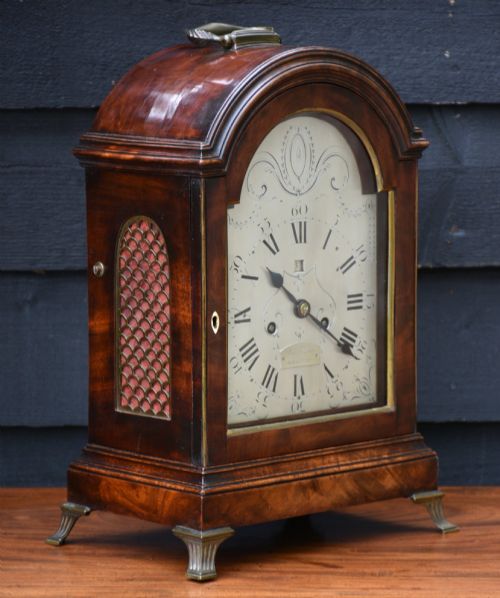
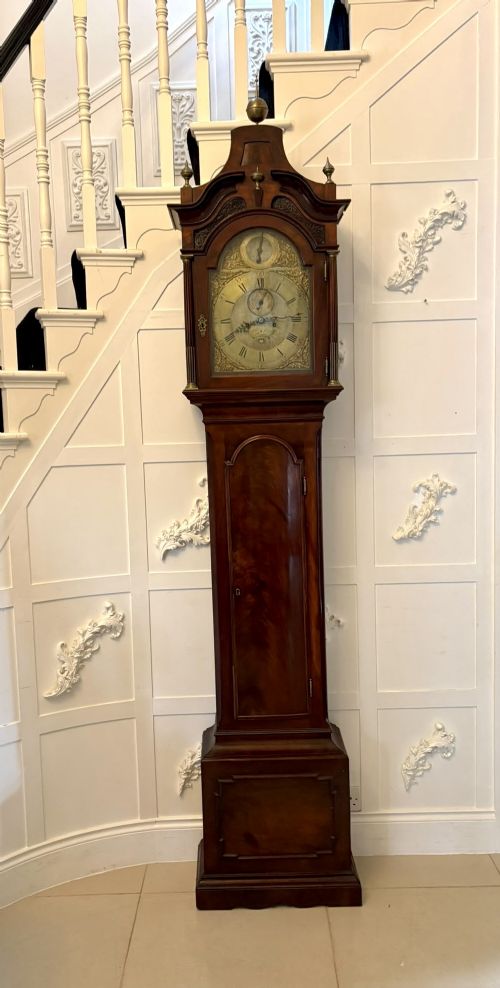
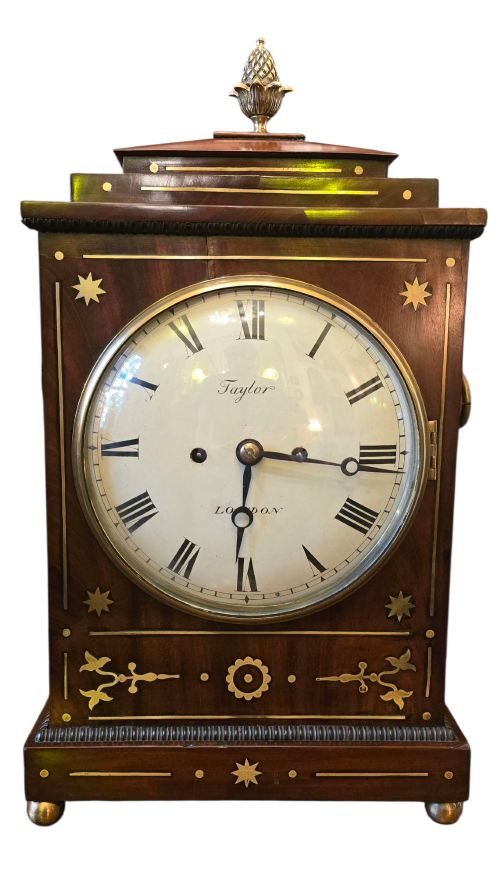
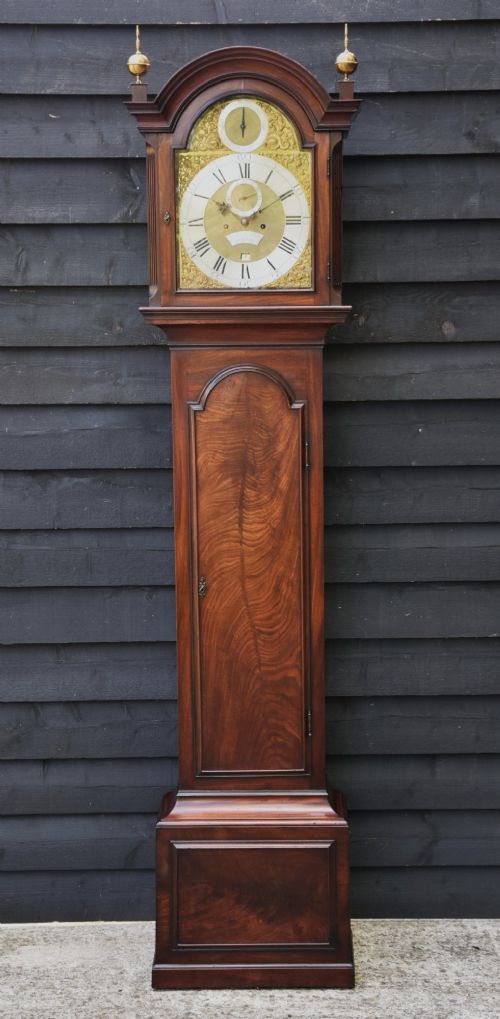
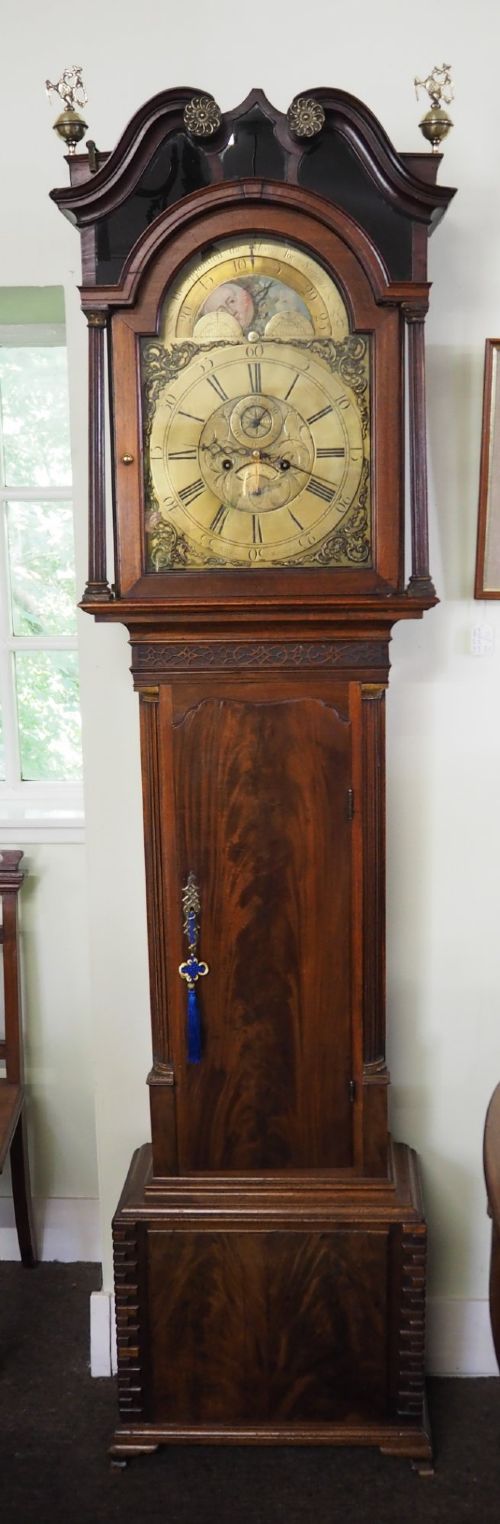
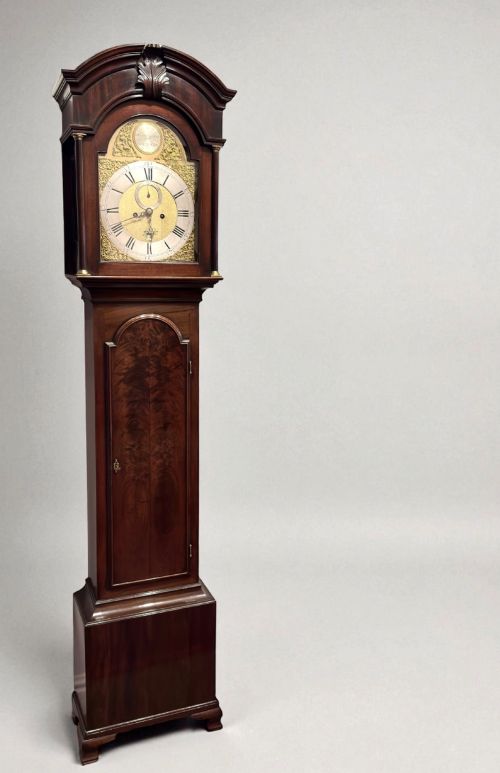
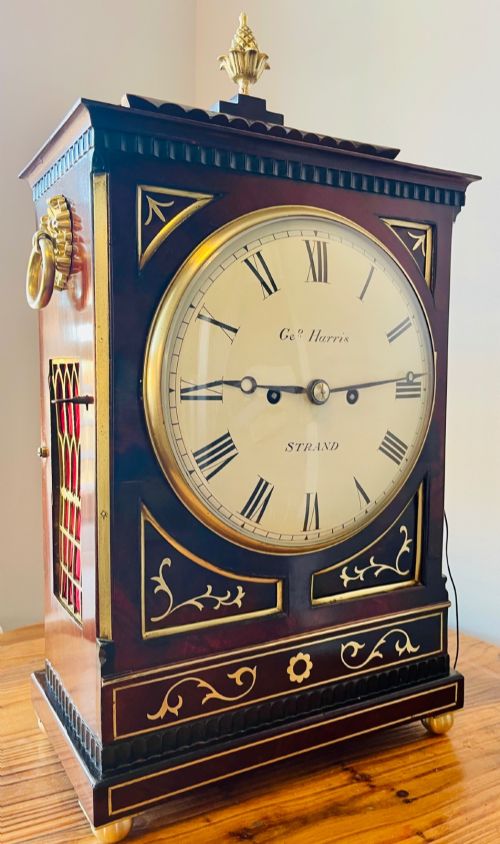
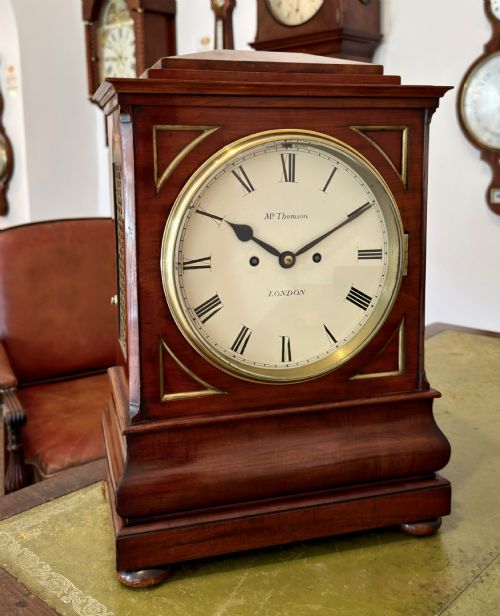
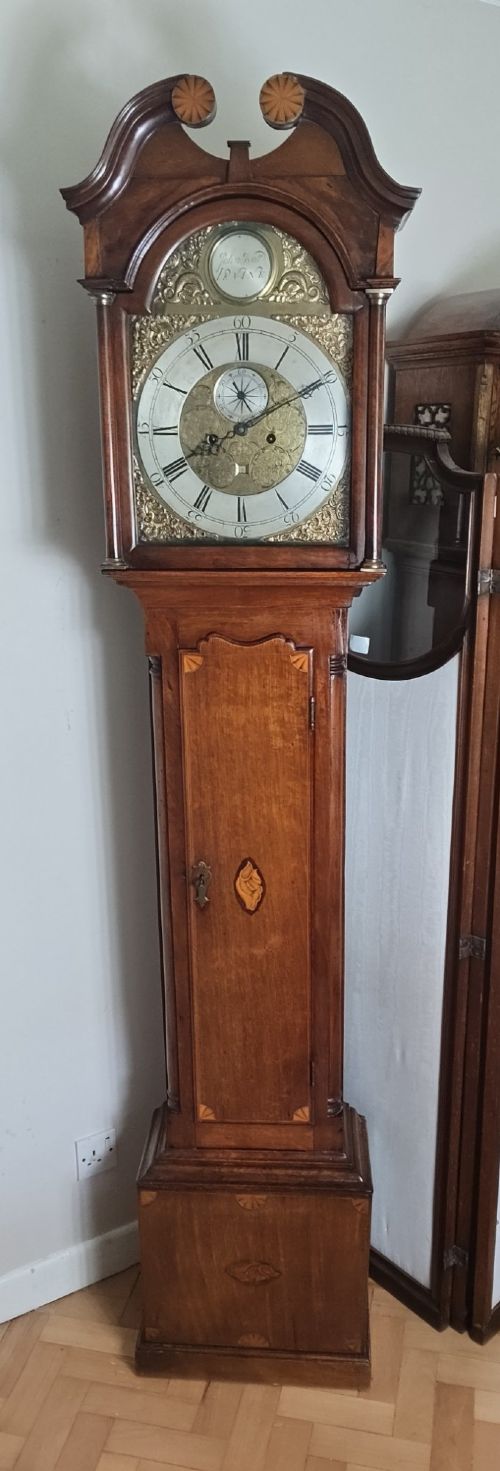
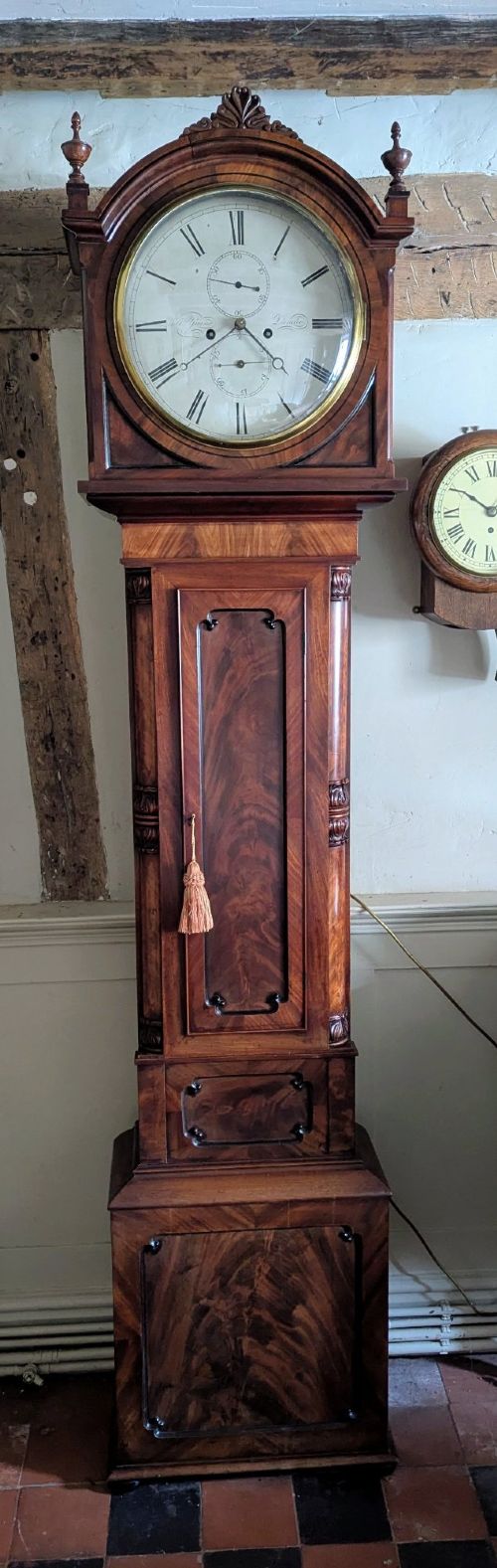
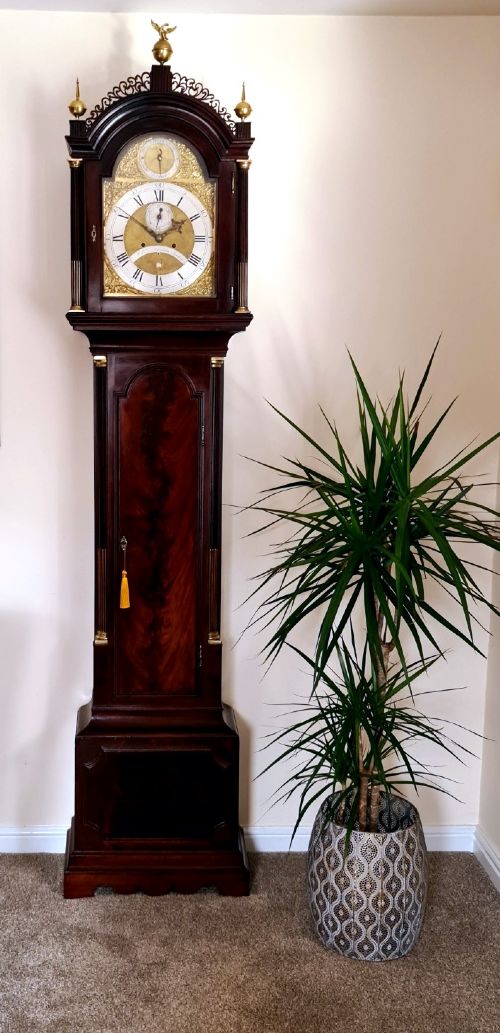
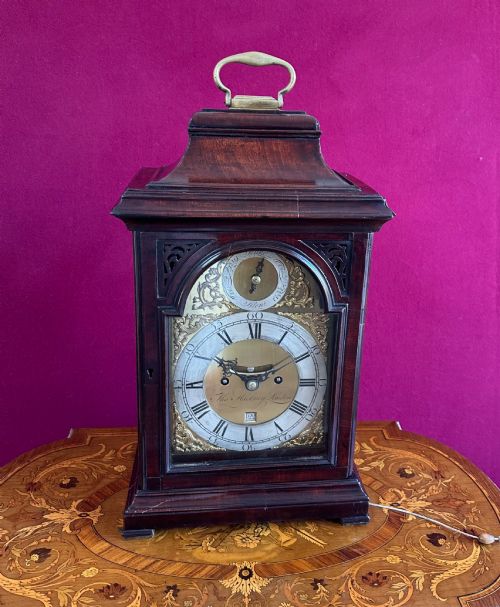
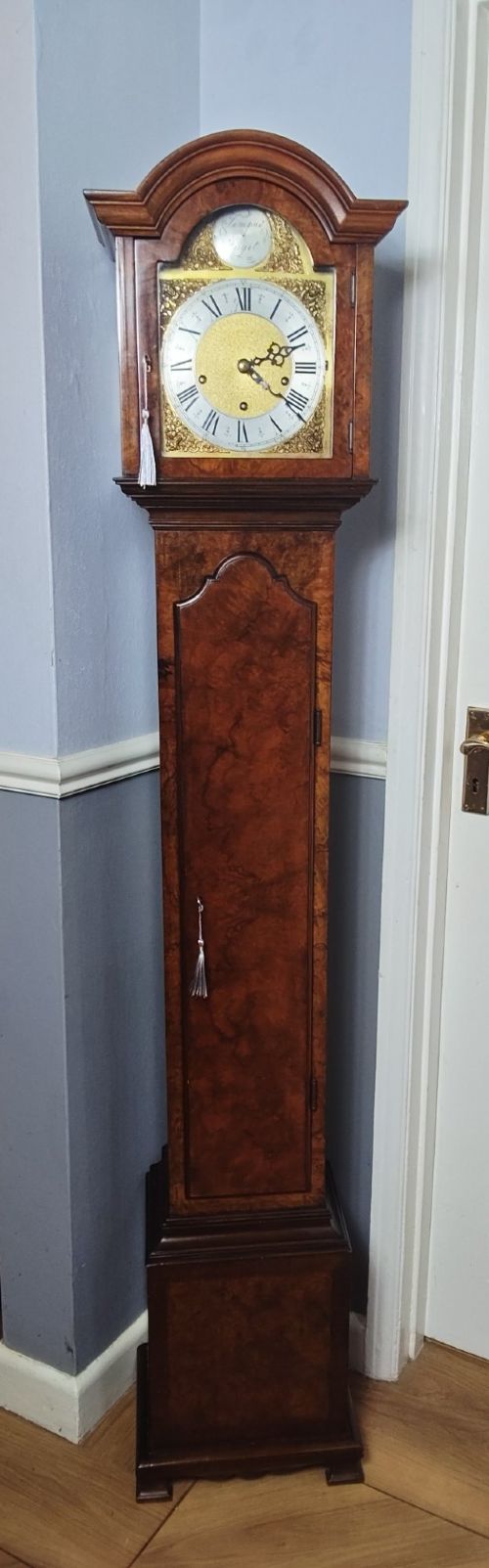
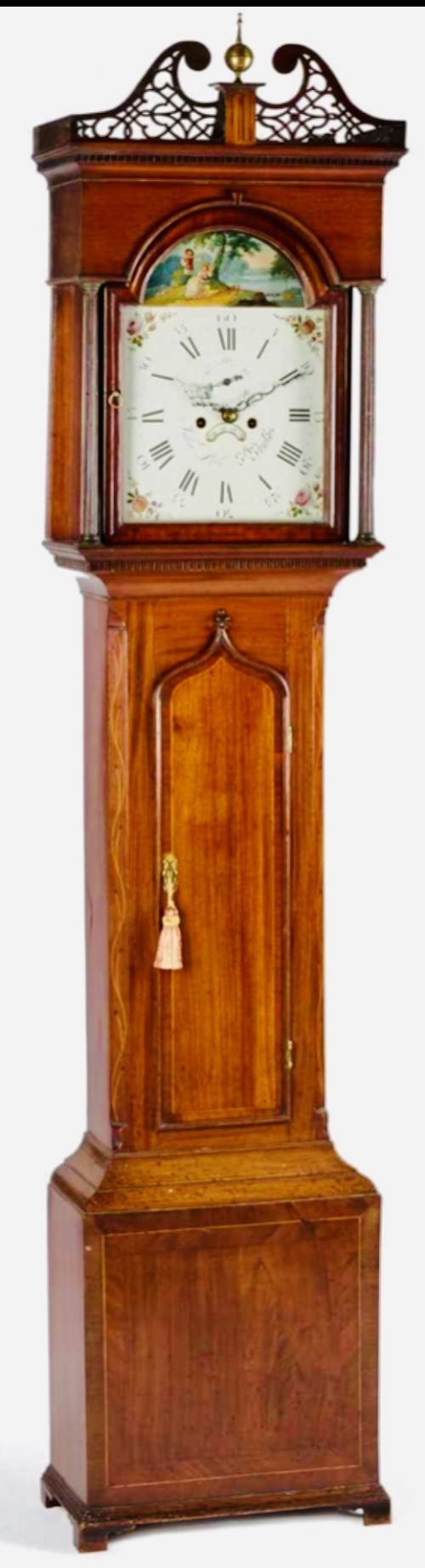
A georgian wood clock primarily appears as a tall longcase grandfather clock or a smaller bracket clock designed for a table or wall. These items emerge predominantly from the Georgian, George III, and Regency periods, constructed from timbers such as mahogany, oak, walnut, and rosewood.
The tall variations dominate the selection, often housing eight-day movements and painted or brass dials inside substantial wooden trunks. Shorter bracket and table clocks offer alternative desktop or shelf placement whilst maintaining traditional movement mechanics.
Materials and construction
Cabinet makers utilised dense hardwoods like mahogany, oak, and walnut to build the cases, frequently figuring the grain for visual depth. Brass and steel formed the intricate internal gear trains, escapements, and dial plates.
Movements relied on weight-driven or spring-driven fusee mechanisms to regulate time accurately. Enamel, brass, and wood provided surfaces for painted dials, moon rollers, and subsidiary hands.
Georgian Wood Clock Retail Price Guide 2026
Typical asking prices for georgian wood clock among the pieces listed under this phrase on Sellingantiques today, from the lower quarter to the upper quarter. They describe what is for sale here now, not the wider market.
Some longcase dials include a mechanical moon roller to track lunar phases while the pendulum beats time below.
Judging execution and refinement
Quality rests upon the crispness of the cabinet woodwork, including inlaid paterae and carved mouldings, alongside the complexity of the internal movement. Clocks featuring signed brass or painted dials by noted makers show higher standards of craftsmanship.
The integrity of the timber case, the retention of original brass fittings, and the mechanical sophistication of verge or fusee movements distinguish standard domestic pieces from superior examples.
Taylor of London·John Taylor London·James Field of Hempstead·William Jourdain·Barber & North of York·George Hallifax Of Doncaster·Edward Shepley of Manchester·Matt Wylie Paisley·Charles Dowsett Of Canterbury·John Denbigh
The Georgian Wood Clock Glossary
- Longcase clock
- A tall pendulum clock housed in a wooden tower case, commonly known as a grandfather clock. These standing timepieces often measure over six feet in height.
- Bracket clock
- A portable table or shelf clock originally designed to sit on a wall bracket. They frequently feature carrying handles and glazed side panels.
- Fusee movement
- A conical pulley mechanism designed to equalise the declining pull of a mainspring as it unwinds. This device ensures steady power delivery to the gear train.
- Verge movement
- An early type of escapement mechanism that controls the release of gear teeth using a crown wheel and pallets. It produces a distinct ticking rhythm.
- Moon roller
- A secondary dial mechanism that tracks the phases of the lunar cycle behind an arched aperture. Clockmakers integrated this feature on advanced longcase dials.
Georgian Wood Clock: Frequently Asked Questions
What is a longcase clock?
A longcase clock is a weight-driven pendulum timekeeper enclosed in a tall wooden case that stands directly on the floor. These pieces protect the delicate hanging weights and long pendulum swing.
Cabinet makers constructed them in sections comprising a hood, trunk, and base, utilising timbers like mahogany and oak to house the dial and movement.
How do bracket clocks work?
Bracket clocks operate using spring-driven movements regulated by a balance wheel or a short pendulum rather than hanging weights. A fusee mechanism controls the tension release.
Enclosed in compact wooden boxes with glass panels, these portable clocks sat on tables, shelves, or wall brackets in smaller rooms.
How do I wind an eight day clock?
An eight day clock requires winding every week using a specialised key inserted into winding holes on the dial face. This action lifts the internal weights or winds the mainsprings.
Careful handling ensures the movement remains undamaged during the winding process, maintaining the tension required to drive the gear train.
What is a fusee clock?
A fusee clock utilises a conical grooved pulley that regulates the power transmitted from the mainspring to the gear train. As the spring unwinds, the leverage changes to maintain even force.
This mechanical innovation prevents the timekeeper from running fast when fully wound or slow as tension decreases, improving accuracy.