

Georgian Wood Carving
Georgian wood carving brings the rich, tactile warmth of eighteenth-century craftsmanship directly into modern interiors through enduring furniture and architectural accents.
Georgian Wood Carving
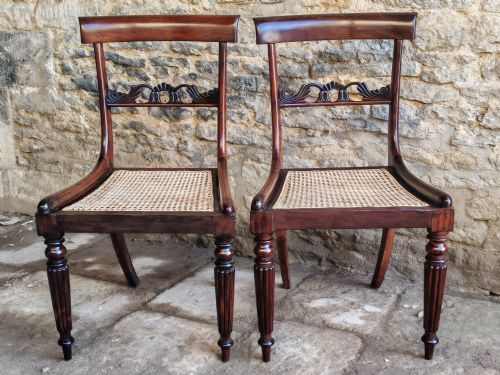
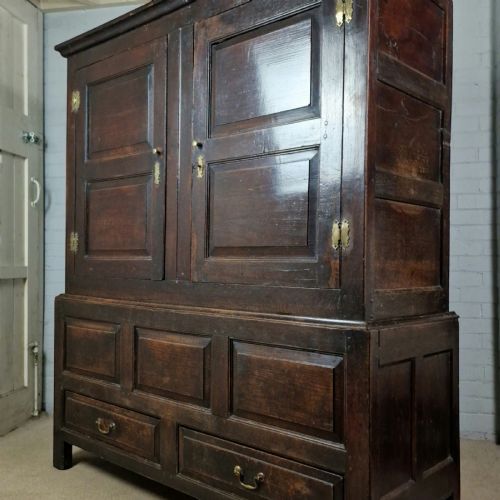
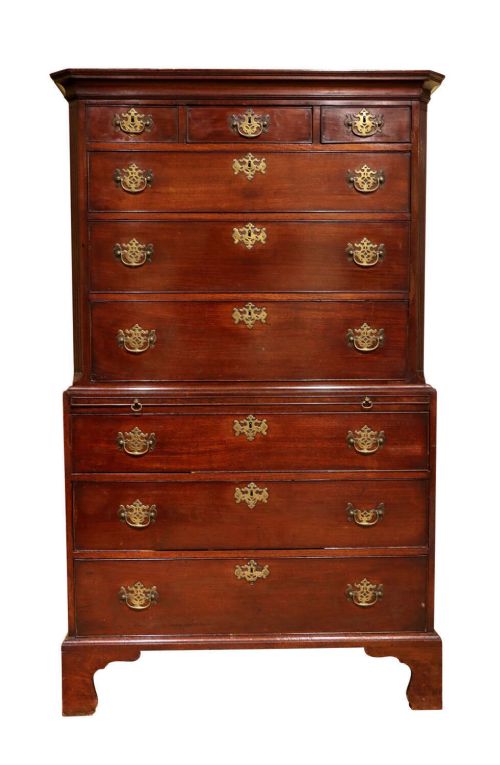
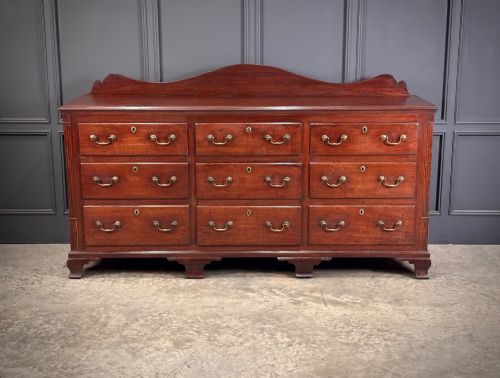
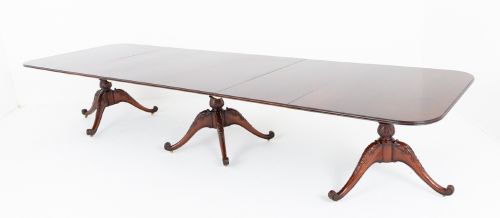
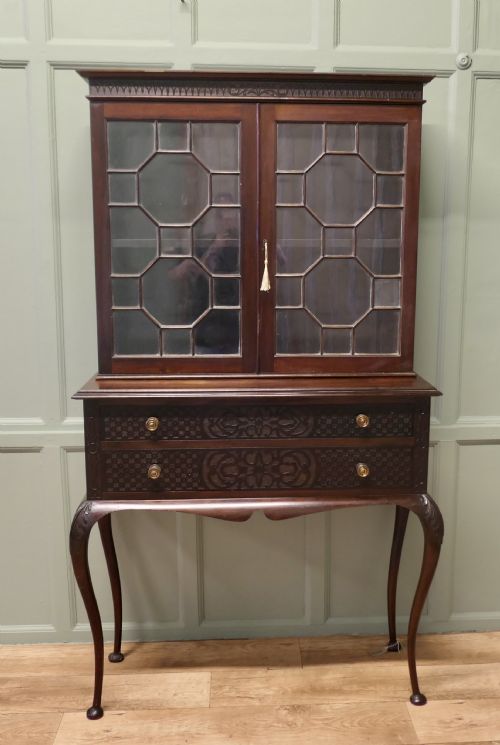
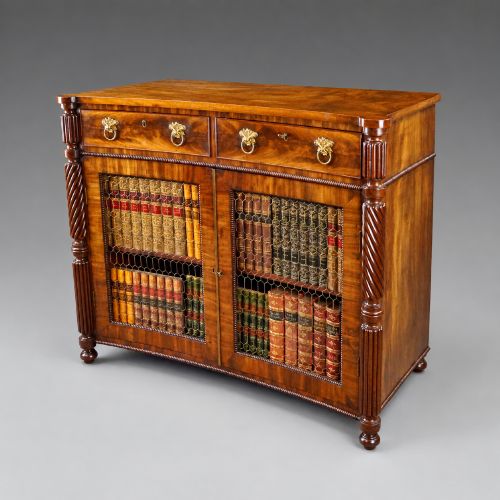
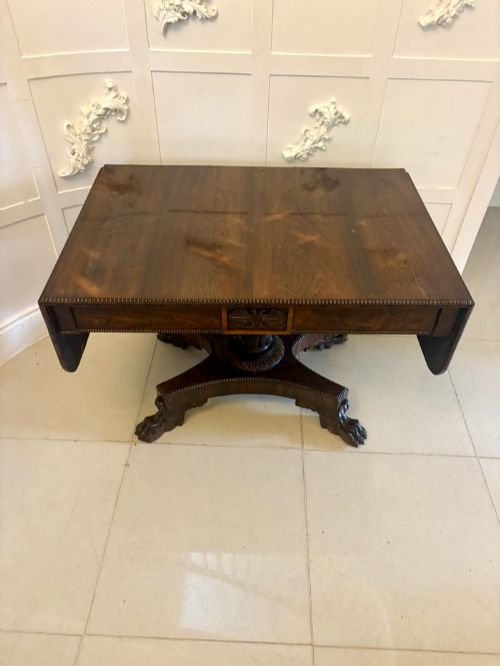
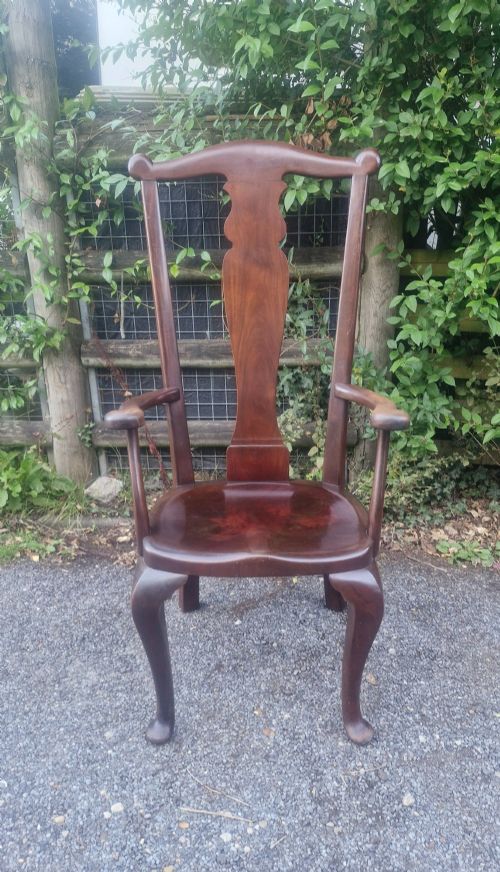
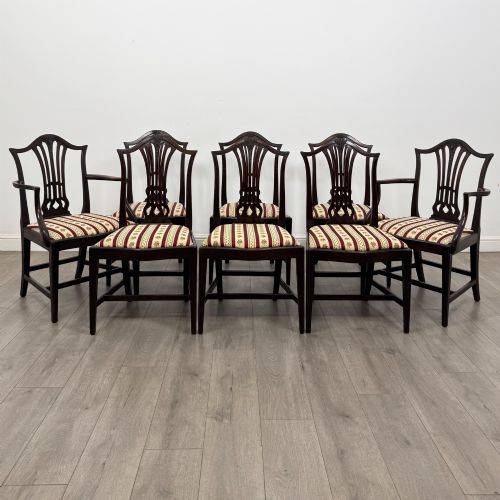
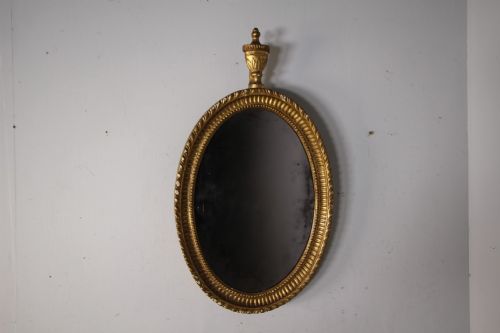
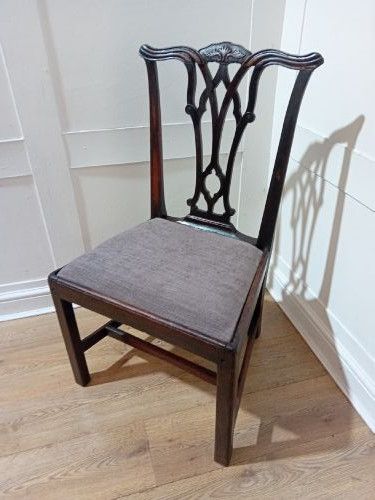
When you search for georgian wood carving, you encounter a selection of eighteenth-century and later furniture pieces where timber serves as the primary canvas for ornament. The listings here showcase practical household forms, from sturdy oak coffers and dining chairs to display cabinets, bookcases, and decorative wall mirrors.
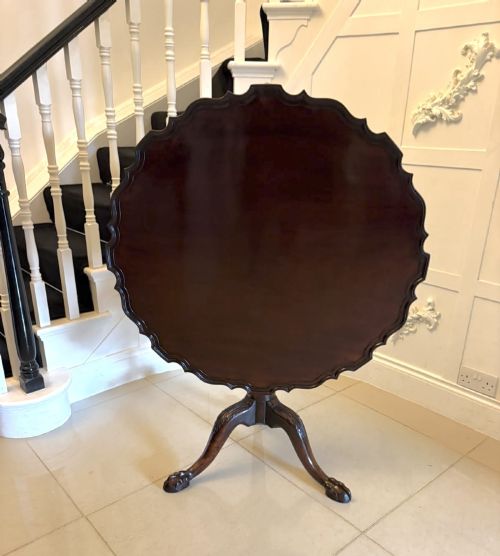
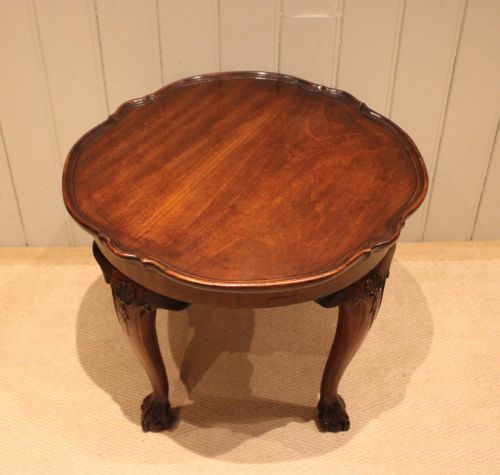
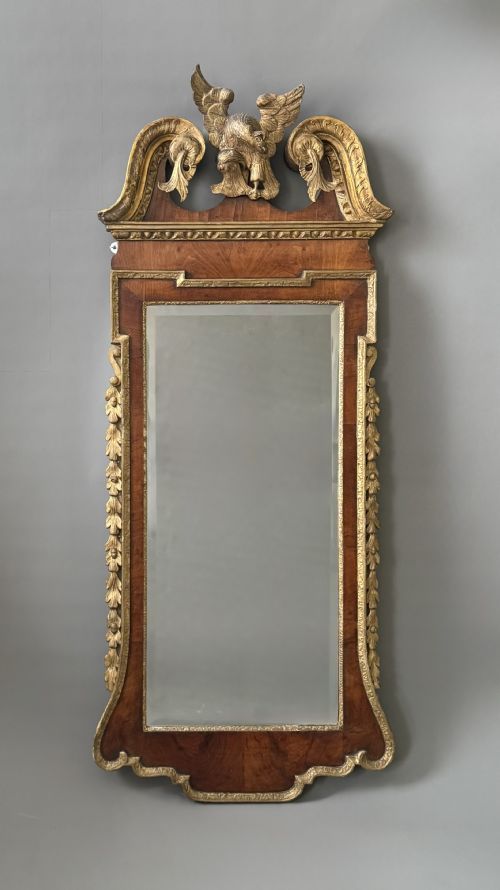
The most common interpretations on this page belong to the broader Georgian and George III periods, executed primarily in solid mahogany or oak. These items range from plain provincial storage chests to high-style tripod tables with piecrust edges and mirrors embellished with parcel gilt and carved birds.
Materials and Construction
Cabinet makers relied heavily on dense tropical hardwoods like mahogany alongside native British timber such as oak for structural integrity and deep relief work. Giltwood and gesso found application on display frames and mirrors, providing a luminous surface that contrasted with dark wood grains.
Joinery methods relied on traditional mortise and tenon joints, dovetailing for drawers, and hand-chiseled detailing executed directly into the solid timber or applied via carved fretwork panels.
Spread eagles frequently peer down from the crests of convex mirrors, guarding your parlour with unblinking wooden vigilance.
Judging Quality
The distinction between ordinary and exceptional work rests on the crispness and depth of the hand-carved ornament. Superior pieces display fluid, confident lines in details like acanthus leaves, fretwork, and piecrust borders, whereas lesser examples appear flat, hesitant, or mechanically uniform.
Material selection and timber figure also dictate worth, with dense, beautifully grained mahogany and properly aged oak marking the upper tier of execution.
Gillow
The Georgian Wood Carving Glossary
- Piecrust edge
- A raised, decoratively carved rim fashioned along the perimeter of small circular tables. This technique requires considerable skill to shape directly from the solid timber top rather than attaching a separate moulding.
- Parcel gilt
- A decorative method where specific carved portions of a wooden object are highlighted with thin sheets of gold leaf. It creates a striking visual contrast against walnut, mahogany, or painted grounds.
- Gesso
- A plaster-like mixture applied to wood surfaces as a smooth base for gilding. It allows intricate low-relief mouldings to be built up before the application of gold leaf.
- Fretwork
- Openwork ornamentation cut from thin boards of wood to resemble lace or geometric patterns. It frequently appears on the frames of mirrors and the legs of seating from the mid-eighteenth century.
- Coffer
- A large heavy box used for storage, typically constructed from solid oak with hinged lids. These domestic staples often display early hand-carved panels on the front facade.
Georgian Wood Carving: Frequently Asked Questions
How do I care for antique carved wood?
Keep wooden pieces away from direct heat sources and dramatic humidity swings to prevent the timber from splitting. Apply a microcrystalline wax sparingly to nourish the surface without attracting dust.
Avoid liquid polishes containing silicone, which can penetrate porous old finishes and ruin the natural patina built up over centuries.
Are these pieces suitable for daily use?
Most of these items were built for robust domestic service and handle normal household routines well. Chairs, tables, and storage chests remain fully functional if treated with reasonable care.
Delicate gilt mirrors and heavily carved display cabinets require gentle placement away from high-traffic zones to protect their intricate wooden ornaments from accidental knocks.
How do I distinguish George III from later revival styles?
Original eighteenth-century pieces display secondary woods consistent with the period and hand-tooled tool marks inside drawers and back panels. Wear patterns should match genuine age rather than artificial distress.
Revival pieces from the Victorian era or later often utilise modern machine methods, standard hardware, or timber cuts that differ from authentic eighteenth-century workshop practices.
What is a tilt-top table used for?
Tilt-top tables feature a clever mechanism allowing the circular top to swivel upright when not in use. This saved valuable floor space in smaller eighteenth-century rooms.
Homeowners stored them flat against walls as decorative side furniture until needed for dining or social gatherings.