


Georgian Wood Box
A georgian wood box brings tactile warmth and domestic history into a room through centuries-old timber, brass fittings, and thoughtful hidden compartments.
Georgian Wood Box
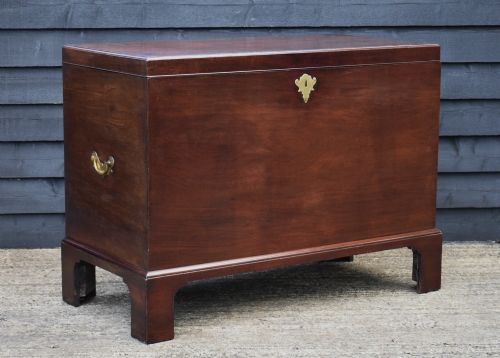
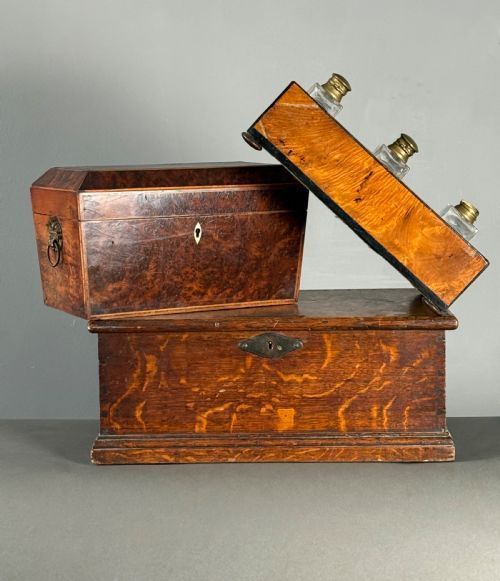
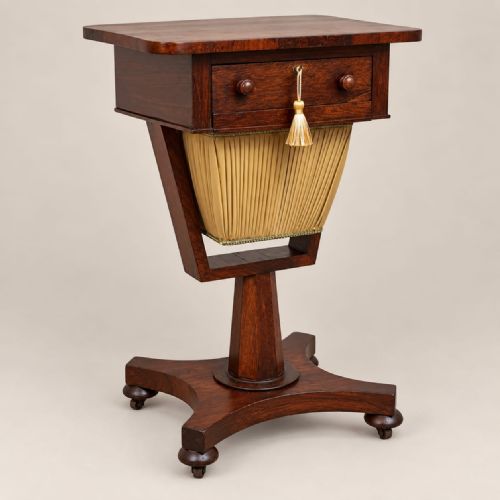
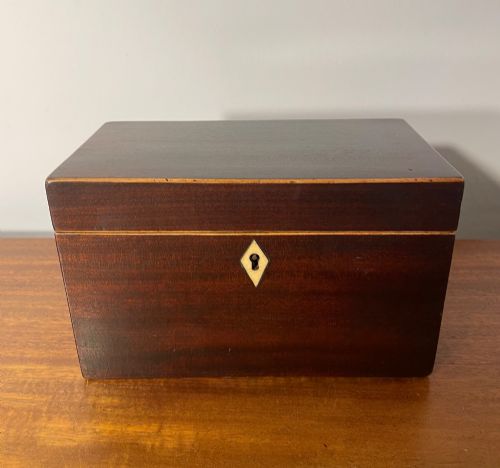
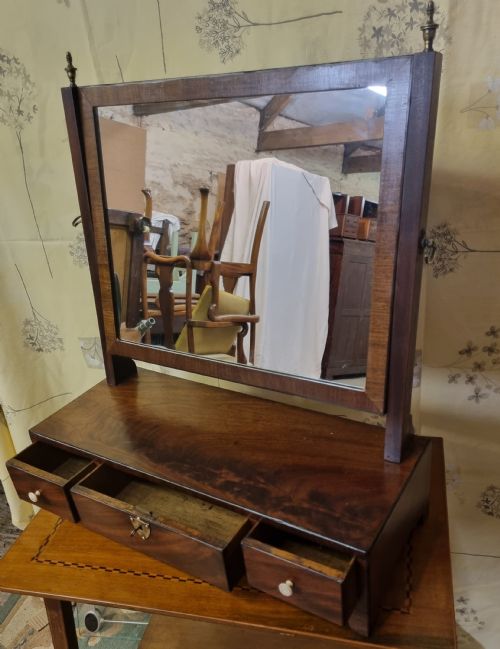
A georgian wood box encompasses a diverse range of functional household containers built during the eighteenth and early nineteenth centuries.
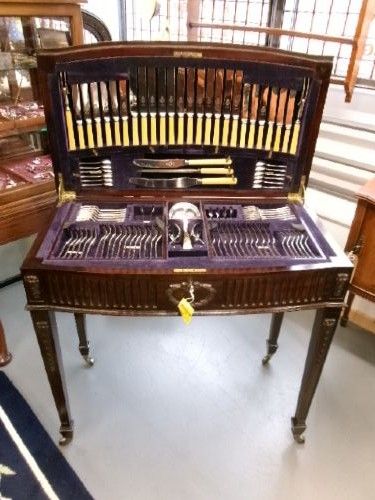
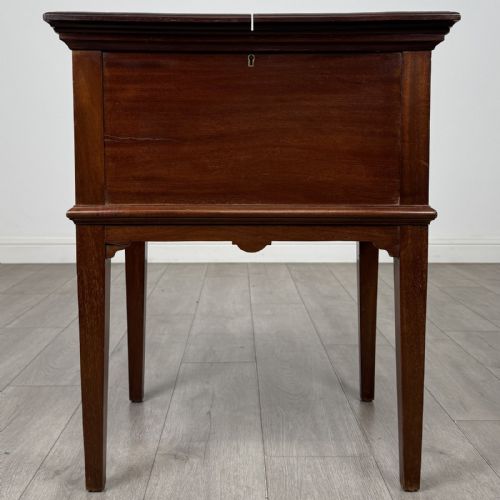
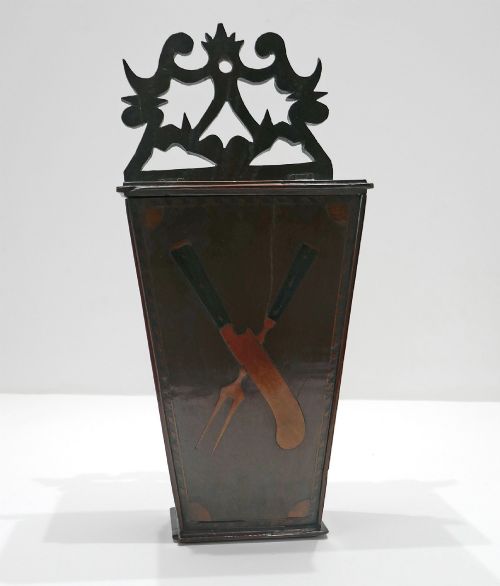
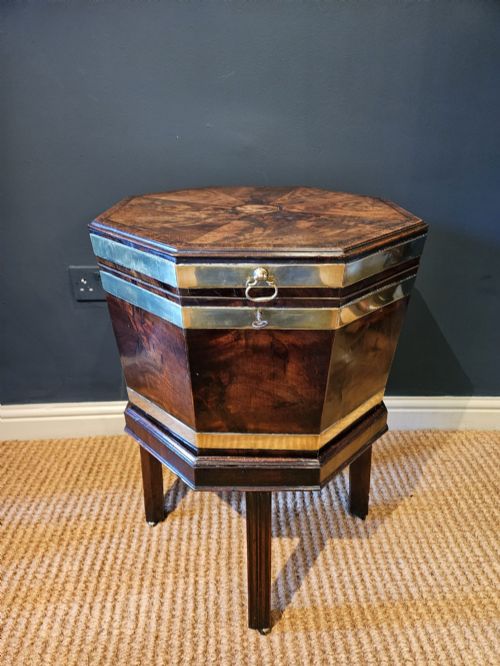
Tea caddies, dressing table mirrors, cutlery boxes, and cellarettes dominate the selections found on this page.
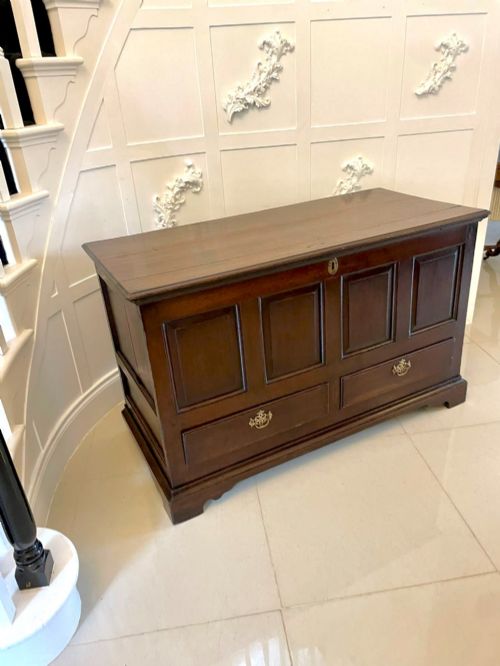
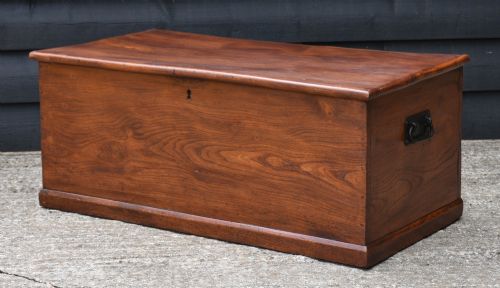
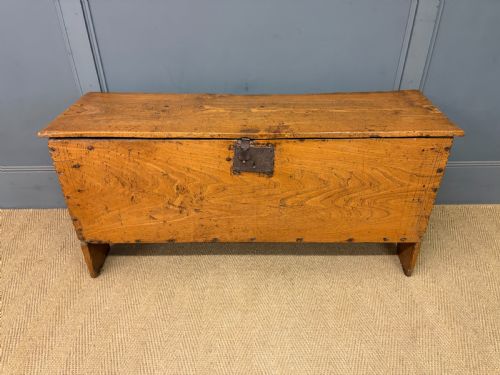
Mule chests and blanket boxes in oak and elm provide larger storage solutions spanning the Georgian and Regency periods.
Materials and Construction
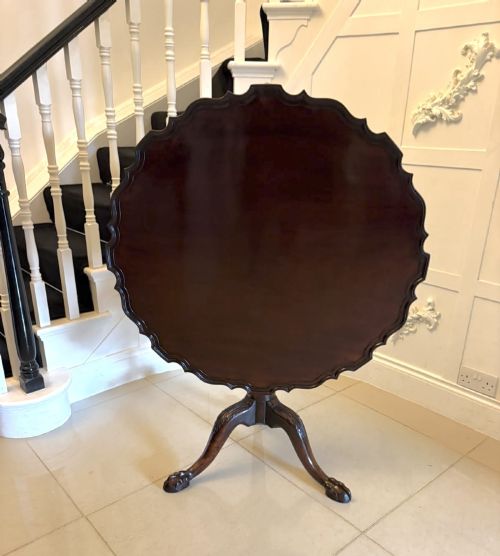
Cabinetmakers utilised dense timbers such as mahogany, oak, elm, rosewood, and walnut, often accentuating surfaces with boxwood and ebony inlay.
Metal mounts in brass and iron provided structural reinforcement and secure locking mechanisms for travelling chests and wine coolers.
Interior fittings incorporated delicate bone and mother of pearl details to organise small personal possessions.
Distinctions in Execution
The standard of a piece rests upon the crispness of carved details, the precision of inlaid patterns, and the integrity of the original timber grain.
Superior examples retain untouched interior partitions, original brass hardware, and sound dovetail joinery that indicates skilled regional or metropolitan workshop production.
Edwards and Roberts
The Georgian Wood Box Glossary
- Cellarette
- A freestanding box or cabinet designed to hold bottles of wine, frequently fitted with internal dividers and brass carrying handles.
- Mule chest
- A storage chest featuring one or more drawers at the base beneath a primary lift-lid compartment.
- Teapoy
- A small box or chest on a central pillar or legs, traditionally used for storing loose tea leaves in domestic parlours.
- Treen
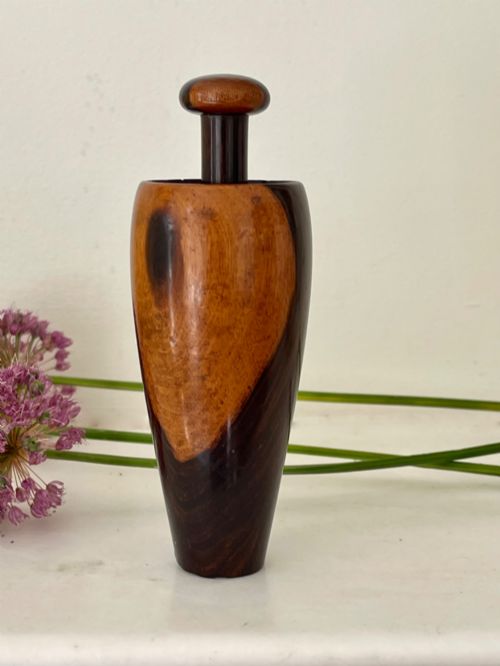
- Small handmade wooden household objects and utensils created through turning or carving.
- Tunbridge ware
- Small wooden boxes and objects decorated with intricate mosaic patterns made from tiny segments of different coloured woods.
Georgian Wood Box: Frequently Asked Questions
What is a georgian wood box used for?
These containers served specific domestic purposes, from locking away valuable tea leaves and cutlery to storing letters, jewellery, and sewing implements.
Today, they function as decorative tabletop storage or sculptural accents that conceal modern clutter within historic timber.
How do I tell a tea caddy from a jewellery box?
Tea caddies typically feature internal lidded canisters and foil-lined compartments designed to preserve dry leaves against moisture.
Jewellery boxes present partitioned trays, velvet linings, and smaller dimensions suited for rings and personal ornaments.
How should I care for antique timber boxes?
Keep wooden boxes away from direct sunlight, central heating vents, and damp environments to prevent the timber from warping or splitting.
Apply a traditional beeswax polish occasionally to nourish the grain and maintain a natural protective surface layer.
How do I distinguish Regency pieces from earlier Georgian work?
Regency designs often incorporate darker exotic woods like rosewood alongside bolder brass mounts, classical motifs, and architectural sarcophagus shapes.
Earlier Georgian pieces lean toward figured mahogany or oak with simpler bracket feet, restrained brasses, and rectilinear proportions.