
Georgian Wing Back Chair
A georgian wing back chair offers draught-excluding comfort and high-backed elegance, standing as a cornerstone of traditional fireside seating.
Georgian Wing Back Chair
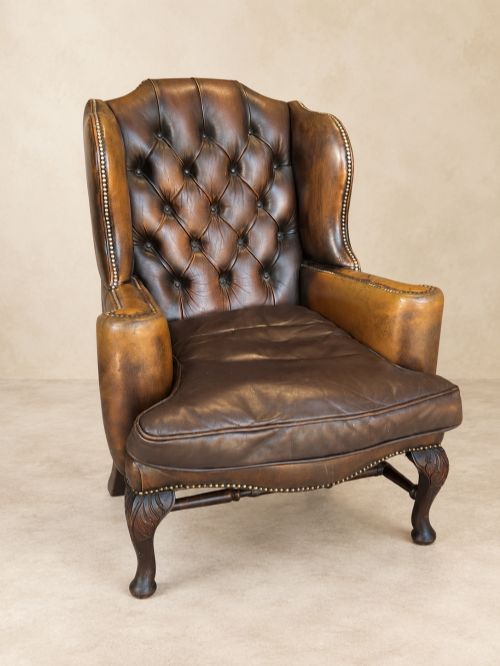
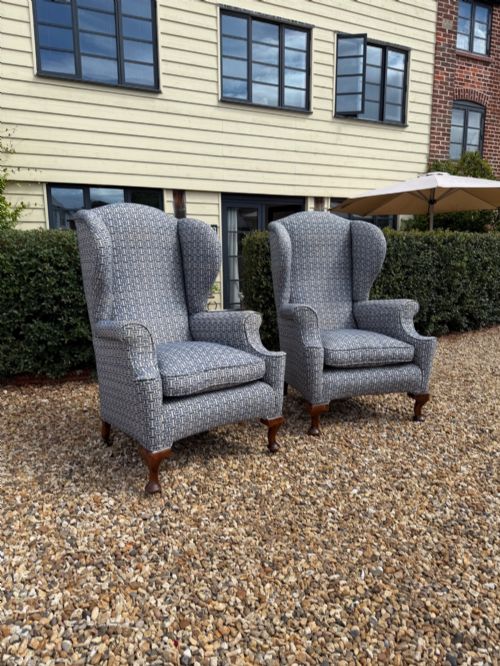
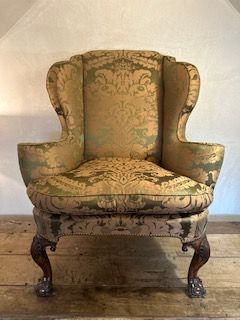
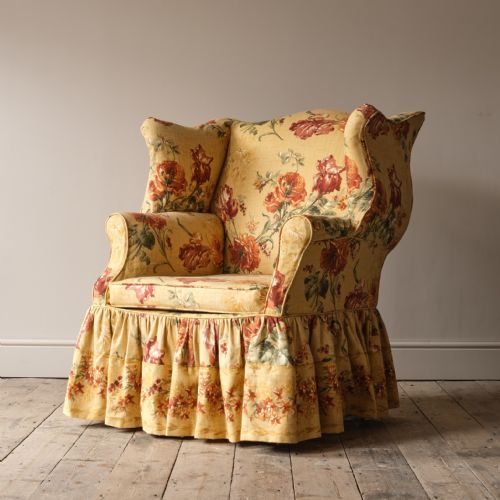
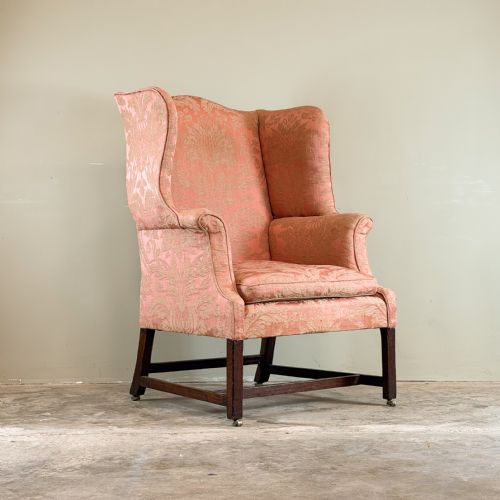
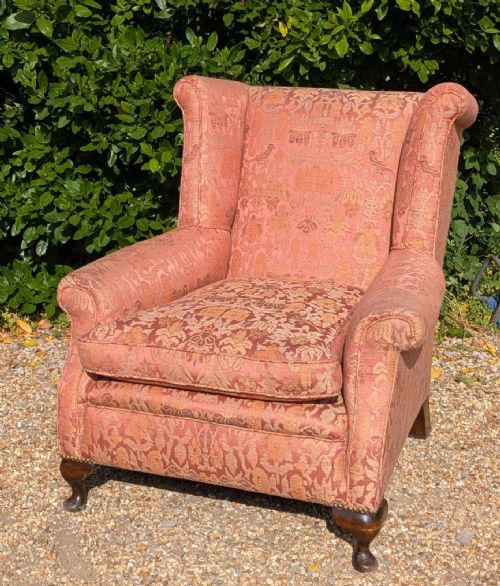
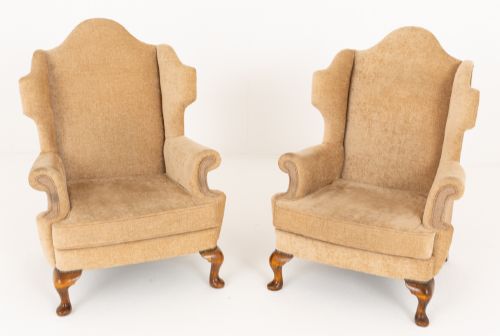
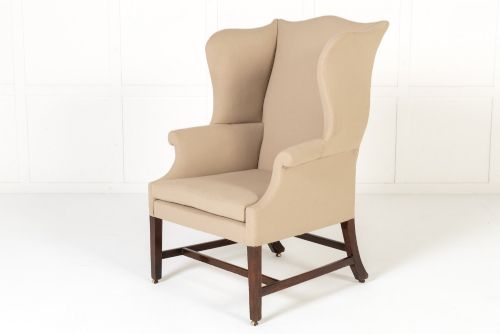
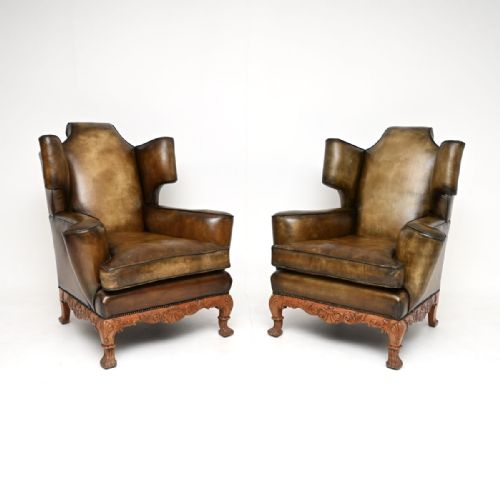
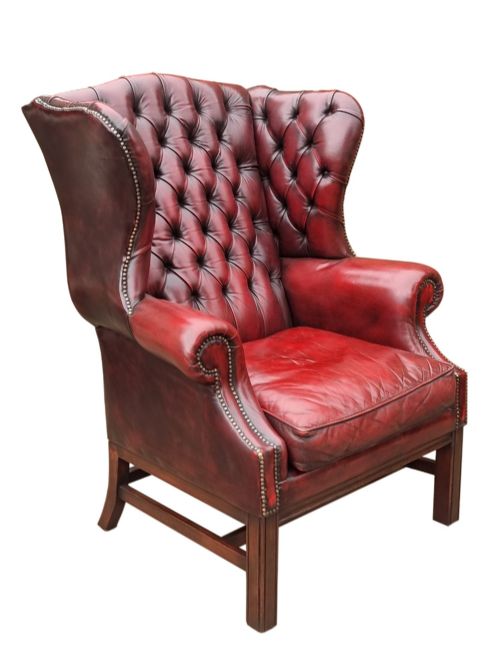
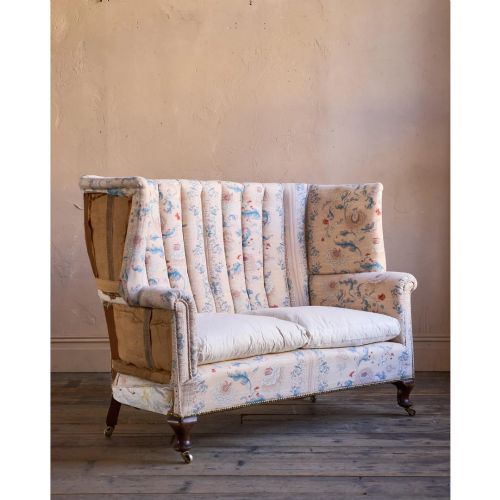
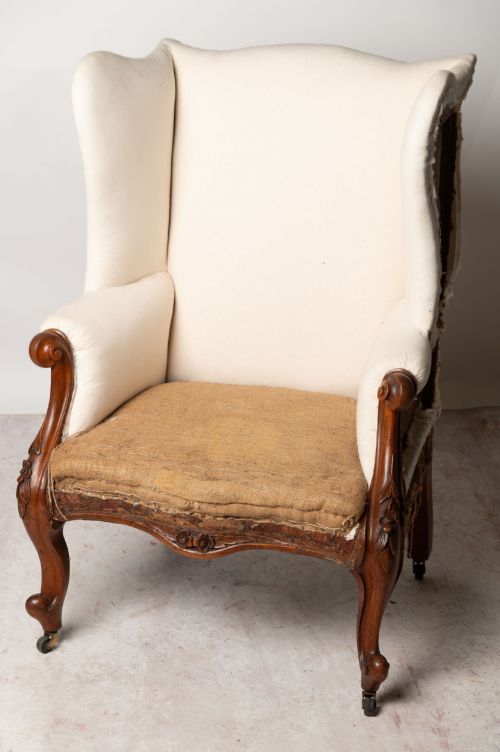
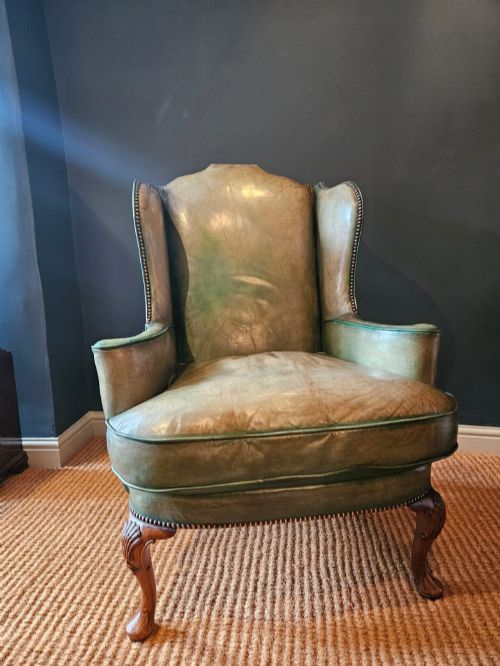
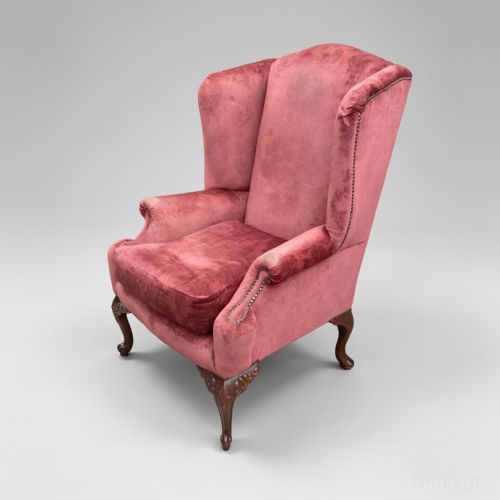
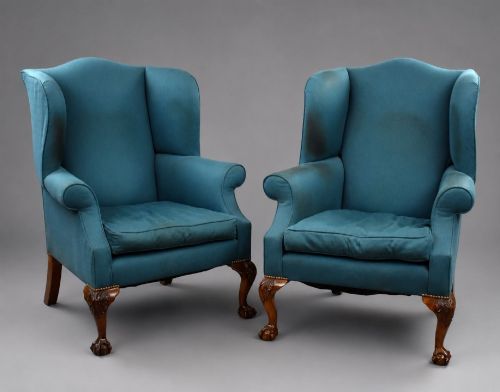
A georgian wing back chair is a high-backed upholstered seat designed to protect the sitter from draughts, featuring distinctive side panels or wings attached to the arms. The pieces found here span from authentic 18th-century examples to later revivals from the Victorian, Edwardian, and 1920s periods.
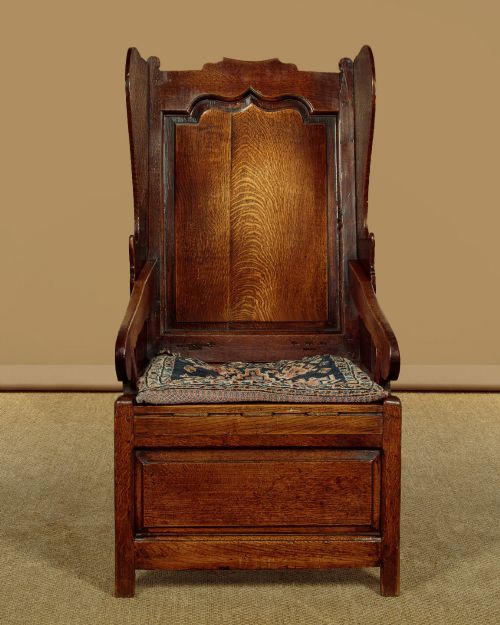
While original 18th-century pieces in walnut and mahogany appear alongside oak lambing chairs, buyers are also likely to meet later Georgian style and revival interpretations upholstered in leather, velvet, or printed fabrics.
How they were made
Frames are constructed from solid hardwoods such as mahogany, walnut, and oak, often supported by cabriole legs or straight supports. Traditional upholstery techniques utilise natural stuffing materials like hessian, feathers, and horsehair beneath top covers of leather or woven fabric.
Joinery techniques on period examples rely on traditional pegged and jointed frames, whilst later revival pieces incorporate period-correct silhouettes built with contemporary workshop methods.
Some antique models feature hidden compartments once used for storing spectacles or small fireside items safely out of reach.
What varies in quality
The integrity of the underlying hardwood frame and the retention of original timber patination dictate the upper tier of the range. Proportion, the graceful sweep of the wings, and the skill in upholstery execution separate ordinary seating from exceptional examples.
Pieces that retain their early legs without extensive timber replacement command greater interest from collectors than those with heavily altered structures.
Howard And Sons
The Georgian Wing Back Chair Glossary
- Wing back
- An upholstered armchair with projecting side panels designed to shield the face from fireside heat and draughts. These protective extensions became a defining feature of domestic seating by the 18th century.
- Cabriole leg
- A furniture leg that curves outward at the knee and tapers inward toward the foot, frequently ending in a pad or claw shape. This form was widely used during the Georgian and Queen Anne periods.
- Lambing chair
- An enclosed wooden armchair, often featuring a high back and solid wings, traditionally used by shepherds or near hearths for warmth. Examples typically date from the late 18th century.
- Barrel back
- A seating form where the back and arms are curved in a continuous semicircular sweep. This design wraps closely around the sitter for added enclosure.
- Hessian
- A coarse woven fabric, often made from jute or hemp, used traditionally as a foundation layer beneath outer upholstery. It provides internal support for stuffing materials.
Georgian Wing Back Chair: Frequently Asked Questions
How do I identify an 18th-century original?
Original 18th-century pieces display period timber characteristics, hand-cut joinery, and timber species consistent with walnut, mahogany, or oak frames of that era. Examining the underside and frame construction reveals the age of the materials used.
Revival pieces from the Edwardian era or the 1920s often utilise machine-sawn timber or different framing methods while copying the earlier Georgian silhouettes.
Can I use these chairs daily?
These sturdy armchairs were built for daily domestic use and remain practical for modern living rooms and studies. Many pieces have been restored or newly upholstered in materials like leather, velvet, or ticking to suit contemporary interiors.
Checking the internal feather filling or webbing ensures the seat provides adequate support for everyday sitting.
Why do some chairs have wings?
The wings on these chairs were originally designed to trap heat from an open fireplace and shield the occupant from cold room breezes. Over time, the feature evolved from a functional heating accessory into a classic aesthetic element of British furniture design.