



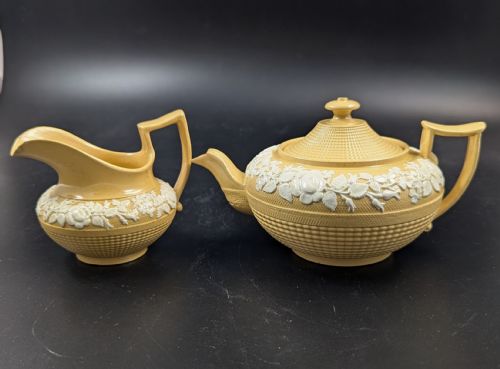


Georgian Wedgwood Pottery
Georgian wedgwood pottery brings together refined neoclassical forms and durable creamware, offering collectors functional elegance from the late eighteenth and early nineteenth centuries.
Georgian Wedgwood Pottery
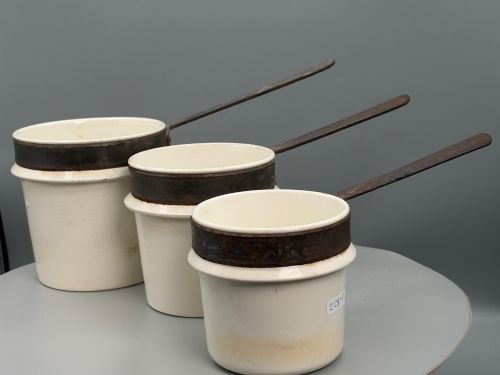
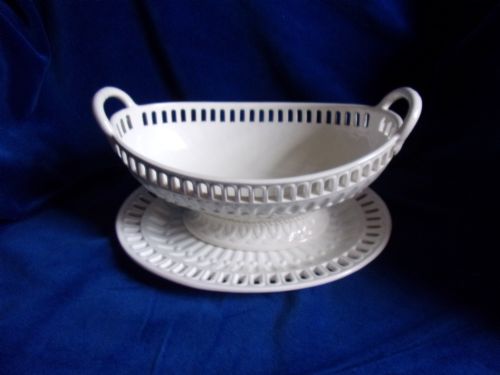
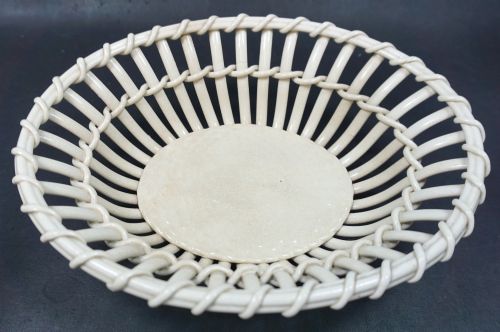
Buyers will encounter various table items including dinner plates, serving platters, pudding bowls, and complete dinner services. Teapots, game pie dishes, and decorative baskets also appear among these ceramic listings.
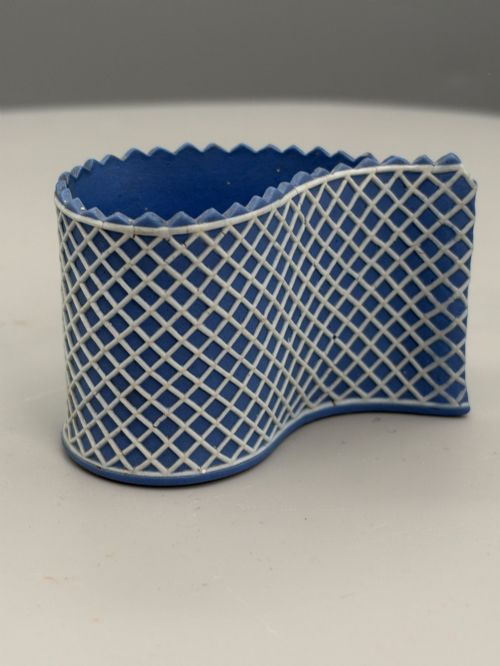
The aesthetic is distinctly neoclassical, often displaying armorial designs alongside caneware, drabware, and blue jasper dip surfaces. Creamware and white stoneware dominate the forms found in this category.
How georgian wedgwood pottery was made
Potters shaped earthenware, creamware, and stoneware into functional and decorative vessels using traditional manufacturing methods. Lead glaze provided a smooth protective coating over the ceramic body.
Specialised bodies like jasperware and caneware required precise firing temperatures to achieve their characteristic matte finishes and distinct surface textures. Enamel was applied by hand for armorial details and decorative patterns.
Georgian Wedgwood Pottery Retail Price Guide 2026
Typical asking prices for georgian wedgwood pottery among the pieces listed under this phrase on Sellingantiques today, from the lower quarter to the upper quarter. They describe what is for sale here now, not the wider market.
Game pie dishes allowed Georgian cooks to bake pastry directly inside ceramic vessels shaped like birds or wicker baskets.
What varies in quality
The distinction between standard domestic items and superior examples lies in the crispness of the moulded relief and the delicacy of the ceramic body. Armorial crests and intricate handle formations demonstrate greater artisan skill.
Consistency of the glaze application and the preservation of hand-enamelled details affect the overall visual appeal. Complete services maintain higher desirability compared to individual stray plates or bowls.
Wedgwood
The Georgian Wedgwood Pottery Glossary
- Creamware
- A fine earthenware with a pale yellowish lead glaze, developed in England during the eighteenth century. It became the standard material for practical tablewares.
- Jasperware
- A fine-grained, unglazed stoneware developed by Josiah Wedgwood, typically featuring white neoclassical reliefs against a coloured background such as blue or drab.
- Caneware
- A yellowish, buff-coloured stoneware resembling the colour of bamboo or cane, often utilised for pie dishes and kitchen ceramics. It gained popularity during the late Georgian period.
- Drabware
- A stoneware or earthenware body with a dull grey-brown or olive-grey glaze, favoured for nineteenth-century domestic services. This understated colourway suited utilitarian dining items.
- Armorial
- A ceramic decorated with a family coat of arms or crest, usually commissioned by wealthy patrons for large dinner services. These bespoke additions elevate the historical interest of the piece.
Georgian Wedgwood Pottery: Frequently Asked Questions
What is creamware?
Creamware is a refined light-coloured earthenware coated in a transparent lead glaze, widely produced in England during the eighteenth century for everyday dining.
Its light weight and warm tone made it a popular alternative to Chinese porcelain on European tables.
How do I date these pieces?
Dating relies on material types, stylistic traits such as neoclassical motifs, and known production periods spanning the eighteenth and nineteenth centuries.
Form variations like caneware game pie dishes or blue jasper dip boxes help narrow down the manufacturing era.
Were these items used daily?
Many items, including dinner services, pudding bowls, and teapots, were made for practical dining and food preparation in period homes.
Armorial plates and decorative baskets also served functional roles during formal meals.
What is jasper dip?
Jasper dip is a technique where white stoneware is dipped into a coloured jasper slip to create a contrasting surface layer.
This method produced the characteristic two-tone effect seen on patch boxes and decorative vessels.