

Georgian Watercolour Portrait Miniature
A georgian watercolour portrait miniature captures faces from the past in delicate pigment.
Georgian Watercolour Portrait Miniature
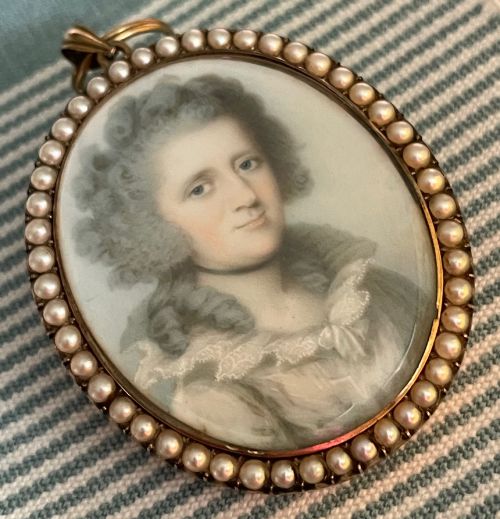
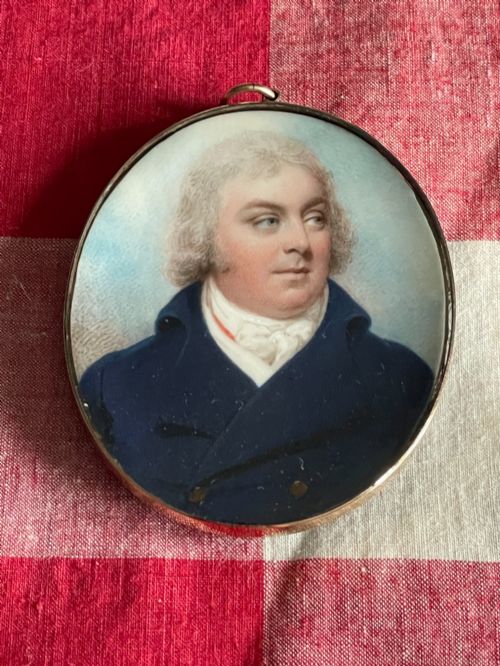
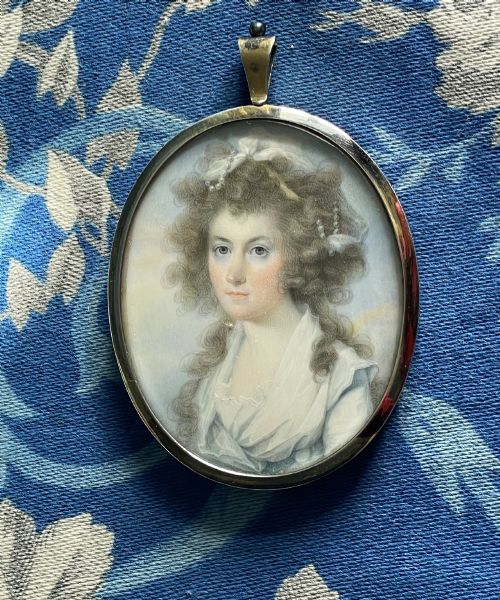
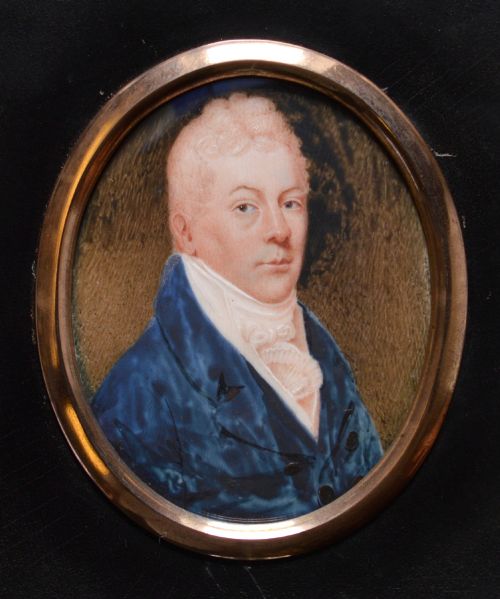
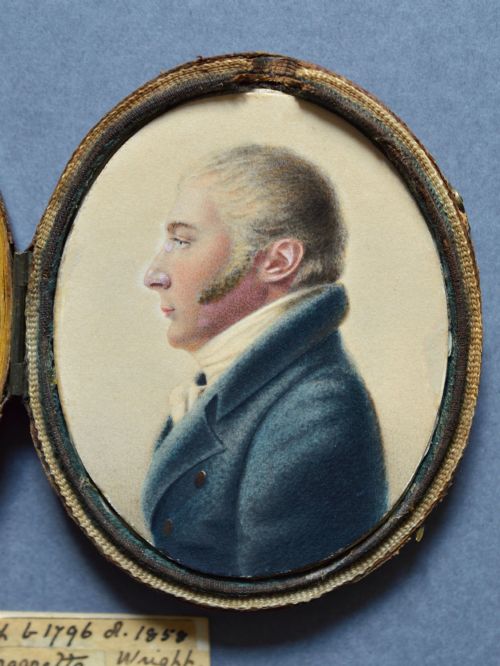
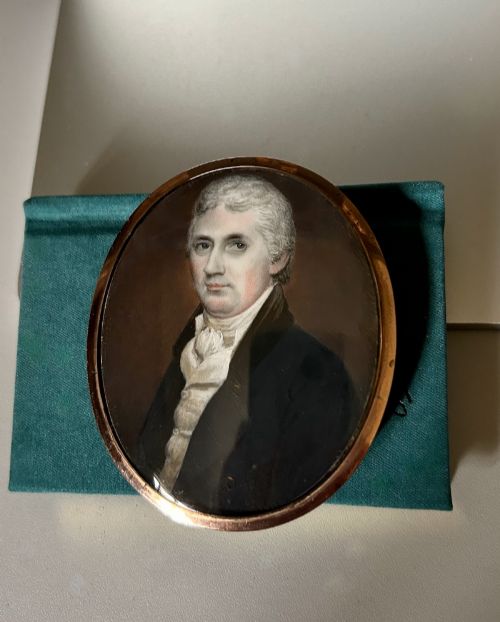
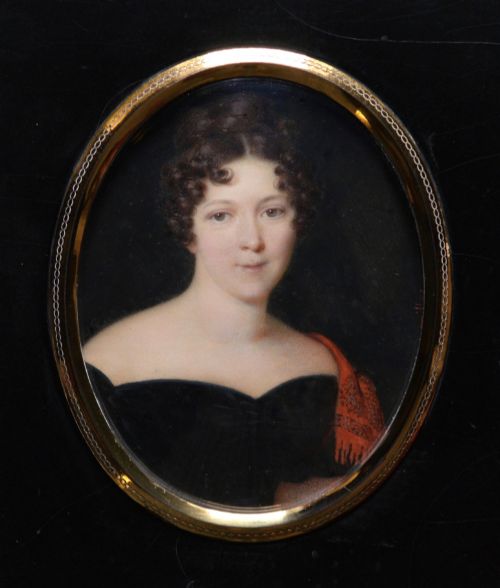
A georgian watercolour portrait miniature is a small painted likeness on ivory, paper, or card, preserved in a delicate frame. These pieces originate across the eighteenth and nineteenth centuries, spanning Georgian and Regency periods.
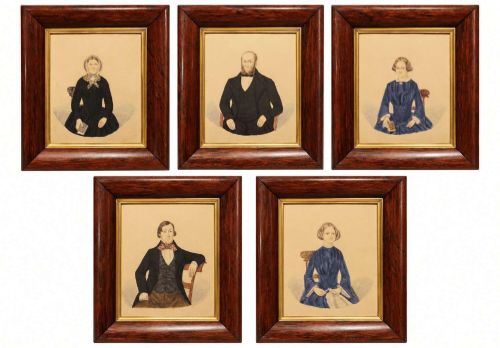
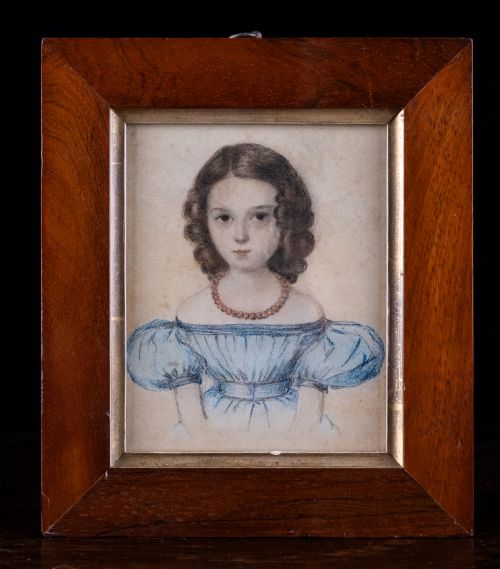
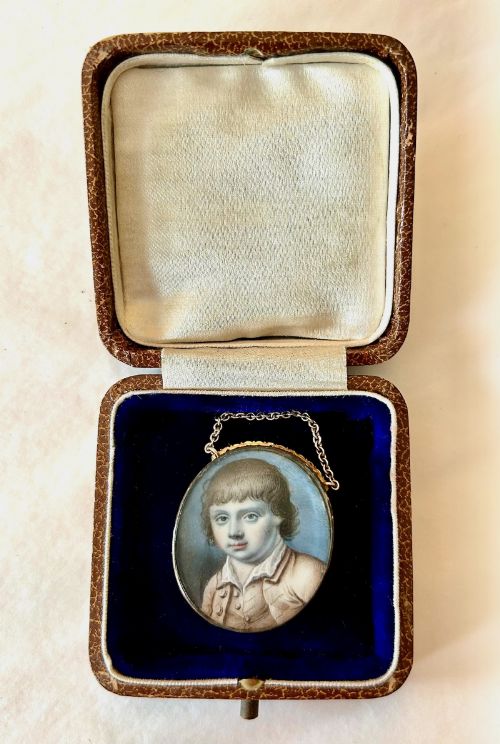
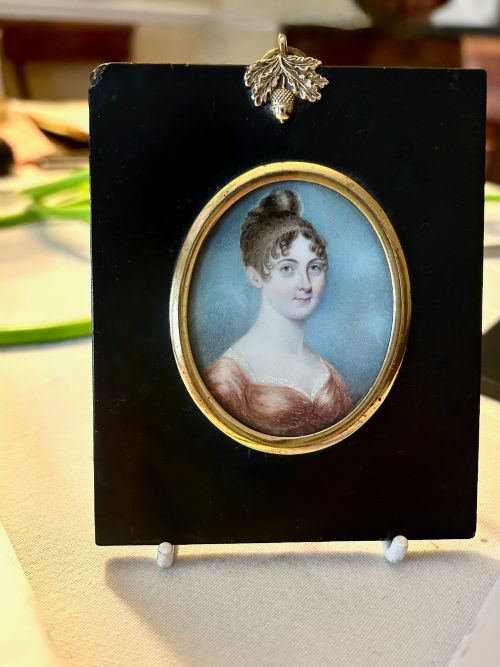
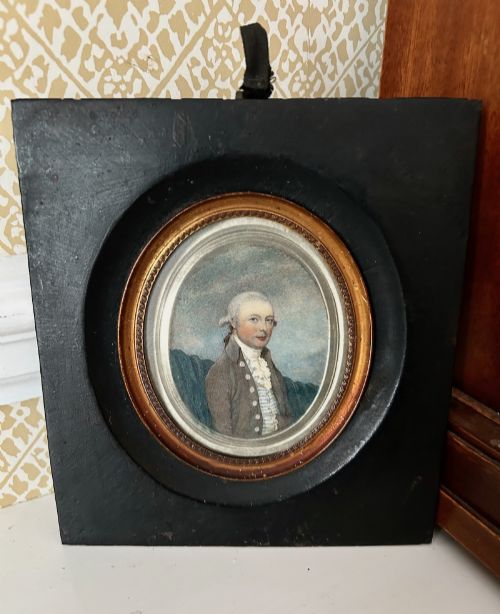
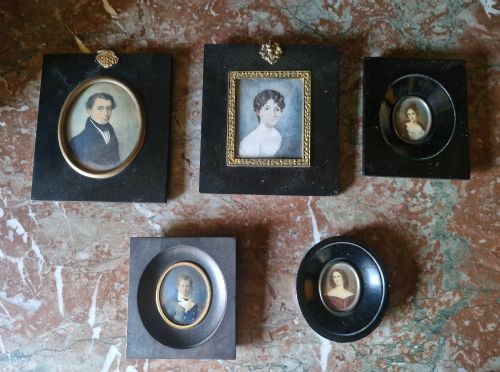
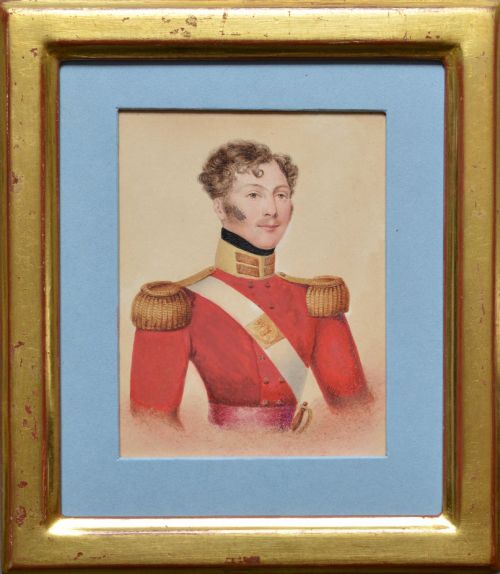
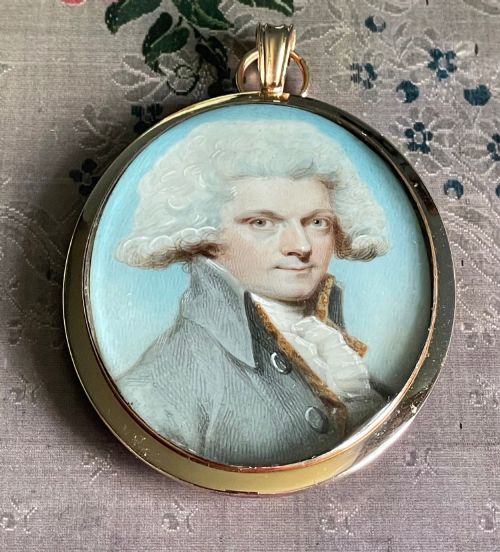
Most examples show individual sitters such as ladies, gentlemen, children, and military officers. Makers include British, French, and Anglo-Indian schools, working in oval frames or miniature stands.
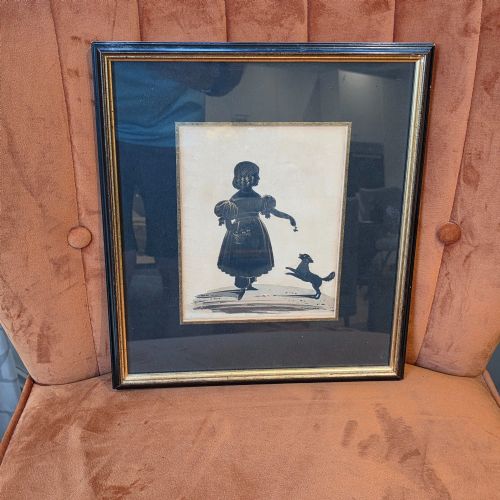
Framed artwork appears alongside standalone paintings and cut paper silhouettes. Pieces range from intimate single portraits to pairs and grouped sets of miniature paintings.
How they were made
Artists painted watercolour directly onto thin slices of ivory or prepared paper. Pigments were applied in fine strokes to capture delicate facial details and textiles.
Finished works received protection beneath curved glass within frames of gilt metal, gold, brass, or ebonised wood. Some mounted frames incorporate seed pearls or standing supports for display.
Georgian Watercolour Portrait Miniature Retail Price Guide 2026
Typical asking prices for georgian watercolour portrait miniature among the pieces listed under this phrase on Sellingantiques today, from the lower quarter to the upper quarter. They describe what is for sale here now, not the wider market.
Several portraits preserve the stern gazes of military officers alongside wide-eyed children clutching toy pets.
What varies in quality
The precision of brushwork and anatomical proportion dictates the visual strength of a portrait. Skilled hands render expression and fabric texture with remarkable clarity on a tiny scale.
The choice of housing influences the character of the object, from simple ebonised wood borders to elaborate gilt metal cases set with glass.
John Donaldson·Frederick Buck·William James Hubard·Thomas John Horsley·Charles Shirreff·Richard Cosway·John C D Engleheart·Dumont·William Wood·Charles Hayter·William Naish·Nicolas Freese·Albin R Burt
The Georgian Watercolour Portrait Miniature Glossary
- Watercolour
- A paint consisting of pigment suspended in a water-based solution. It forms the primary medium for these portable portraits.
- Ivory
- A smooth, organic material sliced thin to serve as a painting surface. Its luminous quality lends a realistic glow to skin tones.
- Gilt metal
- A base metal treated with a gold-coloured surface finish. It provides durable framing for small artworks.
- Ebonised wood
- Timber treated to resemble ebony. It offers a dark, contrasting border popular in Georgian framing.
- Silhouette
- A portrait profile filled in with solid dark pigment or cut from paper. These works frequently incorporate watercolour highlights.
Georgian Watercolour Portrait Miniature: Frequently Asked Questions
How were these miniatures displayed?
Owners usually hung framed examples on walls or placed them upon desks and tabletops. Some featured stands or cases designed for portable protection.
Others remained stored in travel cases or integrated into personal jewellery and lockets.
How do I care for a watercolour miniature?
Keeping the artwork away from direct sunlight prevents the watercolour pigments from fading over time. Stable indoor humidity protects both the delicate paint surface and the organic base material.
Glass fronts should remain sealed to shield the delicate paper or ivory from moisture and dust.
How do I identify the period of a miniature?
Clothing styles, hairstyles, and framing techniques offer direct clues to the date of creation. Regency dress differs markedly from eighteenth-century attire. Nomenclature on the reverse, artist signatures, or accompanying historical records also help pinpoint the era of manufacture.